
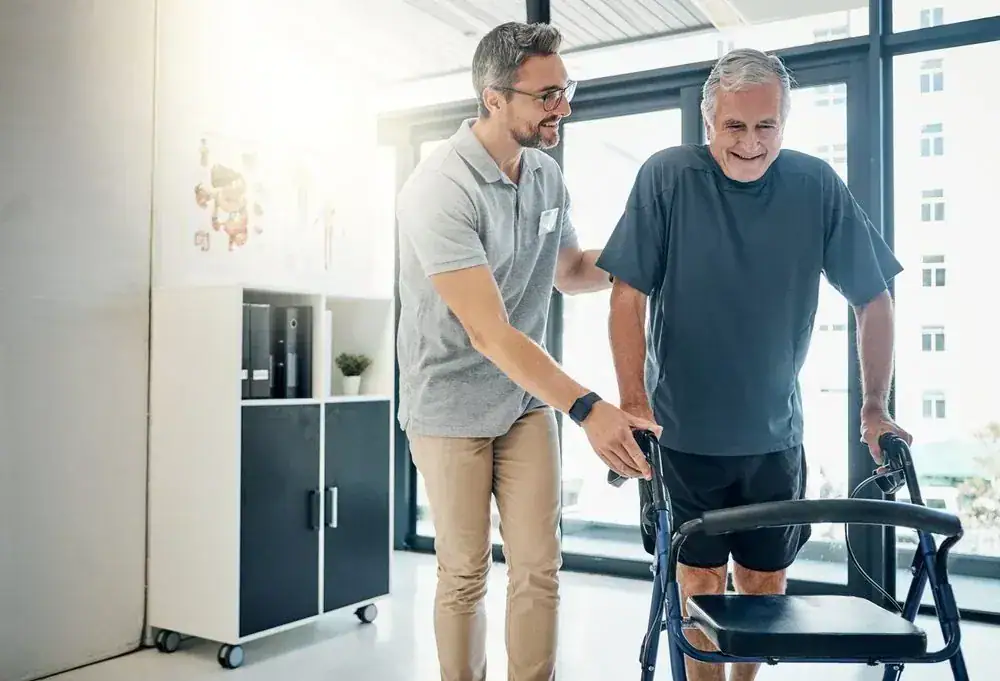
You stop second-guessing every step. You walk to the mailbox without gripping the railing. You get up from your chair without bracing for impact.
That’s what happens when your balance improves and your legs get stronger. The fear starts to fade because your body actually works the way it should again.
Falls aren’t just about bad luck. They happen when your muscles weaken, your balance deteriorates, and your confidence drops. Physical therapy for balance addresses all three. You work with a therapist who evaluates how you move, where you’re unstable, and what’s putting you at risk. Then you get a plan built around senior balance exercises that strengthen your legs, improve your coordination, and give you control back.
In Nassau and Suffolk Counties, 88% of injury hospitalizations for adults over 65 come from falls. You don’t have to be part of that statistic. With the right program, you can cut your fall risk by 30% to 35% and stay in your home longer, safer, and with a lot less worry.
We’ve been helping people across Long Island stay independent for years. We run multiple therapy centers, including locations in Smithtown and Speonk, and we understand what aging in place looks like here.
Long Island homes weren’t built with aging in mind. Split-levels, narrow staircases, uneven walkways. Add in high property taxes that make retrofitting tough and families moving away, and you’ve got a recipe for isolation and risk.
We work with seniors in Selden, NY and surrounding communities who want to stay home but need their bodies to keep up. Our therapists specialize in elderly fall prevention, and every treatment plan is based on where you are now and where you want to be. You’re not getting a generic program. You’re getting an assessment, a plan, and a team that actually listens.

First, you come in for a fall risk assessment. Your therapist reviews your medical history, watches how you walk, tests your balance, and asks about any falls or close calls you’ve had. This isn’t a quick screening. It’s a detailed look at what’s actually going on.
From there, you get a personalized treatment plan. That might include balance exercises for seniors, strength training for your legs and core, gait training to improve how you walk, and education on how to make your home safer. Everything is adjusted to your current abilities and goals.
Sessions typically happen two to three times a week. You’ll work one-on-one with your therapist, progressing through exercises that get harder as you get stronger. Most people start feeling more stable within a few weeks, and the improvements build from there.
Medicare and most insurance plans cover physical therapy for balance and fall prevention, especially if you’ve had a fall or your doctor identifies you as high-risk. We handle the billing and verification so you can focus on getting better.

Ready to get started?
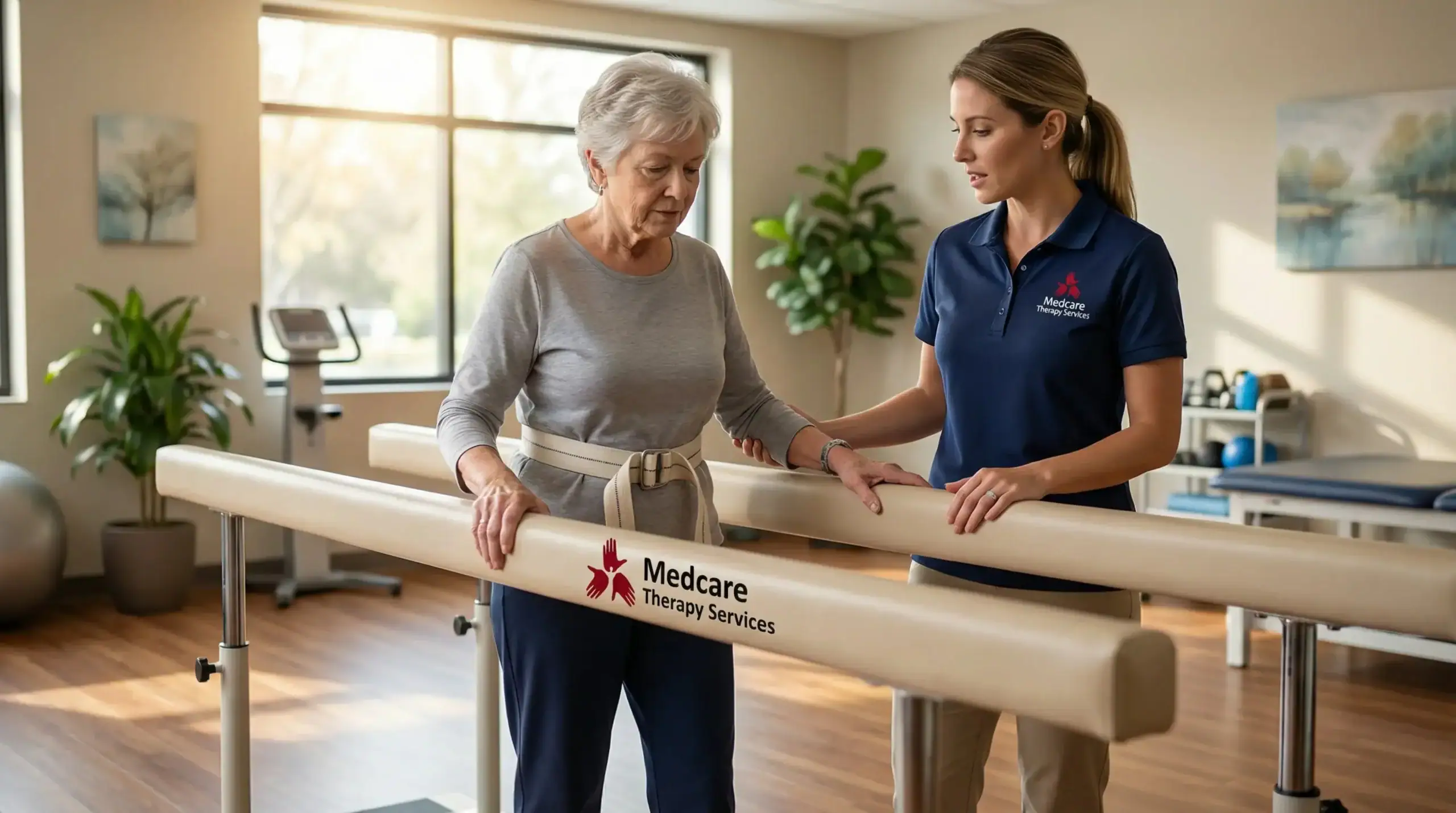
Your fall prevention program includes a full evaluation, a custom exercise plan, and ongoing adjustments as you improve. You’ll work on strengthening your legs, hips, and core because those are the muscles that keep you upright. You’ll practice balancing exercises that challenge your stability in controlled ways so you’re ready when real life throws you off balance.
Gait training helps you walk more smoothly and confidently, especially if you’ve developed compensations or bad habits after an injury. Your therapist will also teach you how to get up safely if you do fall, and how to spot hazards in your home before they become problems.
In Suffolk County, the hospitalization rate for falls among adults 65 and older is 281 per 10,000—nearly double the state goal. That’s not because people here are clumsier. It’s because the population is aging fast, homes aren’t built for it, and a lot of folks are trying to manage on their own. You don’t have to do that. A structured fall prevention program gives you the tools to stay safe, and the data shows it works.
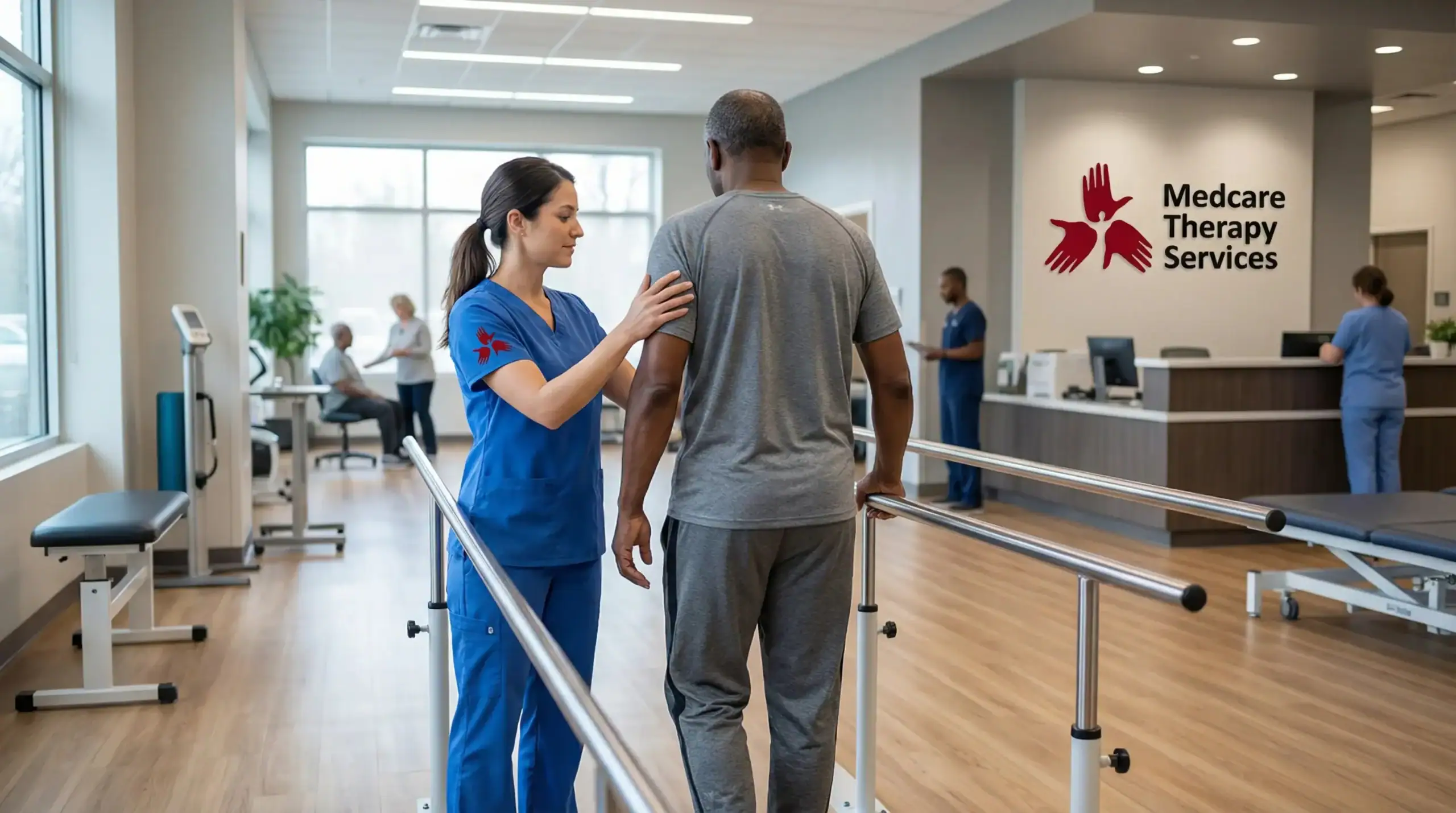
If you’ve fallen in the past year, you’re at risk. If you’ve had a close call where you caught yourself at the last second, you’re at risk. If you feel unsteady when you stand up, walk on uneven ground, or turn your head while moving, you’re at risk.
Other red flags include muscle weakness in your legs, trouble getting out of a chair without using your arms, dizziness or lightheadedness, vision problems, or taking multiple medications that affect balance. Even fear of falling counts because it makes you move less, which weakens you further and actually increases your risk.
A fall risk assessment gives you a clear answer. Your therapist will test your balance, strength, and gait, and they’ll factor in your medical history and home environment. You’ll know exactly where you stand and what needs attention. Most people who come in already suspect they’re at risk. The assessment just confirms it and gives you a starting point.
You’ll start with exercises that match your current ability. That might mean standing on one foot while holding onto a counter, or practicing weight shifts from side to side. As you get stronger, the exercises get harder. You might stand on a foam pad, close your eyes during balance drills, or walk heel-to-toe in a straight line.
Strength training is part of it too. Squats, leg lifts, and step-ups build the muscles that keep you stable. Core exercises help you stay upright when something throws you off balance. Everything is done under supervision, and your therapist adjusts the difficulty based on how you’re progressing.
The goal isn’t to make you an athlete. It’s to make everyday movements—walking, turning, reaching, bending—safer and easier. You’ll practice the exact movements that challenge you in real life, so when you’re at home, your body knows what to do.
Yes, Medicare Part B covers physical therapy for fall prevention if it’s medically necessary. That usually means you’ve had a fall, you’re at high risk based on an assessment, or your doctor has referred you because of balance or walking issues.
You’ll need a referral or prescription from your doctor, and the therapy has to be provided by a Medicare-approved provider. We accept Medicare and Medicare Advantage plans, and we handle the verification and billing process for you.
There may be a copay or coinsurance depending on your plan, but most people find that the cost is covered after they meet their deductible. If you’re unsure about your coverage, call your insurance company or ask our team during your first visit. We’ll help you figure out what’s covered before you start.
Most programs run between six and twelve weeks, with sessions two to three times per week. Some people need less time, some need more. It depends on your starting point, your goals, and how quickly your body responds.
You’ll usually start noticing improvements within the first few weeks. Your balance gets better, your legs feel stronger, and you move with more confidence. But building lasting strength and stability takes time. Rushing through it doesn’t help. Your therapist will track your progress and adjust the timeline as needed.
After you finish the formal program, you’ll have exercises you can do at home to maintain your gains. Some people come back for periodic check-ins or refresher sessions, especially if they’ve had a health setback or noticed their balance slipping again. The goal is to give you the tools to stay independent long-term, not just for a few weeks.
It’s not too late. In fact, falling once makes you more likely to fall again, so starting a fall prevention program after a fall is one of the smartest things you can do.
A lot of people come to us after a fall sent them to the hospital or left them shaken and scared. They’ve lost confidence, and their families are worried. Physical therapy helps you rebuild strength, retrain your balance, and address whatever caused the fall in the first place—whether that was weak legs, poor coordination, or environmental hazards.
Your therapist will work with you at your current level. If you’re still recovering from an injury, the program will be gentler at first and progress as you heal. The research is clear: fall prevention interventions work even after you’ve already fallen. You can reduce your risk of falling again by 30% to 35% with the right program. That’s a significant drop, and it can mean the difference between staying home and needing more intensive care.
You can do exercises at home once you know what you’re doing, but starting with a therapist is important. Balance exercises for seniors need to be challenging enough to make a difference but safe enough that you don’t fall while doing them. A therapist makes sure you’re doing the right exercises, using correct form, and progressing at the right pace.
Once you’ve gone through the program and built a foundation, you’ll have a home exercise plan you can follow on your own. Your therapist will teach you which exercises to do, how often to do them, and what to watch out for. Some people continue with occasional in-person sessions to stay on track.
Doing exercises at home without guidance can be risky if you don’t know your limits or if you’re using poor technique. You might skip the exercises that actually help or push too hard and hurt yourself. Starting with professional supervision gives you the knowledge and confidence to keep going safely after the program ends.
Other Services we provide in Selden