
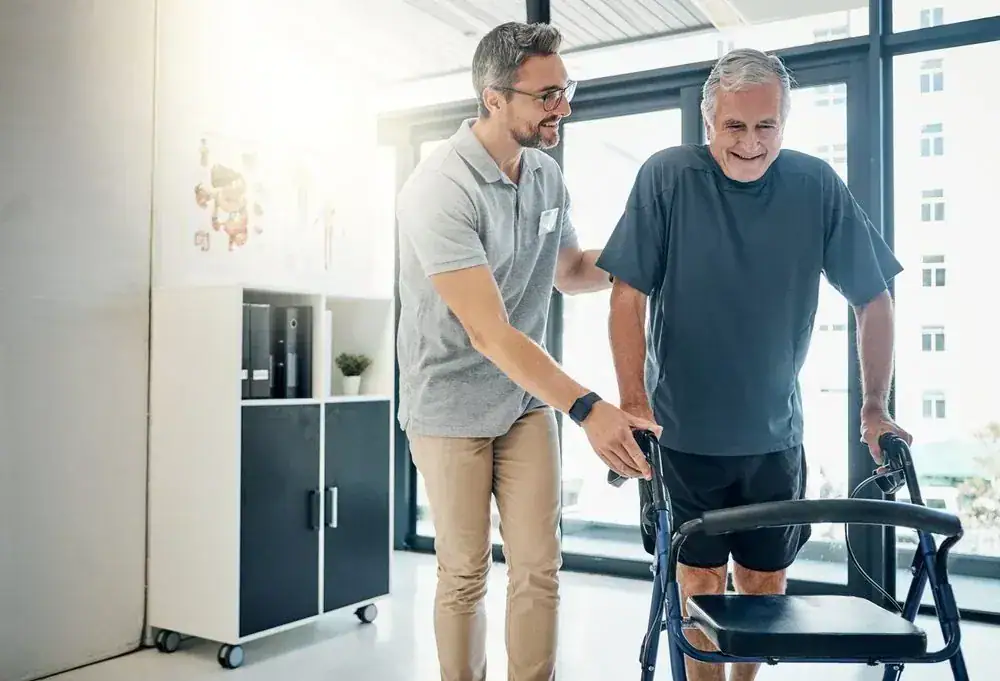
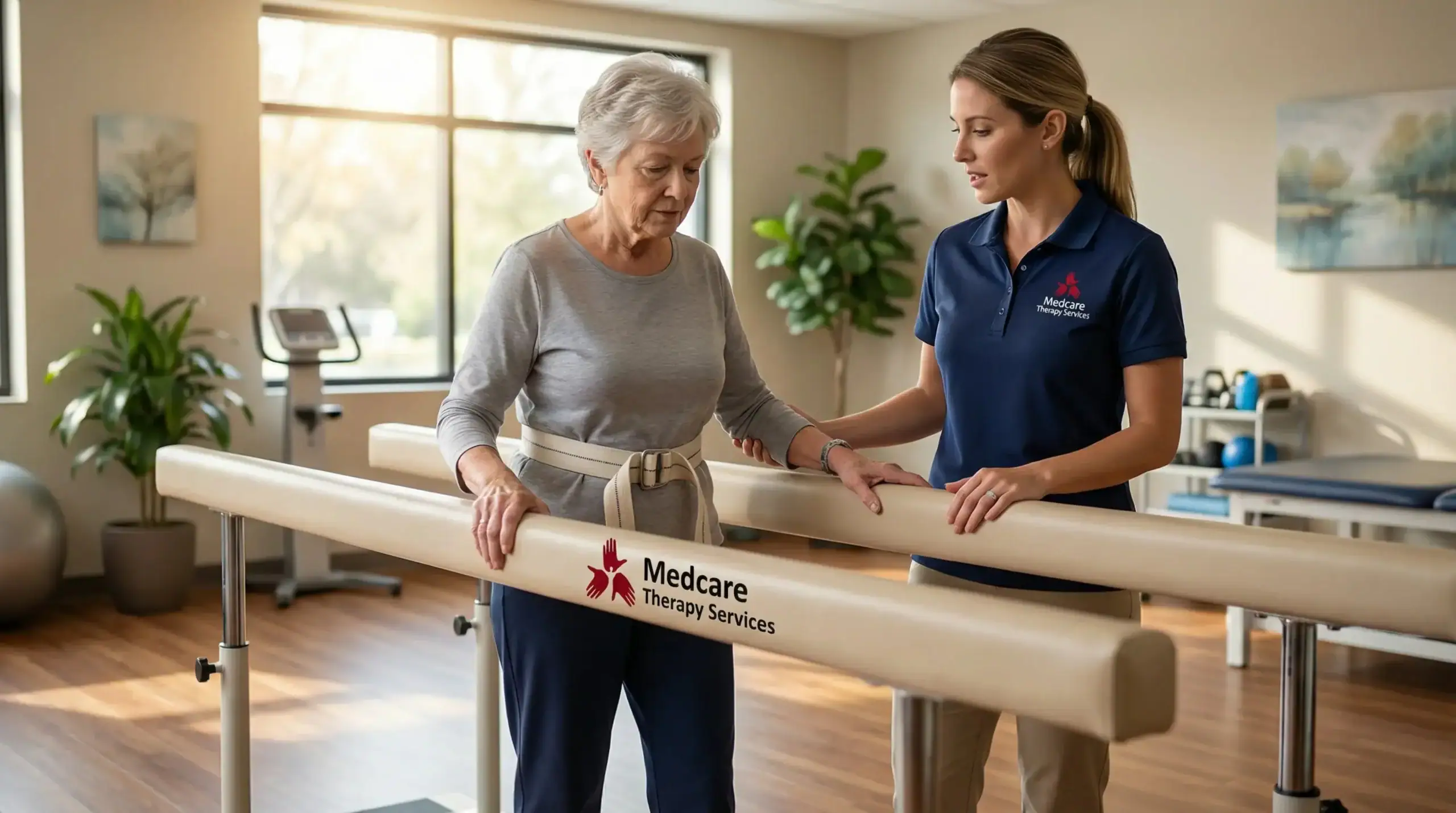
You shouldn’t have to think twice before walking to the kitchen or reaching for something on a shelf. That hesitation, that split-second fear before you shift your weight—it’s exhausting. And it keeps you from doing things you used to do without thinking.
Physical therapy for balance addresses what’s actually causing that instability. Maybe it’s weakness in your legs, maybe it’s coordination, maybe it’s how your body responds when you turn or stand up quickly. A fall risk assessment identifies those specific factors so the treatment plan isn’t generic—it’s built around what your body needs to feel stable again.
Balance exercises for seniors aren’t about making you an athlete. They’re about giving you back the confidence to move through your day—getting the mail, playing with grandkids, walking around the block—without that constant background worry. The goal is simple: you stay independent, and your family stops holding their breath every time you’re home alone.
Nassau County has one of the highest fall rates for seniors in New York State. 88% of injury hospitalizations for adults over 65 here are fall-related. That’s not a coincidence—it’s a reality that requires specialized attention.
We work with seniors across Searingtown, Albertson, New Hyde Park, and surrounding Nassau County communities. Our licensed physical therapists conduct in-home assessments and deliver personalized fall prevention programs where you actually live—because your home environment plays a major role in your safety.
We accept Medicare and most commercial insurance plans. Our team has worked with enough Long Island families to know what you’re dealing with: the fear after a close call, the frustration of feeling unsteady, the pressure from adult children who worry every time they leave. We get it, and we know how to help.
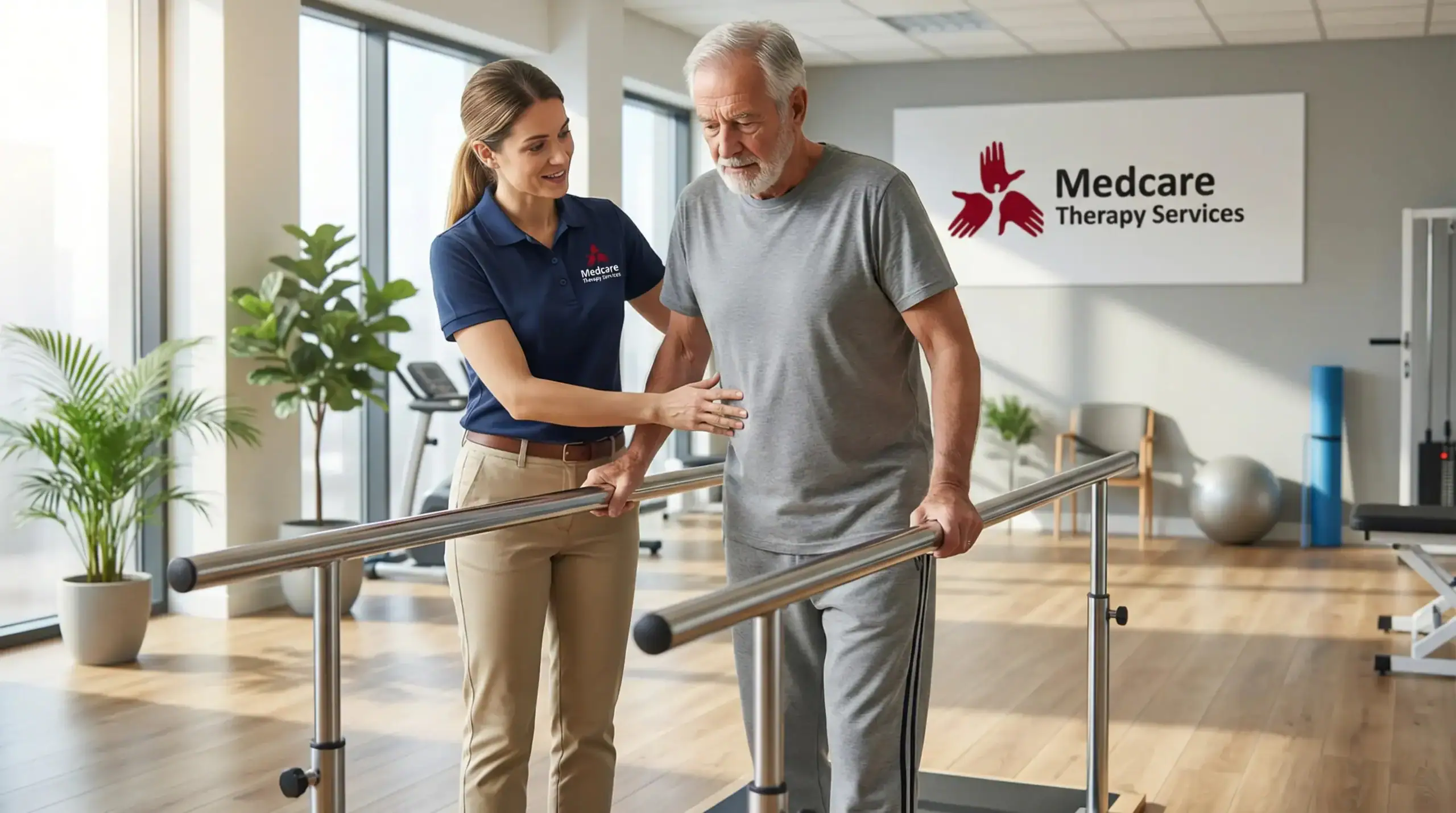
First, a licensed physical therapist comes to your home in Searingtown, NY for a comprehensive fall risk assessment. This isn’t a quick checklist. We evaluate your gait, balance, strength, coordination, and how you move through your actual living space. We also review your medical history, medications, and any previous falls or near-misses.
From there, we design a personalized program. If your balance is off when you turn your head, you’ll work on exercises that retrain that response. If your legs aren’t strong enough to catch you when you stumble, you’ll build that strength. If there are hazards in your home—loose rugs, poor lighting, awkward furniture placement—we’ll walk you through modifications that make sense for your space.
Sessions typically happen one to three times per week, depending on your needs and insurance coverage. Many exercises can be done between visits, so you’re building strength and stability consistently. We adjust the plan as you improve, and we’re available to answer questions or address concerns as they come up.
You’re not locked into a rigid program. This is about making real progress toward feeling stable and confident again—at a pace that works for your body and your life.

Ready to get started?
Your fall prevention program includes a full evaluation: gait analysis, balance testing, strength assessment, and a home safety review. We identify every factor contributing to your fall risk—not just the obvious ones.
From there, you receive a customized exercise program. Balance exercises might include standing on one leg, weight shifting, or coordination drills that challenge your stability in controlled ways. Strength training focuses on your legs, core, and the muscles that keep you upright when you’re off-balance. You’ll also work on reaction time and movement patterns that help you recover if you do stumble.
Nassau County seniors face higher fall risks than most of New York State, and a lot of that comes down to chronic conditions like arthritis, cardiovascular disease, and diabetes. We account for those conditions when designing your program—we’re not going to prescribe exercises that aggravate your knees or ignore the limitations you’re working with.
If you’ve already fallen, the program includes post-fall rehabilitation to rebuild strength, mobility, and confidence. And because most falls happen at home, we give you specific recommendations for your house: lighting changes, grab bar placement, clutter removal, and other modifications that reduce risk without turning your home into a hospital room.
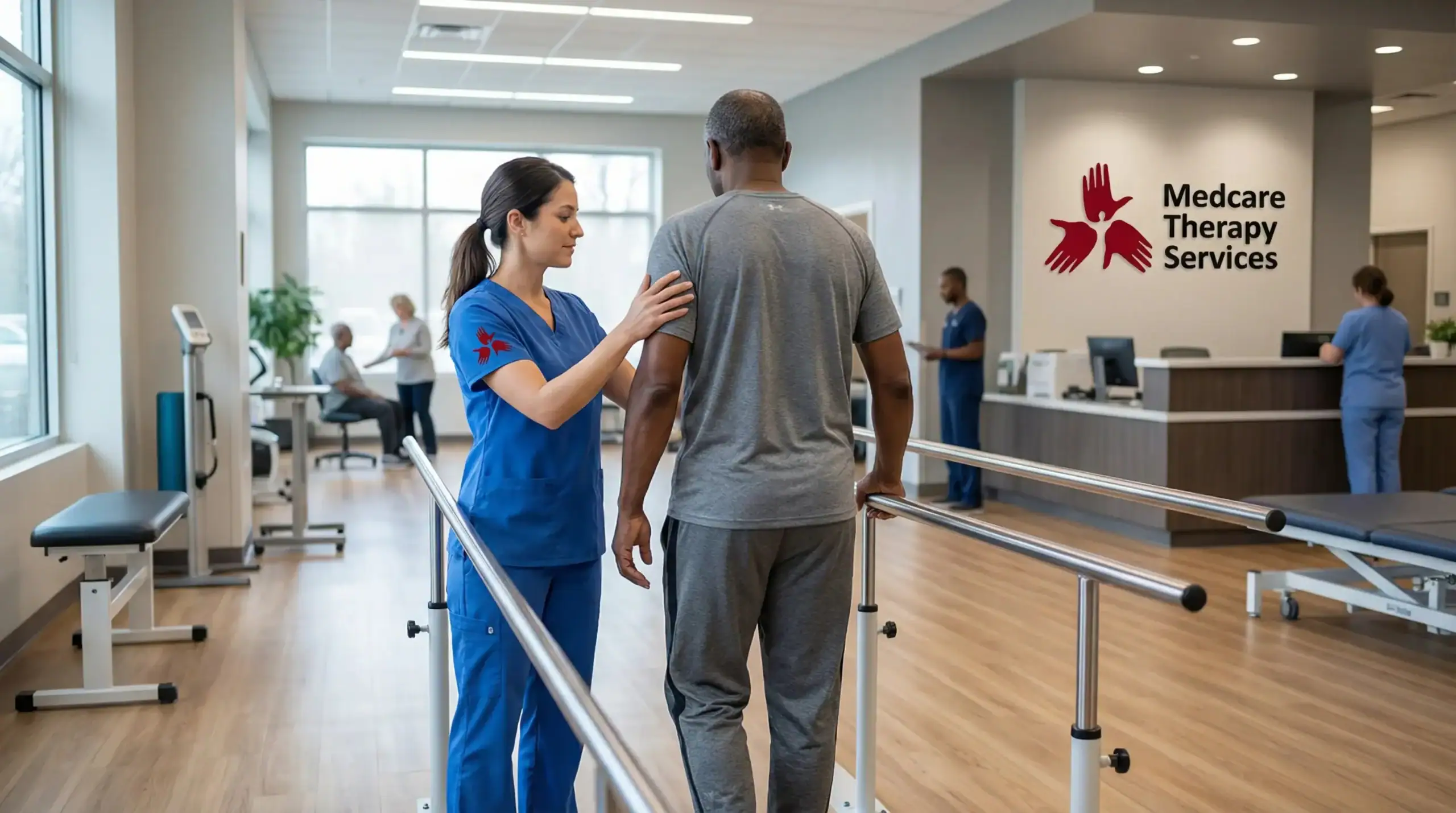
Most people notice a difference within four to six weeks if they’re consistent with their exercises and attending regular sessions. That doesn’t mean you’re completely fall-proof in a month—it means you start feeling more stable when you walk, you’re less shaky when you stand up, and you’re not as worried about losing your balance during everyday activities.
The timeline depends on where you’re starting from. If you’ve had multiple falls or you’re recovering from an injury, it might take longer to rebuild that strength and coordination. If you’re catching the problem early—maybe you’ve had a few close calls but no actual falls yet—you’ll likely progress faster.
Research shows that structured balance training can reduce fall risk by around 23% when done correctly over several months. The key is sticking with it even after you start feeling better, because maintaining that stability requires ongoing effort. We adjust the program as you improve, so you’re always working at the right level for your current abilities.
Physical therapy is one of the most effective ways to prevent falls before they happen. The Cochrane review of over 100 studies found that exercise-based fall prevention programs reduce fall risk by 23% and cut fall-related fractures by 27%. Those aren’t small numbers—that’s a significant reduction in serious injury.
The reason it works is because most falls aren’t random accidents. They happen because of specific, measurable issues: weak legs, poor balance, slow reaction time, coordination problems, or a combination of those factors. Physical therapy identifies what’s actually putting you at risk, then gives you exercises and strategies to address those specific problems.
Recovery after a fall is part of what we do, but prevention is the bigger goal. If you’ve already fallen, the program helps you regain strength and confidence so it doesn’t happen again. If you haven’t fallen yet but you’re feeling unsteady or you’ve had close calls, that’s actually the best time to start—before a fall leads to a fracture, a hospital stay, or a long recovery that limits your independence even more.
We offer both. Many of our Searingtown, NY clients prefer in-home therapy because it’s more convenient and it allows us to assess your actual living environment. Your home is where most falls happen, so it makes sense to work on balance and safety in the space where you need it most.
In-home sessions also eliminate the need to arrange transportation, which can be a barrier for seniors who no longer drive or who have mobility limitations. We bring everything needed for your exercises and conduct the full evaluation right there—gait analysis, balance testing, strength assessment, and a walkthrough of your home to identify hazards.
If you prefer to come to one of our affiliated therapy centers in Nassau County, that’s an option too. Some people like the structure of going to a clinic, and the facilities have specialized equipment that can be helpful for certain types of training. Either way, the program is the same: personalized, evidence-based fall prevention designed around your specific risk factors and goals. We accept Medicare and most commercial insurance for both in-home and clinic-based services.
High fall risk usually comes from a combination of factors, not just one thing. Age is part of it—your balance and strength naturally decline as you get older—but plenty of seniors stay stable well into their 80s and 90s. What puts you at higher risk is things like previous falls, chronic conditions (arthritis, diabetes, heart disease, Parkinson’s, stroke), medications that affect balance or blood pressure, vision problems, and weak legs or core muscles.
During the fall risk assessment, we evaluate all of those factors. We watch how you walk, how you turn, how you stand up from a chair, and how you respond when your balance is challenged. We check your strength, flexibility, and coordination. We ask about your medical history, medications, and any falls or near-falls you’ve had recently.
We also assess your home environment. Loose rugs, poor lighting, stairs without railings, clutter in walkways, and bathrooms without grab bars all increase fall risk. We identify those hazards and give you specific recommendations for making your home safer. The goal is to understand your complete risk profile—not just guess based on your age—and build a plan that addresses the actual issues putting you in danger.
Medicare covers fall prevention therapy when it’s medically necessary, which usually means you’ve had a fall, you’re at high risk for falling, or you have a condition that affects your balance and mobility. Most commercial insurance and managed care plans also cover it, though the specifics depend on your plan and whether you’ve met your deductible.
We accept Medicare and most major insurance plans. During your initial consultation, we verify your coverage and let you know what your out-of-pocket costs will be—if any. For Medicare patients, fall prevention typically falls under physical therapy benefits, which means you’ll have a copay or coinsurance depending on your plan.
If you’re not sure whether your insurance will cover it, call us. We handle the verification process and work directly with your insurance company to make sure you’re getting the benefits you’re entitled to. The last thing you need is surprise bills or confusion about what’s covered. Our goal is to make this as straightforward as possible so you can focus on getting stronger and staying safe, not dealing with paperwork.
Yes. Post-fall rehabilitation is a major part of what we do, and regaining confidence is just as important as rebuilding physical strength. After a fall, it’s common to feel anxious about moving around—even if you weren’t seriously injured. That fear can lead to avoiding activities, which actually makes you weaker and more likely to fall again. It’s a cycle we see all the time.
Therapy helps you break that cycle. The program focuses on rebuilding the strength and balance you lost (either from the fall itself or from being less active afterward), and it includes exercises that help you feel more secure when you’re moving. We also work with you on techniques for getting up safely if you do fall again, which reduces some of that fear.
We also revisit your home safety. If environmental factors contributed to your fall—like poor lighting, a loose rug, or an awkward step—we address those so the same thing doesn’t happen twice. The goal isn’t just to get you back to where you were before the fall. It’s to make you more stable and confident than you were before, so you’re not constantly worried about it happening again. That peace of mind matters, and it’s something we take seriously.
Other Services we provide in Searingtown