
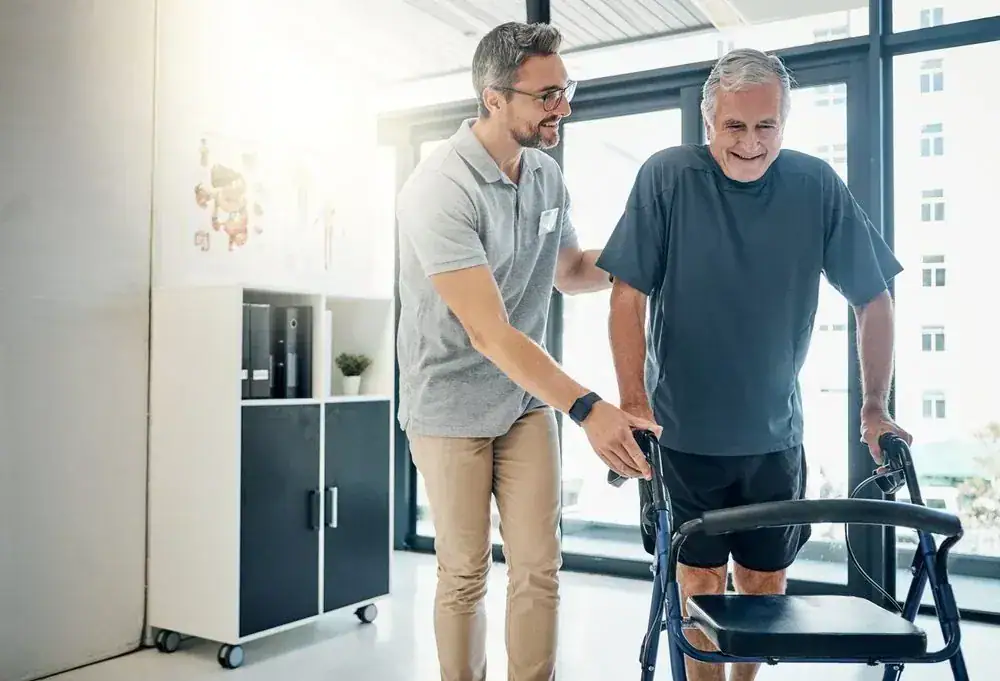
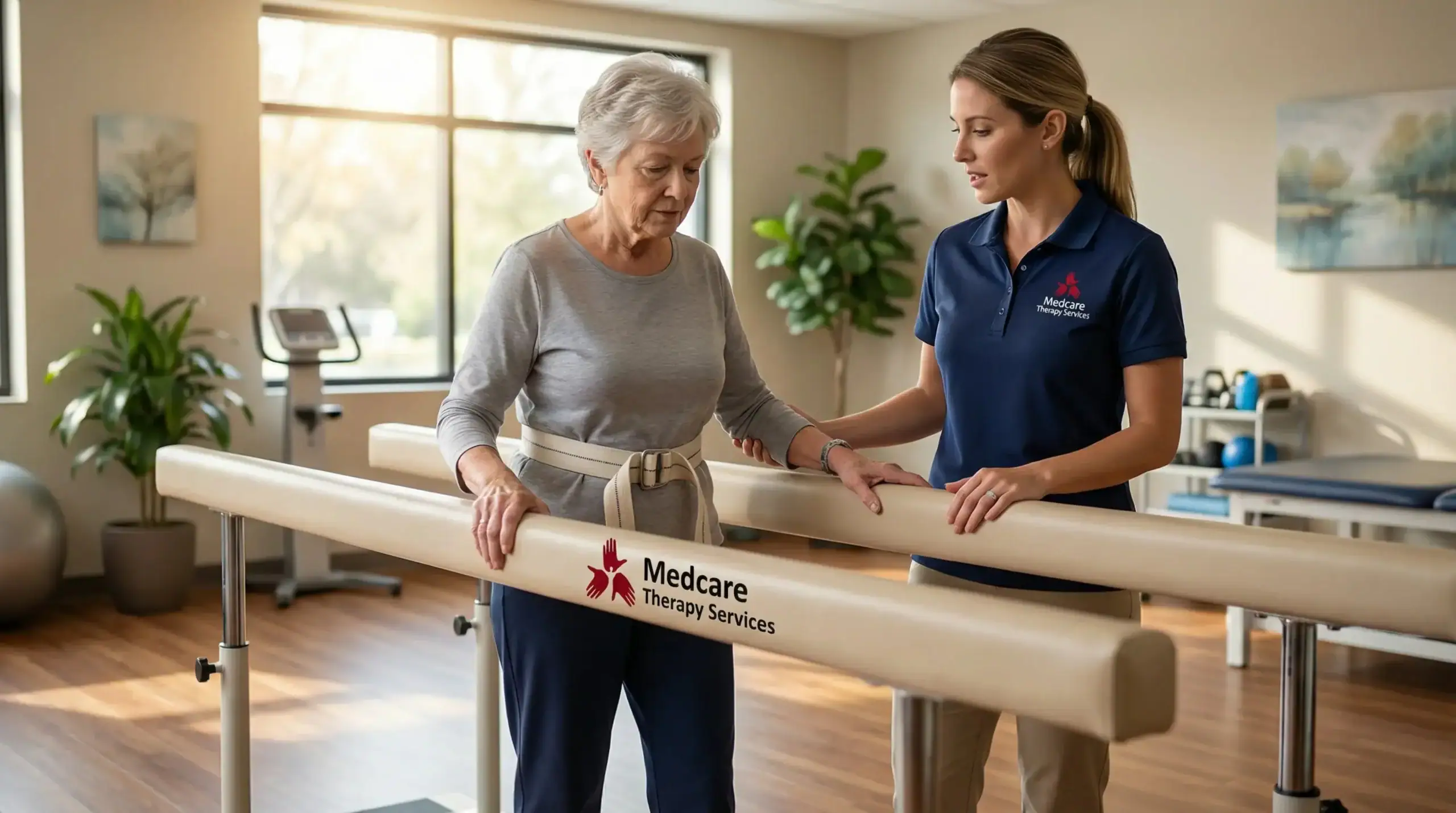
You stop second-guessing every step. Getting up from a chair doesn’t require a strategy. Walking to the mailbox or moving around your kitchen feels automatic again, not risky.
That’s what happens when balance training actually works. Your legs get stronger. Your core stabilizes. Your gait evens out. And the fear that’s been quietly running the show starts to fade.
Falls aren’t just about bad luck. They’re about weak muscles, poor coordination, and environments that haven’t been assessed. Physical therapy for balance addresses all three. You work with a licensed therapist who evaluates how you move, where you’re unstable, and what’s creating risk in your daily routine.
Then you start exercises that rebuild strength in your legs and core. You practice movements that mirror real life—standing from a seated position, turning while walking, reaching for something on a shelf. It’s functional. It’s personalized. And it works because it’s designed around how you actually live.
Regular exercise and targeted balance work can cut your fall risk in half. If you’ve had issues with dizziness, physical therapy lowers that risk by 86%. Those aren’t motivational stats. They’re clinical outcomes.
We’ve been providing in-home physical and occupational therapy across Nassau and Suffolk counties for over a decade. We work with seniors who have trouble getting to appointments, who need care in a familiar setting, or who just want therapy that fits into their actual life.
Our therapists are trained in fall prevention programs like Otago, which is one of the most researched and effective models out there. We’re Medicare-certified, and most of what we do is covered if you’re dealing with balance issues, dizziness, or mobility concerns.
Salisbury and the surrounding areas have a growing senior population. More than 38% of households in Nassau County now include someone over 65. That means more people are dealing with fall risk, and more families are trying to figure out how to help. We come to you. We assess your home. We build a plan that makes sense for your body and your space.

First, a licensed physical therapist comes to your home and does a full assessment. They watch how you walk, how you stand, how you move from sitting to standing. They check your strength, flexibility, and coordination. They also look around your house for trip hazards, lighting issues, or layout problems that increase risk.
From there, they design a program specific to you. It might include strength exercises to build up your legs and core. Balance drills that challenge your stability in safe, controlled ways. Gait training to smooth out your walking pattern and improve posture. And functional movement work so you’re practicing the exact motions you do every day—getting out of bed, navigating stairs, reaching into cabinets.
You’ll have regular sessions, usually a few times a week to start. Your therapist tracks your progress and adjusts the plan as you improve. They’ll also give you exercises to do between visits so you’re building strength consistently.
Most people notice a difference within a few weeks. You feel more stable. You move with less hesitation. And the anxiety around falling starts to lift because your body is actually stronger and more coordinated.

Ready to get started?
You get a personalized fall risk assessment that identifies your specific vulnerabilities. A custom exercise plan built around your current ability level and goals. One-on-one sessions with a licensed therapist in your home. And a home safety evaluation that points out environmental risks you might not have noticed.
The exercises focus on strengthening the muscle groups that matter most for balance—your legs, hips, and core. You’ll also work on flexibility, coordination, and reaction time. Gait training helps you walk more evenly and with better posture, which reduces strain and prevents falls.
If you’ve been diagnosed with dizziness or vertigo, your therapist can incorporate vestibular therapy to address inner ear issues that affect balance. If you’ve already fallen, we can work on rebuilding your confidence and your strength so it doesn’t happen again.
Here’s something that matters for Long Island seniors: 60% of fall-related hospitalizations happen at home. Your house is where you’re most at risk, and it’s also where you spend most of your time. That’s why in-home therapy makes sense. We’re training you in the environment where you actually need to be steady. And we’re helping you make that environment safer in the process.

If you’ve fallen in the last year, you need it. Falling once doubles your chance of falling again, and most people don’t tell their doctor when it happens because they’re afraid of losing independence.
But you don’t have to wait for a fall. If you feel unsteady when you walk, if you grab onto furniture or walls for support, if you avoid certain activities because you’re worried about balance—those are signs. Dizziness, weakness in your legs, or trouble getting up from a chair are also red flags.
Your doctor can refer you for a fall risk assessment. If you have Medicare or Medicare Advantage, physical therapy is usually covered when balance or mobility is the issue. The assessment will tell you exactly where your risks are and what kind of program makes sense for your situation.
You’re training in the space where you actually need to be stable. Your therapist sees the layout of your home, the lighting, the flooring, the furniture arrangement. They can spot hazards you’ve gotten used to and suggest changes that make a real difference.
In-home therapy also removes the transportation barrier. If getting to appointments is stressful, exhausting, or just difficult to coordinate, you’re less likely to stick with the program. When your therapist comes to you, you’re more consistent. And consistency is what builds strength and reduces fall risk.
There’s also a comfort factor. You’re in your own space, wearing your own clothes, moving around your own furniture. The exercises are designed for your real life, not a clinic environment. That makes the training more relevant and the results more practical.
Most programs run between 8 and 12 weeks, with sessions two to three times per week. But the timeline depends on your starting point, your goals, and how quickly you progress.
Some people see improvement in balance and confidence within the first few weeks. Strength takes longer to build, especially if you’ve been inactive or dealing with weakness for a while. Your therapist will reassess you regularly and adjust the plan as you get stronger.
Even after the formal program ends, you’ll have exercises you can keep doing on your own to maintain your progress. The goal isn’t just short-term improvement. It’s giving you the tools and the strength to stay stable long-term. Many people continue with a maintenance plan or periodic check-ins to make sure they’re staying on track.
Yes, if you have a medical need. Medicare Part B covers outpatient physical therapy when it’s prescribed by a doctor and considered medically necessary. Balance problems, dizziness, gait issues, and fall risk all qualify.
Medicare Advantage plans also cover physical therapy, though the specifics can vary by plan. You’ll typically need a referral from your primary care doctor or specialist. Once that’s in place, your therapist will work with your insurance to confirm coverage and handle the billing.
If you’ve already fallen, if you’ve been diagnosed with a condition that affects balance, or if your doctor has documented concerns about your mobility, you’re very likely covered. It’s worth asking your doctor to include fall risk or balance issues in your referral so there’s no question about medical necessity.
It’s not too late. It’s actually more urgent. One in four older adults falls every year, and falling once makes you twice as likely to fall again. But physical therapy after a fall can rebuild your strength, correct the issues that caused it, and reduce your risk going forward.
A lot of people lose confidence after a fall. You start moving less, which makes you weaker, which makes another fall more likely. Therapy breaks that cycle. You work on strength, balance, and coordination in a controlled way so you can start moving with confidence again.
Your therapist will also figure out why you fell in the first place. Was it a trip hazard? Weak legs? Dizziness? Poor lighting? Once you know the cause, you can address it. And you can make changes to your home and your routine that prevent it from happening again. Recovery is possible, and it starts with the right support.
You’ll do exercises that strengthen your legs, hips, and core—the muscles that keep you upright and stable. That might include sit-to-stand drills, leg lifts, step-ups, or resistance work with bands. You’ll also practice balance exercises like standing on one foot, weight shifting, or walking heel-to-toe.
Gait training is a big part of most programs. Your therapist will watch how you walk and help you correct issues like uneven steps, poor posture, or a shuffling gait. You’ll practice walking with better form, turning safely, and navigating obstacles.
Functional movement training means you’ll rehearse real-life activities—getting in and out of a chair, reaching for something on a high shelf, bending down to pick something up. These aren’t random exercises. They’re movements you do every day, and practicing them makes you stronger and more coordinated when it counts. Everything is tailored to your ability level, and your therapist adjusts the difficulty as you improve.
Other Services we provide in Salisbury