
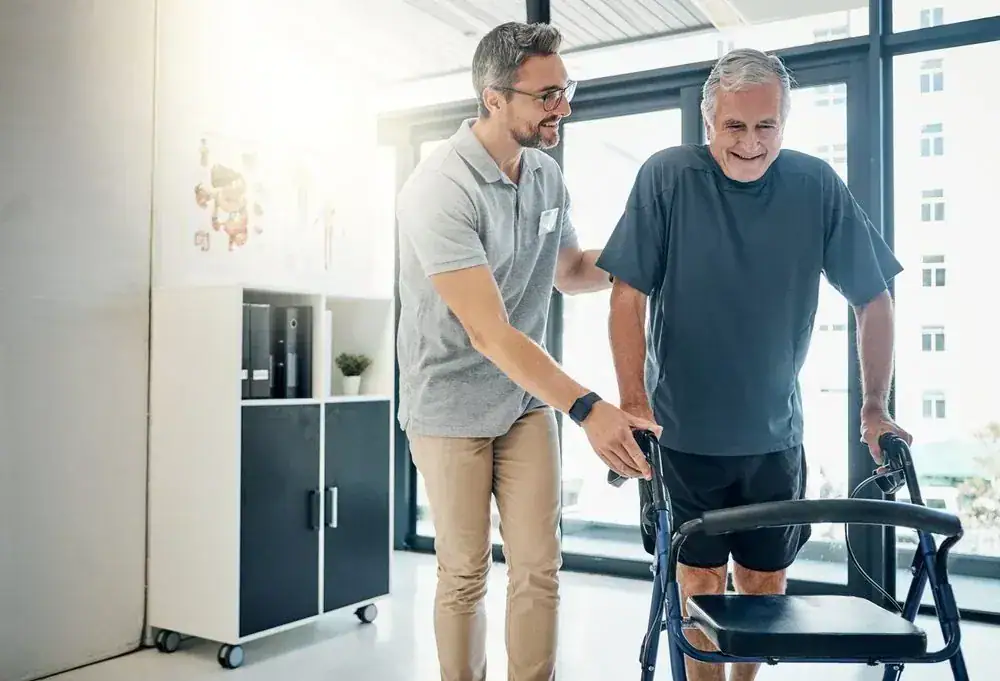
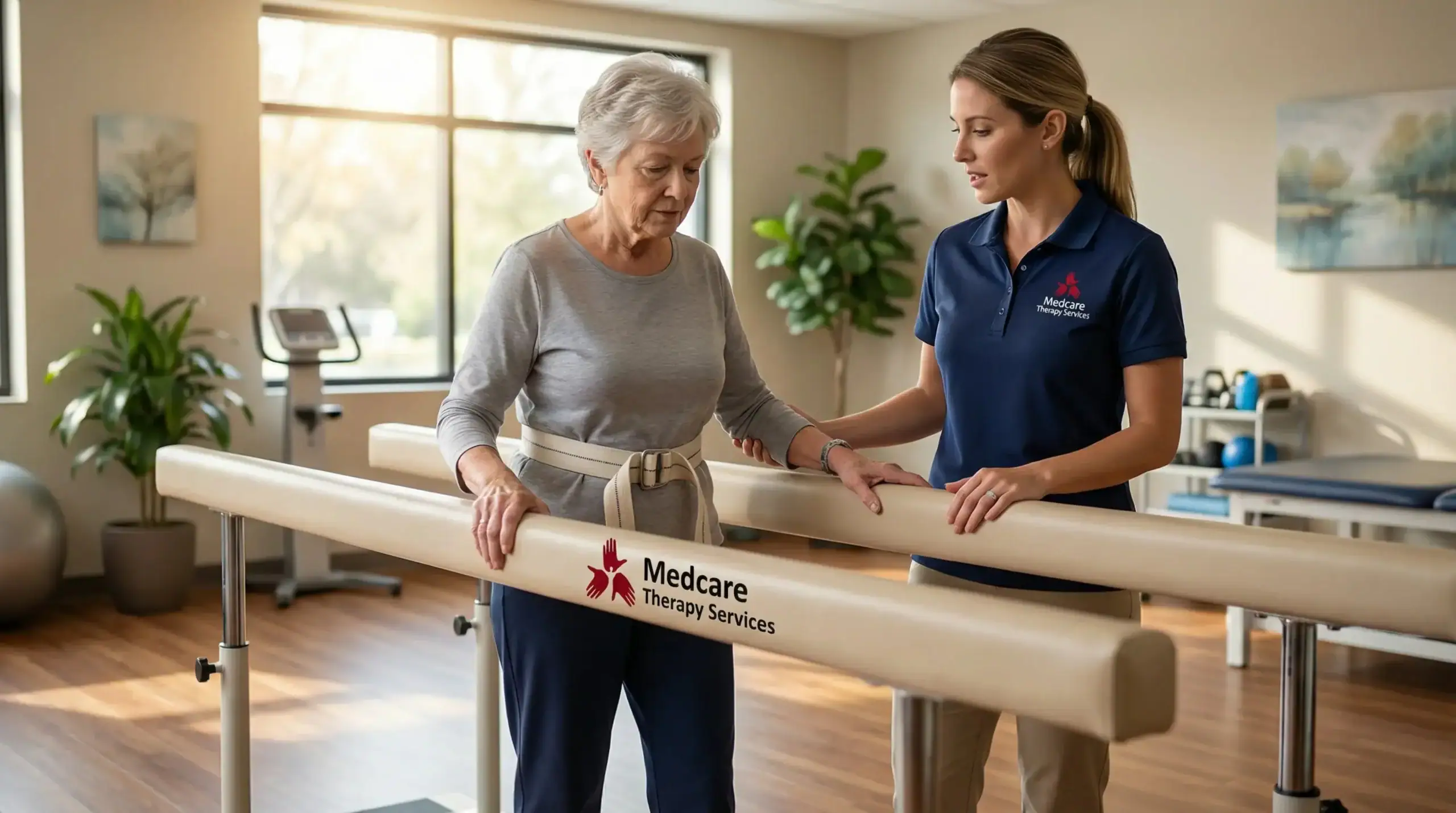
You’re not imagining it. That hesitation before standing up, the extra second you need to steady yourself, the worry about walking on uneven ground—it’s real, and it’s affecting what you do every day.
One in four adults over 65 falls each year. On Long Island, Nassau and Suffolk counties rank 4th and 5th statewide for fall-related incidents. You’re statistically more at risk here than almost anywhere else in New York.
But falls aren’t inevitable. Balance can be retrained. Strength can be rebuilt. Confidence can come back.
Our physical therapy programs focus on what actually prevents falls: improving your gait, strengthening the muscles that keep you upright, and training your body to react when you lose balance. You’ll move through your home with less fear. You’ll get back to activities you’ve been avoiding. You’ll stop planning your day around what feels safe and start living the way you want to.
We’ve been providing in-home physical and occupational therapy across Long Island since 2010. Our therapists are trained in Otago fall prevention protocols and evidence-based balance training designed specifically for older adults.
We’re not a general home care agency trying to do everything. We focus on what works: personalized therapy that meets you where you are—literally in your own home—and builds the strength, coordination, and confidence that keep you on your feet.
Sagaponack and the surrounding Hamptons communities have a growing population of older adults who want to age in place. We’ve worked with hundreds of Long Island seniors who were told to “just be careful” but never given a real plan. That’s not how this works. Fall prevention is a skill, and it can be taught.
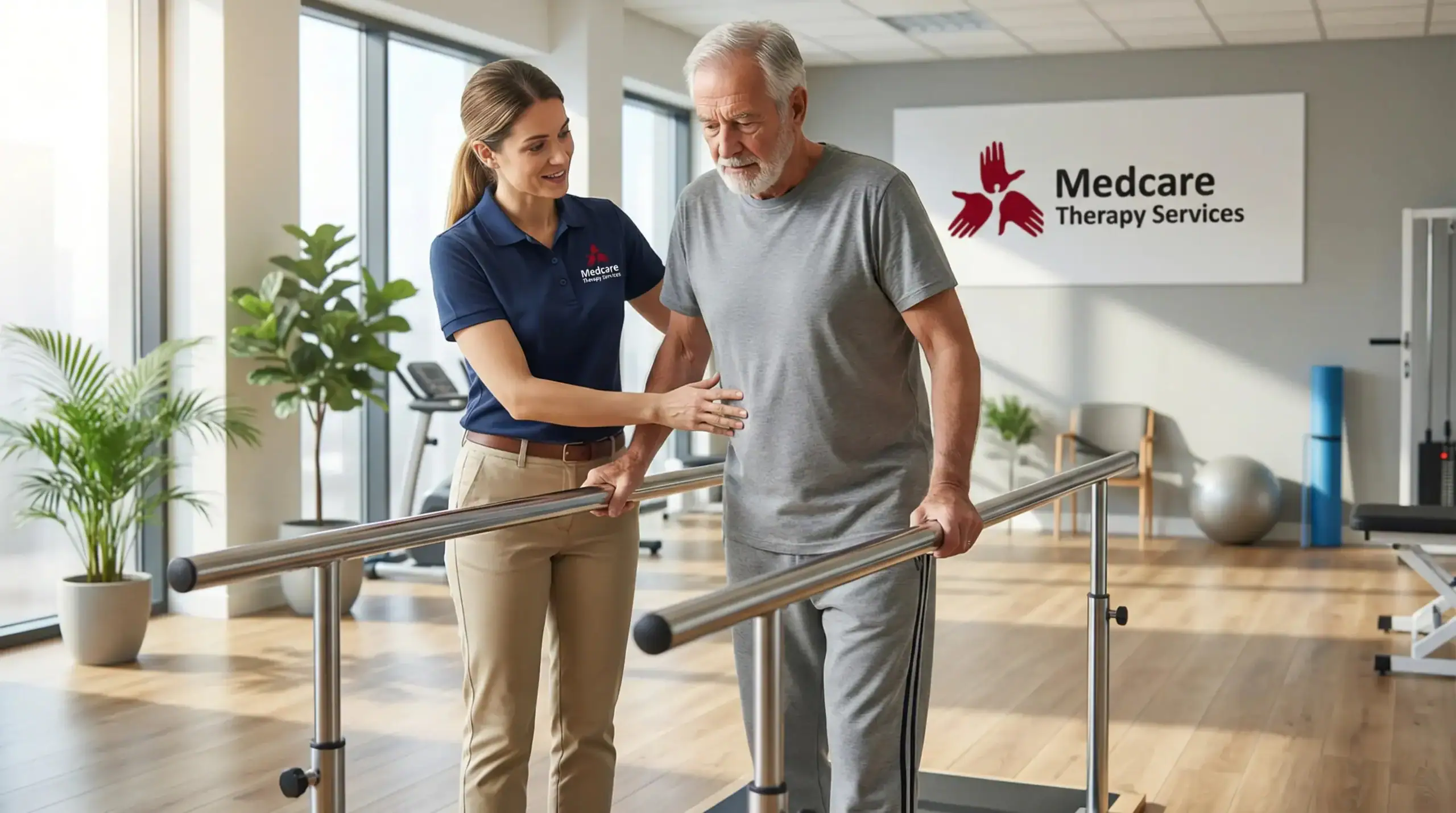
First, we assess where you’re actually at risk. That means reviewing your medical history, medications, past falls or close calls, and any conditions affecting your balance. Then we watch you move—how you walk, how you turn, how you recover when you’re off-balance.
From there, we build a program specific to you. That might include gait training to improve how you walk, strength exercises targeting the legs and core, and balance drills that retrain your body’s reflexes. We also evaluate your home for hazards: loose rugs, poor lighting, furniture placement, bathroom safety.
Sessions happen in your home, usually two to three times per week for 11 to 12 weeks. Most programs are covered by Medicare. You’re not driving to a clinic or waiting in a lobby. You’re working with a licensed therapist in the environment where you actually live, which makes the training more relevant and the results more lasting.
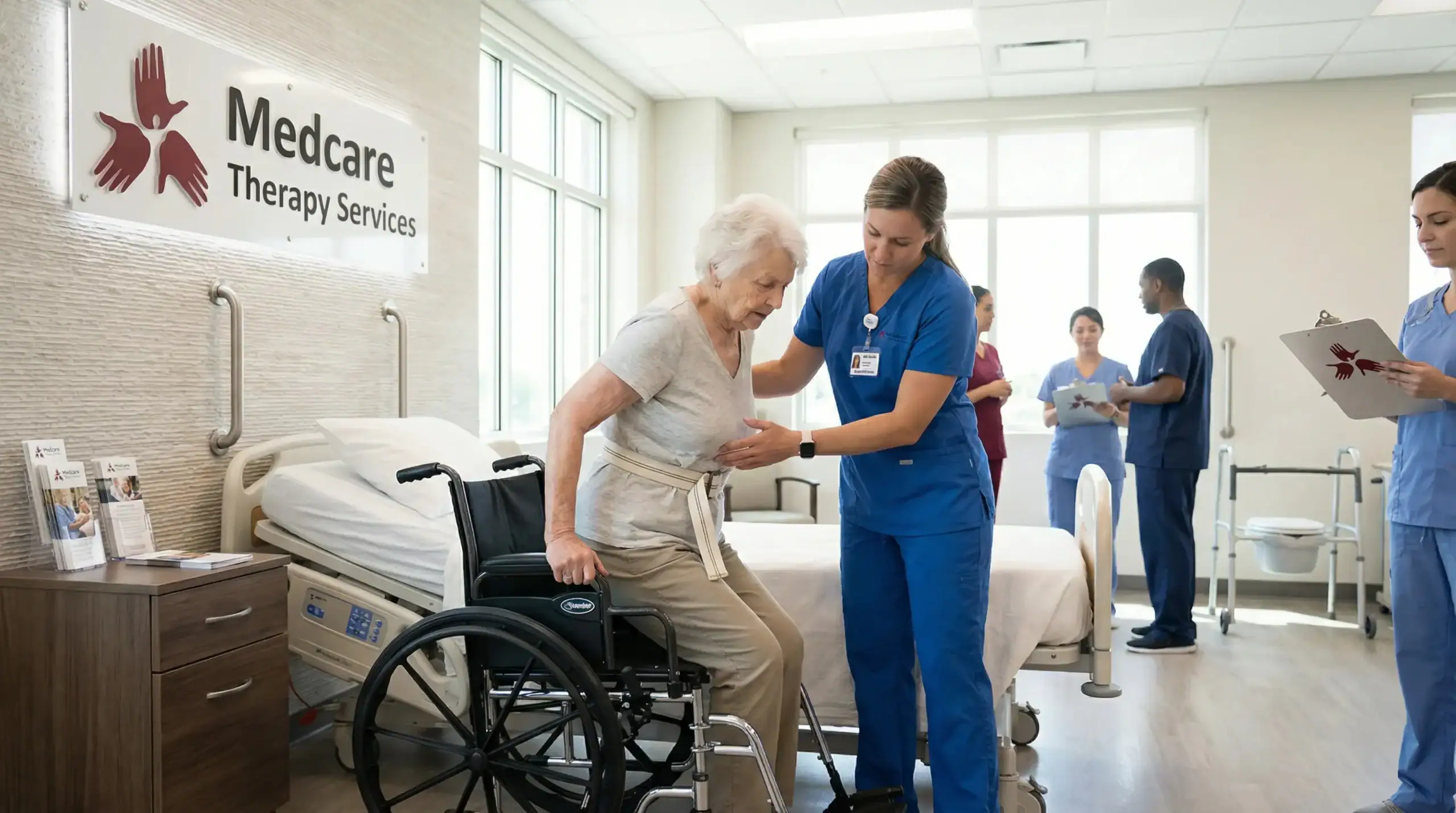
Ready to get started?
You’ll receive a full fall risk assessment that identifies every factor contributing to your risk—medications, vision issues, muscle weakness, coordination problems, or environmental hazards. We don’t skip steps.
Your therapy plan includes senior balance exercises tailored to your current ability. These aren’t generic stretches. They’re evidence-based movements proven to reduce falls in older adults, progressed at your pace. You’ll also get gait restoration training if your walking pattern has changed due to injury, surgery, or simply years of compensating for weakness.
We conduct a home safety evaluation and provide specific recommendations: grab bar placement, lighting improvements, clutter removal, and other modifications that make your space safer without making it feel institutional.
Long Island’s senior population grew by over 113,000 in the past decade, with many choosing to stay in their homes rather than relocate. But more than half of fall-related hospitalizations among older adults happen at home. The goal isn’t just to prevent a fall—it’s to let you live fully in the place you’ve chosen to be.
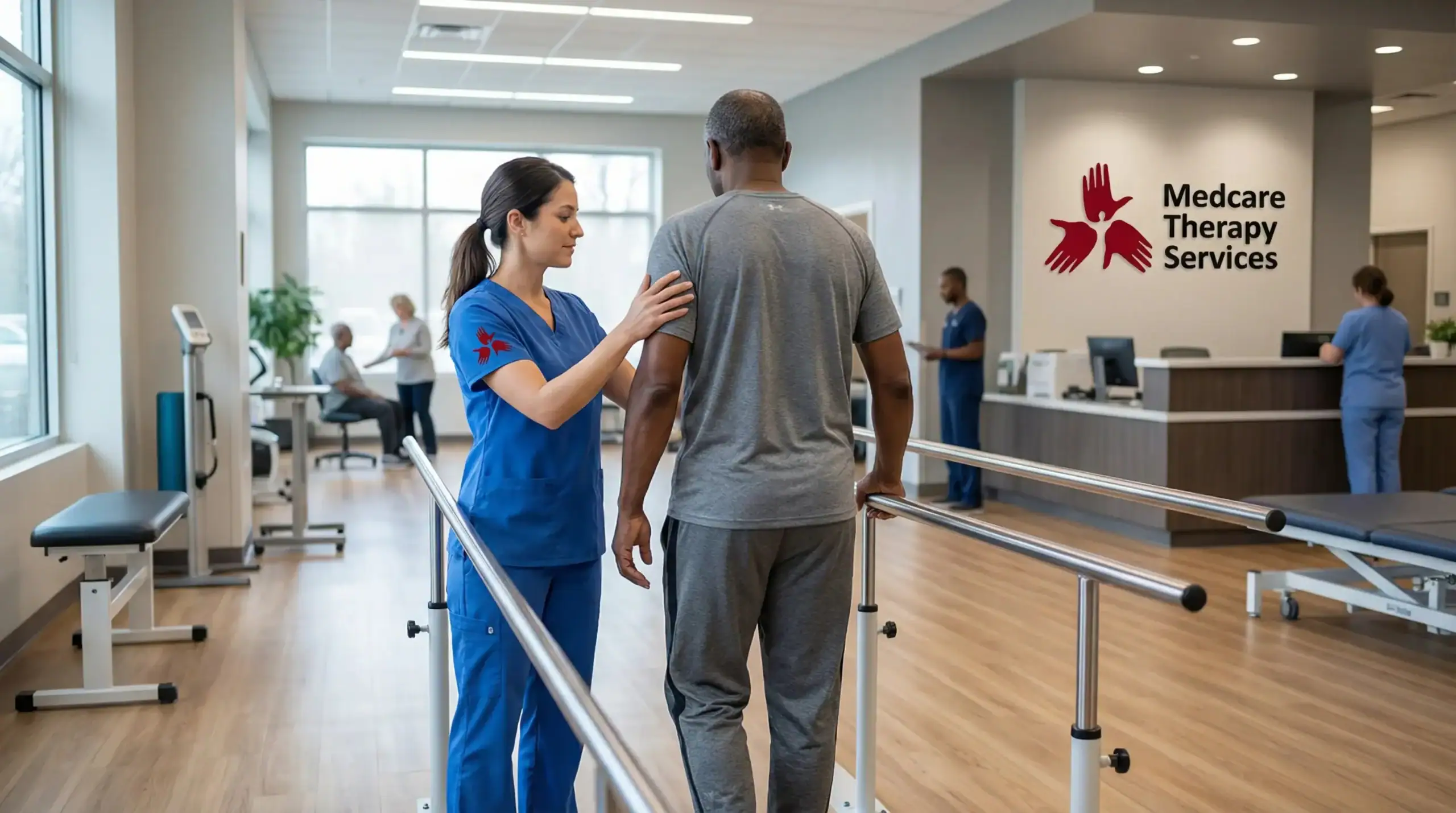
If you’ve fallen in the past year, you’re at higher risk. If you’ve had a close call or felt unsteady, that counts too.
Other signs include difficulty getting up from a chair without using your arms, needing to hold onto walls or furniture when walking, or avoiding certain activities because you’re worried about balance. Changes in how you walk—shorter steps, shuffling, or walking more slowly—are also red flags.
Medications matter. If you take four or more prescriptions, especially blood pressure meds, sedatives, or anything that causes dizziness, your fall risk goes up. Vision problems, foot pain, and conditions like arthritis or neuropathy all contribute. We assess all of this during your first visit and give you a clear picture of where you stand.
Yes. Research shows that balance training improves stability, gait, and posture even in adults over 80.
The key is consistency. Programs that run 11 to 12 weeks with three sessions per week produce measurable results. You’re not just doing random exercises—you’re retraining your body’s neuromuscular system to respond faster and more effectively when you lose balance.
Strength matters too. Weak legs and core muscles make it harder to catch yourself. We combine balance drills with targeted strengthening so your body has both the reflexes and the power to stay upright. It’s not about becoming an athlete. It’s about having enough control and confidence to move through your day without fear.
Medicare Part B covers outpatient physical therapy and occupational therapy when it’s medically necessary, which includes fall prevention if you meet clinical criteria.
That usually means you’ve had a fall, you’re at high risk based on assessment, or you have a condition affecting balance or mobility. Your doctor provides a referral, and we handle the rest—verification, authorization, and billing.
Most people pay a copay or coinsurance depending on their plan. We also accept most commercial insurance. The advantage of in-home therapy is that it eliminates transportation, which is often a barrier for seniors who no longer drive or have mobility challenges. You get the same quality of care without the logistical hassle.
We use Otago fall prevention protocols, which are evidence-based exercises specifically designed to reduce falls in older adults. This isn’t a generic PT program adapted for seniors—it’s a specialized approach built around what actually works.
Otago includes balance retraining, strength exercises, and a walking plan, all individualized based on your risk factors and abilities. Studies show it reduces falls by 35% when done correctly.
We also focus on your home environment, which is where 60% of fall-related hospitalizations occur. A therapist who only works in a clinic can’t see the uneven threshold in your hallway or the poor lighting in your bathroom. We assess your actual living space and make recommendations that address real hazards, not theoretical ones.
Most people notice changes within four to six weeks if they’re consistent with exercises and attending sessions. That might mean feeling steadier when standing, walking with more confidence, or reacting better when they start to lose balance.
Full programs typically run 11 to 12 weeks because that’s how long it takes to create lasting neuromuscular changes. Balance isn’t just about strength—it’s about retraining the communication between your brain, nerves, and muscles.
After the formal program ends, you’ll have a maintenance plan to continue on your own. The improvements don’t disappear if you stop completely, but like any physical skill, balance needs ongoing practice. We give you the tools to keep progressing without needing a therapist in your home indefinitely.
Fear of falling is one of the biggest reasons people stop doing activities they enjoy, which actually makes the problem worse. Less activity leads to weaker muscles and worse balance, which increases fall risk.
We address the fear directly by rebuilding your physical capability and your confidence at the same time. You’ll practice movements in a controlled way with a therapist present, which helps you trust your body again.
We also teach you how to recover if you do start to fall—weight shifting, stepping strategies, and how to get up safely if you do go down. Knowing you have those skills reduces anxiety. You’re not ignoring the risk or pretending it doesn’t exist. You’re learning how to manage it, which is a completely different mindset than just being careful and hoping for the best.
Other Services we provide in Sagaponack