
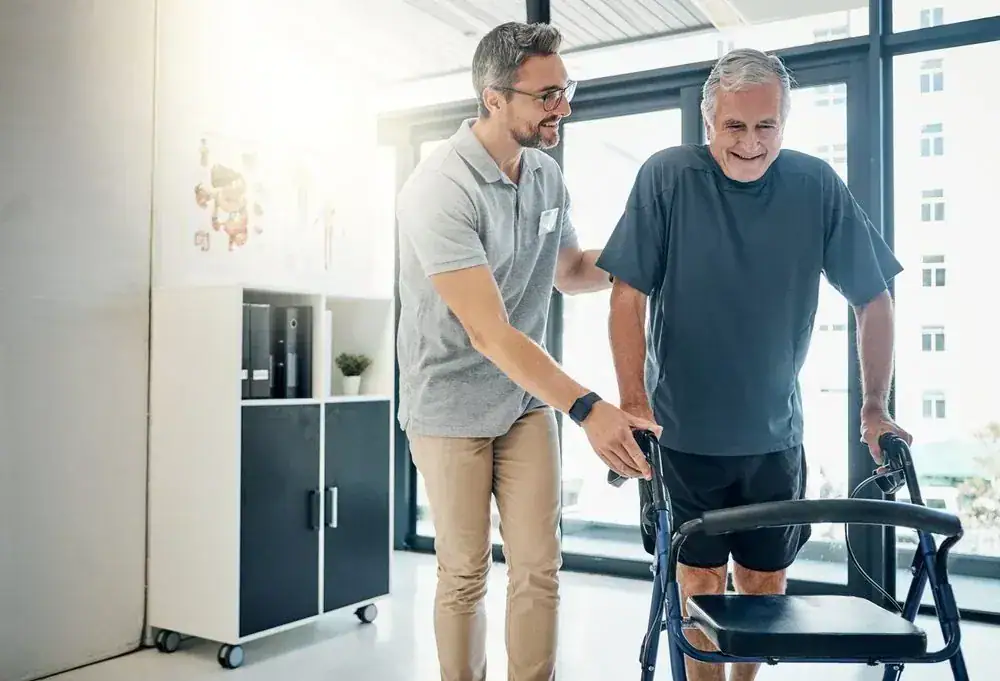
You’re not imagining it. That unsteadiness when you stand up, the hesitation before walking down stairs, the way you grab for support more often—it’s real, and it matters.
Balance issues don’t fix themselves. They get worse. And every day you wait, your world gets a little smaller.
Physical therapy for balance changes that. Research shows the right program can cut your fall risk in half. Not by wrapping you in bubble wrap or telling you to slow down, but by rebuilding the strength, coordination, and confidence your body needs to move the way it used to.
You’ll walk faster. You’ll feel steadier. You’ll stop second-guessing every step and start living like yourself again.
That’s what happens when balance exercises for seniors are done right—targeted to your specific weaknesses, progressed at your pace, and built around keeping you independent in your own home.
We’ve been helping people across Long Island stay active and independent for years. Our physical therapists don’t guess—we assess, measure, and build programs based on what actually reduces fall risk.
We follow CDC guidelines and research-backed protocols, but we don’t treat you like a statistic. Every program is built around your specific balance challenges, your home environment, and your goals.
Sag Harbor and the surrounding East End communities deserve care that’s both professional and personal. You’ll work with the same therapist each visit, in a setting that’s safe and supportive, with a team that actually listens when you talk about what’s hard and what you’re afraid of.
We’ve helped people in Amagansett, East Hampton, Bridgehampton, and across the Hamptons regain their footing—literally. You’re not starting from scratch. You’re working with people who’ve done this hundreds of times.
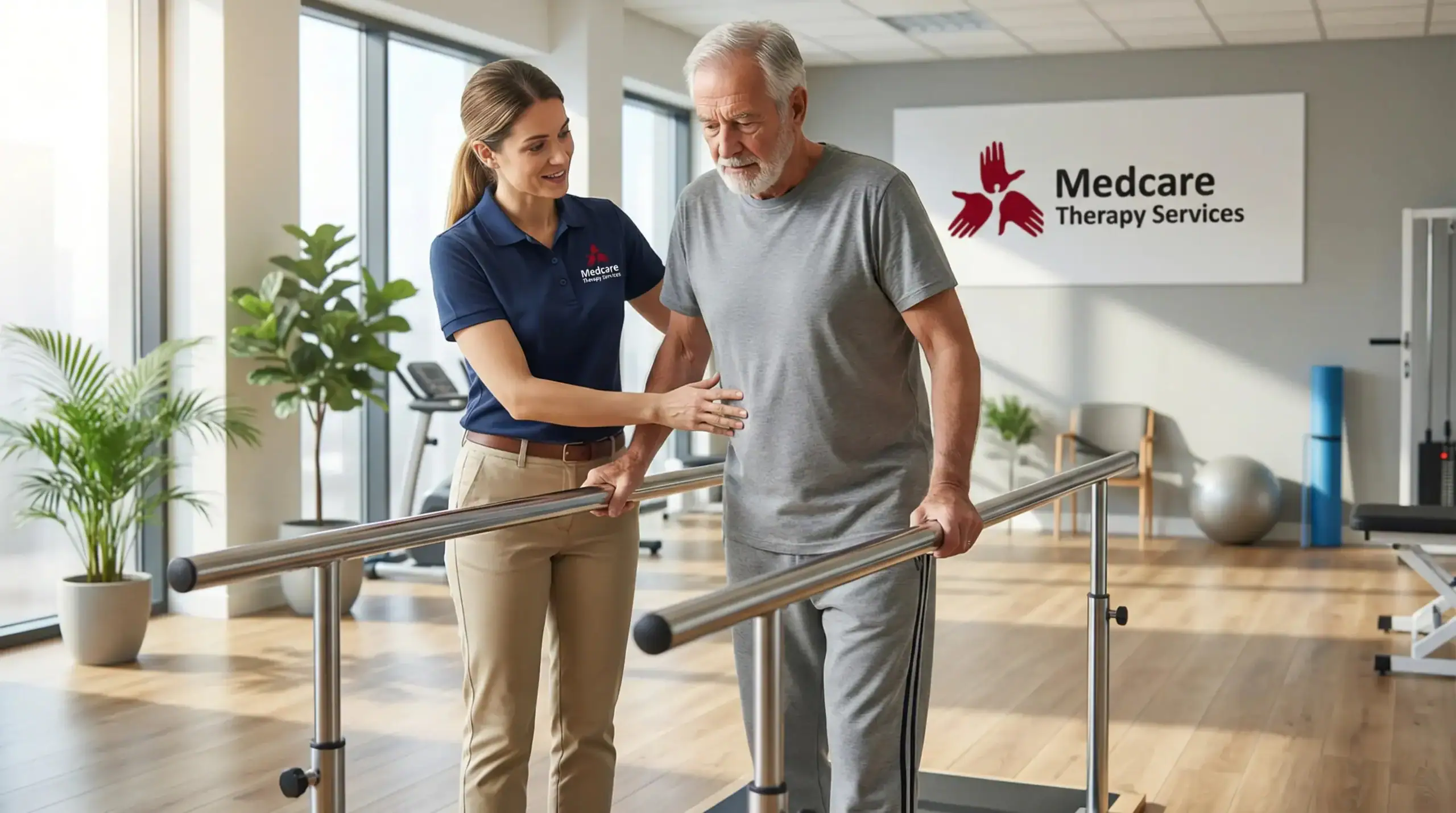
Your first visit is an evaluation. We test your balance, your gait, your strength, and your reaction time. We look at how you move, where you compensate, and what puts you at risk. This isn’t a questionnaire—it’s a functional assessment that tells us exactly what needs work.
From there, we build a program. You’ll do exercises that challenge your balance in controlled ways—standing on different surfaces, shifting your weight, moving your head while walking, practicing the specific movements that feel unstable. It’s progressive, so you’re never thrown into something unsafe, but you’re also not babied.
Sessions are typically twice a week. You’ll work one-on-one with a licensed physical therapist who adjusts your program as you improve. We also give you exercises to do at home, because consistency is what makes the difference.
Most people start feeling steadier within a few weeks. The fear starts to lift. You stop thinking about every step. And over time, you rebuild the confidence to move through your day without that constant low-level anxiety.

Ready to get started?
You’ll get a full fall risk assessment that measures balance, strength, walking speed, and environmental factors. We identify what’s contributing to your instability—weak hips, poor ankle mobility, vision issues, medication side effects, or hazards in your home.
Your program includes strength training for your legs and core, balance exercises that mimic real-life challenges, gait training to improve how you walk, and dual-task exercises that help you stay steady even when you’re distracted or doing two things at once. These aren’t generic senior fitness routines. They’re targeted interventions based on what research shows actually prevents falls.
For Sag Harbor residents, this matters even more. Many homes here have stairs, uneven outdoor surfaces, and older layouts that weren’t designed with aging in place in mind. We address those specifics. If your biggest fear is walking on the beach or navigating your deck, we work on that.
You’ll also get education—how to get up if you do fall, how to arrange your home to reduce risk, and how to talk to your doctor about medications that might be affecting your balance. It’s a complete approach, not just exercise.
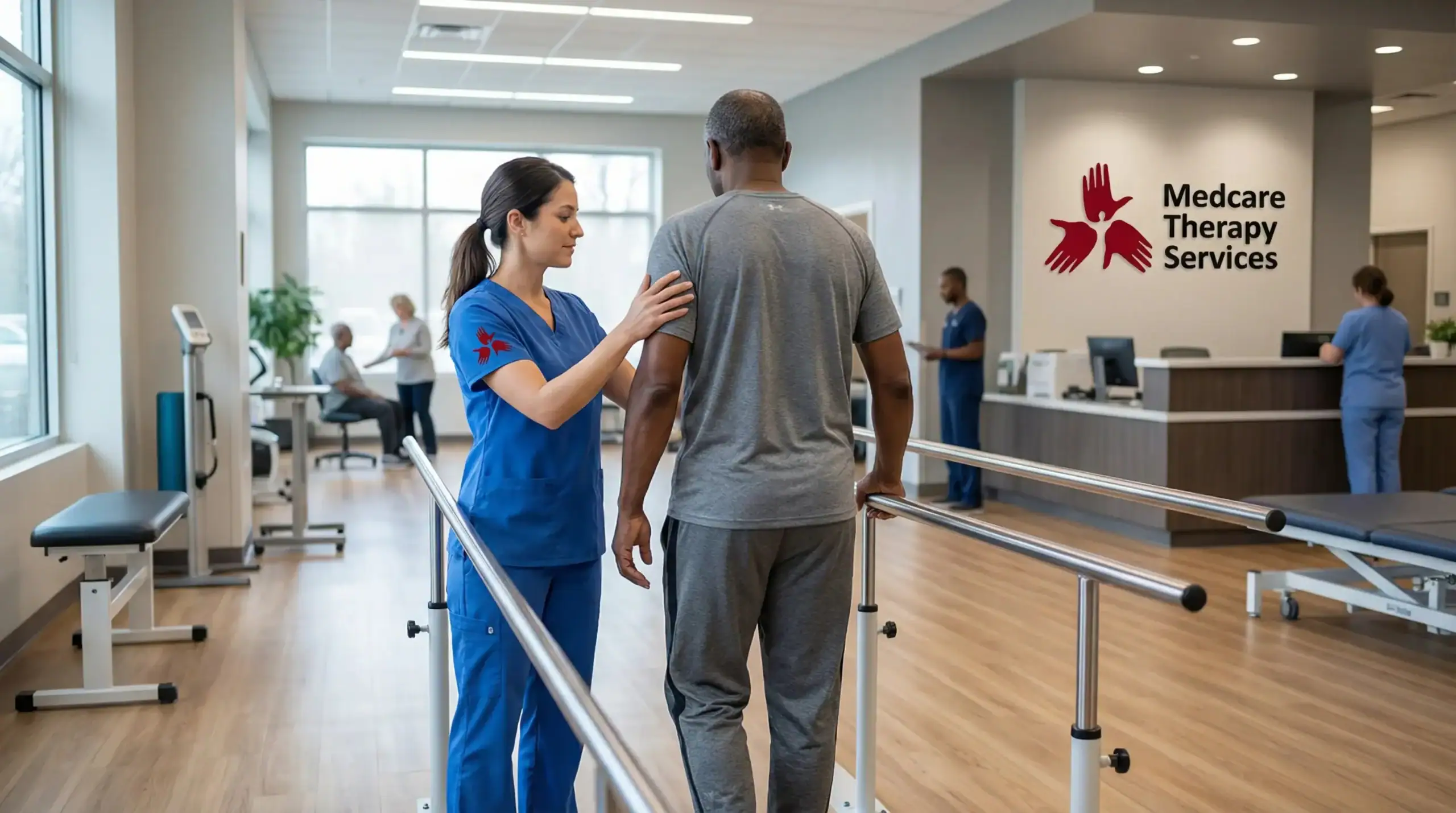
If you’ve fallen in the last year, you need it. Falling once doubles your chance of falling again, and the second fall is usually worse.
But you don’t have to wait for a fall. If you feel unsteady when you stand up, if you grab onto furniture or walls more than you used to, if you’ve stopped doing activities because you’re afraid of losing your balance—those are signs your balance is declining.
Other red flags: you’ve had a close call where you almost fell, you feel dizzy or lightheaded when you move, you’re walking slower than you used to, or your doctor has mentioned concerns about your gait or stability. Even if you haven’t fallen yet, addressing balance issues now can prevent the fall that changes everything.
You’ll do exercises that challenge your balance in safe, controlled ways. That might mean standing on one leg, walking heel-to-toe, shifting your weight side to side, or standing on foam or uneven surfaces.
We also incorporate dual-task training—things like walking while counting backwards or balancing while turning your head. That’s because most falls don’t happen when you’re standing still and focused. They happen when you’re distracted, reaching for something, or doing two things at once.
Strength work is part of it too. Weak hips and ankles make you unstable, so we’ll work on exercises that target those areas. You’ll also practice getting up and down from chairs, stepping over obstacles, and moving in ways that mimic your daily life. The goal is to make you stronger and steadier in the situations where you actually need it.
Most people notice a difference within three to four weeks. You’ll feel more stable, move with more confidence, and start trusting your body again.
A full program typically runs eight to twelve weeks, depending on your starting point and goals. That’s enough time to build real strength, retrain your balance systems, and create habits that stick.
But here’s the thing—you don’t stop after therapy ends. The exercises we teach you become part of your routine. Balance is like any other physical skill. If you don’t maintain it, it declines. We’ll give you a home program you can keep doing long-term, and you can always come back for tune-ups if you feel yourself slipping.
Yes, in most cases. If your doctor writes a prescription for physical therapy due to balance issues, gait problems, or fall risk, Medicare Part B typically covers it as medically necessary treatment.
You’ll have a copay or coinsurance depending on your plan, but the therapy itself is covered. Some Medicare Advantage plans also cover fall prevention as part of wellness benefits, even without a recent fall.
The key is getting a referral from your physician. If your doctor hasn’t brought it up, ask. Many seniors don’t realize they qualify until they specifically request it. We can also verify your coverage before you start, so there are no surprises.
You can do exercises at home, but without an assessment, you won’t know what you actually need to work on. Balance problems have different causes—inner ear issues, muscle weakness, nerve damage, vision problems—and the exercises that help one person might not help you.
A physical therapist identifies your specific deficits and builds a program around them. We also make sure you’re doing exercises correctly and progressing safely. Doing the wrong exercises, or doing them wrong, won’t help. Worse, it could increase your fall risk if you’re challenging yourself in ways your body isn’t ready for.
Once you’ve been through a program, yes—you can and should continue exercises at home. But starting with professional guidance gives you a much better chance of actually reducing your fall risk instead of just hoping for the best.
Fitness classes are general. Physical therapy is specific. A class might improve your overall fitness, but it won’t address the particular reasons you’re unsteady.
We assess you individually. We measure your balance, test your strength, watch how you walk, and figure out exactly what’s putting you at risk. Then we build a program that targets those issues. You’re not doing the same exercises as everyone else in a room—you’re doing the exercises your body needs.
You also get one-on-one attention from a licensed therapist who adjusts your program as you improve and catches problems before they become injuries. If you have arthritis, neuropathy, a previous stroke, or other conditions that affect your movement, we work around them. Group classes can’t do that. This is medical-grade treatment, not recreational activity.
Other Services we provide in Sag Harbor