
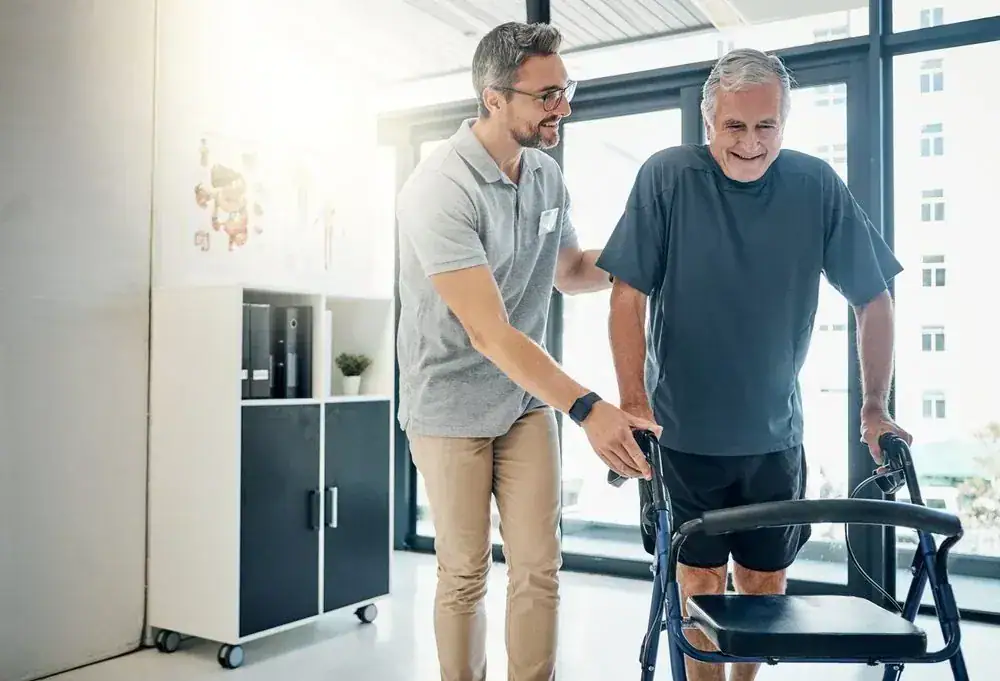
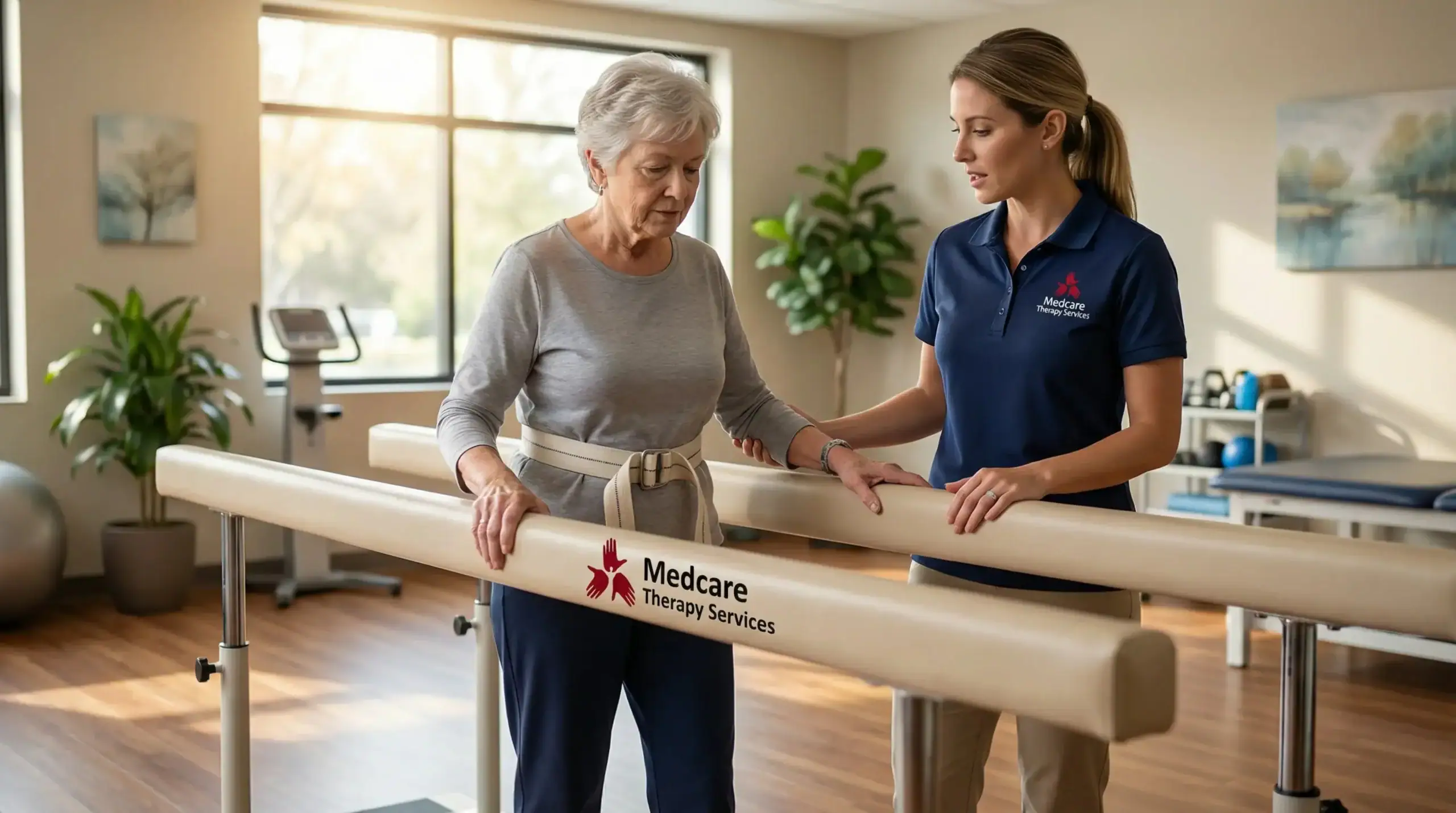
Falling once changes everything. You start second-guessing every step. You avoid activities you used to love. You worry about becoming a burden to your family.
Here’s what most people don’t realize: falling isn’t just bad luck. More than 1 in 4 adults over 65 fall each year, but the right balance exercises can cut that risk in half. The difference is having a plan that actually addresses why you’re unsteady in the first place.
Our fall prevention program starts with understanding your specific risk factors—medications, vision changes, home hazards, muscle weakness, or balance issues. Then we build a personalized plan using proven exercises that strengthen the exact muscles you need for stability. You’ll practice real movements you do every day: getting out of bed, reaching for items, walking on different surfaces, recovering if you start to lose balance.
The goal isn’t just fewer falls. It’s getting back to your routine without that constant fear. It’s walking to the mailbox, playing with grandkids, and staying in your Saddle Rock home as long as you want.
We’ve been providing home-based physical therapy across Nassau County for over a decade. Our therapists are trained in the Otago Exercise Program—a 17-exercise protocol specifically designed for older adults who’ve fallen or feel unsteady.
We know Saddle Rock. We know that nearly a third of residents here are 65 or older, and many want to age in place in homes they’ve lived in for decades. We also know that transportation can be a barrier, which is why we come to you.
Every therapist on our team is Medicare-certified and follows the same approach: assess thoroughly, explain clearly, and treat you like family. We’re not rushing through appointments or handing you a generic exercise sheet. We’re building a program that fits your home, your goals, and your current abilities.

Your first visit is all about understanding where you are now. We review your medical history, medications, any previous falls or injuries, and what activities you’re avoiding because of balance concerns. Then we do a movement assessment—watching how you walk, how you get up from a chair, how you turn, and how you respond when your balance is challenged.
From there, we create your personalized exercise plan. These aren’t random stretches. They’re targeted strength and balance exercises proven to reduce fall risk. You’ll work on leg strength, coordination, reaction time, and confidence. We also walk through your home and identify hazards: loose rugs, poor lighting, clutter, bathroom risks, or anything else that increases your chance of falling.
Each session builds on the last. We adjust exercises as you get stronger. We add complexity as your balance improves. And we keep your family in the loop so everyone understands how to support your progress.
Most people see measurable improvement in 8-12 weeks. But the real result is what you can do six months from now—still living independently, still active, still steady on your feet.

Ready to get started?
You’ll get a comprehensive fall risk assessment that covers medical history, medication review, gait analysis, balance testing, and strength evaluation. This isn’t a quick screening—it’s a detailed look at every factor that could contribute to a fall.
Your exercise program is based on the Otago protocol, which includes strength training for your legs and ankles, balance exercises that challenge your stability in safe ways, and walking plans that build endurance. Each exercise is demonstrated in your home and adjusted to your current ability level.
We also provide a home safety evaluation. In Saddle Rock, many homes have stairs, multiple levels, and older layouts that weren’t designed with fall prevention in mind. We’ll identify specific changes—grab bars, lighting, furniture placement, bathroom modifications—that make your home safer without requiring a full renovation.
Family and caregiver education is part of the program too. If you have someone helping you at home, we’ll teach them proper transfer techniques, positioning, and how to assist without creating dependence. And because we accept Medicare, most of our services are covered under your outpatient physical therapy benefit.

If you’ve fallen in the past year, you need fall prevention therapy. Falling once doubles your risk of falling again, and every fall increases the chance of serious injury like a hip fracture.
But you don’t have to wait until you fall. If you feel unsteady when you walk, if you’re holding onto walls or furniture more than you used to, if you’ve had any close calls, or if you’re avoiding activities because you’re afraid of falling—those are all signs that your balance needs attention.
Other red flags include taking four or more medications (which increases fall risk), having vision changes, experiencing dizziness, or noticing that your legs feel weaker. Even if you haven’t fallen yet, addressing these issues now can prevent a fall that could change your life. The best time to start fall prevention is before you actually fall.
The Otago Exercise Program is specifically designed for older adults at risk of falling. It’s not general fitness—it’s a research-backed protocol that targets the exact muscle groups and balance systems you need to stay upright.
The program includes 17 exercises that progress in difficulty as you get stronger. You’ll work on ankle strength (critical for catching yourself), leg strength (needed to stand up and walk safely), and balance challenges that mimic real-life situations. The exercises are done at home with minimal equipment, and they’re designed to fit into your daily routine.
What makes Otago effective is the progression and the specificity. Studies show it can reduce falls by up to 35% in people who’ve already fallen. Our therapists are trained in this exact protocol, so you’re not getting a watered-down version. You’re getting the program that’s been proven to work in clinical trials, adapted to your current abilities and your specific home environment.
Yes. Medicare Part B covers outpatient physical therapy when it’s medically necessary, and fall prevention absolutely qualifies. If you’ve fallen, if you’re at high risk of falling, or if you have a condition that affects your balance, Medicare will typically cover your therapy sessions.
There’s no requirement to get a referral first, though some people prefer to talk to their doctor before starting. We handle all the Medicare billing directly, so you don’t have to file claims or deal with paperwork. Your out-of-pocket cost depends on whether you’ve met your deductible and what your specific plan covers, but most people pay a standard copay per session.
We’ll verify your benefits before we start and let you know exactly what to expect. And because we come to your home in Saddle Rock, you’re not paying for transportation or dealing with the hassle of getting to an office. The therapy happens where you actually live and move, which makes it more effective anyway.
Most people see significant improvement in 8 to 12 weeks, but the timeline depends on your starting point and your goals. If you’re recovering from a recent fall or injury, it might take longer. If you’re relatively strong but just need better balance training, you might progress faster.
We typically start with two visits per week, then reduce frequency as you get stronger and more confident. The goal is to teach you exercises you can continue on your own, so you’re not dependent on therapy forever. By the end of the program, you should have a routine you can maintain at home to keep your strength and balance where they need to be.
That said, fall prevention isn’t a one-and-done thing. Your risk factors can change as you age, as your medications change, or as your health changes. Some people continue with monthly check-ins or come back for a refresher if they notice their balance declining. The key is catching issues early, before they turn into falls.
We walk through your entire home and identify anything that increases your fall risk. That includes obvious hazards like loose rugs, clutter, poor lighting, or uneven flooring. But we also look at things you might not notice: bathroom layouts that make transfers risky, stairs without proper handrails, furniture arrangements that force you to reach or stretch awkwardly.
In Saddle Rock, many homes have features that are beautiful but not always safe for older adults—hardwood floors that can be slippery, multiple levels, older bathrooms without grab bars. We’ll point out specific changes that make a difference. Sometimes it’s as simple as moving a lamp or removing a rug. Other times we’ll recommend installing grab bars, improving lighting, or rearranging furniture.
You’ll get a written list of recommendations prioritized by risk level. We’re not telling you to renovate your whole house. We’re identifying the changes that have the biggest impact on your safety. And we’ll work with your family to make sure the modifications actually happen, because a recommendation doesn’t help if it’s never implemented.
Absolutely. In fact, people who’ve fallen multiple times often benefit the most from a structured fall prevention program. Each fall teaches us something about your specific risk factors, and we can address those directly.
If you’ve fallen more than once, we’ll look closely at the circumstances of each fall. Were you rushing? Was it a certain time of day? Were you doing a specific activity? Were you wearing certain shoes? Patterns matter, and once we identify them, we can build strategies to break the cycle.
The exercises will focus on the weaknesses that contributed to your falls—whether that’s leg strength, reaction time, balance recovery, or confidence. We’ll also be more aggressive about home modifications and might involve your family more closely in your safety plan. Multiple falls mean higher risk, but they also mean there’s a clear need for intervention. The sooner you start, the sooner you can break the pattern and regain control.
Other Services we provide in Saddle Rock