
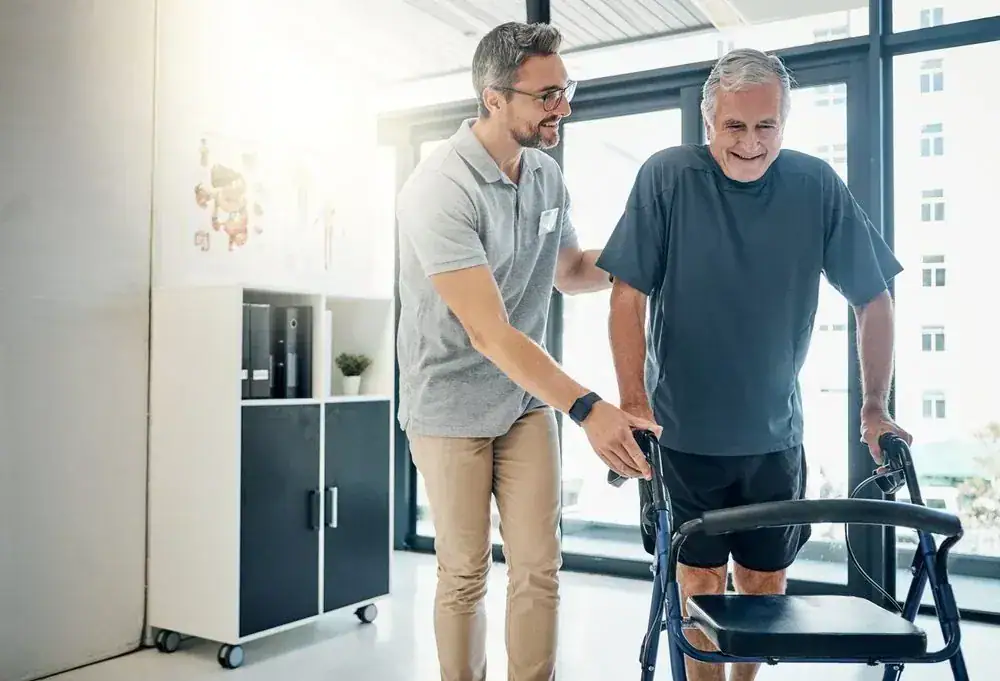
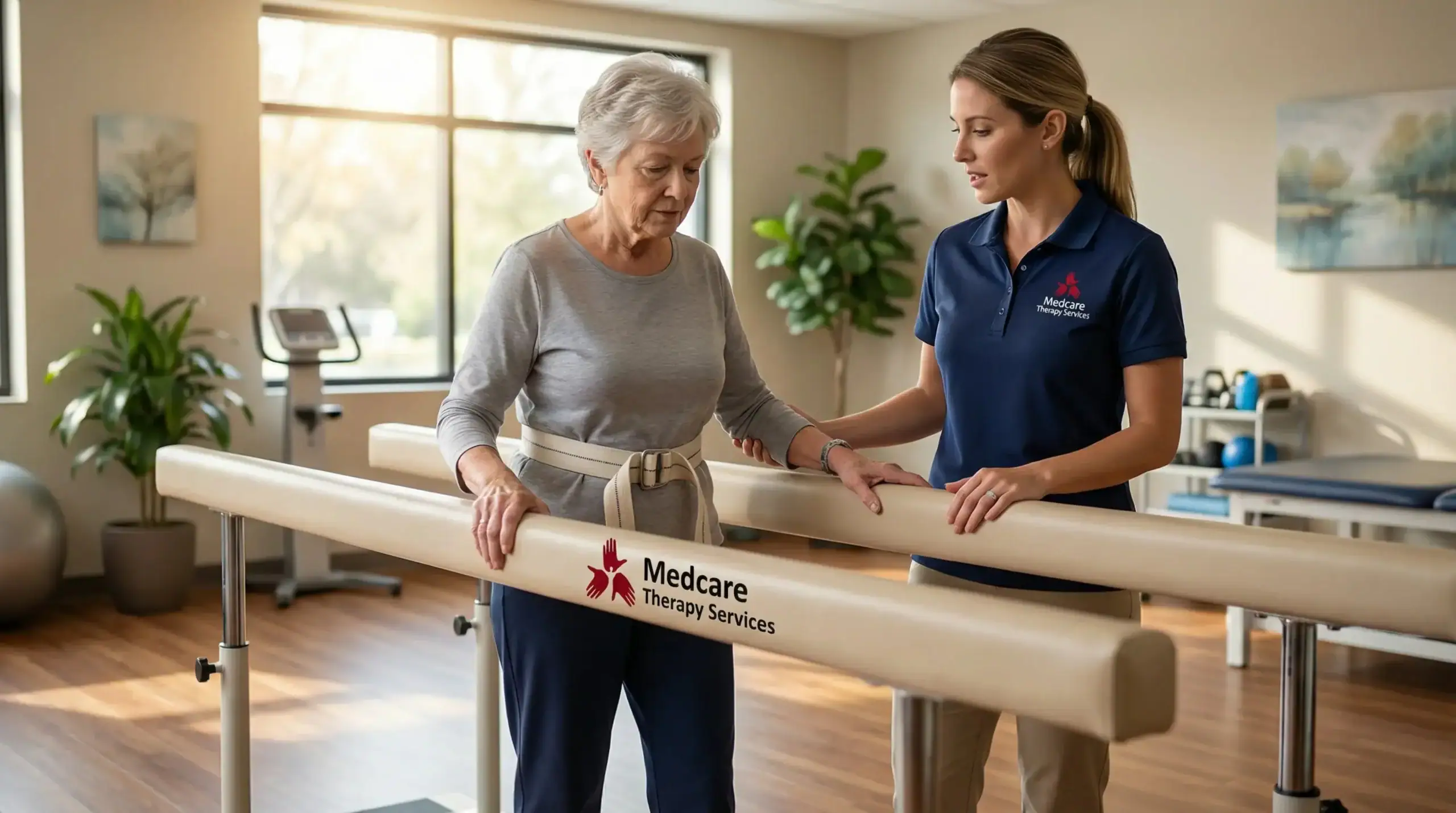
You stop second-guessing every step. Getting up from a chair doesn’t require a strategy. Walking to the mailbox or down your hallway feels automatic again, not like a calculated risk.
That’s what happens when balance training actually works. Your muscles get stronger, your posture straightens out, and your brain relearns how to keep you upright without you having to think about it. Even adults over 80 see measurable improvements in gait and stability when the exercises are done consistently and correctly.
Falls aren’t just about getting hurt. They change how you live. One fall and suddenly you’re afraid to move, which makes you weaker, which makes falling again more likely. It’s a cycle that steals your independence piece by piece.
The goal here isn’t just avoiding a fall. It’s getting back to doing what you want without fear hanging over every movement. Research shows fall prevention programs can cut your risk by 30% to 35%. That’s not luck. That’s targeted work that addresses your specific weak points.
We bring Medicare-covered physical and occupational therapy directly to your home across Nassau County and Long Island. No commute, no waiting rooms, no rushing through your session because the next patient is already there.
We’ve been doing this since 2010, which means we’ve worked with hundreds of seniors in Roslyn Harbor and surrounding communities who were dealing with the same fears you might be facing right now. Our therapists are licensed, experienced, and part of the American Physical Therapy Association.
Nassau County ranks fourth in New York State for fall prevalence. That’s not a coincidence. Long Island’s aging population is growing fast, and many older adults are choosing to age in place. That’s exactly who we’re here for. You shouldn’t have to leave your home to get the care that helps you stay in it safely.
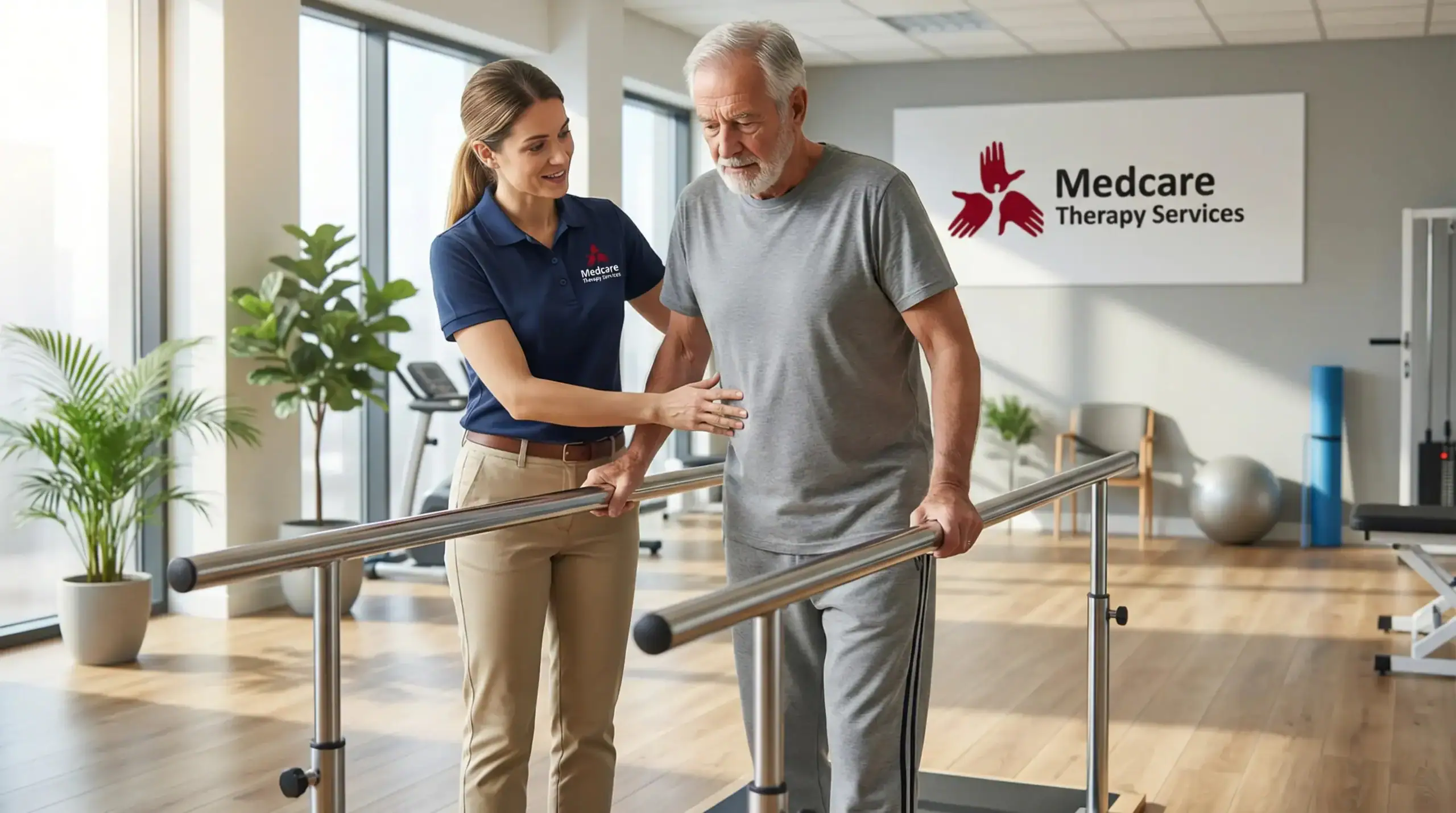
First, we assess where you’re at. A licensed physical therapist comes to your home and evaluates your balance, strength, gait, and any environmental hazards that might be increasing your risk. This isn’t a generic checklist. It’s specific to you, your home, and your health history.
Then we build a plan. The exercises are individualized based on what we found. Maybe your core is weak. Maybe your ankle stability is off. Maybe you’re not using your assistive device correctly, or you don’t need one at all but think you do. We address the actual problem, not a textbook version of it.
You’ll do targeted balance exercises and strength training designed to retrain the brain-body connection. These aren’t complicated moves. They’re safe, effective, and done in your own space where you’ll actually be moving around every day. We also work on how to fall safely and how to get back up if it happens, because preparation matters.
As you improve, we adjust. The goal is progress you can feel. Confidence you can measure. Independence you can maintain. Sessions are scheduled around your life, covered by Medicare, and focused entirely on keeping you stable and active for the long term.

Ready to get started?
You get a full fall risk assessment in your home. We look at your strength, balance, posture, walking pattern, medication side effects, and anything in your environment that could trip you up. This is where we figure out why you’re at risk, not just that you are.
Your treatment plan includes balance exercises tailored to your ability level, strength training to support your joints and core, gait training so your walking pattern becomes more stable, and assistive device training if you need it. Some people benefit from a cane or walker. Others don’t need one but are using one incorrectly, which actually increases fall risk.
We also teach fall recovery techniques. If a fall does happen, knowing how to protect yourself and get back up safely makes a massive difference. And we’ll walk through your home with you to point out hazards you might not notice anymore, like loose rugs, poor lighting, or clutter in walkways.
Here’s what matters for Roslyn Harbor and Nassau County residents: more than half of fall-related hospitalizations happen at home. You’re statistically more at risk here on Long Island than almost anywhere else in New York. But falls are preventable, and the interventions we use have decades of research backing them up. This isn’t experimental. It’s evidence-based care delivered where you need it most.
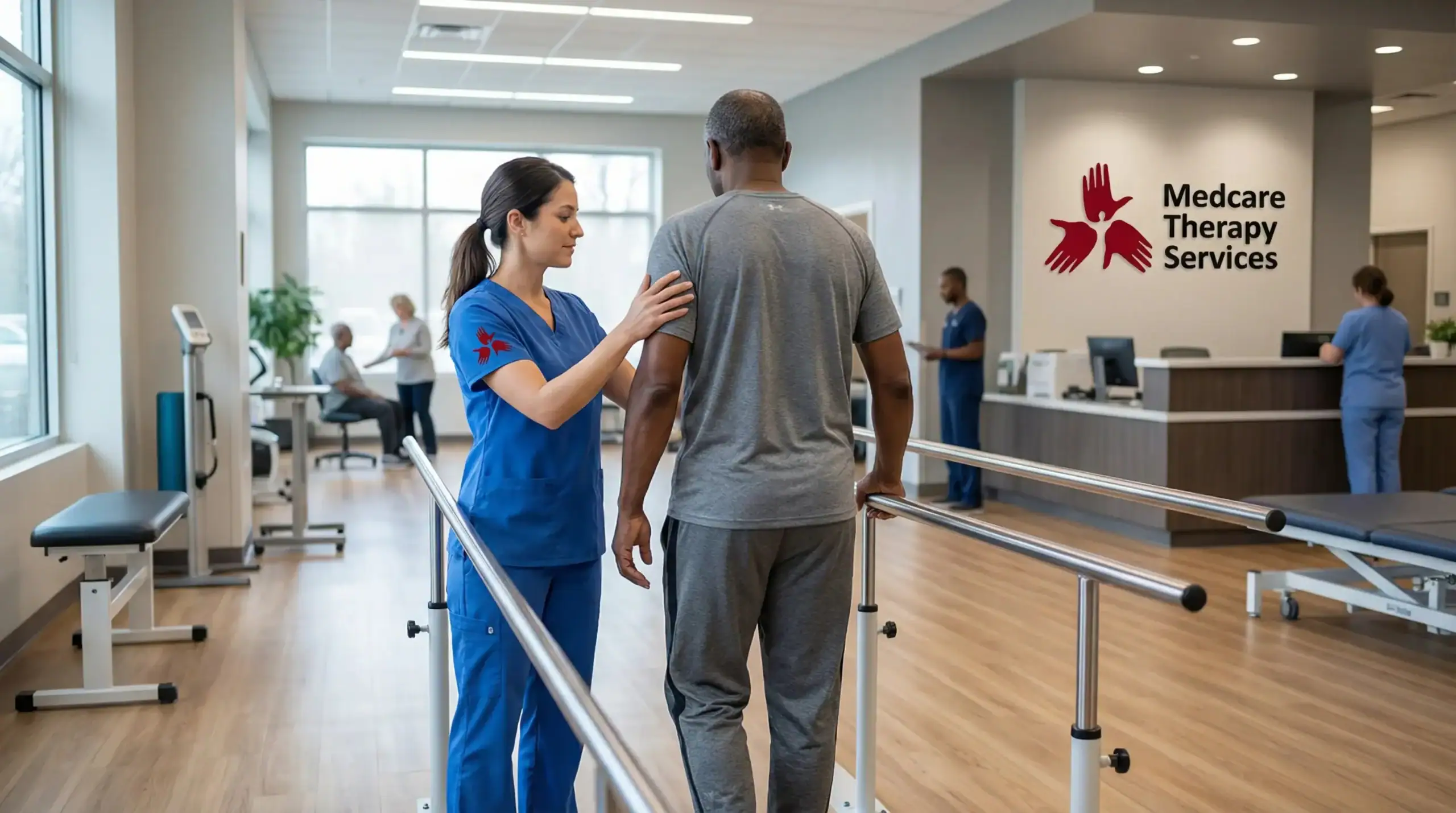
Most people start noticing improvements in balance and confidence within four to six weeks of consistent therapy. That said, fall prevention isn’t a quick fix. It’s a process of retraining your muscles, your posture, and your movement patterns.
The research is clear: fall prevention interventions can reduce your risk by 30% to 35%, but that requires sticking with the program. If you only show up for a session or two and then stop, the benefits won’t last. Your therapist will track your progress using measurable tests, so you’ll know exactly how much stronger and steadier you’re getting over time.
The timeline depends on your starting point. If you’ve already fallen multiple times or have significant weakness, it may take a bit longer to see major changes. But even small improvements matter. Being able to stand from a chair without using your arms, or walking without holding onto furniture, are real wins that make daily life easier and safer.
Yes. Medicare Part B covers outpatient physical therapy and occupational therapy when it’s medically necessary, which includes fall prevention if you’ve been assessed as at-risk. You’ll need a physician’s order, but most primary care doctors are more than willing to refer patients for this type of care, especially if you’ve already fallen or have conditions that increase your risk.
We accept Medicare and most commercial insurance plans. We handle the billing and verification process, so you’re not stuck navigating that on your own. Your out-of-pocket cost will depend on your specific plan, deductible, and whether you’ve met it for the year.
What won’t be covered is therapy that’s considered maintenance or not medically necessary. But if you’re at risk, have a documented need, and your doctor agrees therapy is appropriate, coverage typically isn’t an issue. We’ll go over all of this during your initial assessment so there are no surprises.
The exercises themselves might look similar. The difference is whether they’re right for you and whether you’re doing them safely. A physical therapist evaluates your specific impairments first. Maybe your balance issue is actually a strength problem. Maybe it’s vestibular. Maybe it’s related to neuropathy or medication side effects. You can’t know that from a YouTube video.
Doing the wrong exercises, or doing the right ones incorrectly, can actually increase your fall risk. If you’re already unsteady and you try a single-leg balance exercise without support nearby, that’s dangerous. A therapist makes sure you’re progressing at the right pace, using proper form, and not putting yourself at risk while you’re trying to get stronger.
There’s also accountability. Most people don’t stick with an exercise program on their own, especially if they’re not sure it’s working. A therapist tracks your progress, adjusts your plan as you improve, and keeps you consistent. That consistency is what leads to real, lasting results. Online videos are free, but they’re also generic. This is personalized, supervised, and a lot more effective.
It’s not too late. In fact, falling once is one of the strongest predictors that you’ll fall again, which makes starting fall prevention therapy even more important. After a fall, many people develop a fear of falling that leads them to move less. That inactivity causes weakness, which increases the likelihood of another fall. It’s a cycle, and therapy is designed to break it.
We work on rebuilding your strength and balance, but just as importantly, we work on rebuilding your confidence. Fear is a real barrier. If you’re afraid to move, you won’t get better. Part of our job is helping you feel safe enough to challenge yourself in a controlled way so you can get back to living without that constant worry.
Even if your first fall didn’t result in a serious injury, it’s a warning sign. Your body is telling you something isn’t working the way it should. The sooner you address it, the better your chances of avoiding a fall that does lead to a hospital stay, rehab, or worse. Falling once doesn’t mean you’re doomed to keep falling. It means it’s time to take action.
All of our fall prevention therapy happens in your home. That’s the whole point. You’re not at risk of falling at a clinic. You’re at risk in your kitchen, your bathroom, your bedroom. We need to see how you move in the space where you actually live.
In-home therapy also means we can assess environmental hazards that might be contributing to your fall risk. Loose rugs, poor lighting, clutter, furniture placement—these are things we can address on the spot. You’re also more likely to stick with your exercises when they’re designed for the space you’re in every day.
There’s no commute, no getting dressed up to go somewhere, no exposure to other people if you’re immunocompromised or just prefer to stay home. Your therapist comes to you, works with you one-on-one, and tailors everything to your environment and routine. For a lot of people, especially those who are already nervous about leaving the house, this makes all the difference in whether they actually follow through with treatment.
If you’re asking the question, you’re probably noticing something. Maybe you’ve felt unsteady a few times. Maybe you’ve caught yourself on furniture or a wall. Maybe you’re just not as confident moving around as you used to be. Those are all signs worth paying attention to.
There are also measurable risk factors. If you’re over 65, take multiple medications, have a chronic condition like Parkinson’s or arthritis, or have fallen before, your risk is higher. If you avoid certain activities because you’re afraid of falling, that’s another red flag. Even if you haven’t fallen yet, that fear and avoidance can lead to weakness, which then makes a fall more likely.
A physical therapist can do a formal fall risk assessment that includes balance tests, strength measurements, and a review of your medical history. It’s objective. You’ll know exactly where you stand and whether intervention makes sense. Being cautious is smart. But if that caution is keeping you from living your life, it’s worth finding out if there’s something you can do about it. Most of the time, there is.
Other Services we provide in Roslyn Harbor