
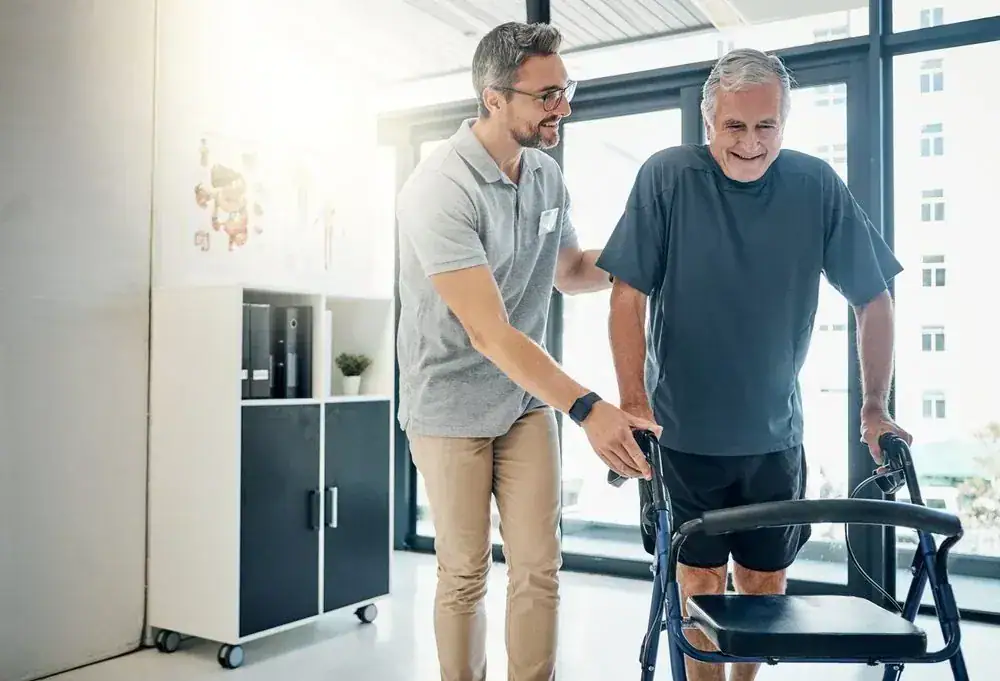
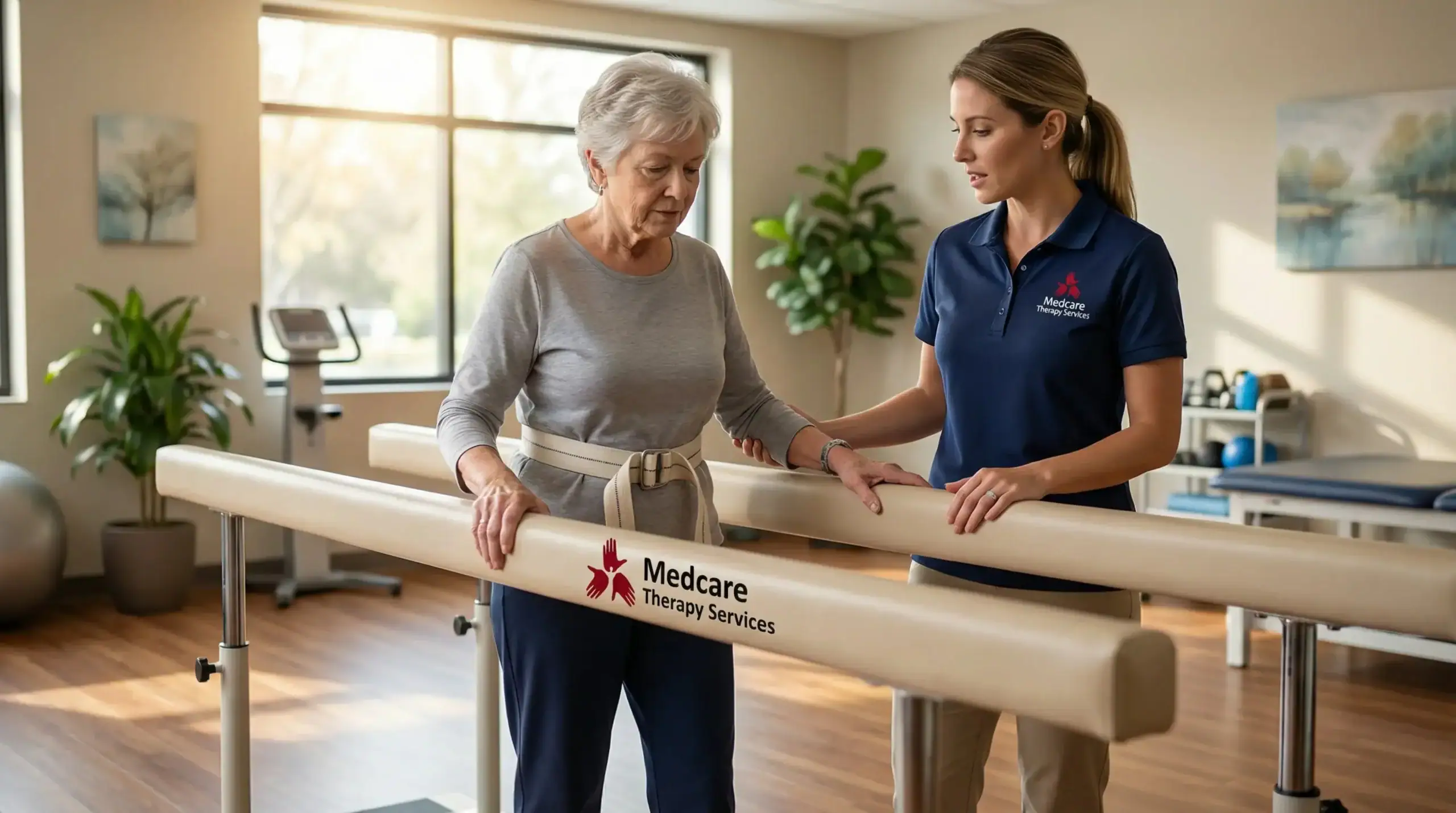
You know the statistics. Nassau County ranks 4th in New York State for fall-related incidents, and 88% of injury hospitalizations for adults over 65 here are due to falls. But statistics don’t capture what you’re actually dealing with—the hesitation before you walk to the mailbox, the second-guessing every time you reach for something on a high shelf, the nagging worry that keeps you from doing things you used to do without thinking.
Physical therapy for balance changes that. When you work with a licensed therapist who understands how your body moves and where your specific risks are, you’re not just doing generic exercises. You’re retraining your muscles, improving your coordination, and rebuilding the confidence that fear has been chipping away at.
The Otago Exercise Program we use has been studied extensively. Participants see a 35-40% reduction in falls. That’s not marketing language—that’s what happens when you commit to a program designed around how your body actually works. You get stronger. Your balance improves. You stop planning your entire day around avoiding a fall.
We’ve been serving Long Island communities since 2010, and we’ve built our reputation on something simple: showing up and doing the work. Our therapists are licensed, Medicare-certified, and trained specifically in elderly fall prevention programs that have been proven to work.
We’re not new to Rockville Centre or Nassau County. We understand the housing stock here—the split-levels, the older homes with stairs, the layouts that weren’t designed with aging in place in mind. We know what you’re dealing with because we’ve been in hundreds of homes just like yours.
You’re not getting a one-size-fits-all approach. Every assessment we do is thorough because your fall risk isn’t the same as your neighbor’s. Your medication list, your vision changes, your specific balance issues—all of it matters, and all of it shapes the program we build with you.
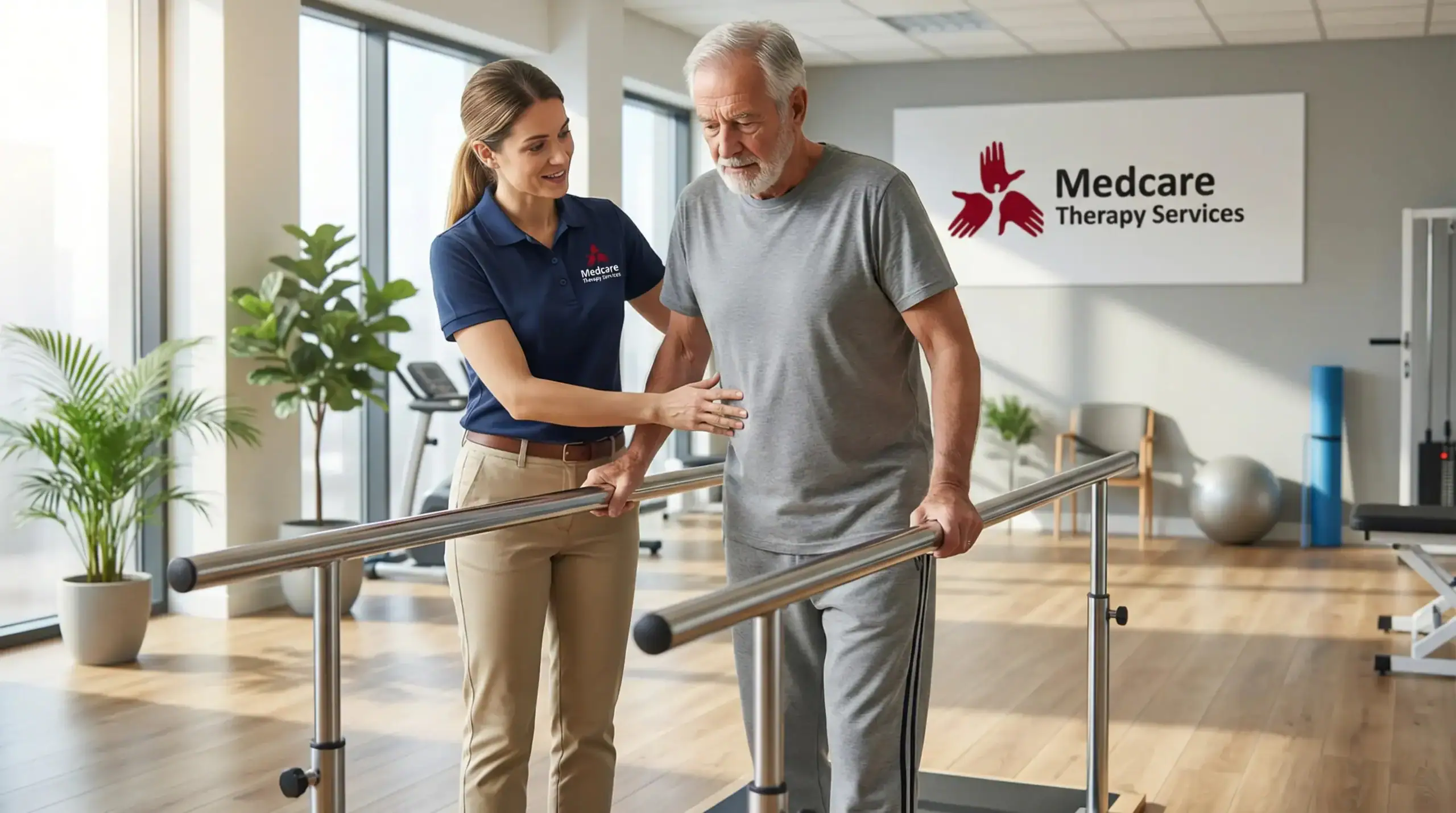
First, one of our licensed physical or occupational therapists comes to your home in Rockville Centre and does a comprehensive fall risk assessment. We’re looking at your strength, your balance, how you move through your space, what medications you’re taking, and where the hazards are in your environment. This isn’t a quick walk-through—it’s detailed because it needs to be.
From there, you get a personalized plan. If you need balance training, that’s what you’ll do. If the issue is lower extremity strength, we focus there. If it’s a combination of factors—which it usually is—we address all of it. The exercises are based on the Otago program, which means they’re evidence-based and they’ve been tested in real-world settings with real results.
Your therapist comes to you. No driving to an office, no waiting rooms, no trying to arrange transportation. You do the work in your own home, where you actually need to be stable and confident. Sessions are covered by Medicare if you qualify, and we handle the paperwork so you’re not navigating insurance requirements on your own.
Progress gets tracked. You’ll see measurable improvements in walking speed, strength, and balance control. More importantly, you’ll feel the difference when you move through your day without that constant low-level fear.

Ready to get started?
Balance and strength training form the core of what we do, but fall prevention in the elderly isn’t just about exercise. Your therapist evaluates your entire environment. We identify tripping hazards, lighting issues, and layout problems that increase your risk. You get specific recommendations you can actually implement.
Medication management comes up in almost every assessment we do. If you’re taking four or more medications, your fall risk goes up significantly—and in Nassau County, where the 65+ population has grown to nearly 39% of households, polypharmacy is common. We don’t prescribe or change your medications, but we coordinate with your physician when we identify concerns.
Gait training and neuromuscular re-education are part of the program when you need them. If you’ve had a stroke or you’re dealing with neurological changes that affect how you walk, we address that specifically. The goal is always the same: you stay independent, you stay in your home, and you stop organizing your entire life around the fear of falling.
In Rockville Centre and across Nassau County, 60% of fall-related hospitalizations happen at home. Your home is where you need to be safest, and that’s exactly where we work with you.
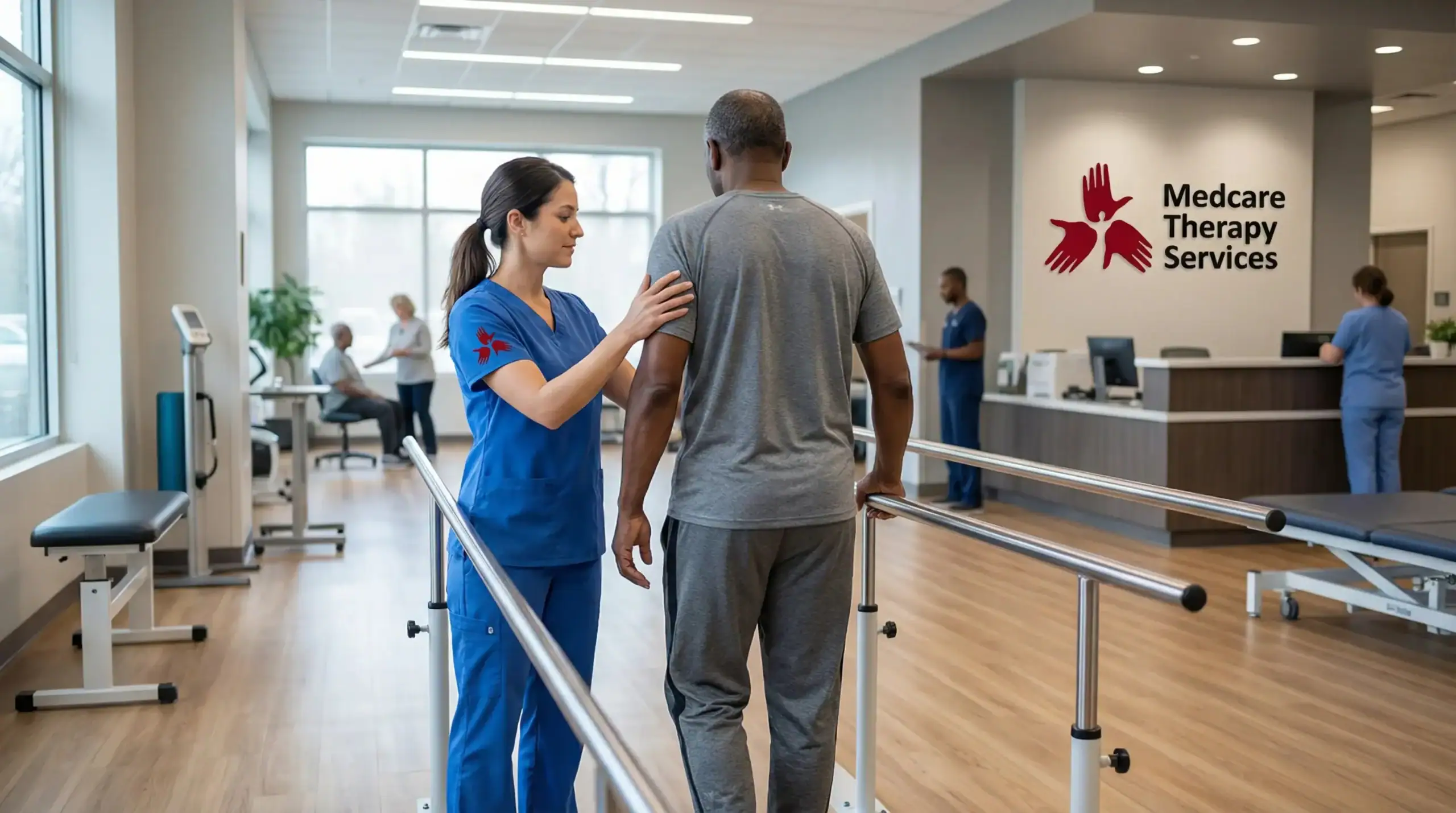
If you’ve fallen in the past year, you need it. If you’re afraid of falling and that fear is limiting what you do, you need it. If you’re taking four or more medications, if you have balance or walking problems, if you’ve noticed changes in your vision or sensation in your feet—these are all clear indicators.
Here’s what most people don’t realize: fear of falling increases your fall risk. When you start avoiding activities because you’re worried about falling, you get weaker and your balance gets worse. It becomes a cycle. Physical therapy for balance breaks that cycle by rebuilding your strength and your confidence at the same time.
The assessment is straightforward. One of our therapists evaluates your specific risk factors and tells you exactly what we’re seeing. You’ll know whether therapy makes sense for you, and you’ll understand what the program would involve before you commit to anything.
The Otago Exercise Program was developed by the New Zealand Falls Prevention Research Group and tested in multiple randomized controlled studies. It’s not a generic senior fitness program—it’s a specific protocol designed to reduce falls, and the research shows it works.
The program focuses on balance and strength training that directly addresses the physical factors that cause falls. You’re doing exercises that improve your ability to catch yourself when you stumble, that strengthen the muscles you need for stability, and that retrain your nervous system to respond faster when your balance is challenged.
What makes it effective is the customization. Your therapist adjusts the program based on your current abilities and your specific deficits. As you get stronger, the exercises progress. You’re not doing the same routine for months—you’re continuously building on what you’ve achieved. Studies show participants improve their walking speed, reduce their fear of falling, and see measurable improvements in physical function. Most importantly, they fall less.
Yes, if you meet Medicare’s requirements for home health services. You need to be homebound, which means leaving your home requires considerable effort due to illness, injury, or disability. You need a physician’s order for physical or occupational therapy. And the therapy needs to be medically necessary—which fall prevention absolutely is when you’re at risk.
Medicare Part B covers outpatient physical therapy and occupational therapy in your home. We’re a Medicare-certified provider, which means we bill Medicare directly and handle the documentation requirements. You’re responsible for your standard copay and deductible, but you’re not paying out of pocket for the full cost of therapy.
The coverage question comes up constantly, and it’s worth understanding: approximately 95% of fall-related hospitalization charges in New York are billed to Medicare and Medicaid. Medicare would much rather cover prevention than pay for a hip fracture hospitalization. If you’re at risk and you meet the homebound criteria, coverage typically isn’t the barrier people think it will be.
It depends entirely on where you’re starting and what your specific issues are. Some people see significant improvement in 6-8 weeks. Others need several months of consistent work to build the strength and balance they need.
The Otago program is designed to be done over several months because you’re not just learning exercises—you’re retraining your neuromuscular system and building strength that takes time to develop. Your therapist will give you a realistic timeline based on your assessment, but expect to commit to the process for at least two to three months.
Here’s what matters more than the timeline: consistency. The people who see a 35-40% reduction in falls are the ones who do the work between therapy sessions. Your therapist typically comes to your home one to two times per week, but you’re doing exercises on the other days too. This isn’t passive treatment—you’re actively rebuilding your physical capabilities, and that requires regular effort.
Then you’re exactly the person who needs this program. About 37% of people who fall have an injury serious enough to require medical treatment or restrict their activity. Once you’ve fallen, your risk of falling again goes up significantly—partly because of physical changes from the injury, and partly because your fear increases.
We work with people in post-fall recovery all the time. If you’ve fractured a hip, if you’ve had a head injury, if you’re dealing with any fall-related trauma, rehabilitation that specifically addresses fall prevention is critical. You need to regain strength, yes, but you also need to rebuild the balance and coordination that failed you in the first place.
Stroke rehabilitation and neurological rehabilitation are part of what we do when those factors contributed to your fall. The therapy is adapted to your current condition and your recovery stage. You’re not expected to jump into a full exercise program if you’re still healing—your therapist meets you where you are and progresses the program as you’re able to handle more.
Yes, but it’s not the only intervention you need. If medications are making you dizzy or affecting your balance, that’s a conversation you need to have with your physician. If vision changes are part of the problem, you need to see your eye doctor. But while you’re addressing those underlying causes, physical therapy gives you the strength and stability to compensate for those challenges.
Balance is a multi-system issue. Your vision, your vestibular system, your muscle strength, your proprioception—all of it works together. When one system isn’t functioning well, the others can pick up some of the slack, but only if they’re strong enough. That’s where balance exercises for seniors come in.
We coordinate with your other providers when needed. If we identify medication side effects that are increasing your fall risk, we communicate that to your doctor. If we see vision issues that haven’t been addressed, we make sure you know that needs attention. You’re not choosing between fixing the root cause and doing therapy—you’re doing both, and the combination is what actually keeps you safe.
Other Services we provide in Rockville Centre