
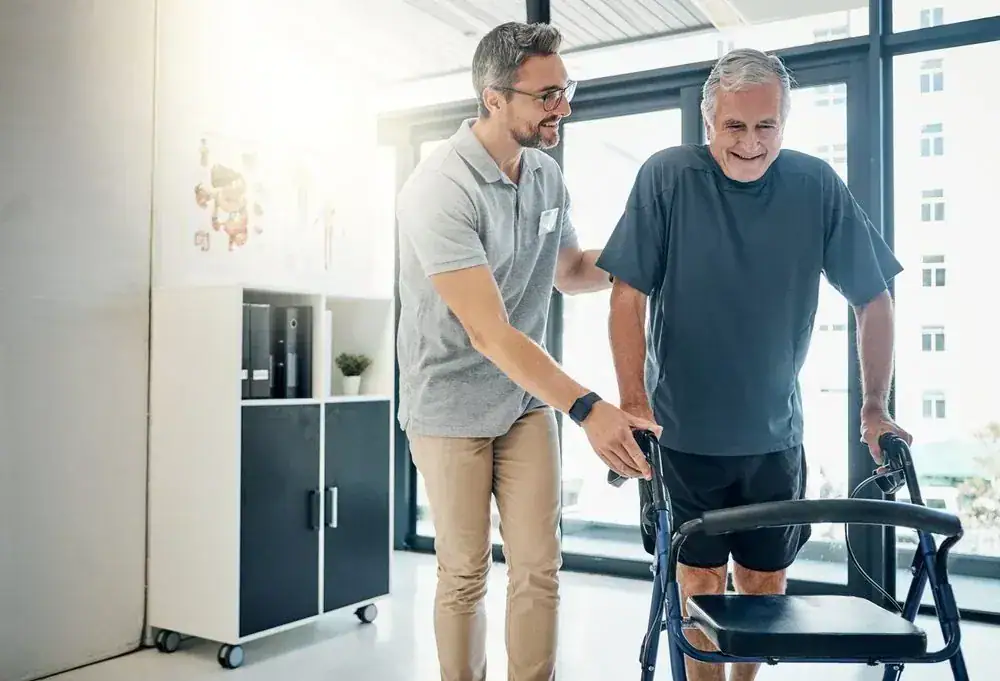
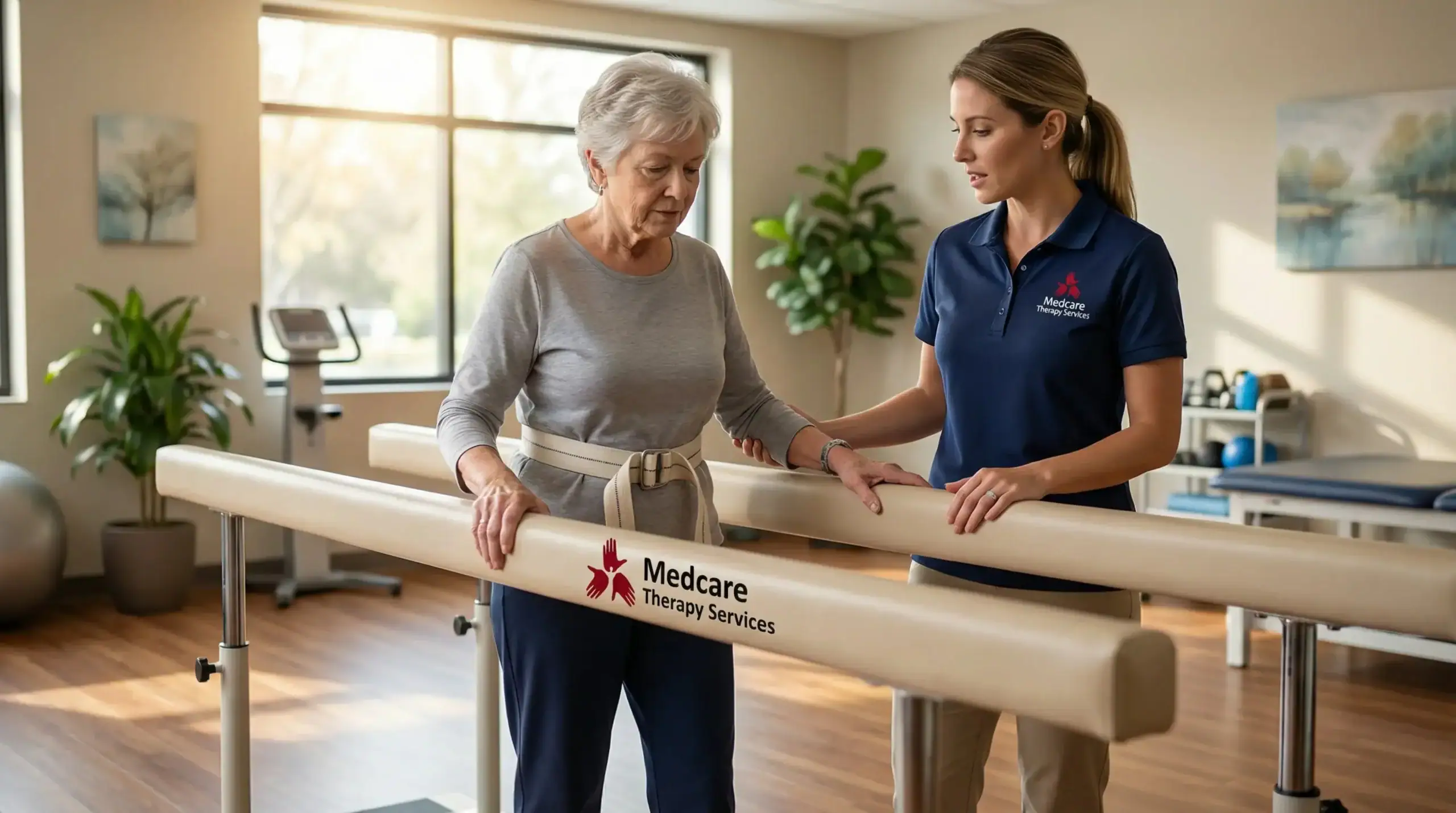
You stop second-guessing every step. Walking to the mailbox, reaching for something on a shelf, getting up in the middle of the night—these stop feeling risky.
Your confidence comes back because your body starts responding the way it used to. You’re not avoiding activities or places because you’re worried about falling. You’re going where you want, when you want.
That fear sitting in the back of your mind starts to fade. Not because someone told you to relax, but because you’ve actually gotten stronger and more stable. The physical improvements show up first. The mental relief follows close behind.
We’ve been helping people across Long Island stay on their feet for decades. We’re not new to Port Washington, NY or Nassau County—we know the homes here, the lifestyle, the concerns that come up when balance starts to slip.
Our therapists specialize in working with older adults. They understand how aging affects coordination, strength, and reaction time. More importantly, they know how to reverse those changes through targeted exercises and practical adjustments.
We accept most major insurance plans. You don’t need a referral to start in many cases. Scheduling is straightforward, and same-day appointments are often available if you need to be seen quickly.

You start with a balance assessment. We look at your strength, coordination, gait, and any medical conditions affecting stability. This isn’t a generic checklist—it’s specific to you and what’s causing your balance issues.
From there, we build a program around what you need. That usually includes balance exercises designed for seniors, strength training for your legs and core, and gait training if your walking pattern needs work. Everything is adjusted to your current ability level.
We also walk through your home environment—either in person or by discussing your layout. Small changes like removing tripping hazards, improving lighting, or adding grab bars make a measurable difference. You’ll know exactly what to change and why it matters.
You’ll come in regularly at first, then less often as you improve. Most people see noticeable changes within a few weeks. The goal is always getting you stable enough that you don’t need us anymore.

Ready to get started?
Every program includes a full fall risk assessment that measures your balance, strength, flexibility, and walking pattern. You’ll understand exactly where your risks are and what we’re targeting.
The exercise component focuses on senior balance exercises that challenge your stability in safe, progressive ways. We work on single-leg standing, weight shifting, coordination drills, and functional movements you actually use in daily life. Strength training targets the muscles that keep you upright—your legs, hips, and core.
Education is a big part of what we do. You’ll learn how medications affect balance, what footwear helps or hurts, and how to move safely during higher-risk activities. We coordinate with your doctor if needed, especially if medical issues like vertigo or neuropathy are contributing factors.
Port Washington, NY residents deal with stairs, uneven sidewalks, and older homes that weren’t built with aging in place in mind. We address those specific challenges. Your program reflects where you actually live and what you actually do every day.

If you’ve fallen in the past year, you need an assessment. That’s the clearest indicator. Even if you caught yourself or didn’t get hurt, your body showed you it’s not responding the way it should.
But you don’t need to wait for a fall. If you’re holding onto furniture when you walk around the house, if you feel unsteady on uneven ground, or if you’ve started avoiding certain activities because you don’t trust your balance—those are all signs that intervention now will prevent a fall later.
Other red flags include difficulty getting up from a chair without using your arms, feeling dizzy when you change positions, or noticing your walking has slowed down significantly. Your doctor may have mentioned balance concerns, or family members may have noticed you’re less steady. Trust those observations. The earlier you address balance problems, the faster they improve.
You’ll do exercises that challenge your stability in controlled ways. That might include standing on one leg, walking heel-to-toe in a straight line, or shifting your weight from side to side while maintaining control. We progress these as you get stronger.
Functional exercises mimic real-world movements—stepping over objects, reaching in different directions while standing, turning your head while walking, or practicing getting up and down from different surfaces. These directly translate to what you do at home.
Strength work focuses on your legs, hips, and core since those muscle groups control your balance. Expect exercises like sit-to-stands, leg lifts, and resistance band work. If your balance issues relate to inner ear problems, we’ll include vestibular exercises that retrain your brain’s balance system. Everything is tailored to your specific needs and adjusted based on how you’re progressing.
Most major insurance plans cover physical therapy for balance and fall prevention when it’s medically necessary. Medicare covers it. So do most Medicare Advantage plans, commercial insurance plans, and supplemental policies common in the Port Washington, NY area.
Medical necessity usually means you have documented balance problems, a history of falls, or conditions that increase fall risk—things like arthritis, neuropathy, previous stroke, or Parkinson’s disease. Your doctor doesn’t always need to refer you first, though some plans require it.
We verify your coverage before you start and explain what your out-of-pocket costs will be. No surprises. If you have a copay or coinsurance, you’ll know that upfront. We handle the insurance claims and billing directly, so you’re not dealing with paperwork. If coverage is an issue for any reason, we’ll discuss options before moving forward.
Most people notice improvements in stability and confidence within three to four weeks of consistent therapy. That’s usually six to eight visits. You’ll feel steadier during everyday activities, and movements that felt risky start feeling manageable again.
Full programs typically run eight to twelve weeks, depending on your starting point and goals. Someone who’s had multiple falls and significant weakness will need more time than someone catching early balance changes. We reassess regularly and adjust the timeline based on your progress.
The exercises don’t stop when therapy ends. You’ll have a home program to maintain your improvements long-term. Balance is like any other physical skill—you need to keep challenging it or it declines again. But the time commitment drops significantly once you’ve built a foundation. Most people maintain their gains with 15-20 minutes of exercise a few times a week.
Yes. Multiple falls mean your risk is high, but it also means there’s clear room for improvement. Physical therapy can identify why you’re falling—whether it’s muscle weakness, poor balance reflexes, gait problems, or a combination—and address those specific issues.
After a fall, many people develop a fear of falling again that makes them move less. That inactivity leads to more weakness and higher fall risk. It’s a cycle. Therapy breaks that cycle by rebuilding strength and confidence simultaneously. You’re moving in a safe environment with someone spotting you, which helps reduce the fear while improving the physical problems.
We’ve worked with plenty of Port Washington, NY residents who’d fallen multiple times and were seriously worried about losing their independence. The common thread among those who improve is starting therapy sooner rather than later. Waiting doesn’t help. Your balance won’t fix itself, but it will respond to the right intervention.
Yes. Home safety is a major part of elderly fall prevention because most falls happen at home. We’ll discuss your living space in detail—room layouts, lighting, flooring, stairs, bathroom setup, and any areas where you’ve had close calls or feel unsteady.
Based on that conversation, we’ll recommend specific modifications. Some are simple and free, like rearranging furniture or removing throw rugs. Others involve minor purchases like nightlights, grab bars, or non-slip mats. We’ll prioritize what makes the biggest safety difference first.
If needed, we can arrange a home visit to see your space in person. That’s especially helpful for people in older Port Washington, NY homes with challenging layouts or multiple levels. You’ll get a written list of recommendations you can work through at your own pace. The goal is making your home safer without turning it into a hospital room—practical changes that reduce risk while keeping your space comfortable and functional.
Other Services we provide in Port Washington