
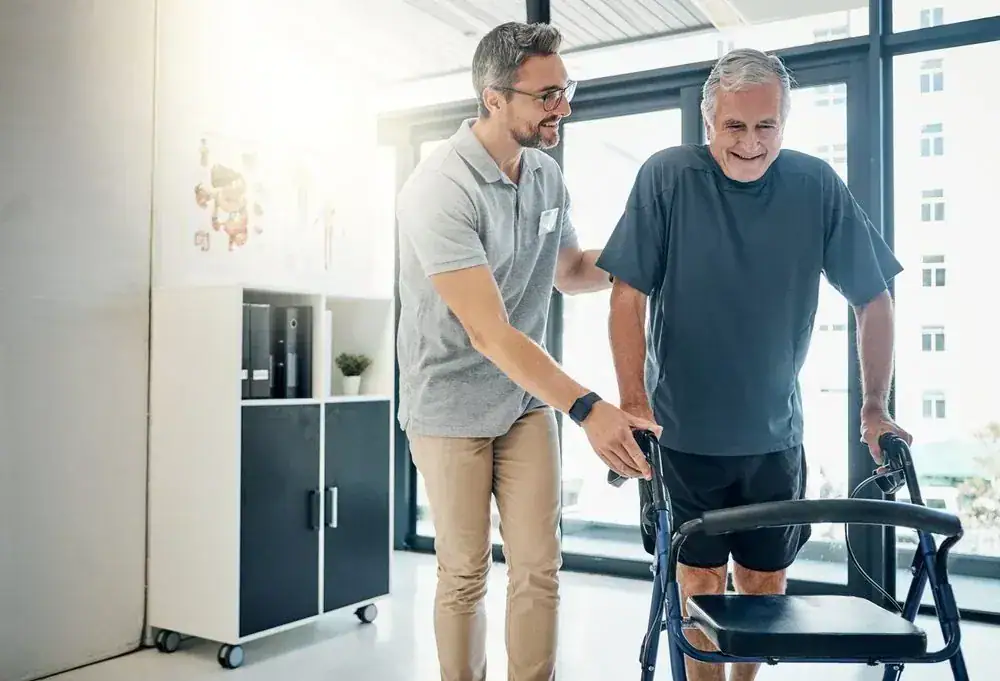
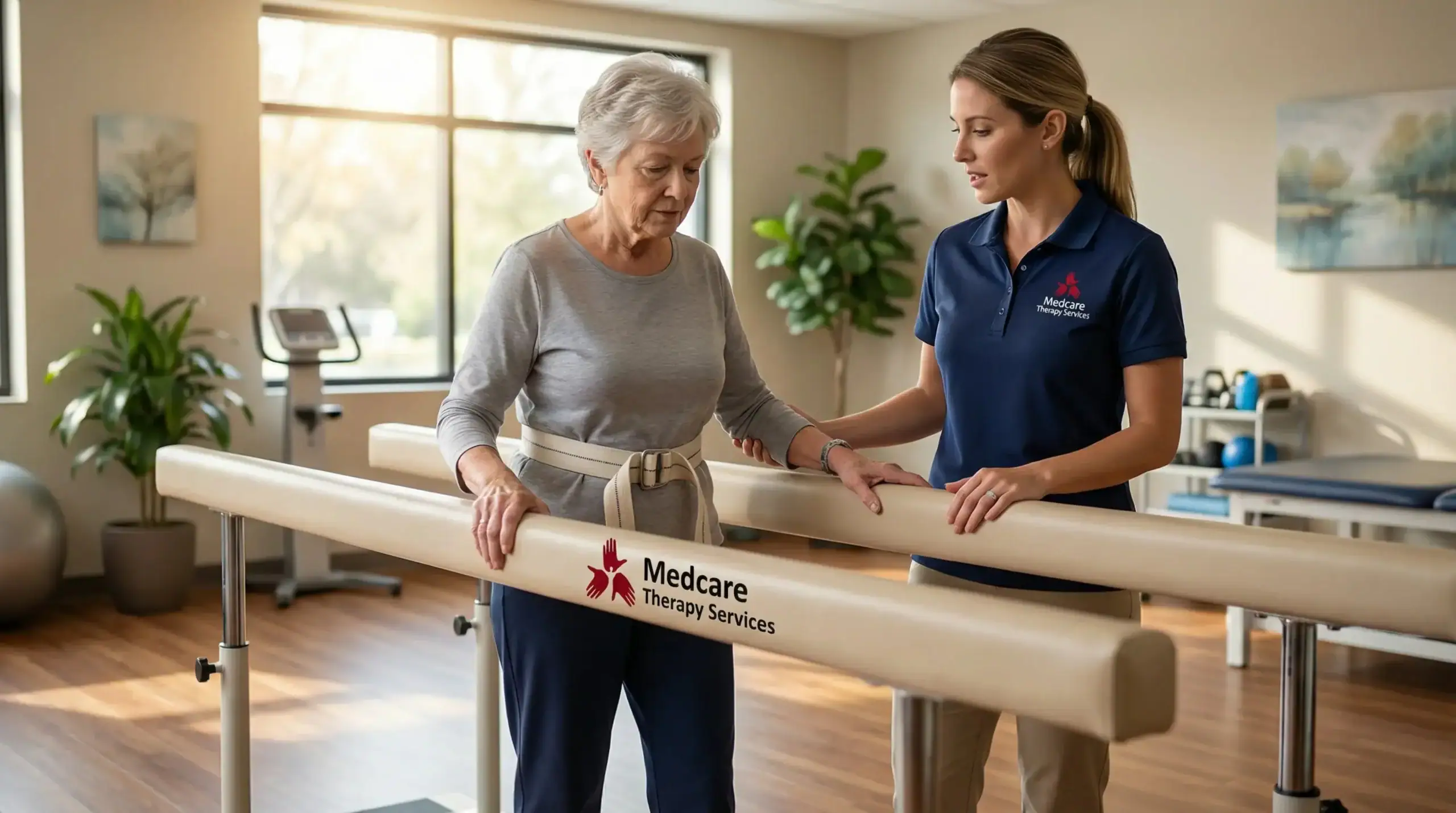
You’re not imagining it. That hesitation before standing up, the extra second you need to steady yourself, the way you avoid certain rooms in your own house—these aren’t just signs of getting older. They’re warning signs, and they’re fixable.
One in four adults over 65 falls each year. In Point Lookout, where 40% of residents are 65 or older, that’s not a statistic—it’s your neighbors. And here’s what matters: falls aren’t random. They follow patterns, and those patterns can be interrupted.
Physical therapy for balance works because it addresses what’s actually causing the instability. Weak hip muscles. Poor ankle flexibility. A brain-body connection that’s gotten rusty. When you strengthen these specific areas through targeted senior balance exercises, your risk drops by 30-35%. That’s not a small improvement. That’s the difference between living in your home and being forced out of it.
The goal isn’t just preventing a fall. It’s getting rid of that constant background fear so you can move through your day without calculating every step.
We’ve been providing in-home physical therapy across Long Island for over a decade. Our therapists are licensed, Medicare-certified, and equipped with the same tools you’d find in a clinic—portable bikes, resistance bands, balance boards, vestibular discs.
Point Lookout’s senior population is one of the highest in New York, and Long Island ranks significantly above the state average for fall-related incidents. We’re not here because it’s convenient. We’re here because the need is real, and home-based care is often the most effective option for people who find it difficult to travel or who simply do better in their own environment.
Every program starts with an evaluation. From there, your therapist builds a plan based on your specific limitations, your goals, and what’s actually happening when you move. You’re treated like family because that’s how care should work.

First, a licensed physical therapist comes to your home and conducts a full evaluation. They’ll assess your balance, strength, flexibility, gait, and any environmental risks in your living space. This isn’t a checklist. It’s a conversation about what’s hard for you right now and what you want to be able to do.
From there, they design a program. It might include strengthening exercises for your legs and core, balance training on different surfaces, gait work to improve how you walk, and coordination drills that retrain your brain-body connection. You’ll also get a customized home exercise plan to continue between sessions.
Sessions happen in your home, on your schedule. Your therapist brings the equipment. You don’t need to set anything up or travel anywhere. Most patients see measurable improvements in strength and confidence within a few weeks, but the timeline depends on where you’re starting and how consistently you work the plan.
Medicare covers these services when they’re medically necessary. We accept Medicare and most commercial insurance, and we handle the billing directly so you’re not stuck managing paperwork.

Ready to get started?
Your program includes a comprehensive fall risk assessment, personalized balance exercises for seniors, strength training targeting the muscle groups that prevent falls, and gait training to improve how you walk and transition between positions. You’ll also receive education on managing risks in your daily environment—things like lighting, rugs, bathroom setup, and footwear.
In Nassau County, where Point Lookout is located, 88% of injury hospitalizations for adults over 65 are due to falls. Most of those falls happen inside the home. That’s why environmental assessment is part of every plan. Your therapist will walk through your space and identify specific hazards you might not notice.
You’ll also get tools to address the psychological side. Fear of falling is real, and it often leads to reduced activity, which makes you weaker and more likely to fall. We use graded exercises in controlled environments to rebuild confidence while improving physical ability. The goal is to replace fear with competence.
Programs are adjusted as you progress. If something isn’t working, it gets changed. If you hit a goal early, we move to the next one. This isn’t a one-size-fits-all protocol. It’s a living plan built around your progress.

If you’ve fallen in the past year, you need it. Falling once doubles your chance of falling again, and the second fall is often worse than the first.
But you don’t have to wait for a fall. If you feel unsteady when you stand, if you grab onto furniture or walls when you walk, if you’ve started avoiding stairs or certain areas of your home, or if you’ve had any near-misses, those are all signs that your balance and strength need attention. A lot of people dismiss these things as normal aging. They’re not. They’re correctable with the right intervention.
Even if you just feel less confident than you used to, that’s enough reason to get evaluated. Physical therapists can measure your fall risk using standardized tests and give you a clear picture of where you stand. From there, you’ll know whether you need a full program or just some targeted exercises you can do on your own.
It depends on what your evaluation shows, but most programs include exercises that challenge your stability in safe, controlled ways. You might practice standing on one leg, shifting your weight from side to side, walking heel-to-toe in a straight line, or stepping over objects.
You’ll also do strength work—squats, leg lifts, heel raises—because weak muscles are one of the biggest fall risk factors. Core exercises are common too, since your core stabilizes your entire body when you move. Some programs include vestibular training if dizziness or vertigo is part of the problem.
The exercises start easy and get harder as you improve. Your therapist adjusts the difficulty based on how you’re doing, not based on a predetermined schedule. If something feels too hard or unsafe, it gets modified. If it’s too easy, it gets progressed. The point is to challenge your system enough that it adapts, but not so much that you’re at risk.
Yes, if it’s medically necessary. Medicare Part B covers outpatient physical therapy when a doctor orders it and a licensed therapist provides it. Fall prevention qualifies when there’s a documented need—like a history of falls, balance problems, muscle weakness, or gait issues.
You’ll need a referral or prescription from your doctor, but that’s usually straightforward. Most primary care physicians are happy to write one if you’re having balance or mobility issues. Once you have that, we handle the rest of the process, including verification of benefits and billing.
There may be a copay or coinsurance depending on your specific plan, but the therapy itself is a covered service. We also accept most commercial insurance plans. If you’re not sure what your plan covers, call us and we can verify your benefits before you start. You shouldn’t have to guess what you’ll owe.
The biggest difference is that your therapist sees how you actually move in your actual environment. They’re not guessing what your bathroom looks like or whether you have stairs. They’re right there, watching you navigate the spaces where you’re most at risk.
That means they can spot hazards you’ve gotten used to—a rug that slides, a light switch that’s hard to reach, a step you have to stretch for. They can also design exercises that mimic your real-life challenges. If getting in and out of your shower is hard, you’ll practice that exact movement with support and feedback.
For a lot of people, especially those who have trouble leaving the house, home therapy is the only realistic option. You don’t have to arrange transportation, worry about weather, or push through discomfort just to get to an appointment. The therapist comes to you, and the session happens in the place where you actually need to function. That’s not just more convenient. It’s often more effective.
Most programs run between 6 and 12 weeks, with sessions happening one to three times per week. But that’s not a rigid timeline. Some people need more time. Some people progress faster.
The length depends on your starting point, your goals, and how quickly your body responds to the exercises. If you’re recovering from a fall or injury, it might take longer. If you’re relatively strong but just need some balance work and education, it might be shorter.
Your therapist will give you a clearer estimate after the initial evaluation. They’ll also reassess your progress regularly and adjust the plan as needed. The program ends when you’ve met your goals and you have the tools to maintain your improvements on your own. You’re not locked into a set number of visits. You’re working toward functional outcomes, and the timeline follows your progress.
First, your therapist will assess what happened and whether you were injured. If you need medical attention, that’s the priority. If you’re okay, the fall becomes part of the treatment plan.
Falls during therapy aren’t common, but if one happens, it gives your therapist critical information. They’ll look at what you were doing, what caused the loss of balance, and whether there’s a specific weakness or environmental factor that needs to be addressed. Then they’ll adjust your program to target that issue directly.
If you fall between sessions, let your therapist know right away. They’ll want to understand the circumstances and make sure the program is addressing the right risks. Falls aren’t failures. They’re data. And in a structured program with professional oversight, they can actually help fine-tune your treatment so you’re better protected going forward.
Other Services we provide in Point Lookout