
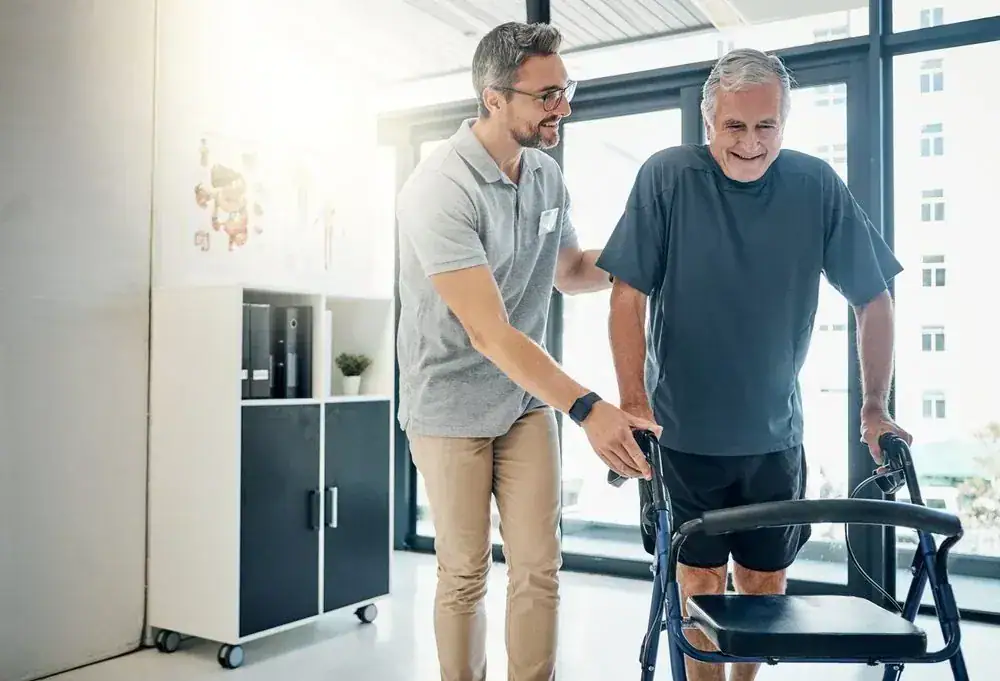
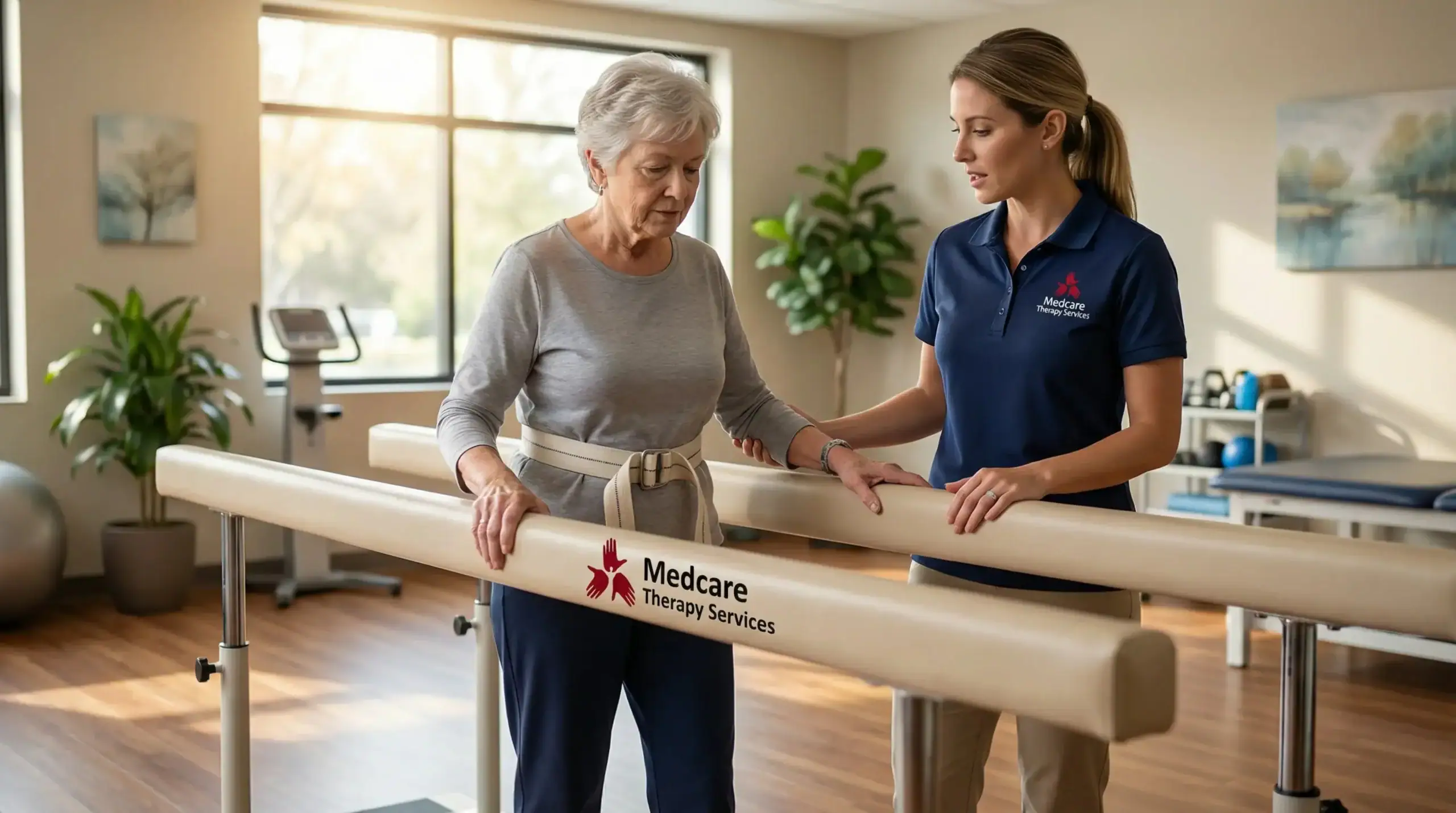
You shouldn’t have to think twice before walking to the bathroom at night. Or worry about reaching for something on a shelf. Or avoid stairs because you’re not sure your legs will hold.
That’s what happens when balance starts to go. You lose confidence first, then independence follows.
Balance exercises for seniors aren’t about becoming an athlete. They’re about getting back to normal. Walking without hesitation. Standing without bracing yourself. Moving through your day the way you used to.
Regular exercise and balance training can cut your fall risk in half. Not by luck—by retraining the systems your body relies on to stay upright. Strength. Coordination. Reaction time. All of it gets better when you work with someone who knows how to rebuild it.
You don’t need a gym. You need a plan that fits your home, your body, and your actual day-to-day life. That’s what we build.
We’ve been providing in-home physical therapy across Nassau County since 2010. We’re not new to this. We’re not figuring it out as we go.
We specialize in fall prevention because we’ve seen what happens when it’s ignored. And we’ve seen what’s possible when someone gets the right help early enough.
Our therapists are licensed, trained in evidence-based programs like Otago, and experienced in working with older adults who want to stay home safely. We’re Medicare-certified, which means your treatment is likely covered without out-of-pocket costs eating into your budget.
Oyster Bay and the surrounding Nassau County area have some of the highest fall rates in New York. That’s not a scare tactic—it’s why we’re here. You’re not overreacting by looking into this. You’re being smart.
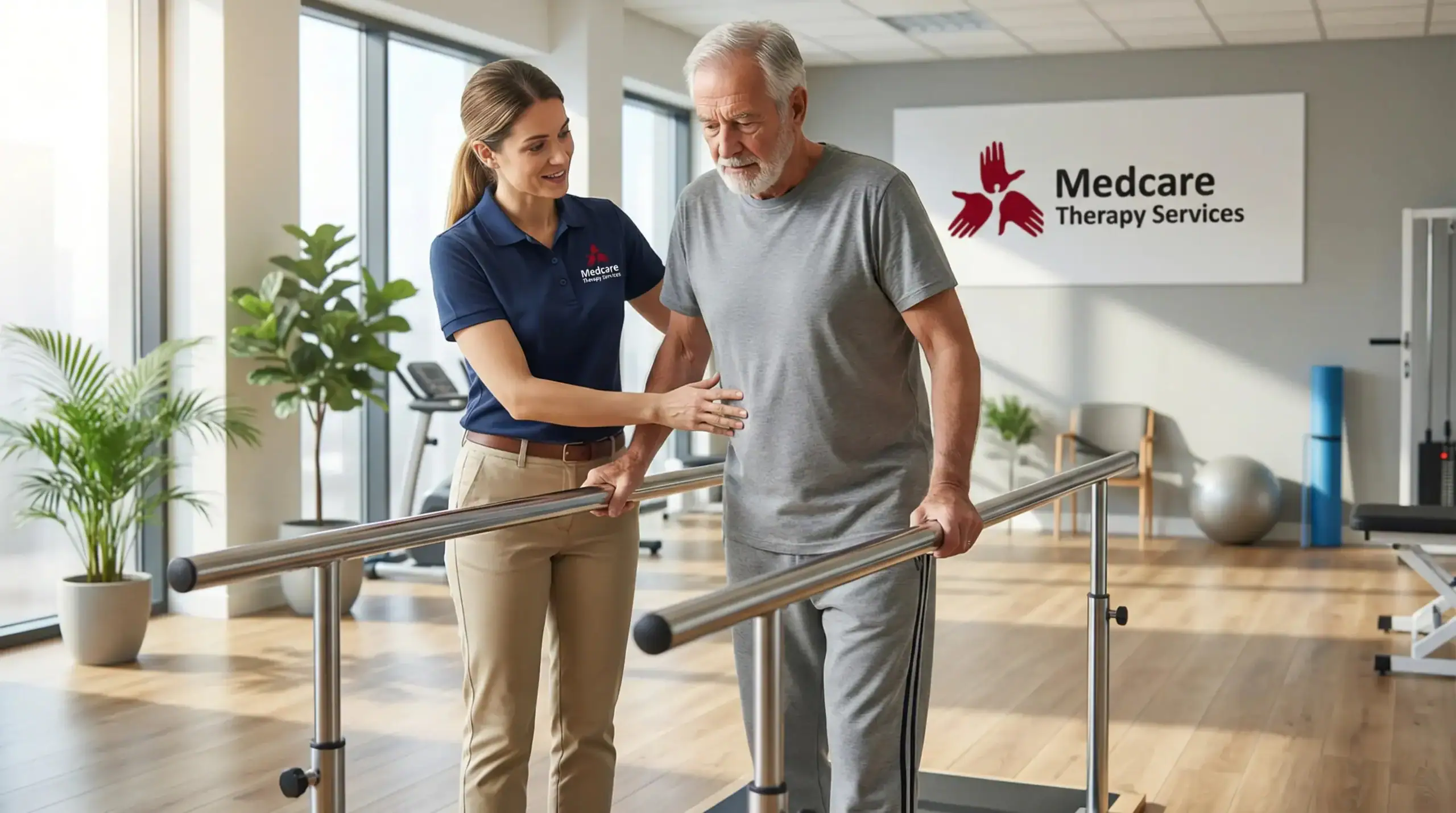
First, we come to your home. Not a clinic. Not an office. Your actual living space, where you move every day.
We assess your balance, your gait, your strength, and your environment. We look at how you walk, how you turn, how you get up from a chair. We also look at your home—lighting, rugs, furniture placement—because falls don’t just happen because of weak legs. They happen because of a mix of factors.
Then we build a program specific to you. It’s not a generic handout. It’s based on what we saw, what you’re capable of now, and what you need to be able to do.
You’ll do exercises that challenge your balance in safe, progressive ways. Some are done sitting. Some standing. Some while walking. The goal is to retrain your body to react faster and stay stable in the situations that actually happen in your life.
We come back regularly to adjust the program as you improve. This isn’t a one-and-done visit. It’s ongoing support until you’re stronger, steadier, and more confident than when we started.
Ready to get started?
You get a licensed physical therapist who comes to your home and works with you one-on-one. No shared appointments. No waiting rooms.
You get a customized exercise program designed around your specific risks. If you have trouble with stairs, we work on that. If you’re unsteady when you turn your head, we address it. If getting out of bed feels risky, we make it safer.
You get balance exercises that are proven to work. We use techniques from the Otago program, which has decades of research showing it reduces falls by up to 35%. We also incorporate gait training, strength conditioning, and coordination drills.
In Nassau County, 88% of injury hospitalizations for adults over 65 are caused by falls. Most of those falls happen at home. That’s why we don’t just work on your body—we also help you spot hazards in your environment and make simple changes that lower your risk.
You also get peace of mind. For you and for your family. Because when you’re stronger and steadier, everyone worries less.
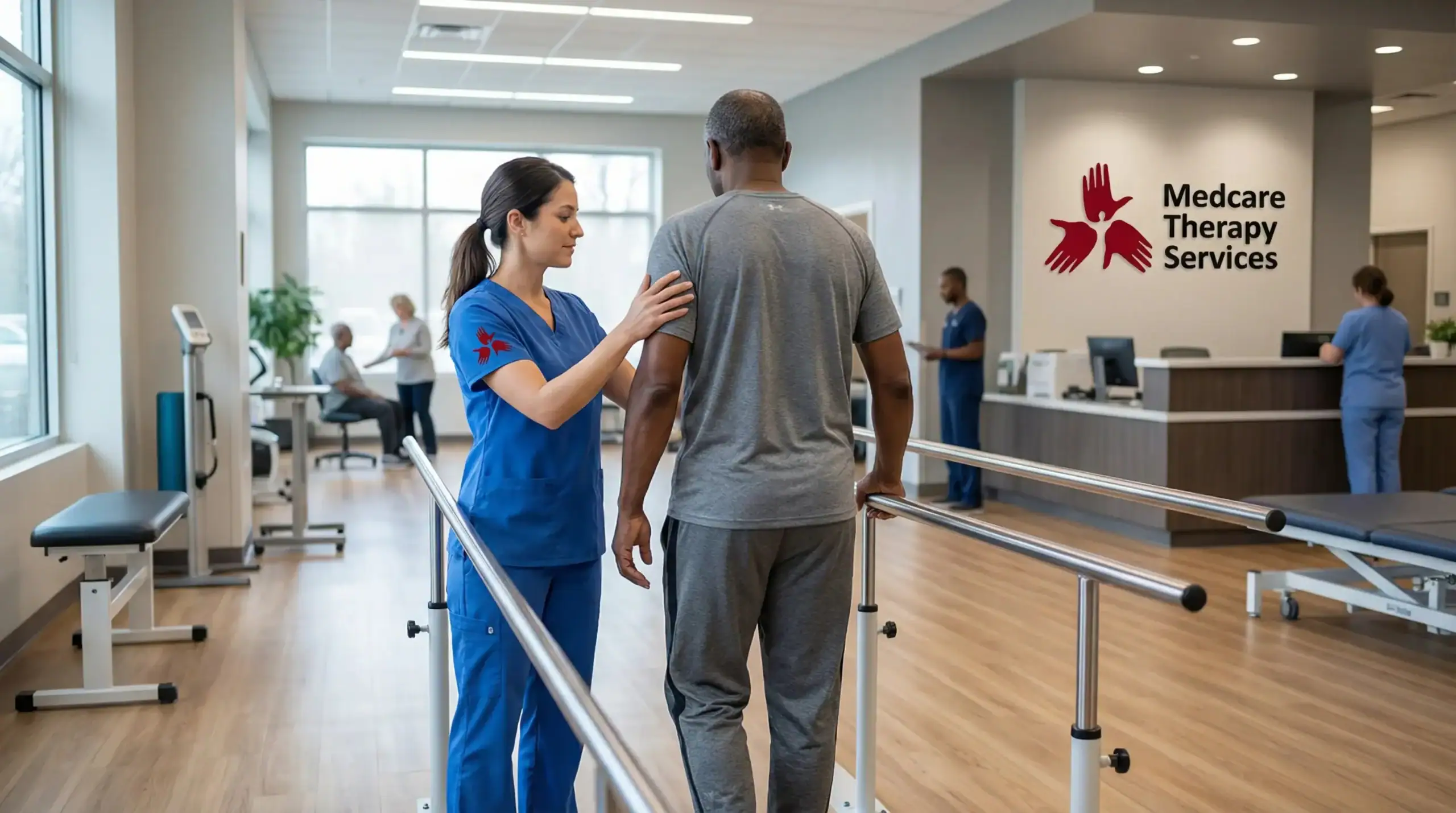
If you’ve fallen in the past year, you need it. If you’ve caught yourself from falling, you need it. If you feel unsteady when you walk or avoid certain movements because you’re not confident, you need it.
One in four adults over 65 falls every year. Most of them didn’t think it would happen to them either. The time to address balance issues is before a fall happens, not after.
You don’t have to wait for a doctor to tell you. If you’re noticing changes in how you move, that’s enough reason to reach out. We’ll assess where you’re at and tell you honestly whether therapy makes sense.
Yes, in most cases. Medicare Part B covers outpatient physical therapy when it’s medically necessary and provided by a licensed therapist. Fall prevention and balance training fall under that.
You’ll need a referral or prescription from your doctor, but that’s usually a quick conversation. Once we have that, we handle the rest of the billing and paperwork.
If you have a Medicare Advantage plan, coverage works similarly, but we’ll verify your specific benefits before we start. The goal is to make sure you’re not surprised by costs. Most of our patients pay little to nothing out of pocket.
You’re training in the environment where you actually need to be safe. Your home has your furniture, your lighting, your stairs, your bathroom setup. That’s where falls happen, so that’s where we work.
Clinic therapy is fine if you can get there easily. But if transportation is hard, or if you’re already unsteady, getting to and from appointments becomes its own risk. In-home therapy removes that barrier.
It’s also more personalized. We see how you move in your real life, not on a gym mat. We can spot hazards you’ve gotten used to and suggest changes that make an immediate difference. And frankly, most people are more comfortable and focused when they’re not in a clinical setting.
It depends on where you’re starting and what your goals are. Most programs run between 6 to 12 weeks, with visits once or twice a week.
Some people improve faster. Some need more time. We’re not working off a rigid timeline—we’re working until you’re functionally stronger and your fall risk is measurably lower.
You’ll start seeing improvements in the first few weeks. Better balance. More confidence. Less hesitation when you move. The full benefits build over time as your strength and coordination improve. We don’t stop until you’re ready.
Then fall prevention therapy is even more important. Once you’ve fallen, your risk of falling again doubles. Your confidence takes a hit, and that fear can make you move less, which makes you weaker, which increases your risk even more.
We work with people recovering from falls all the time. We start where you are—whether that’s rebuilding strength after a hip fracture or just regaining confidence after a scare.
The program is adapted to your current abilities. If you’re still healing, we work around that. If you’re cleared for full activity, we push a little harder. Either way, the goal is the same: get you back to moving safely and independently.
Absolutely. We encourage it. Family members often notice things you might not, and they can help reinforce exercises between our visits.
We’ll teach them how to spot signs of balance trouble and what they can do to support your progress. Sometimes that means helping with exercises. Sometimes it’s just understanding what you’re working on so they’re not hovering or overreacting.
Falls affect the whole family, not just the person at risk. When everyone understands the plan and sees the progress, it reduces anxiety all around. You’re not in this alone, and we make sure your family feels like part of the team.
Other Services we provide in Oyster Bay