
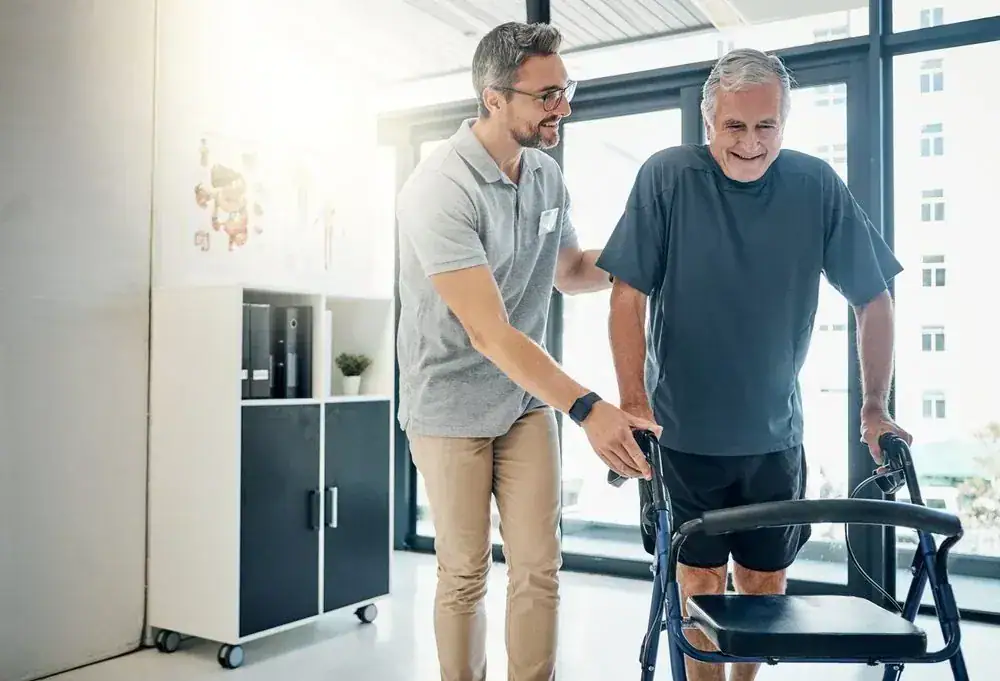
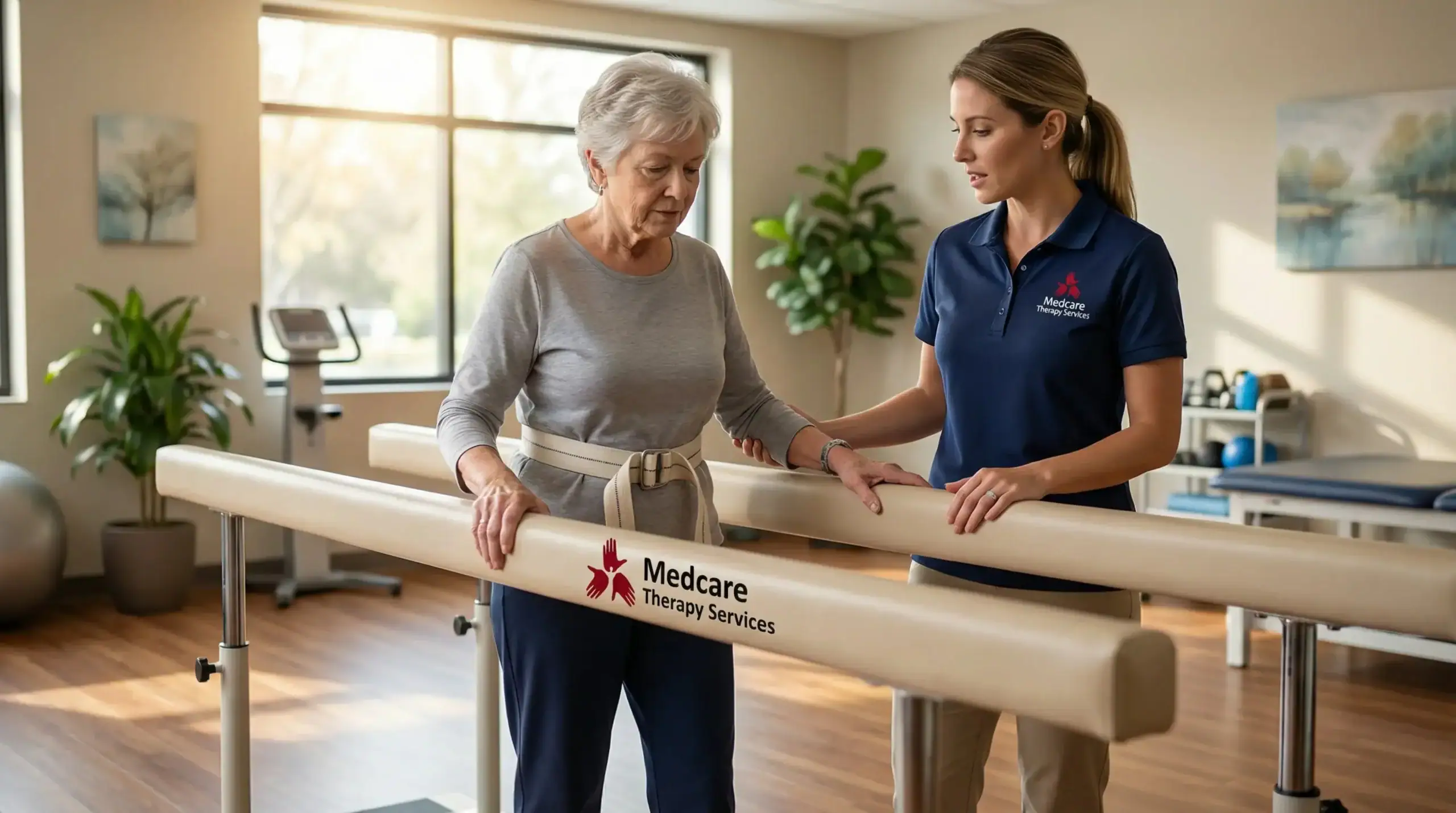
You stop planning your day around what might go wrong. The bathroom at night doesn’t feel like a risk. Getting the mail becomes automatic again, not something you have to think through.
Long Island seniors face higher fall rates than almost anywhere else in New York. Nassau and Suffolk counties rank 4th and 5th statewide for fall-related incidents. That’s not a coincidence—it’s a reality you’re probably already aware of if you live here.
Balance training that actually works doesn’t just add strength. It rebuilds the connection between your brain, your muscles, and your inner ear. When those systems communicate better, you move with more confidence. You react faster when something shifts under your feet. You don’t freeze up when the ground isn’t perfectly flat.
Regular exercise and targeted balance work can reduce fall risk by up to 50%. That’s not a small number when you consider that one in four older adults falls every year, and falling once doubles your chance of falling again.
We’ve been providing in-home physical and occupational therapy across Long Island for over a decade. We’re Medicare-certified, locally based, and we treat patients in Northville and throughout Suffolk County.
Our therapists are trained in the Otago fall prevention program, which is one of the most researched and effective models for reducing falls in older adults. We don’t just show up and run you through generic exercises. We assess your specific risk factors—strength, balance, vision changes, medication side effects, home layout—and build a plan around what’s actually affecting you.
You’re not driving to a clinic. You’re not sitting in a waiting room. We come to your home, work with you where you live, and make sure the program fits into your actual daily routine.
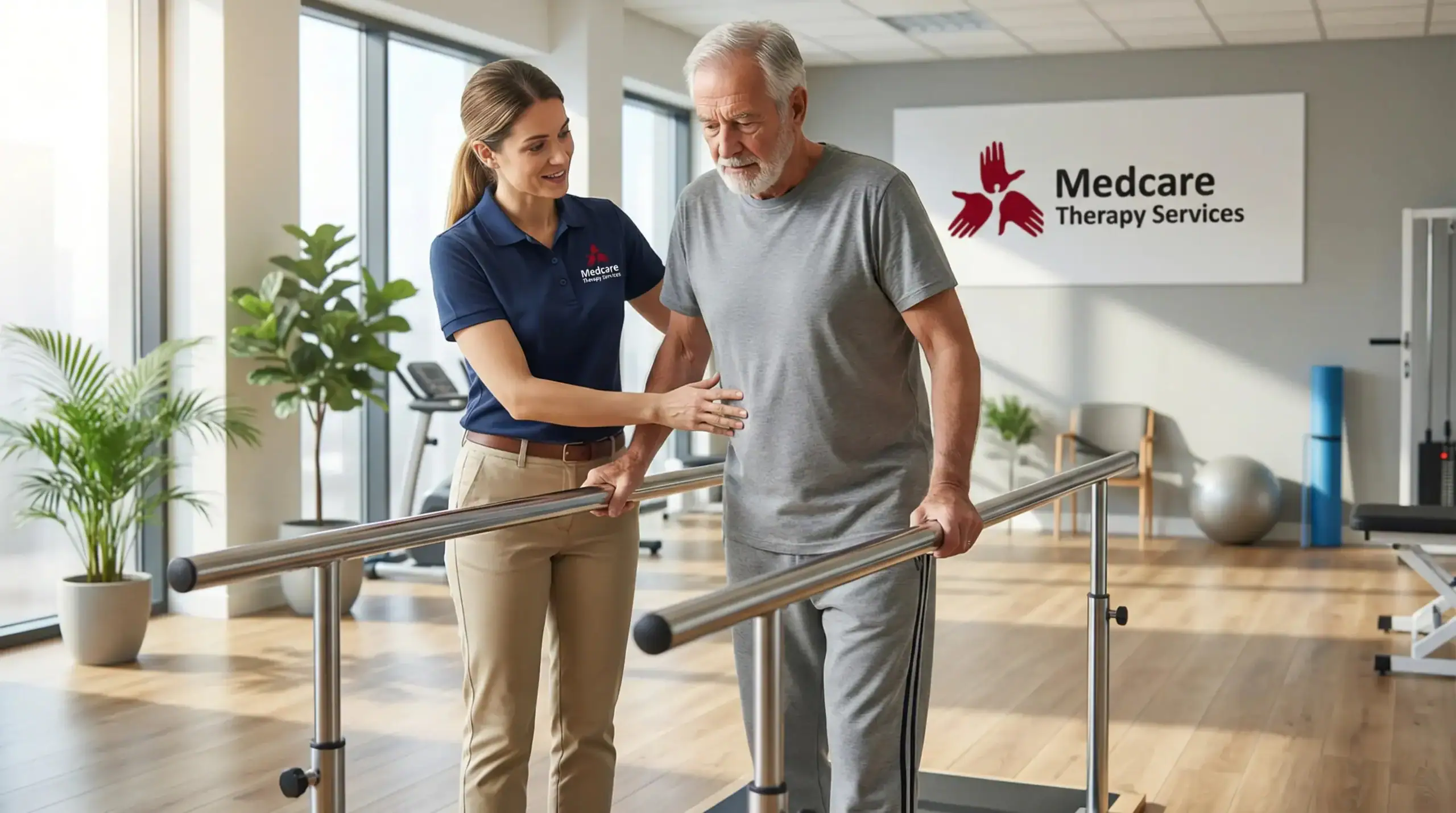
First, we do a full fall risk assessment in your home. That includes checking your strength, balance, gait, and how you move through the spaces you use every day. We also look at environmental factors—lighting, rugs, furniture placement, bathroom setup.
From there, we design a personalized program. It usually combines strengthening exercises, balance training, and functional movement work. You’ll practice things like standing from a chair, walking on uneven surfaces, and recovering if you start to lose your balance. These aren’t random drills—they’re based on what you actually do in your life.
Sessions typically happen one to three times per week, depending on your needs and what Medicare covers. Each visit lasts about 45 minutes to an hour. We also give you exercises to do between sessions, because consistency is what makes the difference.
As you improve, we adjust the program. The goal isn’t to keep you in therapy forever. It’s to get you strong and confident enough to maintain your balance on your own, with a clear plan you can stick to long-term.

Ready to get started?
You get a licensed physical or occupational therapist who comes to your home and works one-on-one with you. No assistants. No rotating staff. Just consistent care from someone who knows your history and your goals.
The program includes strength training for your legs and core, balance exercises that challenge your stability in safe ways, and gait training to improve how you walk. We also cover how to get up if you do fall, because knowing you can recover makes a massive difference in your confidence.
On Long Island, where 88% of injury hospitalizations for adults over 65 are fall-related, this kind of targeted intervention isn’t optional. It’s survival. We also work with your family or caregivers if that’s helpful, so everyone understands what you’re working on and how they can support you without taking over.
Everything we do is covered by Medicare as long as you meet the criteria for home-based therapy. We handle the paperwork, verify your coverage, and keep everything transparent so there are no surprises.
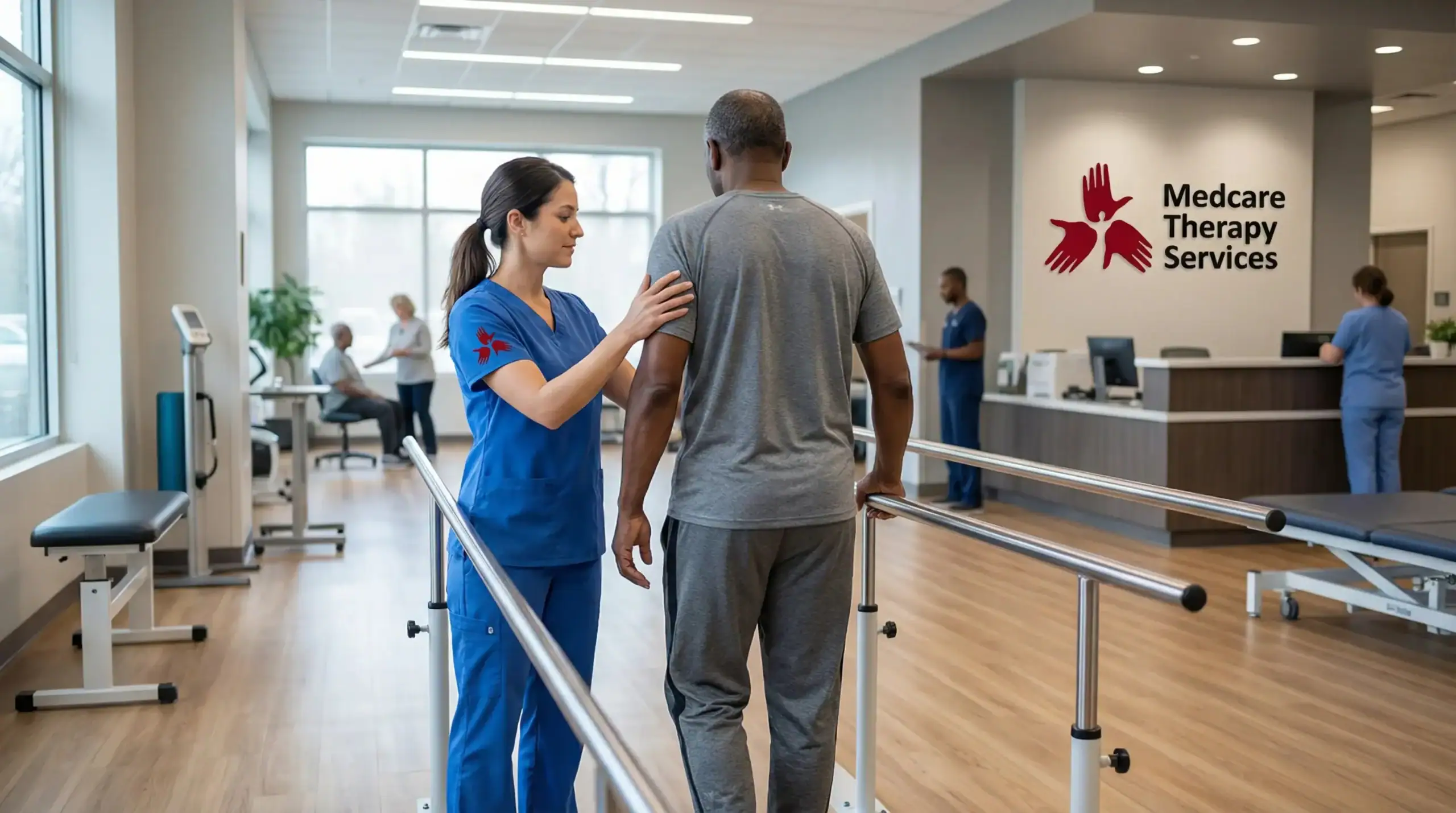
If you’ve fallen in the past year, you need it. Falling once doubles your risk of falling again, and waiting to see if it happens a second time isn’t a strategy—it’s a gamble.
But you don’t have to wait for a fall to start. If you’re feeling unsteady on your feet, avoiding activities because you’re worried about balance, or noticing that you’re slower or more cautious than you used to be, those are signs your balance system needs work.
Other red flags include difficulty standing from a chair without using your hands, trouble walking on uneven ground, or a fear of falling that’s limiting what you do. A lot of people don’t tell their doctor when they fall because they’re afraid of losing independence. But ignoring the problem doesn’t make it go away—it just increases the chance that the next fall will be worse.
You’re training in the environment where you actually live. That means we can address the real risks—your stairs, your bathroom, your driveway, the rugs you walk on every day.
Clinic-based therapy happens in a controlled space with flat floors, bright lighting, and grab bars everywhere. That’s fine for some things, but it doesn’t prepare you for your own home. We work with you where the falls are most likely to happen, and we help you adapt your space if needed.
In-home therapy also removes the barrier of transportation. If you have trouble getting in and out of a car, or if driving makes you anxious, you’re less likely to stick with a program that requires multiple trips per week. We come to you, so there’s no logistical reason to skip a session. For people with mobility limitations—and that’s 20% of the population over 65—this isn’t a convenience. It’s the only realistic option.
Most people see measurable improvement in six to eight weeks, but the timeline depends on where you’re starting from and how consistent you are with the exercises.
If you’re recovering from a fall or surgery, it might take longer. If you’re relatively active but just noticing some balance changes, you might progress faster. Either way, we’re not rushing you through a cookie-cutter program. We move at the pace that makes sense for your body.
Medicare typically covers a set number of sessions based on medical necessity, and we work within those limits. But even after formal therapy ends, you’ll have a program you can continue on your own. The exercises we teach aren’t complicated—they’re designed to fit into your routine so you can keep up the progress without needing us there forever.
Yes, if you meet the criteria for home-based care. That usually means you have difficulty leaving your home due to a medical condition, mobility limitation, or recent surgery.
Medicare Part B covers outpatient physical and occupational therapy when it’s medically necessary and prescribed by a doctor. We’re a Medicare-certified provider, so we handle the verification and billing directly. You’ll know upfront what’s covered and what your responsibility is.
If you’re not sure whether you qualify, we can walk you through it. The rules around homebound status can be confusing, but the basic idea is that leaving your home requires significant effort or assistance. You don’t have to be completely bedridden—you just need to have a legitimate reason why in-home care makes more sense than clinic visits.
That’s frustrating, and it’s more common than it should be. A lot of general physical therapy programs don’t focus specifically on fall prevention. They might work on strength or pain, but they don’t address the balance system as a whole.
Fall prevention therapy is different. It’s a specialized approach that targets the specific factors that cause falls—muscle weakness, poor balance, slow reaction time, environmental hazards. We use evidence-based programs like Otago, which has decades of research showing it works.
If your previous therapy didn’t include exercises that challenged your balance in realistic ways, or if it didn’t address your home environment, then you didn’t get fall prevention therapy. You got something else. What we do is more targeted, and the results reflect that. People who stick with a proper fall prevention program see real, measurable changes in their stability and confidence.
Yes. Your age doesn’t disqualify you from getting stronger or more stable. Balance is a skill, and like any skill, it responds to practice.
The idea that falling is just part of getting older is outdated and dangerous. Most falls are preventable. Your muscles can still build strength. Your nervous system can still improve its response time. Your brain can still learn to coordinate movement more effectively.
Research shows that balance training improves fall-related confidence, increases walking speed, and reduces fear of falling across all age groups. Even people in their 80s and 90s see gains when they do the right exercises consistently. The key is working with someone who understands how to progress the difficulty safely, so you’re challenged without being put at risk. That’s what we do.
Other Services we provide in Northville