
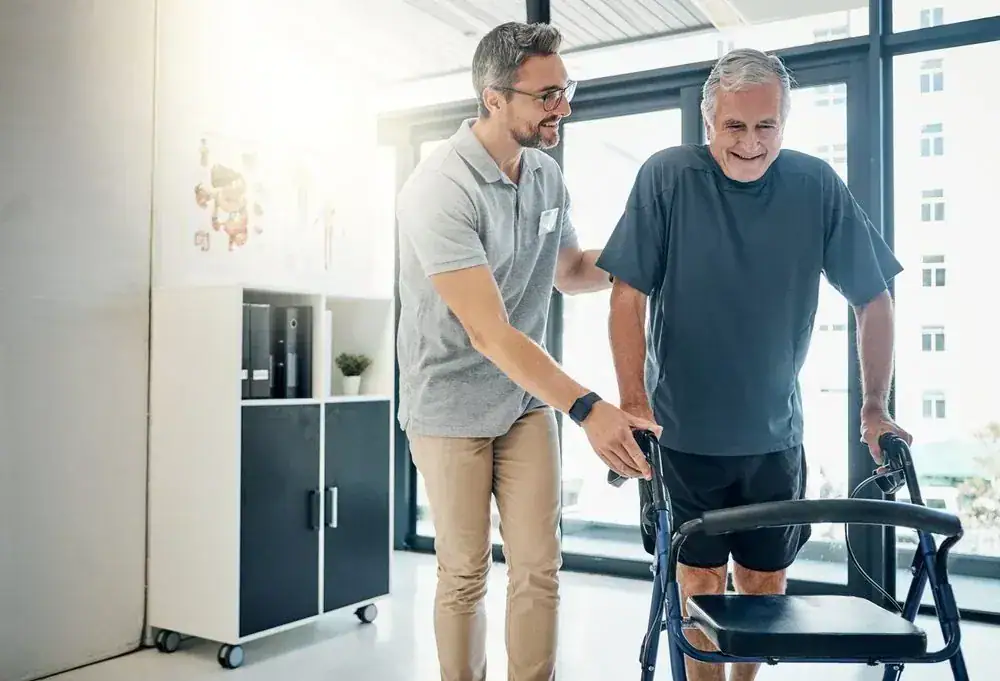
You stop second-guessing every step. That’s what happens when your balance improves—not overnight, but consistently, through targeted physical therapy that addresses why you’re unsteady in the first place.
Falls aren’t random. In Nassau County, 88% of injury hospitalizations for adults over 65 come from falls, and most of those falls happen at home. The good news? They’re preventable when you address the actual cause—weak stabilizer muscles, reduced flexibility, medication side effects, or vision changes that throw off your equilibrium.
Balance exercises for seniors aren’t about doing generic stretches. They’re about retraining your body to catch itself before a stumble becomes a fall. You’ll move with more confidence. You’ll trust your legs again. And you’ll stop planning your day around what feels “safe enough” to attempt.
We’ve been serving Long Island communities for decades, and we’ve seen what works. Our licensed physical therapists specialize in elderly fall prevention, working closely with your physician to create a plan that fits your specific risk factors—not a one-size-fits-all program.
North New Hyde Park, NY sits in the heart of Nassau County, where more than 200,000 older adults live independently. Many of them face the same challenges you do: aging in place while managing the physical demands of Long Island living. We understand the local landscape—literally and figuratively.
Our approach is straightforward. We assess your balance, strength, and gait. We identify what’s putting you at risk. Then we build a program that makes you stronger and steadier, week by week.

First, you come in for a comprehensive fall risk assessment. We look at your balance, your walking pattern, your strength, and your home environment. We also review your medications—because taking four or more can increase fall risk on its own.
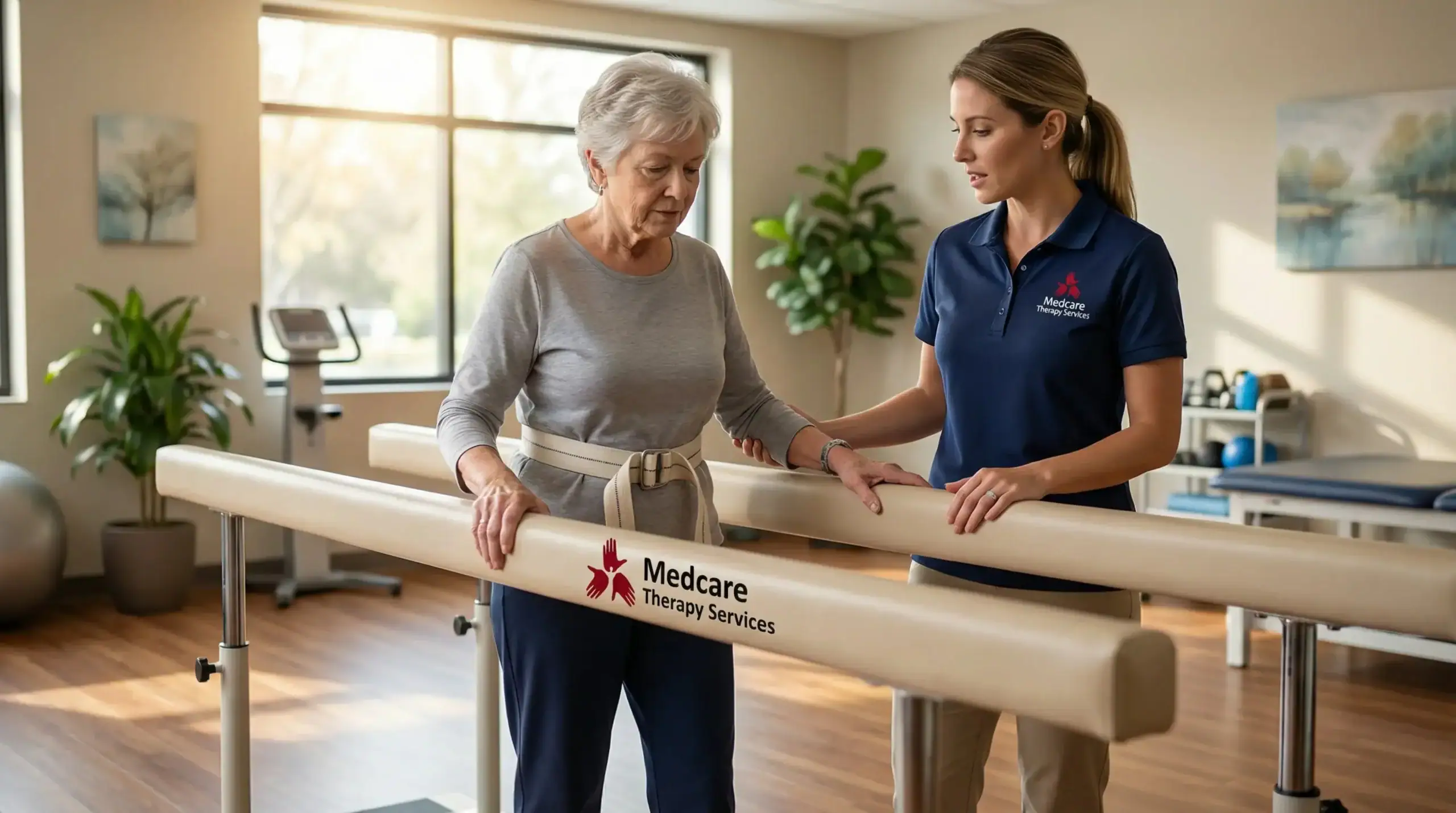
From there, we design a personalized program. That might include balance training on specialized equipment, strength exercises targeting your legs and core, gait training to improve how you walk, or vestibular therapy if dizziness is part of the picture. Every session is supervised by a licensed therapist who adjusts your program as you improve.
Most people start seeing changes within a few weeks. You’ll notice you’re steadier on your feet. Stairs feel less intimidating. You’re not grabbing for the wall or the counter as often. And that fear that’s been sitting in the back of your mind? It starts to fade because your body is actually stronger.

Ready to get started?
Your program starts with a full evaluation using evidence-based assessment tools, including the CDC’s STEADI model that’s proven to identify fall risk factors. You’ll receive a personalized treatment plan that addresses your specific needs—whether that’s improving leg strength, retraining your balance reflexes, or managing dizziness.
Sessions typically run twice a week and include hands-on therapy, guided exercises, and education about reducing hazards in your home. We work with your insurance—most major plans cover physical therapy for balance when it’s medically necessary. And because we coordinate directly with your doctor, everyone stays on the same page about your progress.
Long Island presents unique challenges. The commuter lifestyle creates chronic strain. Older homes have stairs, narrow hallways, and uneven surfaces. Winter weather adds another layer of risk. We factor all of this into your program because fall prevention isn’t just about what happens in our clinic—it’s about keeping you safe everywhere you go.
You’ll also learn which exercises to continue at home between sessions. These aren’t complicated. They’re practical, effective movements you can do in your living room to maintain and build on what you’re gaining in therapy.
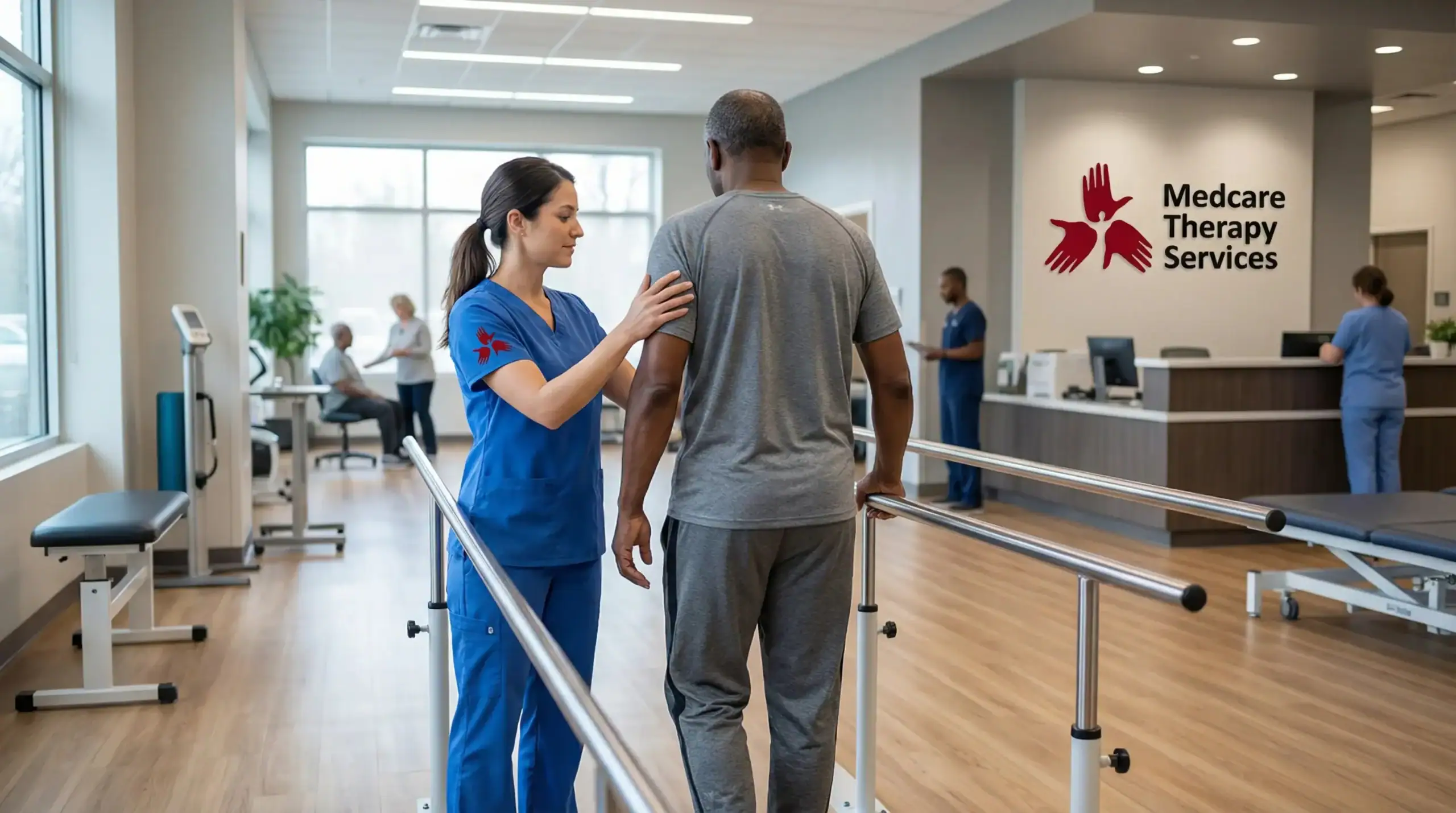
If you’ve fallen in the past year, you need it. Falling once doubles your chance of falling again, and that second fall is often worse than the first.
But you don’t have to wait for a fall to start. If you’re feeling unsteady, if you’re holding onto walls or furniture more than you used to, if you’ve had any close calls or near-misses—those are signs your balance isn’t what it should be. So is avoiding activities you used to do without thinking twice, like walking to the mailbox or going down to the basement.
Taking four or more medications also puts you at higher risk, even if you feel fine. Some medications affect your balance or make you dizzy without you realizing it. A fall risk assessment can catch these issues before they become problems.
Online exercises are generic. Physical therapy for balance is specific to what’s actually wrong.
Maybe your balance is off because your ankles are weak. Maybe it’s because your inner ear isn’t working right. Maybe you’ve lost flexibility in your hips, or your vision has changed, or a medication is making you lightheaded. You can’t fix those things with a YouTube video because you don’t know which one is your problem.
A physical therapist evaluates your specific risk factors, then designs a program that targets those exact issues. We also progress your exercises as you get stronger—something a video can’t do. And if something isn’t working or causes pain, we adjust immediately instead of you pushing through and making things worse.
Most major insurance plans cover physical therapy when it’s medically necessary, and fall prevention qualifies if your doctor refers you or if you’ve already fallen.
We work with Medicare, Medicaid, and most private insurance carriers. Before you start, we verify your benefits so you know exactly what your coverage looks like—no surprises. Some plans require a copay per visit. Others cover a set number of sessions per year.
If you’re not sure whether you’re covered, call us. We’ll check your specific plan and explain what you’ll owe, if anything. The cost of a few therapy sessions is a fraction of what a fall-related injury costs—both financially and physically. One hospitalization from a fall can run into the tens of thousands of dollars, not to mention the recovery time and loss of independence.
Most people see real improvement in six to eight weeks, but it depends on where you’re starting from and how consistent you are with the program.
If you’re coming in because you had one fall and you’re otherwise healthy, you might only need a few weeks of focused work. If you’re dealing with multiple risk factors—weak legs, balance issues, a history of several falls—it might take a few months to get you where you need to be.
Sessions typically happen twice a week. Each one lasts about 45 minutes to an hour. You’ll also have exercises to do at home between visits, which makes a big difference in how quickly you progress. The people who improve fastest are the ones who take it seriously and do the work outside of our clinic, not just during their appointments.
Not even close. Using an assistive device doesn’t mean you can’t get stronger or improve your balance. It just means you need support right now, and that’s fine.
In fact, many people who start fall prevention therapy while using a cane or walker end up needing it less—or not at all—once their strength and balance improve. The goal isn’t to take away your assistive device if it’s helping you stay safe. The goal is to make you strong enough that you’re not relying on it out of fear or weakness.
We’ve worked with plenty of people who thought they were past the point of improvement. They weren’t. Age doesn’t mean you can’t get stronger. It just means the process looks different than it did when you were 30. But your muscles still respond to training, your balance can still improve, and you can absolutely reduce your fall risk no matter where you’re starting from.
We’ve been doing this for decades, and we’re not trying to rush you through a cookie-cutter program so we can move on to the next patient.
You’ll work with licensed therapists who specialize in balance disorders and elderly fall prevention. We use the same evidence-based protocols and advanced equipment that hospital systems use, but in a local setting that’s easier to access. And because we’ve been part of the Long Island community for years, we understand what daily life looks like here—the physical demands, the home layouts, the weather challenges.
We also coordinate directly with your doctor. If something changes or if we identify a risk factor that needs medical attention, we communicate that immediately. You’re not just getting isolated therapy sessions. You’re getting integrated care that considers your whole health picture, and that makes a real difference in outcomes.
Other Services we provide in North New Hyde Park