
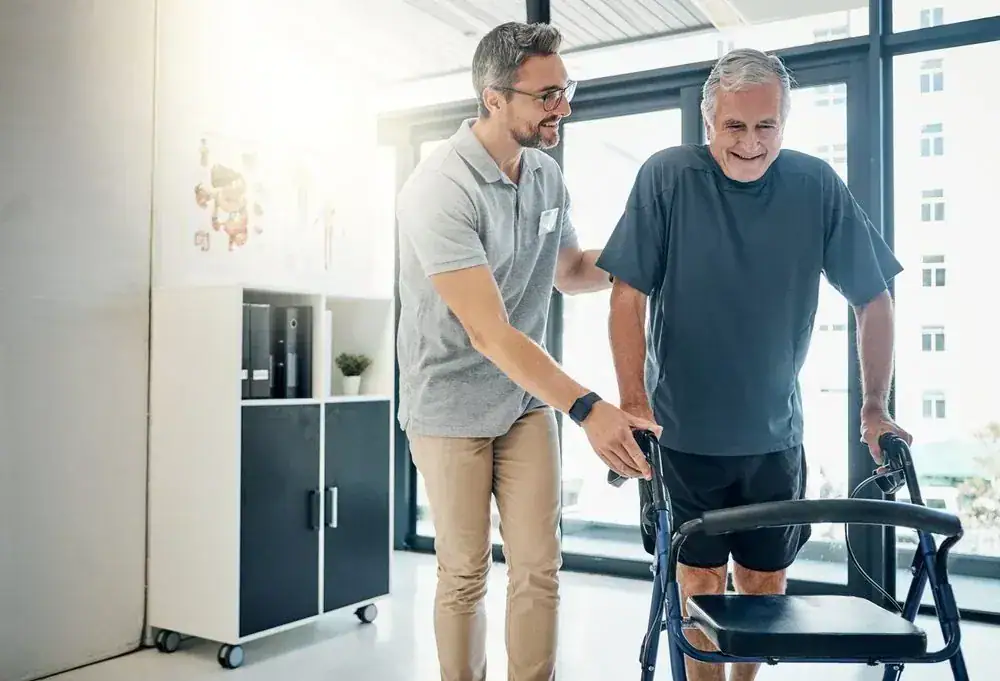
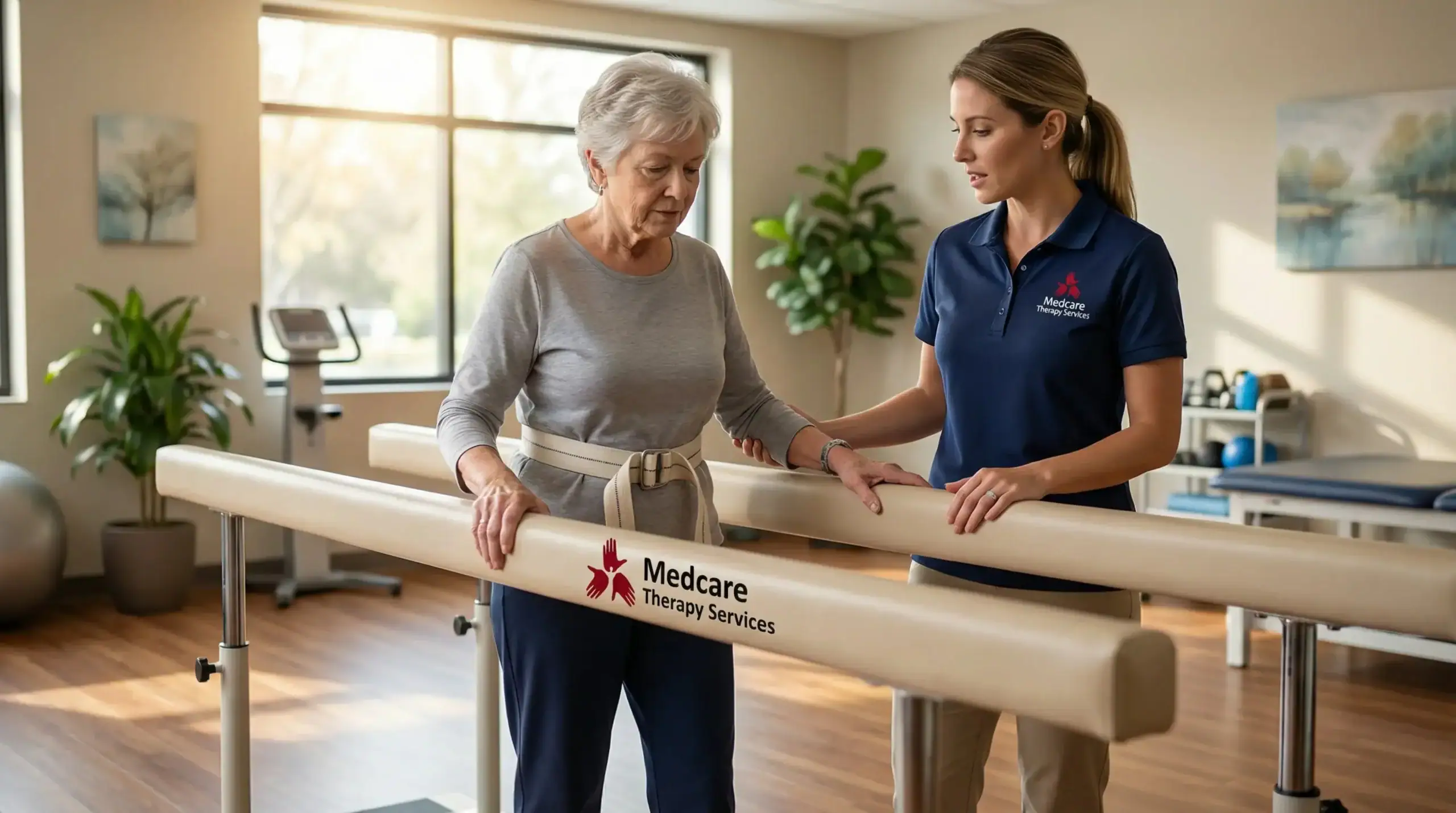
You stop planning your day around what might go wrong. The hesitation before standing up, the second-guessing every step on the stairs, the anxiety about walking to the mailbox—it fades when your body feels stable again.
Balance training isn’t just about preventing falls. It’s about getting back to the life you had before fear started making decisions for you.
When you work with a licensed therapist who understands elderly fall prevention, you’re not just doing generic exercises. You’re addressing your specific risk factors—weak legs, poor posture, medication side effects, home hazards—with a plan built around your current ability and your actual goals. The research is clear: consistent balance exercises for seniors improve gait, posture, and stability, even in adults over 80.
You’ll notice the difference in how you feel getting out of bed, walking through your home, and doing the activities you’ve been avoiding. That’s what matters.
We’ve been providing home-based physical therapy across Nassau and Suffolk County for over a decade. We’re not new to this, and we’re not experimenting with your safety.
Our therapists specialize in fall prevention for older adults. We come to your home in Nissequogue, assess your actual environment, and build a program that fits your life—not a textbook. Every plan is designed around what you can do now and where you need to be to feel secure again.
We treat you like family because that’s how healthcare should work. You’re not a number, and your concerns aren’t dismissed. When you call, you’ll talk to someone who listens and actually understands what living with fall risk feels like in this community.
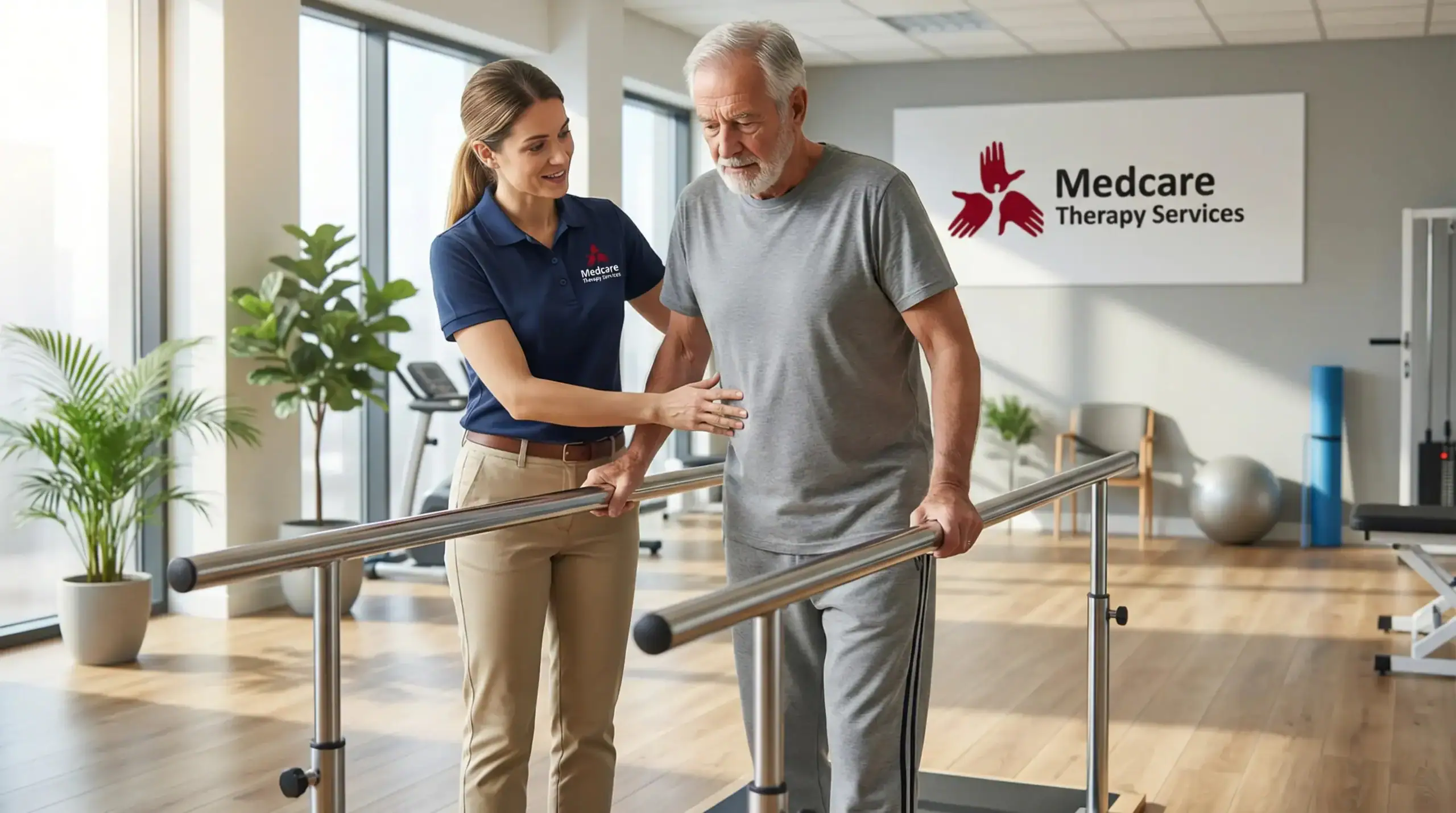
First, we come to your home for a complete fall risk assessment. A licensed physical or occupational therapist evaluates your strength, balance, gait, medications, and your actual living space. We’re looking at the things that increase your risk—loose rugs, poor lighting, clutter, bathroom setup, footwear—and your physical condition.
Then we build your personalized program. You’ll get senior balance exercises designed for your current ability level, strengthening routines that target the muscles you need for stability, and specific recommendations for making your home safer. Everything is documented and progresses as you improve.
You’ll work with your therapist during scheduled sessions, and you’ll have exercises to practice between visits. This isn’t a one-and-done appointment. It’s a structured program that typically runs several weeks, with ongoing adjustments based on how you’re responding. Most of our patients see measurable improvements in confidence and physical function within the first few weeks.
We also coordinate with your doctor when needed, especially if medications or other health conditions are contributing to your fall risk. You’re covered under Medicare when the service is medically necessary, which it usually is if you’ve fallen before or your doctor has concerns.

Ready to get started?
You get a full fall risk evaluation in your home, which is critical because 60% of fall-related hospitalizations in older adults happen at home. We assess every room you use regularly and identify hazards you might not notice.
Your exercise program includes balancing exercises that strengthen your core and legs, gait training to improve how you walk, and coordination drills that help your body react faster if you start to lose balance. These aren’t complicated moves—they’re practical, evidence-based exercises that work.
We also review your medications with you. Taking four or more medications significantly increases fall risk, and certain drugs cause dizziness or affect your balance. If we spot something concerning, we’ll communicate with your physician.
For Nissequogue residents and the surrounding Long Island communities, this matters more than you might think. New York has the fourth largest older adult population in the country, and from 2018 to 2023, fall-related deaths among older New Yorkers increased by 25%. You’re not overreacting by taking this seriously. You’re being smart.
The goal is simple: you stay in your home, you stay independent, and you stop worrying every time you stand up.
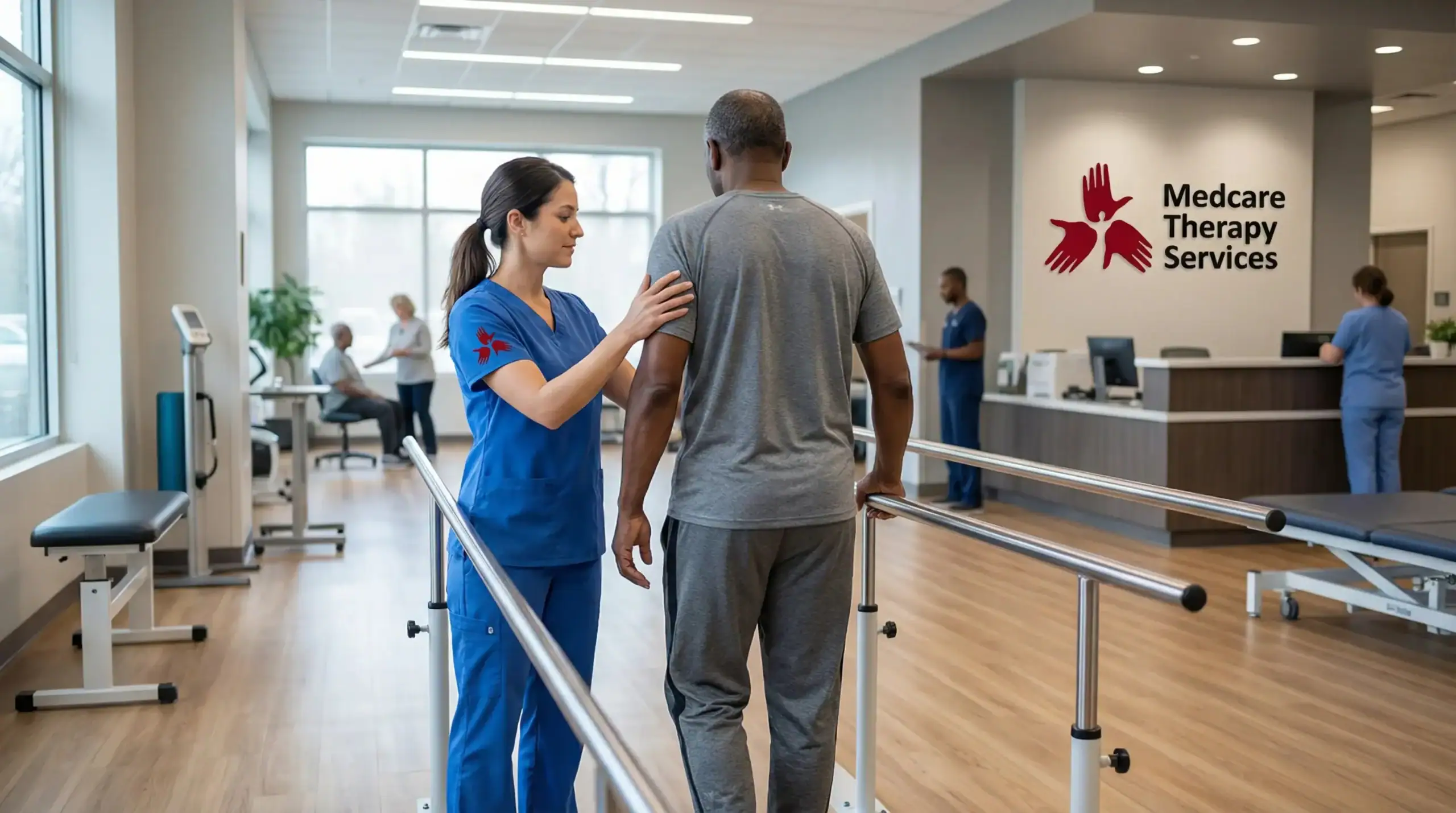
If you’ve fallen in the past year, you need it. Falling once doubles your chance of falling again, even if you weren’t injured the first time.
But you don’t have to wait for a fall. If you’re feeling unsteady on your feet, avoiding activities because you’re worried about balance, or if you’ve noticed your walking has slowed down or changed, those are signs your body needs help. Fear of falling is a real risk factor—it leads to less activity, which makes you weaker, which increases fall risk even more.
Your doctor might have already mentioned concerns about your balance, your medications, or conditions like arthritis, Parkinson’s, or osteoporosis that increase risk. If you’re taking four or more medications, that alone puts you in a higher risk category. A professional assessment gives you a clear answer and a plan, rather than just hoping nothing happens.
We assess and treat you in the environment where you actually live. That’s where most falls happen, and that’s where you need to feel confident.
When we come to your home in Nissequogue, we see the real hazards—your specific stairs, your bathroom layout, the lighting in your hallway, the rugs you walk on every day. We can recommend changes that actually matter for your space, not generic advice. You also don’t have to worry about transportation, which can be a barrier if you’re already unsteady or don’t drive anymore.
The exercises we teach you are practiced in your own home, using your furniture and your actual daily routines. That makes it easier to keep doing them after therapy ends. You’re building habits in the place where you need them most, and that leads to better long-term results. Plus, for many older adults, the comfort and convenience of staying home reduces stress and makes it easier to focus on getting stronger.
Yes, when it’s medically necessary. If you’ve fallen before, if your doctor has documented balance or gait problems, or if you have conditions that increase fall risk, Medicare typically covers physical therapy for fall prevention.
You’ll need a physician’s order, which we can help coordinate if you don’t already have one. Medicare Part B covers outpatient physical therapy, including home health services, and most fall prevention programs qualify because they’re treating a specific medical condition—not just general wellness.
There may be a copay or deductible depending on your specific plan, but the cost of therapy is a fraction of what a fall-related hospitalization costs. The average hospital stay for a fall runs into tens of thousands of dollars, and 60% of older adults who are hospitalized for falls end up in a nursing home or rehab facility afterward. Prevention is always cheaper than treatment, and Medicare understands that.
Most programs run between 4 to 8 weeks, with sessions 2-3 times per week. But it depends entirely on your starting point and your goals.
If you’re recovering from a fall or you have significant weakness, you might need more time. If you’re relatively strong but just need better balance training and home modifications, it could be shorter. Your therapist will give you a realistic timeline after the initial assessment.
The key is consistency. You’ll have exercises to do between sessions, and how well you stick with those makes a big difference in how fast you improve. This isn’t passive treatment—you’re actively rebuilding strength and stability. But the exercises are designed for your current ability, so you’re not being asked to do anything unsafe or unrealistic. Progress happens in small, measurable steps, and most people notice a difference in how they feel within the first few weeks.
It’s not too late. Multiple falls mean you’re at higher risk, but that’s exactly why professional intervention works.
Each fall damages your confidence and often leads to less activity, which weakens you further. That cycle has to be interrupted, and the way to do it is with a structured program that addresses all your risk factors at once—strength, balance, home safety, medications, and fear.
Research shows that physical activity and targeted exercise reduce falls by 13% to 40% in older adults, even those who’ve fallen before. The difference is having a licensed therapist who knows how to assess your specific situation and build a safe, progressive program. You’re not doing this alone, and you’re not guessing at what might help. You’re working with someone who’s seen this before and knows how to get you stable again. The goal is to stop the pattern before the next fall causes a serious injury.
Absolutely, and we encourage it. Family members often notice things you might not, and they can help reinforce exercises and safety changes between sessions.
We can show family members how to assist with certain exercises, what warning signs to watch for, and how to support you without taking over. Sometimes adult children are the ones who initiate the call because they’re worried, and that’s completely normal. We’ll communicate with whoever you want involved, while still respecting your privacy and independence.
Having family in the loop also gives everyone peace of mind. They’ll understand what you’re working on, what progress looks like, and how they can help without hovering. Fall prevention isn’t just about the person at risk—it affects the whole family. When everyone understands the plan and sees the improvements, it reduces anxiety all around and makes it easier for you to stay independent in your own home.
Other Services we provide in Nissequogue