
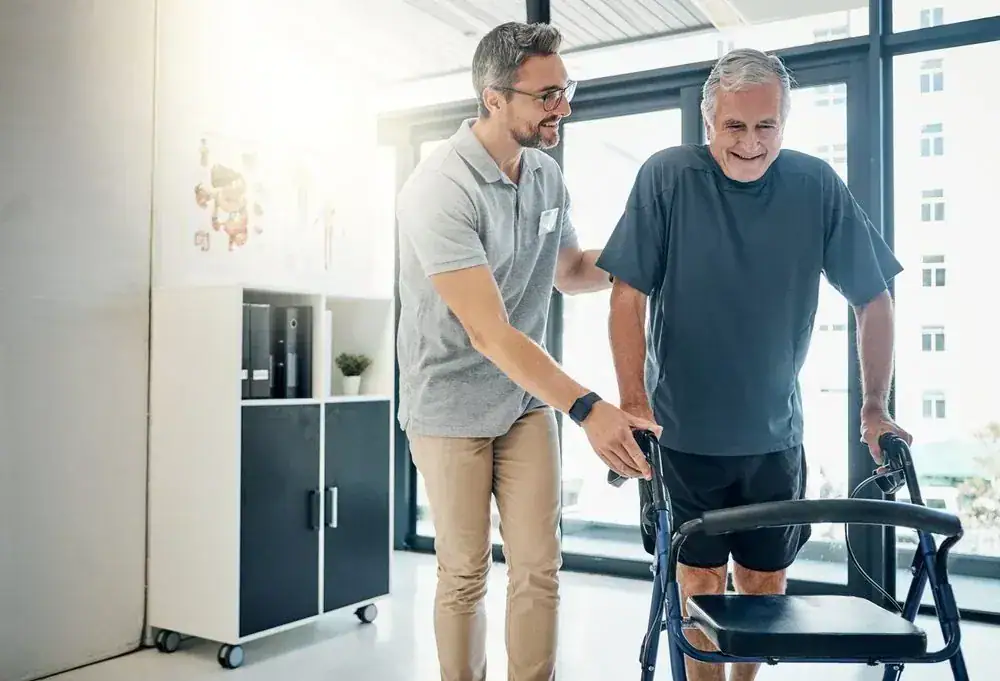
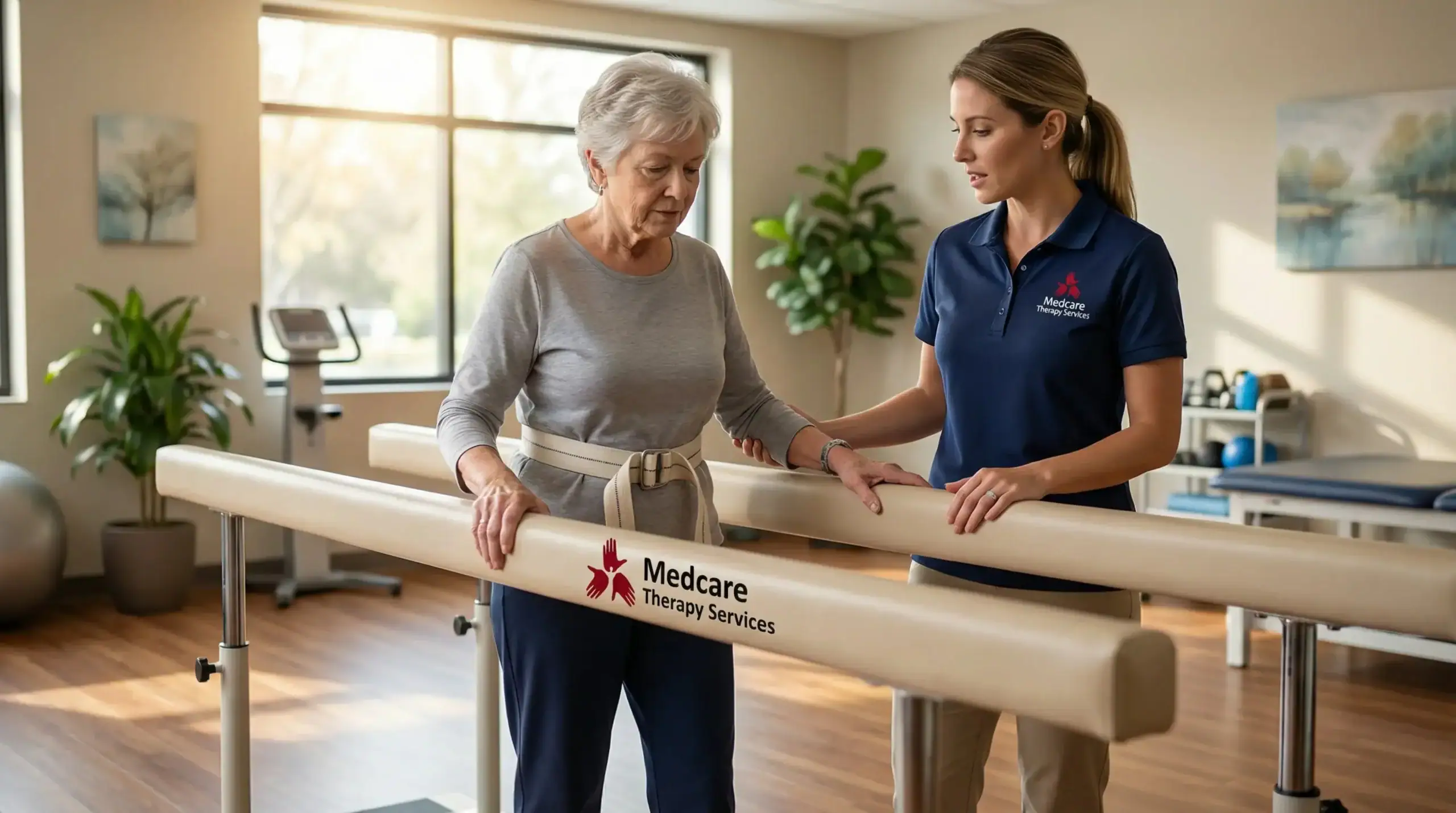
You stop second-guessing every step. Getting up from a chair doesn’t require a strategy session. Walking to the mailbox or moving around your kitchen becomes automatic again, not something you have to plan around.
That confidence matters because fear of falling often does more damage than the fall itself. When you start limiting what you do because you’re worried about losing your balance, your world gets smaller. Your muscles get weaker. And the actual risk goes up.
Physical therapy for balance works because it addresses what’s actually causing the instability. Maybe your legs aren’t as strong as they used to be. Maybe your reaction time has slowed. Maybe you’re dealing with vertigo or neuropathy that throws off your sense of where your body is in space. A therapist figures out what’s happening and builds a program around your specific situation.
The outcome isn’t just fewer falls. It’s being able to live in your own home without constantly calculating risk. It’s your family worrying less. It’s doing what you want to do instead of what you think is safe enough.
We’ve been helping people across Suffolk County stay independent for over a decade. We specialize in home-based care, which means you don’t have to figure out transportation or worry about getting to an appointment when mobility is already a concern.
Our therapists are licensed, trained specifically in fall prevention, and experienced with the challenges Long Island seniors face. Mastic has a significant older population, and we’ve worked with enough people in this area to understand what daily life actually looks like here. The homes, the layout, the weather, the terrain.
We don’t operate like a corporate clinic. You’re not getting rotated through a system. You’re getting a therapist who shows up, assesses your situation in the environment where you actually live, and builds a plan that makes sense for your body and your goals.
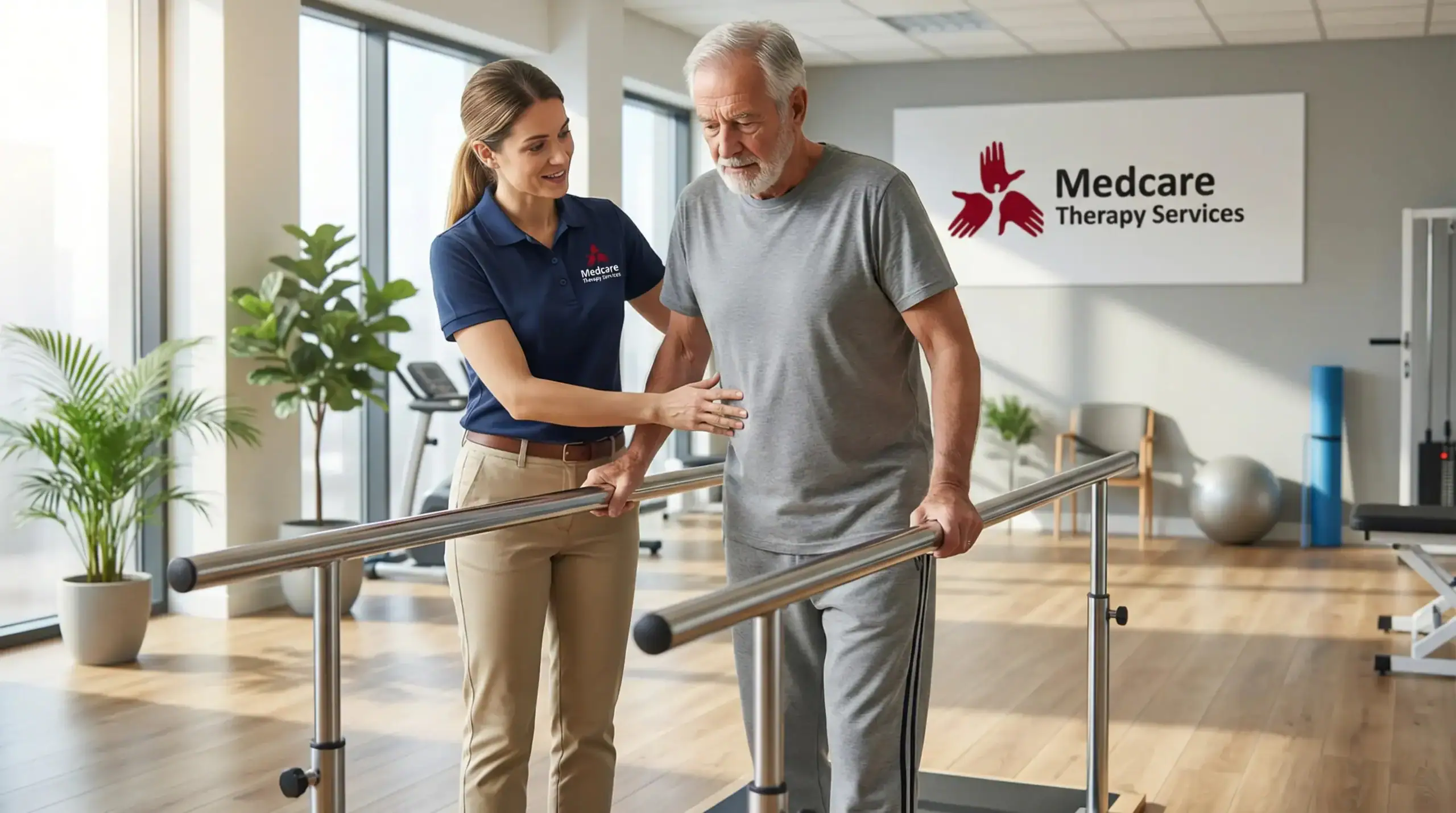
First, a physical therapist comes to your home and does a full assessment. They’ll watch how you move, test your strength and coordination, check your balance in different positions, and look at your environment. They’re figuring out what’s increasing your fall risk and what needs to change.
Then they build a program. This isn’t a generic handout. It’s based on what they observed about your gait, your stability, your strength, and your living space. You might do balance exercises for seniors that challenge your equilibrium in controlled ways. You might work on strengthening your legs and core. You might practice getting up from different surfaces or navigating obstacles.
Sessions happen in your home, usually two to three times a week depending on what Medicare approves and what your situation requires. Your therapist tracks your progress, adjusts exercises as you get stronger, and teaches you techniques to reduce risk when they’re not there. They’ll also recommend modifications to your home if something like lighting, rugs, or bathroom setup is creating unnecessary danger.
The goal is to get you strong and stable enough that you don’t need us anymore. Most people see measurable improvement within a few weeks, but the timeline depends on where you’re starting from.

Ready to get started?
You get a licensed physical or occupational therapist who comes to your home and works with you one-on-one. That includes a full fall risk evaluation at the start, a personalized exercise program, and ongoing adjustments as you progress.
The exercises themselves vary. Balance training might involve standing on one leg, weight shifting, or using different surfaces to challenge your stability. Strength work focuses on your legs, hips, and core since those are what keep you upright. Gait training helps you walk more safely and efficiently, especially if you’re using a cane or walker.
Your therapist will also go through your home and point out hazards. Loose rugs, poor lighting, clutter in walkways, lack of grab bars. They’ll recommend changes and sometimes coordinate with family members to get things handled.
Here in Mastic, fall prevention isn’t optional. Nassau and Suffolk counties rank fourth and fifth in New York State for fall-related incidents among older adults. In Nassau County alone, 88% of injury hospitalizations for people over 65 are from falls. You’re statistically more at risk here than in most other parts of the state, which makes this kind of proactive care critical.
Medicare typically covers home health physical therapy if you’re homebound and have a doctor’s referral. We handle the paperwork and verification so you’re not navigating that alone.

If you’ve fallen in the past year, you need it. Falling once doubles your chance of falling again, and that’s not something to wait out.
But you don’t have to wait for a fall. If you’re feeling unsteady on your feet, avoiding activities because you’re worried about balance, or catching yourself on furniture more often, those are signs your stability is declining. If you’ve noticed your walking has slowed down or you’re shuffling instead of taking full steps, that’s another red flag.
Some people don’t realize how much their balance has changed until a therapist tests it. A professional assessment picks up on things you might not notice day-to-day but that significantly increase fall risk. If your doctor has mentioned concerns about your mobility, or if family members are worried, it’s worth getting evaluated. The earlier you address it, the easier it is to fix.
Balance exercises are specifically designed to challenge your body’s ability to stay upright and recover when you’re off-center. They’re not about cardio or general fitness. They target the systems that keep you stable: your muscles, your inner ear, your vision, and your proprioception, which is your sense of where your body is in space.
A typical program might include standing on one leg, walking heel-to-toe in a straight line, or shifting your weight from side to side. As you improve, exercises get harder. You might close your eyes, stand on foam, or add head movements. The goal is to safely stress your balance system so it gets better at responding when you’re in a real situation, like stepping off a curb or reaching for something on a shelf.
Senior balance exercises also account for things like joint pain, limited mobility, or chronic conditions that affect how you move. A good therapist adjusts everything to your current ability level and builds from there. You’re not doing anything that puts you at risk of falling during the session itself.
Yes, if you meet certain criteria. Medicare Part B covers physical therapy in your home if you’re considered homebound, meaning leaving your house requires significant effort or assistance. You also need a doctor’s referral stating that therapy is medically necessary.
Once those boxes are checked, Medicare typically covers the cost of sessions, though you may have a copay depending on your specific plan and whether you’ve met your deductible. We verify your coverage before starting so there are no surprises.
The homebound requirement is key. If you’re able to leave your house easily and frequently, Medicare won’t cover home-based therapy. But if getting out is difficult due to mobility issues, health conditions, or the need for assistance, you likely qualify. Many people in Mastic meet this threshold, especially older adults dealing with balance problems or recovery from illness or surgery.
Most people do therapy for six to eight weeks, with sessions two to three times per week. That’s enough time to see real improvement in strength, balance, and confidence if you’re consistent with the exercises.
Some people need more time, especially if they’re starting from a weaker baseline or dealing with multiple health issues. Others progress faster. It depends on your age, your current physical condition, how often you’ve fallen, and whether you have underlying problems like neuropathy or arthritis that complicate things.
The goal isn’t to keep you in therapy forever. It’s to get you strong and stable enough to maintain your balance on your own. Your therapist will teach you exercises you can continue after formal sessions end. A lot of people keep doing their balance routine a few times a week just to stay sharp. Research shows that balance training three or more days a week reduces fall risk significantly, so building that habit matters long-term.
Yes. Age doesn’t disqualify you from getting stronger or improving your balance. Your body still responds to training, even if the process takes a bit longer than it would have 20 years ago.
Studies show that older adults who do regular balance and strength exercises can reduce their fall risk by up to 50%. That’s not a small number. Even people in their 80s and 90s see measurable gains in stability, walking speed, and confidence when they stick with a program.
The key is working with someone who understands how to train older adults safely. You’re not doing the same exercises a 30-year-old would do. Everything is adapted to your current ability, your health conditions, and your goals. Progress might be gradual, but it’s real. And the alternative—doing nothing and hoping your balance doesn’t get worse—isn’t a strategy. It’s a gamble that doesn’t usually pay off.
Your therapist shows up at your home and spends about an hour getting a full picture of your situation. They’ll ask about your health history, any falls you’ve had, medications you’re taking, and what you’re hoping to accomplish.
Then they’ll assess your physical abilities. They’ll watch you walk, stand up from a chair, reach for things, and hold different balance positions. They might test your leg strength, check your range of motion, and see how well you can shift your weight without losing stability. If you use a cane or walker, they’ll evaluate whether you’re using it correctly.
They’ll also walk through your home and identify fall hazards. Things like loose rugs, poor lighting, stairs without railings, or a bathroom that’s hard to navigate safely. They’re looking at the environment where you actually live, not a clinic setting, so the recommendations are specific to your space. By the end of that first visit, you’ll have a clear plan for what you’ll be working on and why.
Other Services we provide in Mastic