
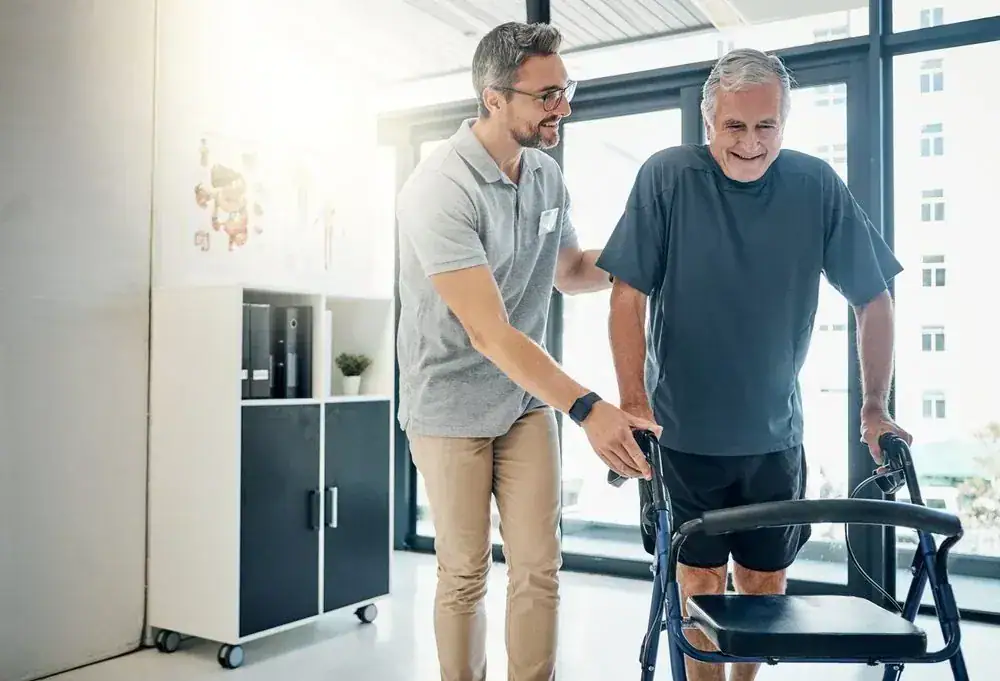
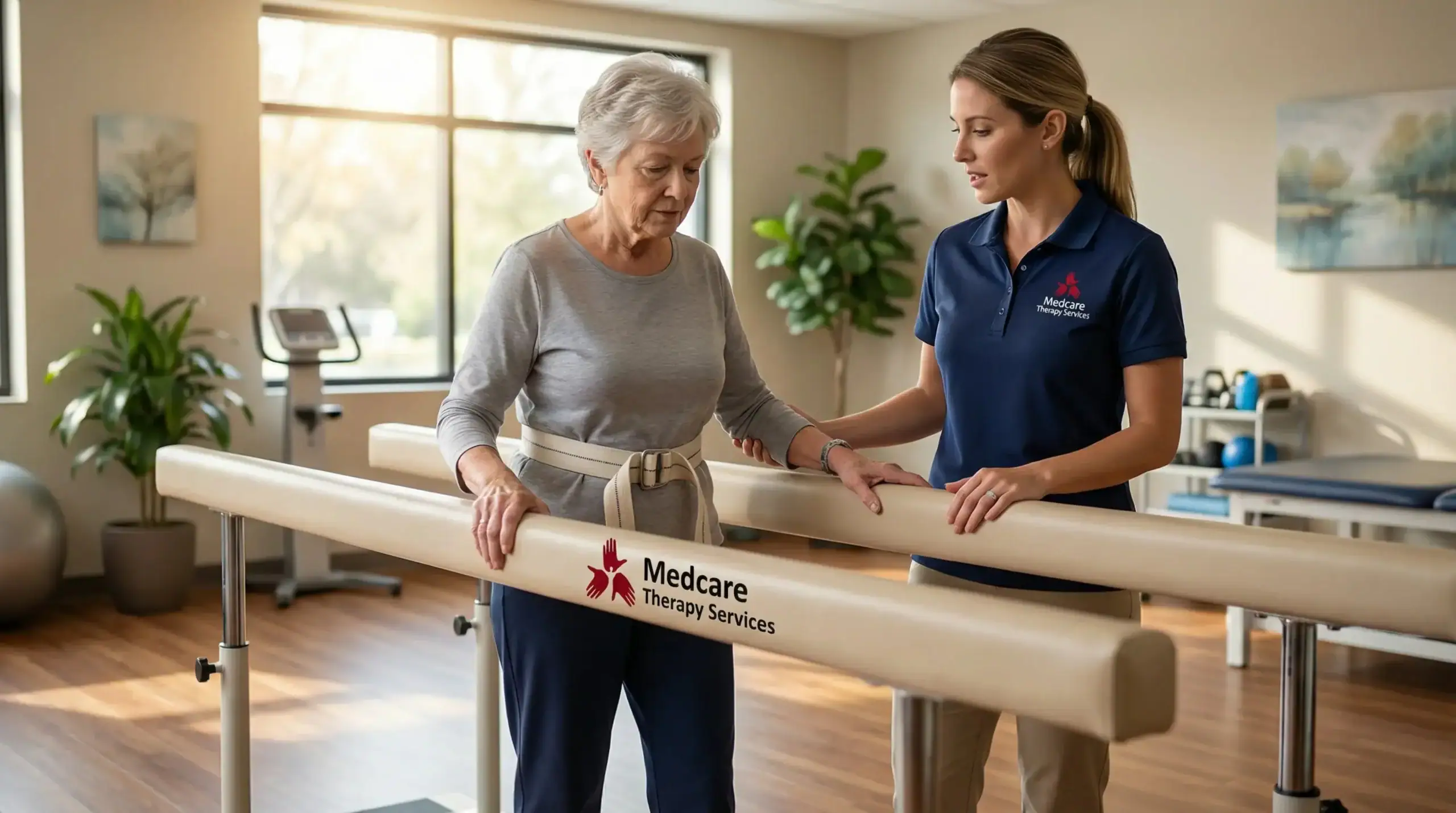
You stop second-guessing every step. Getting the mail doesn’t feel risky. Walking to the kitchen at night doesn’t require a hand on the wall.
That’s what happens when balance exercises for seniors become part of your routine. Your gait steadies. Your posture straightens. Your confidence comes back because your body starts responding the way it used to.
Falls aren’t inevitable. One in three adults over 65 falls each year, but regular balance training can cut that risk in half. You’re not just preventing an accident—you’re protecting your independence, your mobility, and your ability to live on your terms. When you’re steady on your feet, you stay in control of your life.
We’ve been serving Long Island families for over 14 years. We bring licensed physical therapists directly to your home in Malverne Park Oaks because we know transportation is often the biggest barrier to getting care.
We treat you like family. That’s not a tagline—it’s how we operate. Every session is personalized, every exercise is functional, and every recommendation is based on what actually works in your home, with your routine, and for your goals.
Malverne Park Oaks has a higher-than-average senior population, and Nassau County ranks fourth in New York State for fall-related incidents. We’re here because this community needs accessible, effective fall prevention that doesn’t require you to drive across town or sit in a waiting room.
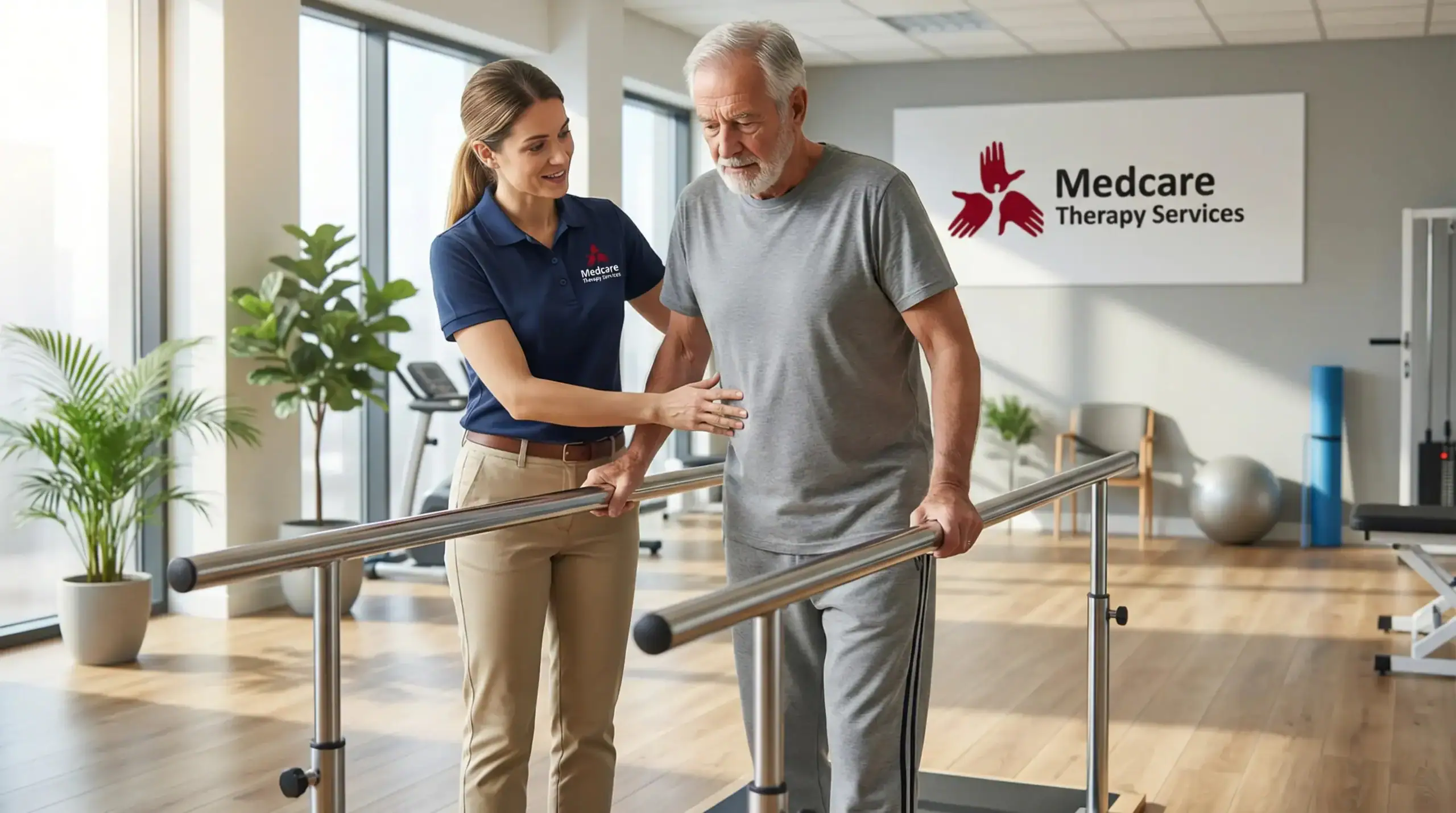
First, we come to you. A licensed therapist evaluates your balance, strength, gait, and coordination right in your home. We’re also looking at your environment—lighting, rugs, furniture layout, bathroom setup—because half of all fall-related hospitalizations happen at home.
From there, we build a plan. It’s not generic. It’s based on your specific risk factors, your mobility level, and what you actually do every day. Senior balance exercises might include standing on one foot, heel-to-toe walking, or sit-to-stand drills. We also work on strength, flexibility, and reaction time.
Each session is scheduled around your life, not ours. You’ll work with the same therapist who understands your progress and adjusts your program as you improve. Most plans are covered by Medicare, so you’re not paying out of pocket for something that’s medically necessary. You get stronger, steadier, and more confident without leaving home.

Ready to get started?
You get a full fall risk assessment that measures balance, muscle strength, joint flexibility, and walking patterns. We test how you move through real-world tasks—getting out of a chair, turning around, stepping over objects—because that’s where falls happen.
Your program includes balancing exercises tailored to your ability level. We don’t hand you a printout and hope you follow it. We guide you through each movement, correct your form, and make sure you’re doing it safely. As you improve, we progress the exercises so you keep building strength and stability.
We also review medications with you. Some prescriptions affect balance or cause dizziness, and knowing that helps you have better conversations with your doctor. You’ll get home safety recommendations too—simple changes like removing tripping hazards, adding grab bars, or improving lighting. In Nassau County, where fall-related deaths increased 25% from 2018 to 2023, these adjustments aren’t optional. They’re essential. You deserve care that’s thorough, local, and designed around preventing the fall before it happens.
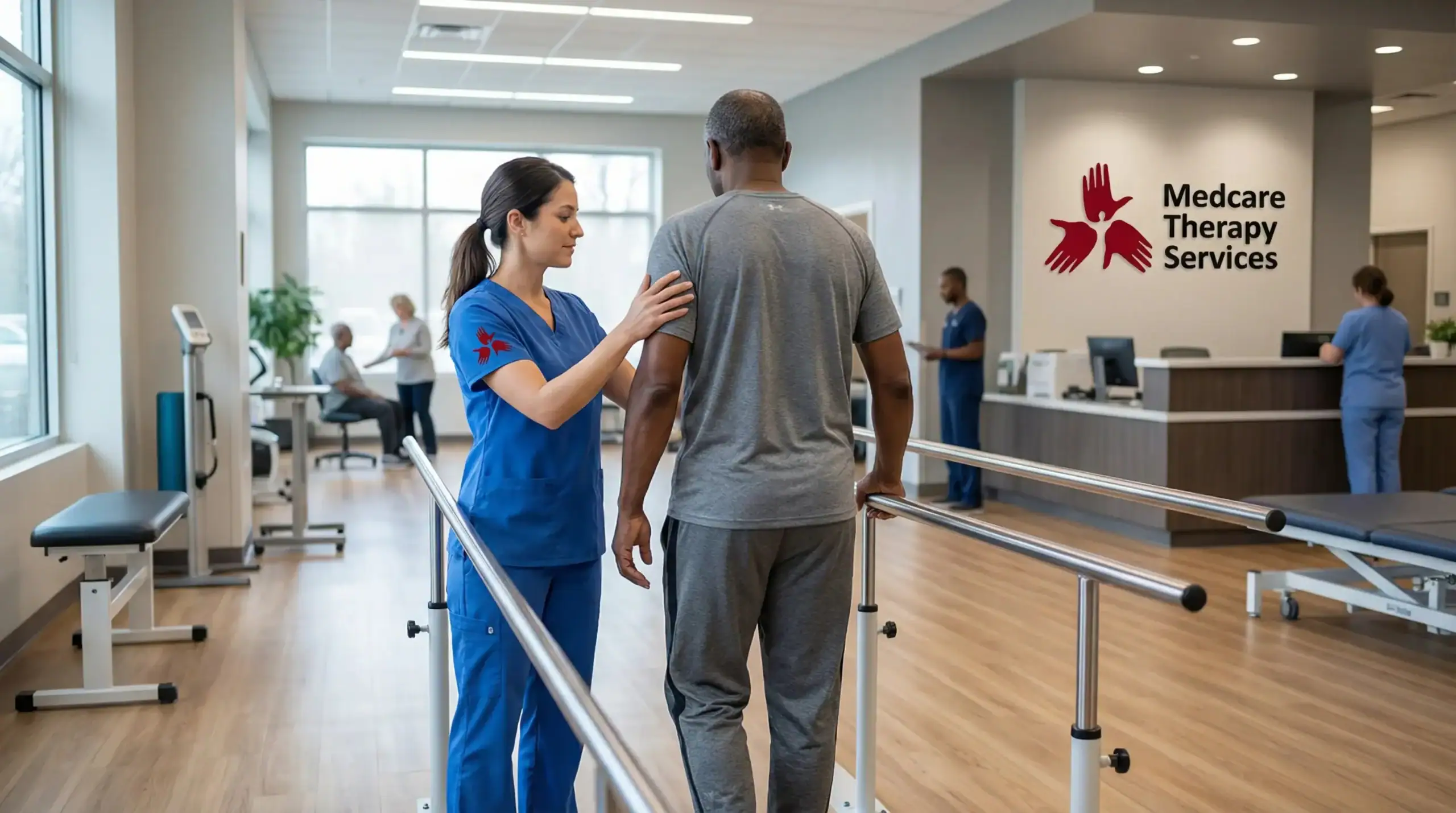
You’re at higher risk if you’ve fallen before, even once. Falling once doubles your chance of falling again, and that’s not because you’re careless—it’s because the underlying issue hasn’t been addressed.
Other signs include feeling unsteady when you walk, needing to hold onto furniture or walls for support, or avoiding certain activities because you’re worried about losing your balance. If you take medications that make you dizzy or sleepy, that increases risk too. Muscle weakness, vision problems, and home hazards like loose rugs or poor lighting all contribute.
A professional fall risk assessment gives you a clear answer. We measure your balance, strength, and gait, then compare that to clinical benchmarks. You’ll know exactly where you stand and what needs attention. Most people wait until after a fall to get help. You don’t have to.
It’s not just exercise—it’s targeted intervention based on what’s causing your balance issues. Generic fitness programs don’t address gait abnormalities, proprioception loss, or muscle imbalances that lead to falls.
Physical therapy for balance focuses on the systems that keep you upright: your vestibular system, your vision, your muscle coordination, and your reaction time. We use evidence-based exercises that have been shown to reduce fall risk by up to 50%. That includes strength training for your legs and core, balance drills that challenge your stability in controlled ways, and functional movements that mimic what you do every day.
The difference is supervision and progression. You’re working with a licensed therapist who knows how to push you just enough to see improvement without putting you at risk. We adjust based on how your body responds. Studies show that consistent balance exercises improve gait, posture, and stability even in adults over 80. This isn’t hope—it’s proven intervention.
Yes, if it’s medically necessary. Medicare Part B covers physical therapy when it’s prescribed by a doctor and delivered by a licensed therapist. Fall prevention qualifies because it addresses a documented health risk.
You’ll need a referral or prescription from your physician. Once we verify your eligibility, we handle the billing and coordination with Medicare. Most patients pay little to nothing out of pocket after their deductible is met.
In-home therapy is especially valuable if you have mobility limitations, transportation challenges, or live alone. Medicare recognizes that getting you the care you need in your home is often more effective than requiring you to travel to a clinic. We make sure everything is set up correctly so you can focus on your recovery, not paperwork.
You’re training in the environment where you actually live. That means we can address the real obstacles you face every day—your stairs, your bathroom layout, your flooring, your furniture arrangement. A clinic can’t replicate that.
In-home therapy also removes the transportation barrier. If getting to appointments is difficult, stressful, or requires someone else to drive you, you’re less likely to stick with the program. Consistency matters. When therapy comes to you, you’re more likely to complete the full course of treatment and see lasting results.
There’s also a comfort factor. You’re in your own space, working one-on-one with a therapist who sees how you move through your daily routine. We can make recommendations that are specific to your home and your habits. For seniors in Malverne Park Oaks dealing with balance concerns, that personalized approach makes all the difference.
Most people notice changes within a few weeks, but meaningful improvement takes consistency. Balance and strength don’t rebuild overnight, especially if you’ve been dealing with decline for months or years.
You might feel steadier after just a handful of sessions. Your confidence improves because you’re practicing movements in a controlled way with professional guidance. Measurable gains in strength, gait speed, and stability typically show up around the four-to-six-week mark if you’re doing the exercises as prescribed.
Long-term results depend on sticking with the program. We usually recommend twice-a-week sessions for the first month or two, then taper as you build independence. Some people continue with maintenance sessions to stay sharp. The goal isn’t just short-term improvement—it’s sustained stability that keeps you safe and active for years.
Your first visit is an evaluation. We’ll ask about your medical history, any falls or near-falls you’ve had, medications you take, and what concerns you most about your balance or mobility.
Then we assess how you move. That includes watching you walk, sit down and stand up, reach for objects, and perform balance tests like standing on one leg or walking heel-to-toe. We’re measuring your strength, flexibility, coordination, and reaction time. We’ll also walk through your home to spot hazards—loose rugs, clutter, dim lighting, lack of grab bars.
At the end of the session, we’ll explain what we found and outline a treatment plan. You’ll know what exercises you’ll be doing, how often we’ll meet, and what goals we’re working toward. No surprises, no pressure. Just a clear path forward that’s designed around your needs and covered by your insurance.
Other Services we provide in Malverne Park Oaks