
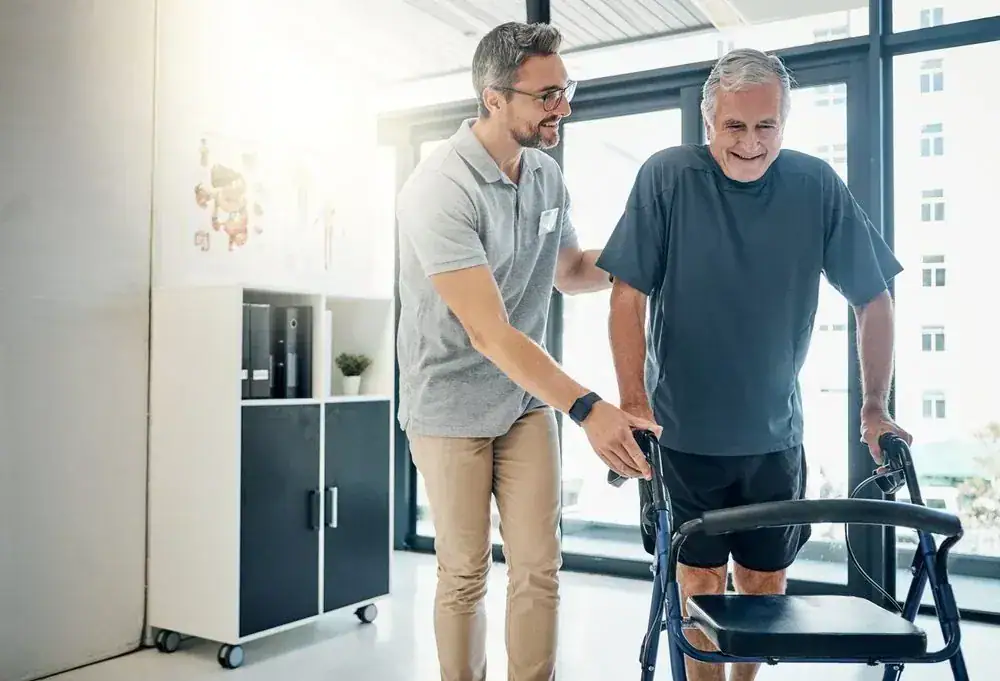
You stop second-guessing every step. Getting up from a chair doesn’t require a strategy. Walking to the mailbox or navigating your bathroom at night becomes automatic again, not something you plan around.
That’s what better balance actually looks like. Not just fewer falls, but more freedom in how you move through your day.
When your legs are stronger and your coordination sharpens, you’re not just safer. You’re more willing to go places, do things, and stay involved. Research shows that regular balance and strength training can cut fall risk by up to 50%. But the real outcome is simpler: you get to keep doing what matters to you without constantly worrying about what might happen.
Physical therapy for balance isn’t about turning back the clock. It’s about giving you the stability and confidence to live on your terms right now.
We’ve been serving communities across Long Island for years, including Lloyd Harbor and the surrounding North Shore. We’re not a franchise or a revolving door of therapists. We’re a local team that understands what it’s like to age in this area—the homes, the winters, the lifestyle.
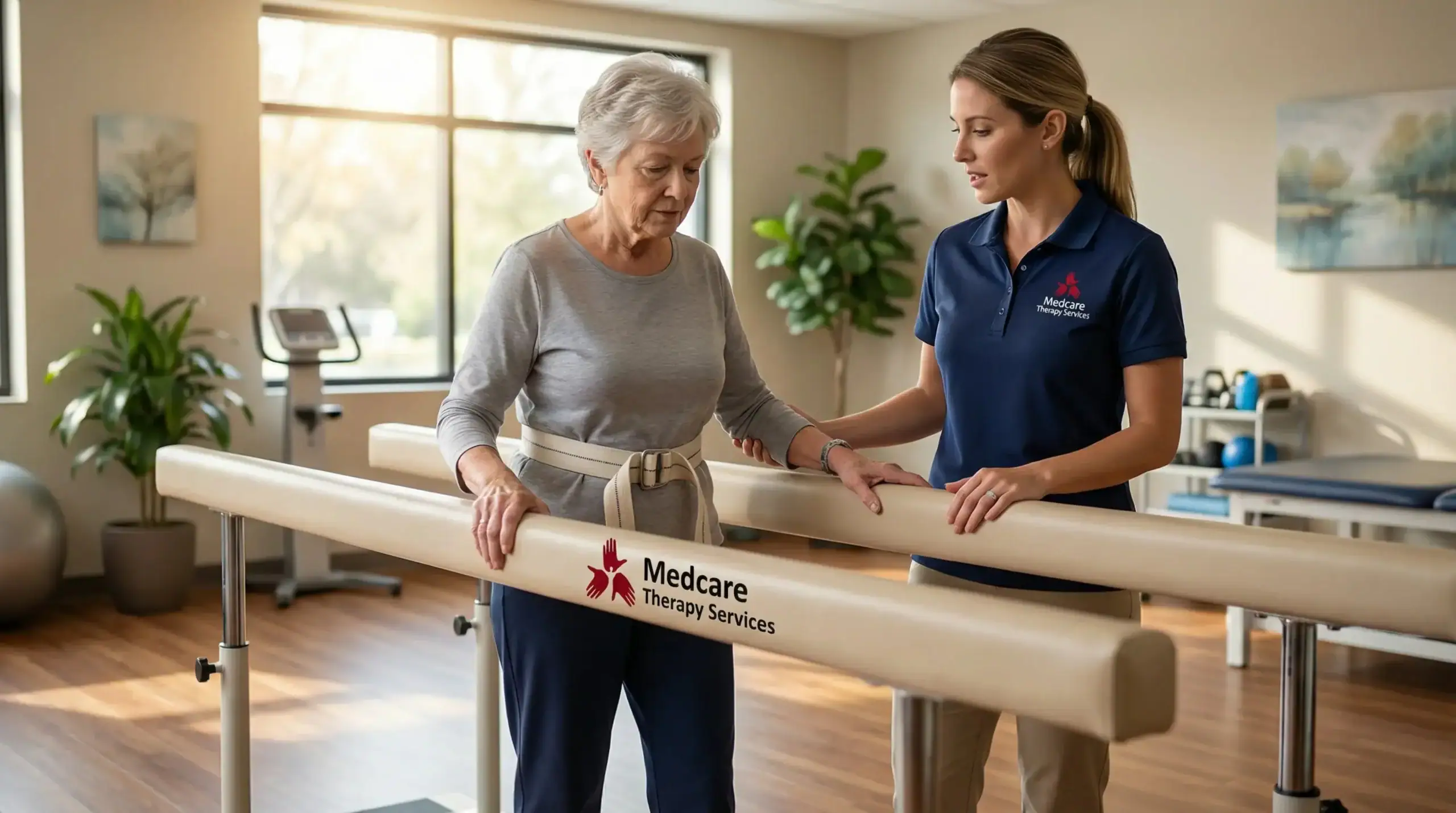
Our physical therapists specialize in balance disorders and elderly fall prevention. Every program is built around your current abilities, your home environment, and what you actually want to be able to do. We don’t hand you a generic exercise sheet and send you on your way.
You’ll work with licensed professionals who take the time to assess your specific fall risks, then design a plan that makes sense for your body and your life. That’s how we’ve built trust with families throughout Suffolk County.

It starts with a fall risk assessment. We look at your strength, balance, gait, and coordination. We also talk about your home setup and any past falls or close calls. This isn’t a quick screening—it’s a real conversation about what’s happening and why.
From there, we build a personalized exercise program. That usually includes balance training, leg strengthening, and coordination work. Some of it happens in our clinic. Some of it you’ll do at home. We’ll also walk through any environmental hazards that might be increasing your risk—loose rugs, poor lighting, clutter in walkways.
You’ll meet with your therapist regularly to progress the exercises as you get stronger. The goal is always the same: make you more stable, more confident, and more independent. Most people start seeing improvements within a few weeks, but the timeline depends on where you’re starting from and how consistent you are with the program.

Ready to get started?
Every plan includes a full balance and mobility evaluation, a customized exercise program, and regular one-on-one sessions with a licensed physical therapist. You’re not working off a template. You’re getting a program designed for your body and your goals.
We focus heavily on balance exercises that challenge your stability in safe, controlled ways. That might include standing on one leg, weight shifting, or walking on uneven surfaces. We also incorporate strength training for your legs and core, because weak muscles are one of the biggest fall risk factors for seniors.
Long Island has one of the largest senior populations in New York, with over 200,000 older adults in Suffolk County alone. Many of them live in older homes with stairs, narrow hallways, and outdated layouts. We take that into account. If your home has specific challenges, we’ll address them as part of your care plan.
You’ll also get education on footwear, medication side effects, and other factors that contribute to falls. Most of our programs are covered by Medicare and major insurance plans, so cost doesn’t have to be a barrier.

Most people notice a difference within three to four weeks if they’re consistent with their exercises. That doesn’t mean you’re done at that point—it means you’re starting to feel steadier and more confident in your movements.
The timeline depends on where you’re starting. If you’ve had a recent fall or haven’t been active in a while, it might take a bit longer to build up strength and coordination. If you’re already fairly active but dealing with a specific balance issue, you might progress faster.
What matters more than speed is consistency. Balance training works when you do it regularly. We’ll give you exercises to practice at home between sessions, and those make a big difference. Think of it like brushing your teeth—it’s the daily habit that keeps things in good shape.
It’s not too late. In fact, having a fall is one of the strongest reasons to start a fall prevention program. About one in three seniors over 65 falls each year, and once you’ve fallen once, your risk of falling again goes up significantly.
Physical therapy after a fall helps you rebuild strength and confidence. A lot of people develop a fear of falling after an incident, and that fear can actually make things worse because you start moving less. We help you work through that by gradually reintroducing movement in a safe, supervised way.
We’ll also figure out why the fall happened in the first place. Was it a balance issue? Weak legs? A hazard in your home? Once we know the cause, we can address it directly so it’s less likely to happen again.
In New York, you can access physical therapy without a referral for up to 10 visits or 30 days, whichever comes first. After that, you’ll need a referral from your doctor to continue. Most people find that their primary care physician is happy to provide one, especially if you’ve had a fall or expressed concerns about balance.
If you’re using Medicare or insurance, check with your plan about referral requirements. Some plans require it upfront. Others don’t. We can help you navigate that during your first call.
Even if you’re not sure whether you need therapy yet, it’s worth getting evaluated. A fall risk assessment can tell you a lot about where you stand and whether intervention makes sense. Waiting until after a fall happens is harder—and riskier—than addressing balance issues early.
You’ll do a mix of balance exercises, strength training, and gait work. Balance exercises might include standing on one foot, walking heel to toe, or shifting your weight from side to side. These challenge your stability in controlled ways so your body learns to react better when you’re off balance.
Strength training focuses on your legs and core. Weak quads, hamstrings, and hip muscles make it harder to catch yourself if you start to fall. We’ll use resistance bands, body weight exercises, or light weights depending on your fitness level.
Gait training helps you walk more smoothly and confidently. We’ll look at how you move, where you’re compensating, and what adjustments might reduce your fall risk. Some people also benefit from practicing how to get up from the floor safely, just in case a fall does happen. Everything is tailored to what you can handle and what you need most.
We can arrange a home safety evaluation if that’s something you need. Falls among older adults happen most often at home, and a lot of them are caused by environmental factors—loose rugs, poor lighting, clutter, uneven flooring, or a lack of grab bars in the bathroom.
During a home visit, we’ll walk through your space and identify anything that increases your risk. Then we’ll give you practical recommendations for making it safer. Some changes are simple, like removing a throw rug or adding a nightlight. Others, like installing a grab bar or improving stair lighting, might take a bit more effort but can make a huge difference.
Even if we don’t do a formal home visit, we’ll talk through your living situation during your initial assessment. Most people don’t realize how many hazards they’re navigating every day until someone points them out.
Yes, Medicare Part B typically covers physical therapy for fall prevention if it’s deemed medically necessary. That usually means you’ve had a fall, you’re at high risk for falling, or your doctor has identified balance or mobility issues that need treatment.
You’ll be responsible for your deductible and coinsurance, which is usually 20% of the Medicare-approved amount. If you have a supplemental plan, that may cover some or all of your out-of-pocket costs.
Most major insurance plans also cover fall prevention therapy, though coverage varies by plan. We recommend calling your insurance provider before your first visit to confirm your benefits. Our team can also help verify coverage and answer billing questions so you know what to expect.
Other Services we provide in Lloyd Harbor