
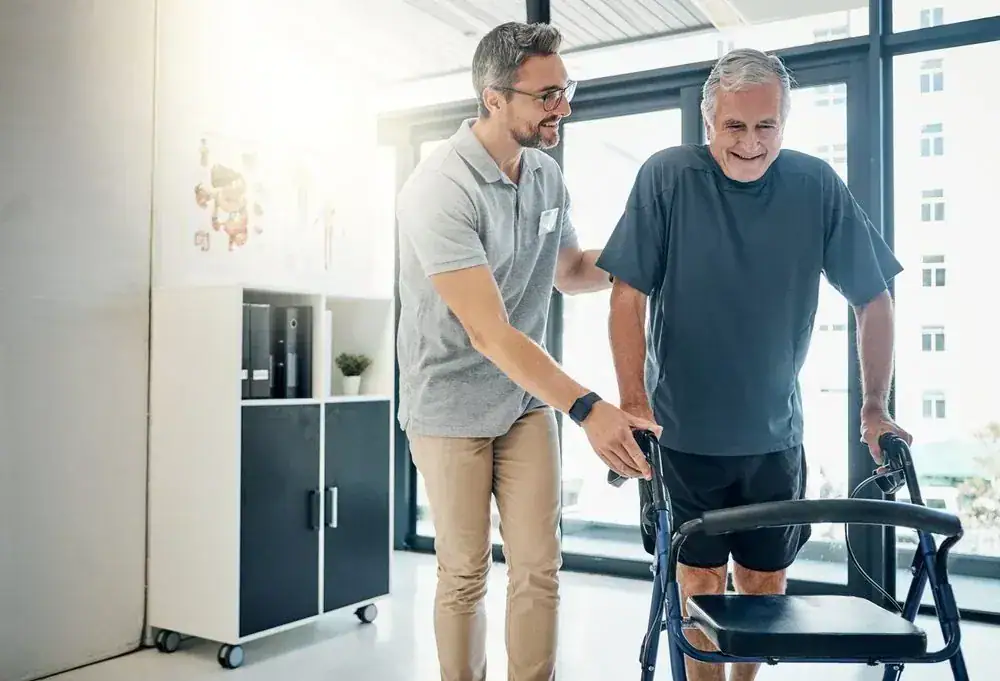
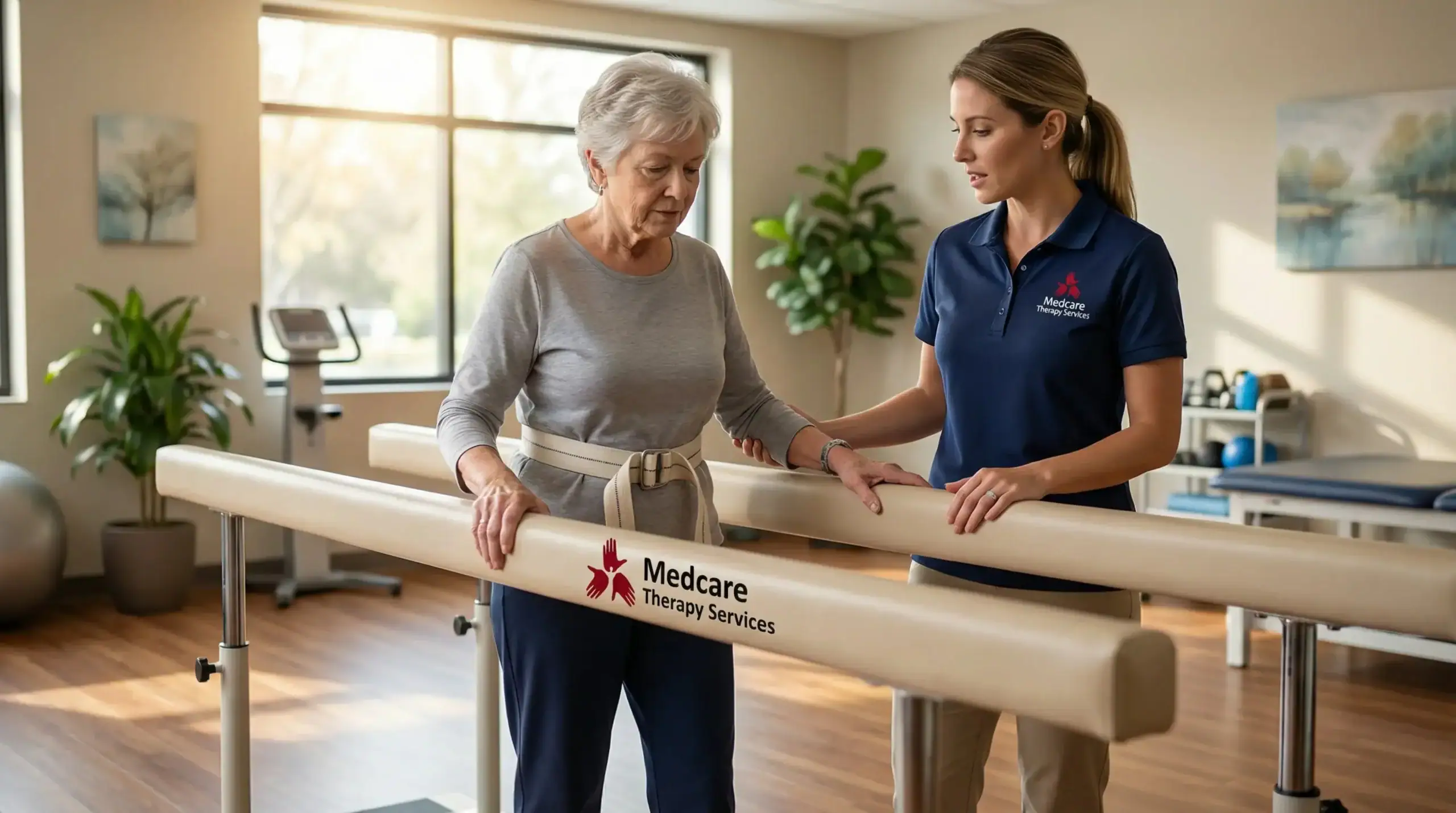
You know the feeling. That split-second hesitation before you get up from a chair. The way you hold onto the counter a little longer than you used to. The quiet worry that one wrong move could change everything.
More than one in four older adults falls each year. Most don’t tell their doctor. They adjust their routines, avoid certain rooms, stop doing things they love. That’s not aging—that’s reacting to a problem that has a solution.
Physical therapy for balance works. Studies show that structured fall prevention programs reduce falls by 35 to 40 percent in older adults. That’s not a small improvement. That’s the difference between staying in your home and losing your independence. Between confidence and constant fear.
You don’t need to accept falling as inevitable. You need a plan that’s built around your specific risks, your home, and your goals. That’s what evidence-based fall prevention looks like.
We’ve been providing home-based physical therapy across Nassau and Suffolk counties for over a decade. We’re not new to this. We know Long Island, we know Medicare, and we know what works when it comes to keeping older adults safe at home.
Lake Success and the surrounding North Shore communities have some of the highest concentrations of older adults on Long Island. Nearly 39% of Nassau County households now include someone 65 or older. You’re not alone in needing this service, and you’re not overreacting by looking into it now.
Our therapists come to you. We assess your home, identify your specific fall risks, and build a program that fits your life. No generic handouts. No one-size-fits-all approach. Just licensed professionals who treat you like family and take the time to get it right.
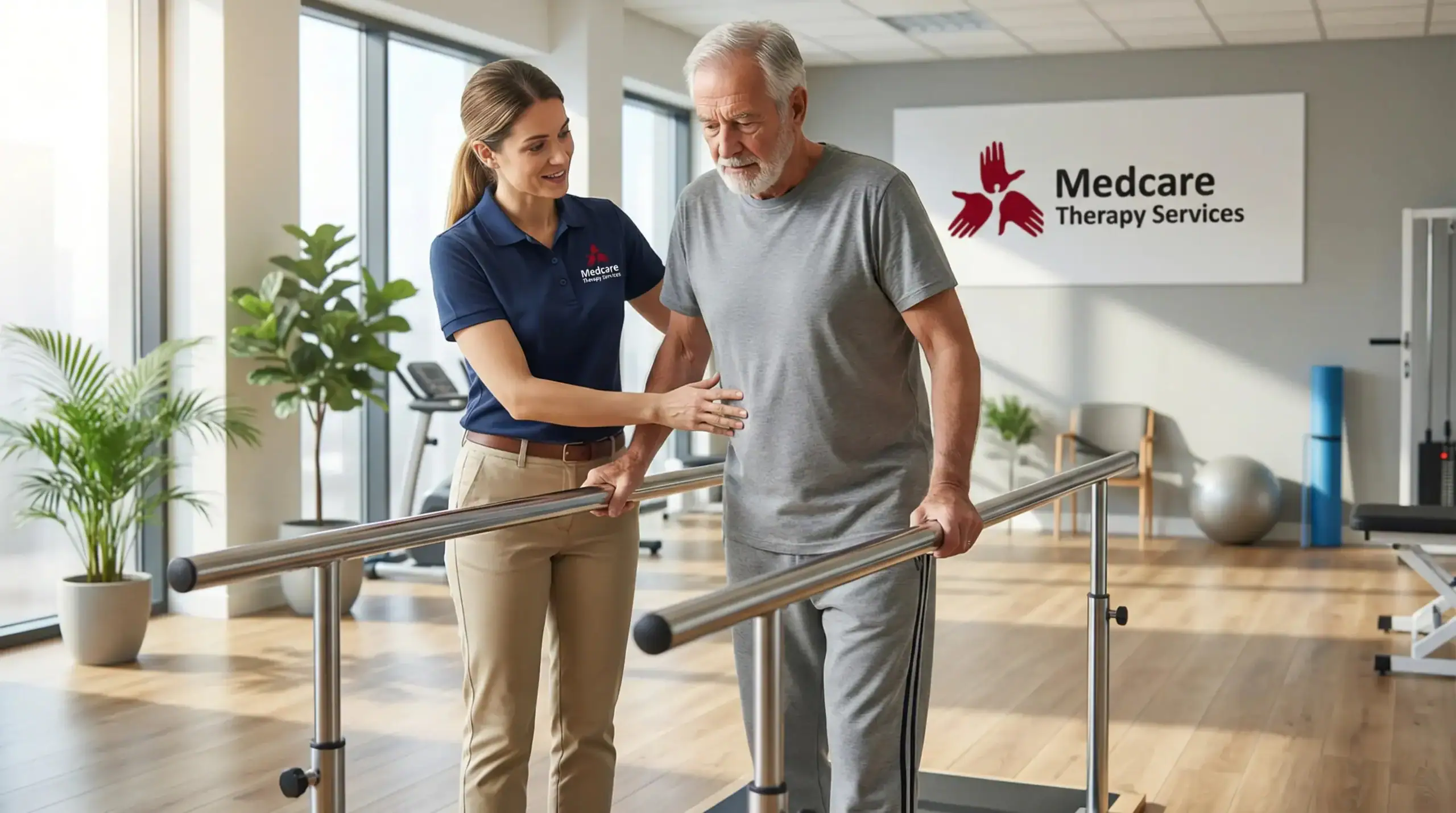
First, we verify your Medicare coverage and schedule a convenient time to come to your home. Most patients qualify for Medicare-covered outpatient therapy, which means little to no out-of-pocket cost.
During your first visit, a licensed physical therapist conducts a comprehensive fall risk assessment. We look at your strength, balance, gait, medications, vision, and home environment. We’re checking for the things that increase your risk—weak legs, poor lighting, loose rugs, side effects from taking four or more medications. All of it matters.
From there, we design a personalized exercise program. This typically includes balance exercises for seniors like standing on one foot, heel-to-toe walking, and controlled weight shifts. Strength training for your legs and core. Flexibility work. And specific strategies for navigating your home safely.
You’ll usually meet with your therapist one to three times per week, depending on your needs. Each session builds on the last. We track your progress, adjust your program, and teach you exercises you can do on your own between visits. Most patients see measurable improvement within the first month.
The goal isn’t just to prevent falls. It’s to give you back the confidence to move freely in your own home without fear.
Ready to get started?
Our fall prevention program combines balance training, strength exercises, and environmental modifications based on proven protocols like the Otago Exercise Program. This isn’t guesswork. It’s a structured approach that’s been tested in clinical trials and shown to cut fall rates nearly in half for frail older adults.
You’ll work on exercises that improve your stability—things like standing from a seated position without using your hands, walking while turning your head, and stepping over obstacles. These aren’t random drills. They mimic the exact movements that cause most falls in real life.
Strength training focuses on your legs, hips, and core. Weak muscles are one of the biggest risk factors for falling, and consistent resistance exercises can reverse that decline even in adults over 80. Your therapist will show you how to do these safely at home using minimal equipment.
We also address your environment. In Lake Success, many homes have stairs, thick carpets, and older layouts that weren’t designed with aging in mind. Your therapist will walk through your space and recommend simple changes—better lighting, grab bars, removing tripping hazards—that make a measurable difference.
And if you’re dealing with fear of falling, we talk about that too. Fear leads to avoidance. Avoidance leads to weakness. Weakness leads to more falls. Breaking that cycle is part of the work.
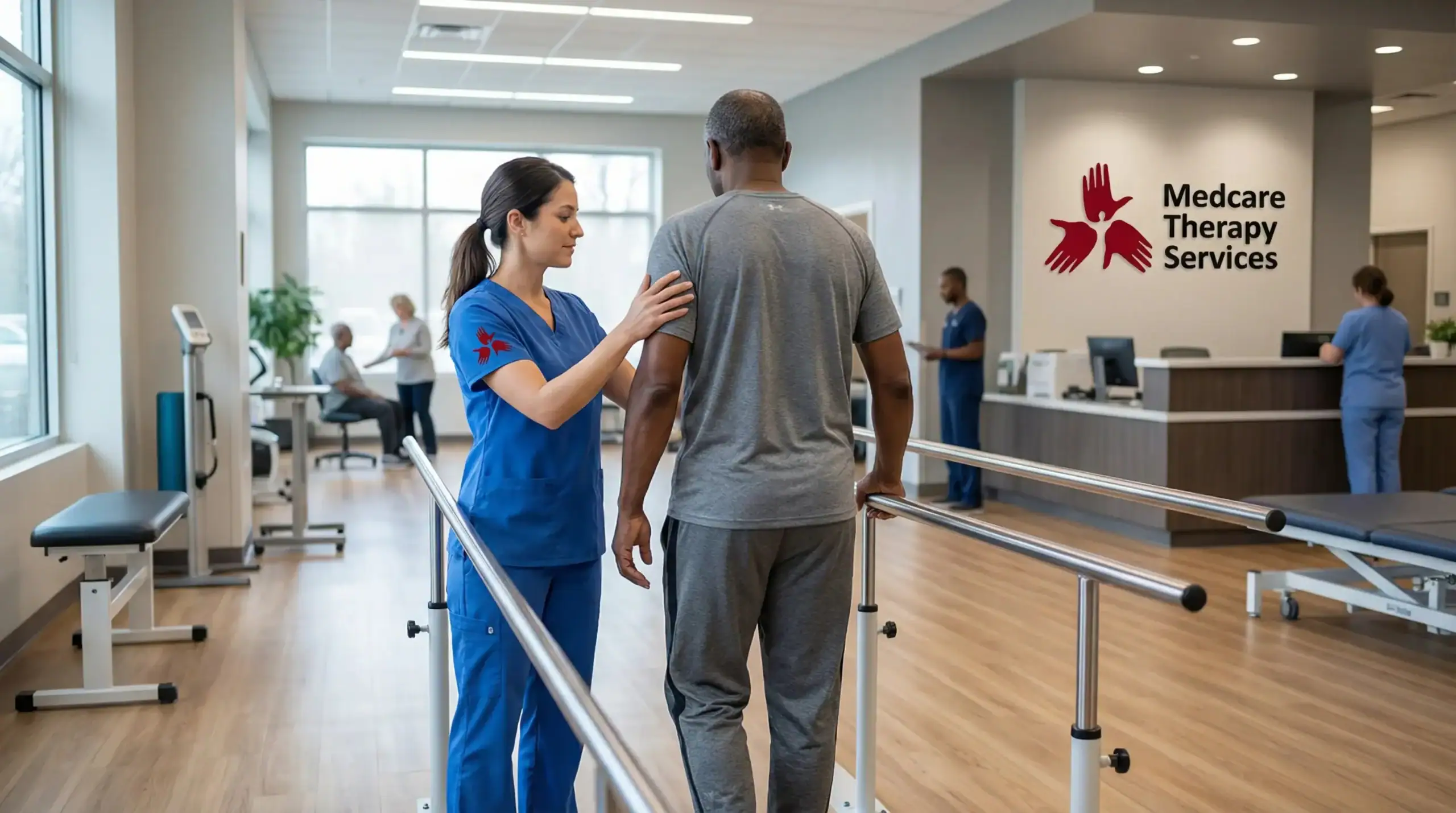
If you’ve fallen in the past year, you’re automatically considered high risk. But there are other signs that matter just as much.
Do you feel unsteady when you walk? Do you need to use your hands to stand up from a chair? Have you started avoiding certain activities because you’re worried about losing your balance? Those are red flags. So is taking four or more medications, having vision problems, or experiencing dizziness when you stand up.
A physical therapist can run you through a formal fall risk assessment that measures your gait speed, balance, and leg strength. We’ll also review your medications and medical history. The assessment takes about 30 to 45 minutes and gives you a clear picture of where you stand. Most people don’t realize how much their risk has increased until someone actually tests it. Getting assessed early means you can address problems before they lead to a fall.
Yes, if it’s medically necessary. Medicare Part B covers outpatient physical therapy when a doctor orders it and a licensed therapist provides it. Fall prevention qualifies when you have documented risk factors like a previous fall, balance issues, or muscle weakness.
You’ll need a referral from your physician, but that’s usually a quick conversation. Once we verify your coverage, we handle the billing directly with Medicare. Most patients pay little to nothing out of pocket after their deductible is met.
It’s worth noting that Medicare also covers an annual wellness visit that includes a fall risk screening. If your doctor identifies concerns during that visit, they can refer you for therapy right away. The key is making sure the referral clearly states the medical reason for therapy. We help guide you through that process so there’s no confusion about coverage. Approximately 95% of fall-related hospitalization charges get billed to Medicare and Medicaid, so the system recognizes how important prevention is.
Balance exercises are specifically designed to challenge your stability in controlled ways. They force your body to make quick adjustments, which strengthens the systems that keep you upright when something unexpected happens.
Regular exercise—like walking or swimming—is great for your overall health. But it doesn’t necessarily improve your ability to catch yourself when you trip or recover when you lose your footing. Senior balance exercises do. They include things like standing on one leg, walking heel to toe, and shifting your weight from side to side. These movements train your muscles, joints, and nervous system to respond faster when you’re off balance.
The most effective programs combine balance work with strength training. Weak legs can’t support you no matter how good your balance is. That’s why we focus on both. And we progress the exercises as you improve—making them harder, adding distractions, or removing support. It’s not about doing the same thing over and over. It’s about gradually increasing the challenge so your body adapts. Research shows that consistent multicomponent exercise can reduce fall risk by up to 50%.
Absolutely. In fact, falling once makes you twice as likely to fall again, which is exactly why therapy matters so much after a fall.
When you fall, you often lose confidence. You start moving less, which makes you weaker. You avoid activities that feel risky, which actually increases your risk because you’re not practicing the movements that keep you stable. Physical therapy breaks that cycle.
We’ll figure out why you fell in the first place. Was it a strength issue? A balance problem? Poor footwear? A hazard in your home? Once we identify the cause, we build a program that addresses it directly. We also work on rebuilding your confidence through gradual exposure to challenging movements in a safe, controlled way.
Studies show that patients who start physical therapy within three months of a fall have significantly lower rates of falling again—even a year later. The sooner you address it, the better your outcome. Waiting doesn’t make it easier. It makes you weaker and more fearful, which is the worst combination.
Most patients work with us for six to twelve weeks, but it depends on your starting point and your goals.
If you’re generally healthy but want to reduce your risk, you might only need a few weeks of guided sessions to learn the exercises and build a routine you can maintain on your own. If you’re recovering from a fall or dealing with significant weakness, you might need a longer program with more frequent visits.
Typically, you’ll see your therapist one to three times per week at the start. As you improve, visits become less frequent. The goal is to get you independent as quickly as possible while making sure you’re doing the exercises correctly and safely.
Even after formal therapy ends, you’ll need to keep up with the exercises. Balance and strength don’t maintain themselves. We’ll give you a home program that takes 20 to 30 minutes a few times a week. That ongoing work is what keeps your fall risk low long-term. Think of therapy as teaching you what to do. What you do after therapy is what determines whether it sticks.
Home-based therapy lets us see the environment where you actually live and where most falls happen. We can spot hazards you’ve stopped noticing—loose rugs, poor lighting, awkward furniture placement, slippery bathroom floors.
Clinics are controlled environments. They’re clean, well-lit, and designed for safety. That’s great for learning exercises, but it doesn’t prepare you for the reality of your own home. When we come to you, we can practice the exact movements you do every day in the exact spaces where you do them. Getting in and out of your shower. Navigating your stairs. Reaching into your cabinets.
There’s also the practical side. Getting to a clinic requires transportation, which can be a challenge if you’re already unsteady or don’t drive. Home visits eliminate that barrier. You don’t have to worry about parking, walking through a busy facility, or timing your appointments around someone else’s schedule.
For older adults in Lake Success and across Nassau County, where nearly 40% of households include someone 65 or older, home-based care just makes sense. It’s more convenient, more personalized, and more effective because it’s tailored to your real life.
Other Services we provide in Lake Success