
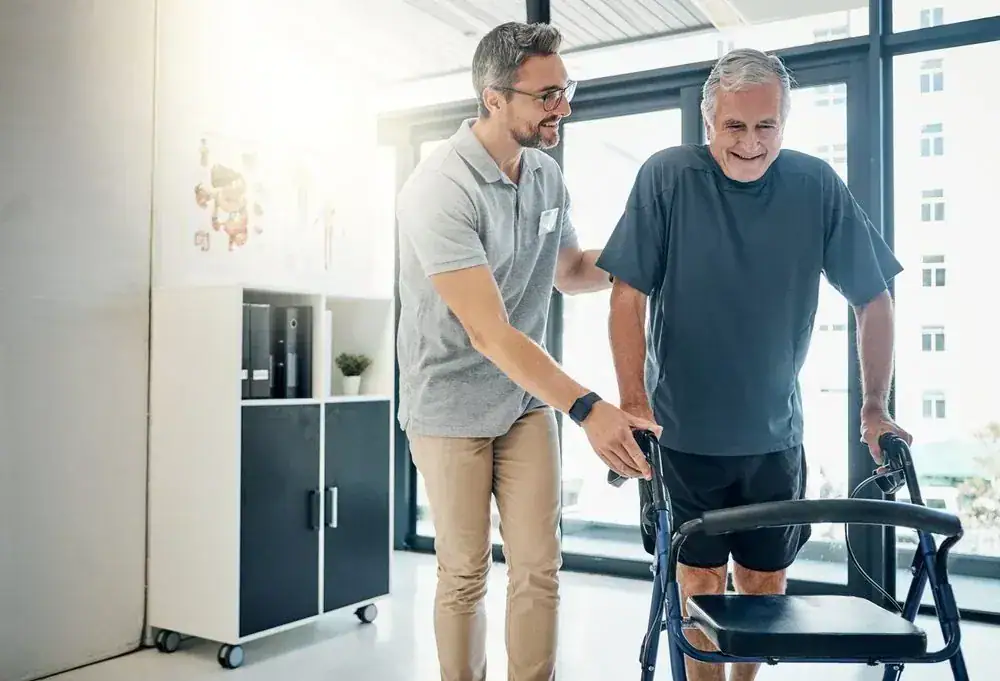
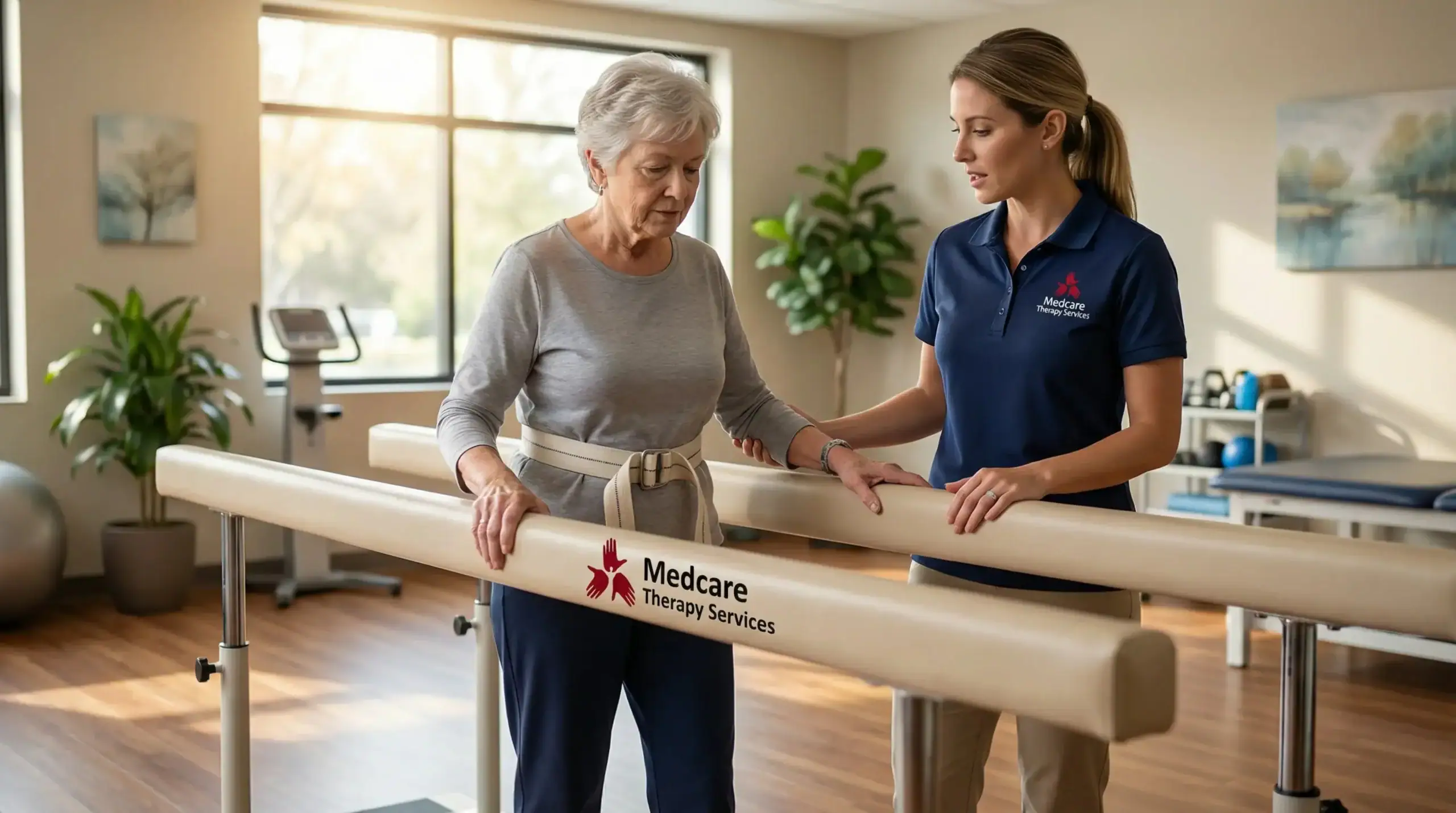
You stop second-guessing every step. Walking to the mailbox, getting up at night, reaching for something on a shelf—these everyday movements stop feeling risky.
When your balance improves, so does everything else. You’re less afraid to leave the house. You sleep better because you’re not worried about falling in the dark. Your family stops hovering.
Physical therapy for balance isn’t about becoming an athlete. It’s about being able to do what you want without constantly calculating risk. Research shows that targeted balance exercises for seniors can reduce fall risk by 30 to 50 percent. That’s not a small number when you consider that one in four adults over 65 falls each year, and many of those falls lead to serious injuries, hospital stays, or worse—losing the ability to live independently.
We’ve been providing in-home physical therapy across Nassau and Suffolk Counties for over 15 years. We’re not new to this, and we’re not trying to be everything to everyone.
We specialize in fall prevention because it matters here. Nassau County ranks fourth in New York State for fall prevalence among older adults, and 88 percent of injury hospitalizations for adults over 65 in this county are due to falls. Those aren’t just statistics—they’re your neighbors in Islandia, Hauppauge, Centereach, and Ronkonkoma.
Our therapists are trained in the Otago fall prevention program, which is one of the most researched and effective methods available. We’re Medicare providers, and we come to your home because we know that’s where you’re most comfortable and where the real work happens.
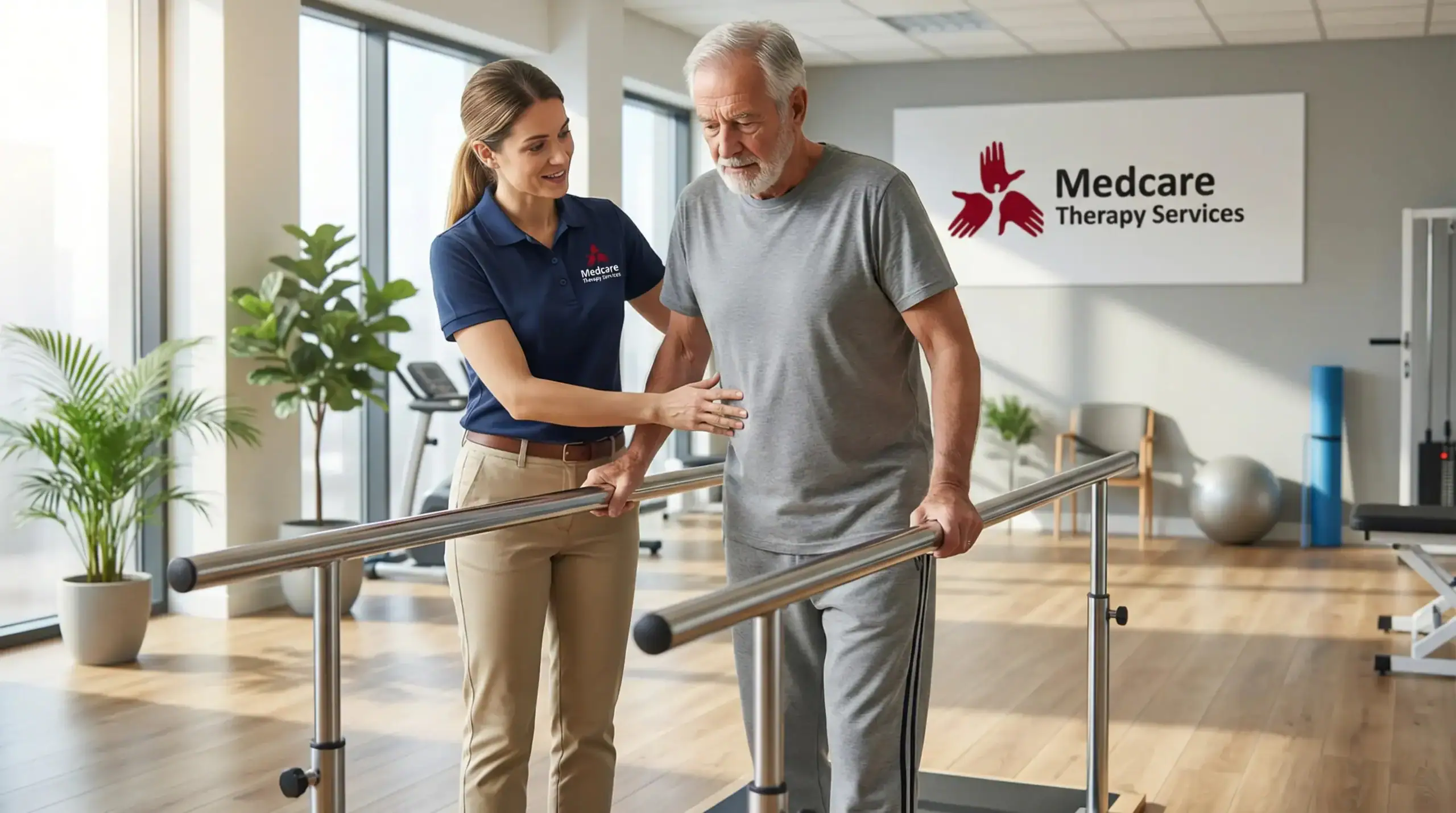
First, we do a full fall risk assessment at your home. That includes looking at your medical history, any medications that might affect balance, your gait, your coordination, and how you move through your actual living space. We’re not just checking boxes—we’re figuring out why you’re at risk and what we can do about it.
Then we build a program that fits your specific situation. If your balance issues come from weak legs, we focus on strength training. If it’s a coordination or vestibular problem, we adjust. Every plan is different because every person is different.
You’ll work with the same therapist each visit, usually two to three times a week at the start. Sessions happen in your home, using your furniture, your stairs, your bathroom—the real environments where falls happen. We teach you exercises you can do on your own between visits, and we track your progress with measurable tests, not guesses.
Most people see noticeable improvements in confidence and stability within four to six weeks. The goal isn’t to keep you in therapy forever—it’s to get you strong and stable enough to maintain it on your own.

Ready to get started?
You get one-on-one sessions with a licensed physical or occupational therapist who comes to your home. No driving to appointments, no waiting rooms, no rushing.
Each session includes targeted senior balance exercises, strength training for your legs and core, gait training to improve how you walk, and coordination drills. We also evaluate your home for fall hazards—loose rugs, poor lighting, furniture placement—and give you practical recommendations.
For Long Island residents, especially in areas like Islandia, Brentwood, and Farmingville, winter months bring additional risks. Ice, snow, and shorter daylight hours increase fall rates significantly. We address seasonal challenges and help you prepare for changes in weather and routine.
If you qualify, Medicare covers these services. We handle the paperwork and work directly with your doctor to make sure everything is coordinated. You’re not navigating the system alone.
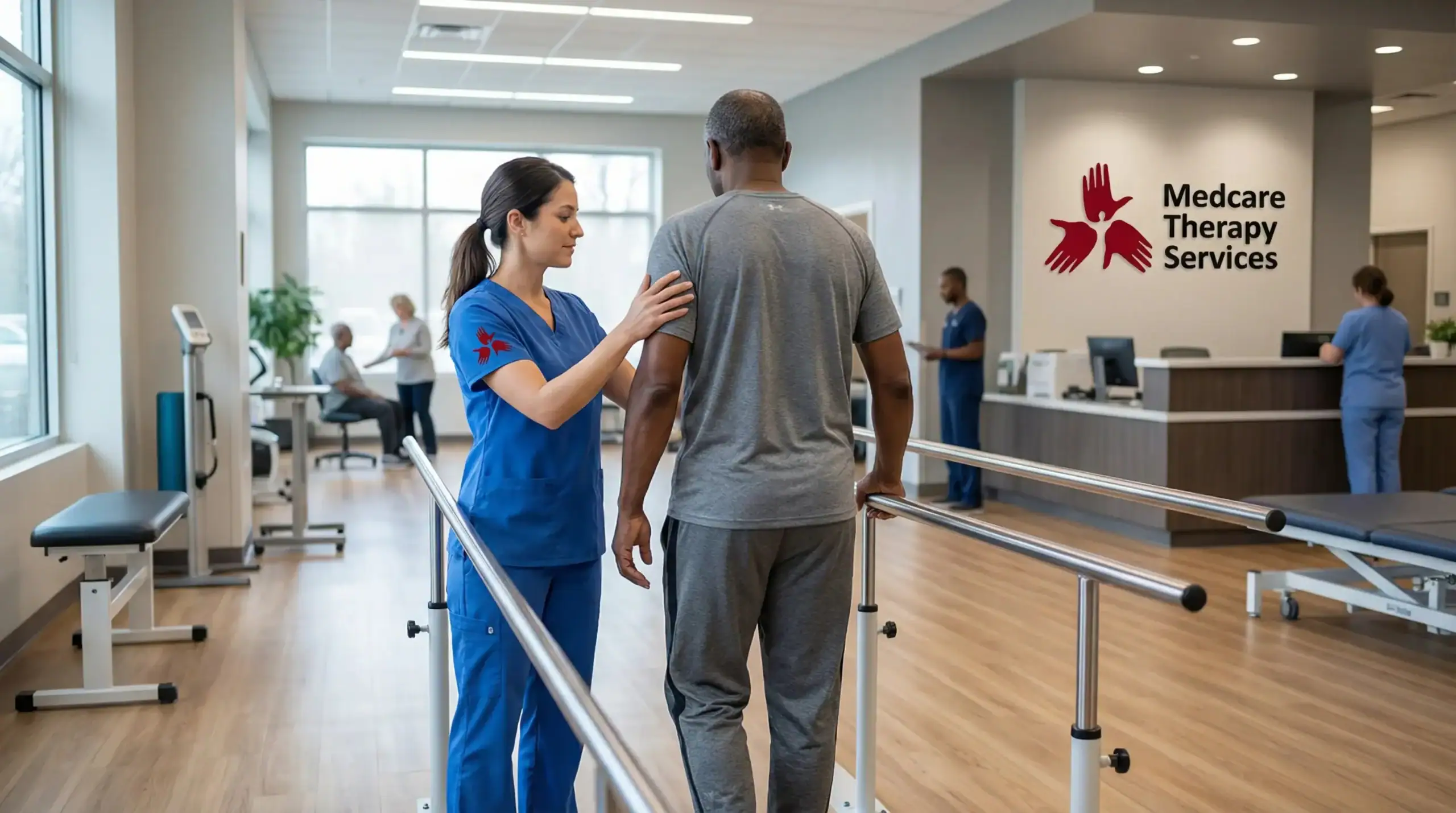
If you’ve already fallen once, your risk of falling again is high—about 50 percent of people who fall will fall again within a year. But even if you haven’t fallen yet, there are clear warning signs.
Do you feel unsteady when you walk? Do you grab onto furniture or walls for support? Have you started avoiding certain activities because you’re afraid you might fall? Those are red flags. Other risk factors include taking multiple medications, having vision problems, experiencing dizziness, or dealing with conditions like arthritis, diabetes, or neuropathy.
A professional fall risk assessment can give you a clear answer. We test your balance, strength, gait, and coordination using standardized measures. It’s not subjective—we can tell you exactly where you stand and what needs attention.
The exercises depend on your assessment, but most programs include a mix of strength, balance, and coordination work. You might do sit-to-stand exercises to build leg strength, single-leg stands to improve stability, or heel-to-toe walking to work on gait control.
We also incorporate functional movements—things like stepping over objects, reaching in different directions, or turning your head while walking. These aren’t random drills. They mimic real-life situations where falls happen.
If you’re more advanced, we might add resistance bands, light weights, or unstable surfaces to challenge your system further. If you’re just starting out, we keep it simple and build from there. The Otago program we use has been shown to improve balance measures by 16 to 42 percent compared to baseline, and it’s designed to be done safely at home.
If you have Medicare and your doctor agrees that you’re homebound or have difficulty leaving your home for therapy, yes—it’s typically covered. Medicare Part B covers outpatient physical and occupational therapy when it’s medically necessary.
“Homebound” doesn’t mean you can never leave the house. It means leaving requires significant effort or assistance. If you’re at high risk for falls and getting to a clinic is difficult or unsafe, you likely qualify.
We verify your coverage before we start and handle the billing directly. You won’t be surprised by unexpected costs. If you have a Medicare Advantage plan or supplemental insurance, coverage can vary slightly, but we’ll walk you through it. Our job is to make this easy, not complicated.
Most people need anywhere from six to twelve weeks of regular therapy, depending on their starting point and goals. If you’re recovering from a fall or injury, it might take longer. If you’re doing this proactively and already fairly active, it might be shorter.
Sessions are usually 45 to 60 minutes, two to three times per week at first. As you get stronger and more confident, we reduce frequency and shift the focus to maintenance exercises you can do independently.
The research is clear: balance training works, but it takes consistency. You can’t do it once and expect lasting results. The good news is that improvements stick if you keep up with the exercises. Even after formal therapy ends, continuing with a simple home routine a few times a week can maintain your progress and keep your fall risk low.
It’s both, but prevention is where the real value is. Waiting until after a fall often means you’re recovering from an injury—hip fracture, head trauma, broken wrist—and that recovery is harder, longer, and more limiting than preventing the fall in the first place.
Studies show that structured balance and strength training can reduce falls by 30 to 50 percent. Programs like Otago, which we use, have been tested in multiple trials and consistently show significant reductions in fall rates among older adults.
The reason it works is simple: falls happen because of physical deficits—weak muscles, poor balance, slow reflexes. Physical therapy directly addresses those deficits. You’re not just hoping you don’t fall. You’re actively building the strength and stability that make falls less likely. That’s a big difference.
In-home therapy removes the barriers that keep people from getting help. If you have trouble driving, don’t feel safe on icy sidewalks, or get exhausted just from the trip to a clinic, you’re not going to stick with therapy—even if you need it.
We come to you, which means we see your actual environment. We can spot the hazards in your home that increase fall risk—the step into your bathroom, the dim hallway, the loose rug in your kitchen. We can practice the exact movements you do every day in the exact spaces where you do them.
There’s also a comfort factor. You’re more relaxed at home, more willing to ask questions, and more likely to be honest about what’s hard for you. That makes therapy more effective. Since 2010, we’ve worked with hundreds of Long Island residents who couldn’t access traditional therapy, and the outcomes speak for themselves.
Other Services we provide in Islandia