
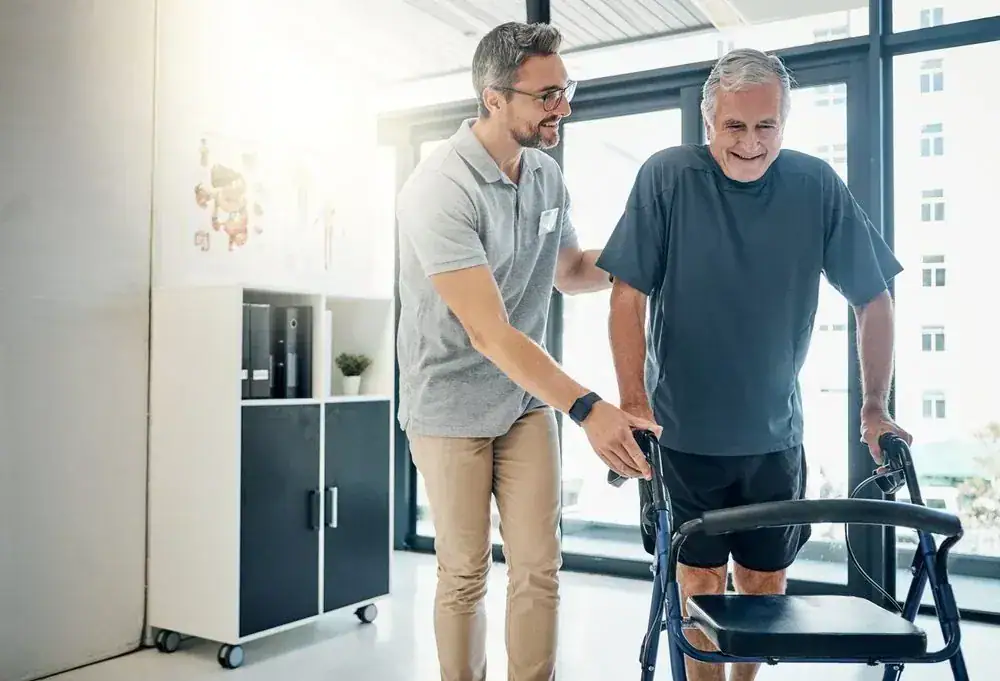
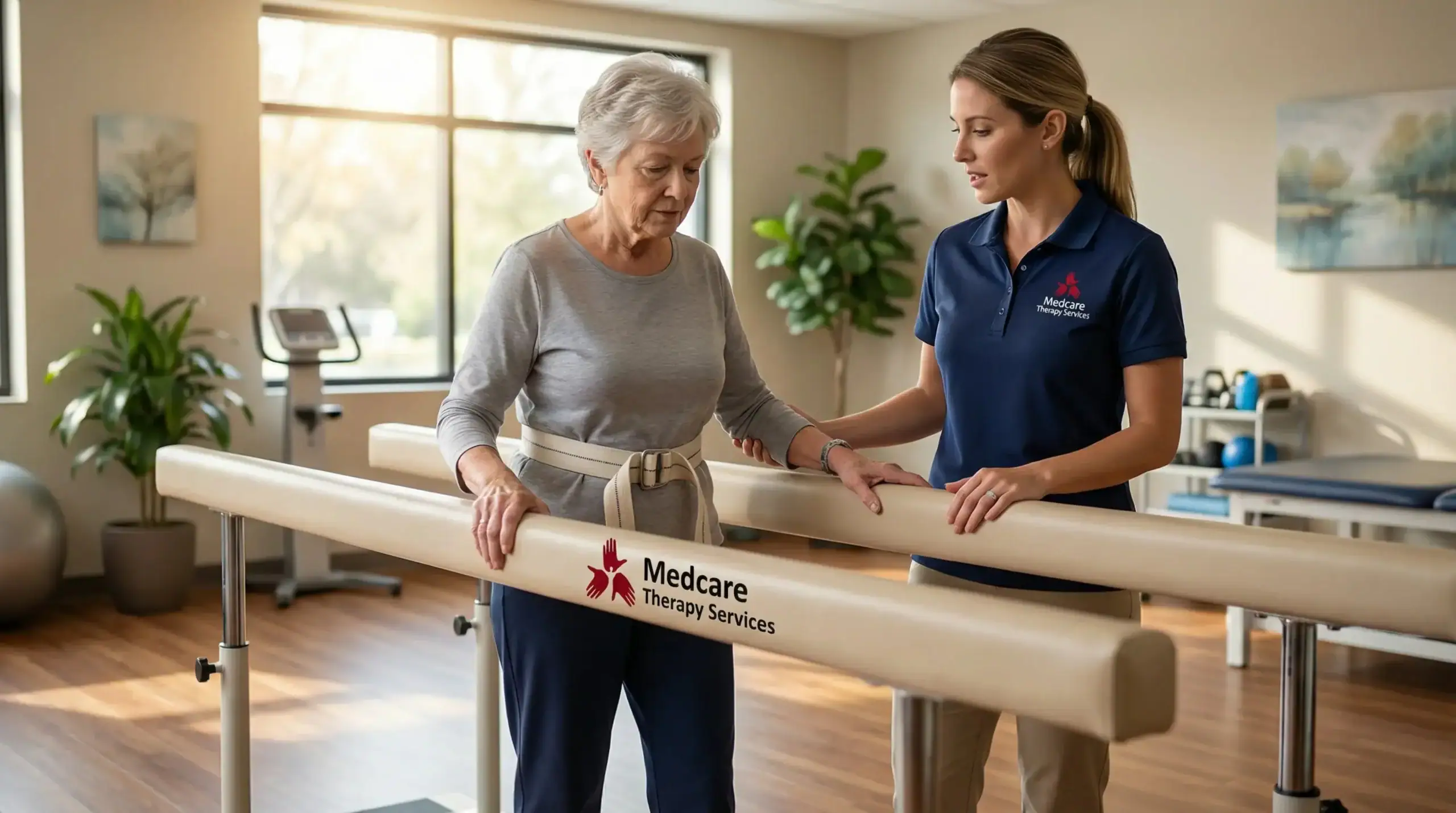
You stop second-guessing every step. You don’t avoid the stairs or skip the grocery store because you’re worried about falling. You move through your day without that constant low-level anxiety that something might go wrong.
That’s what balance training does. It strengthens the muscles that keep you upright, retrains your brain to react faster, and builds the kind of confidence that only comes from knowing your body can handle what you ask of it.
Falls aren’t inevitable. One in four older adults falls each year, but research shows that targeted physical therapy for balance can reduce your fall risk by 30% to 35%. That’s not a small number—that’s the difference between living independently and losing the freedom to do what you want. The right exercises, done consistently, give you back control.
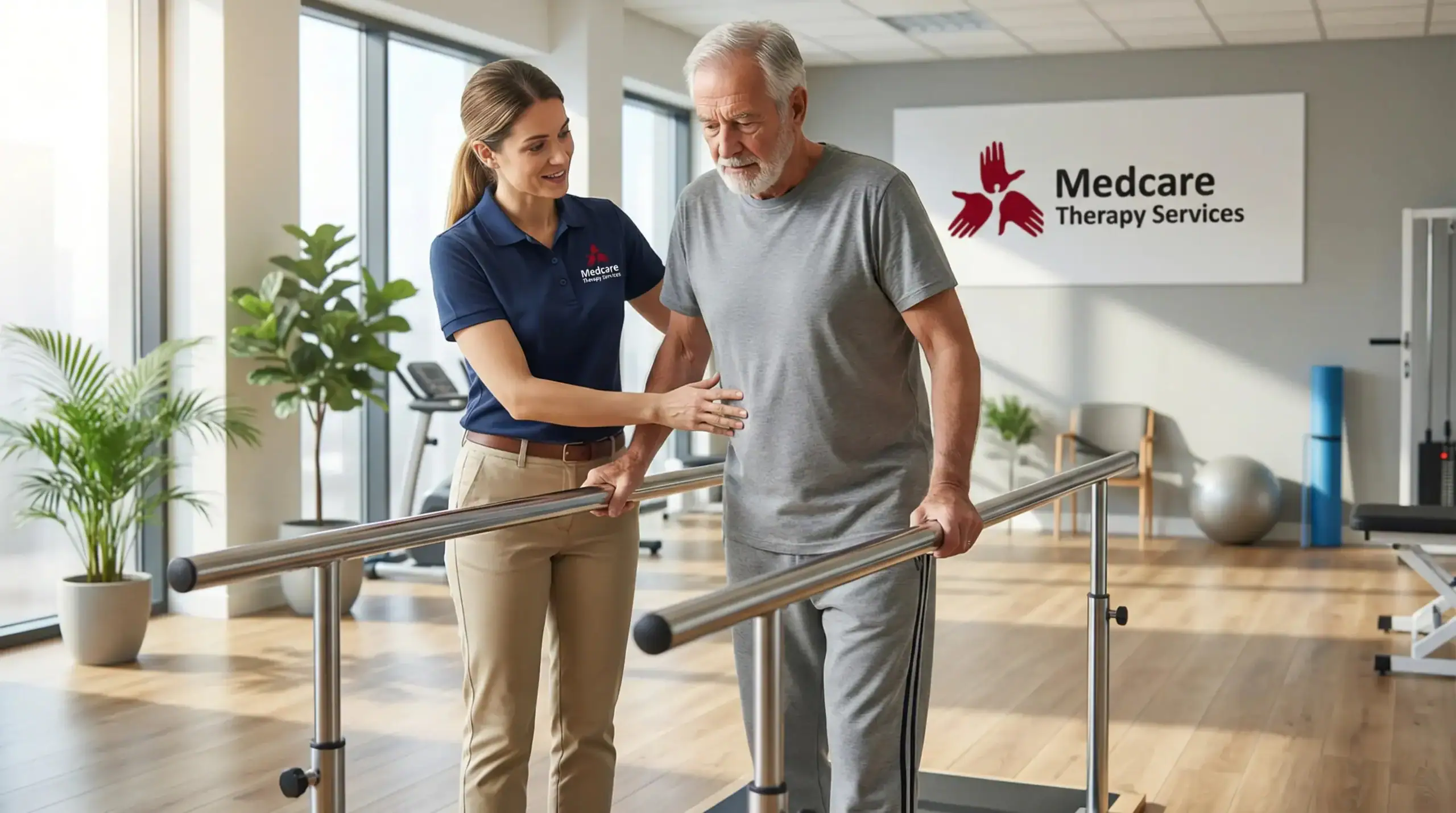
First, we come to your home. No waiting rooms, no driving, no trying to find parking. A licensed physical therapist evaluates how you move, where you’re unstable, and what’s increasing your fall risk. That includes checking your strength, flexibility, balance, walking pattern, and even how your home is set up.
Then we build a program. It’s not generic senior exercises pulled from a handout. It’s based on what your body needs right now—whether that’s strengthening your legs, improving your reaction time, working on your gait, or addressing dizziness and vestibular issues.
You do the exercises with us during each session, and we give you things to practice between visits. Over time, you’ll notice you’re steadier on your feet. You’ll feel less afraid. And you’ll start doing the things you’ve been avoiding because you weren’t sure you could do them safely. That’s the goal—not just fewer falls, but more life.

Ready to get started?
We don’t just hand you a sheet of exercises and hope for the best. You get a full fall risk assessment that looks at strength, balance, coordination, vision, medication side effects, and environmental hazards in your home. From there, we design a plan that might include balance exercises, gait training, strength work, flexibility routines, and functional movement practice.
If you’re dealing with dizziness or vertigo, we incorporate vestibular therapy. If you’ve already fallen and you’re nervous, we work on rebuilding confidence through controlled, progressive challenges. If your home has trip hazards—loose rugs, poor lighting, clutter—we’ll point them out and help you make changes.
This matters more in Inwood and across Long Island than in most places. Nassau and Suffolk counties rank 4th and 5th in New York State for fall prevalence. More than half of fall-related hospitalizations here happen at home. You’re not overreacting by wanting help. You’re ahead of the curve.
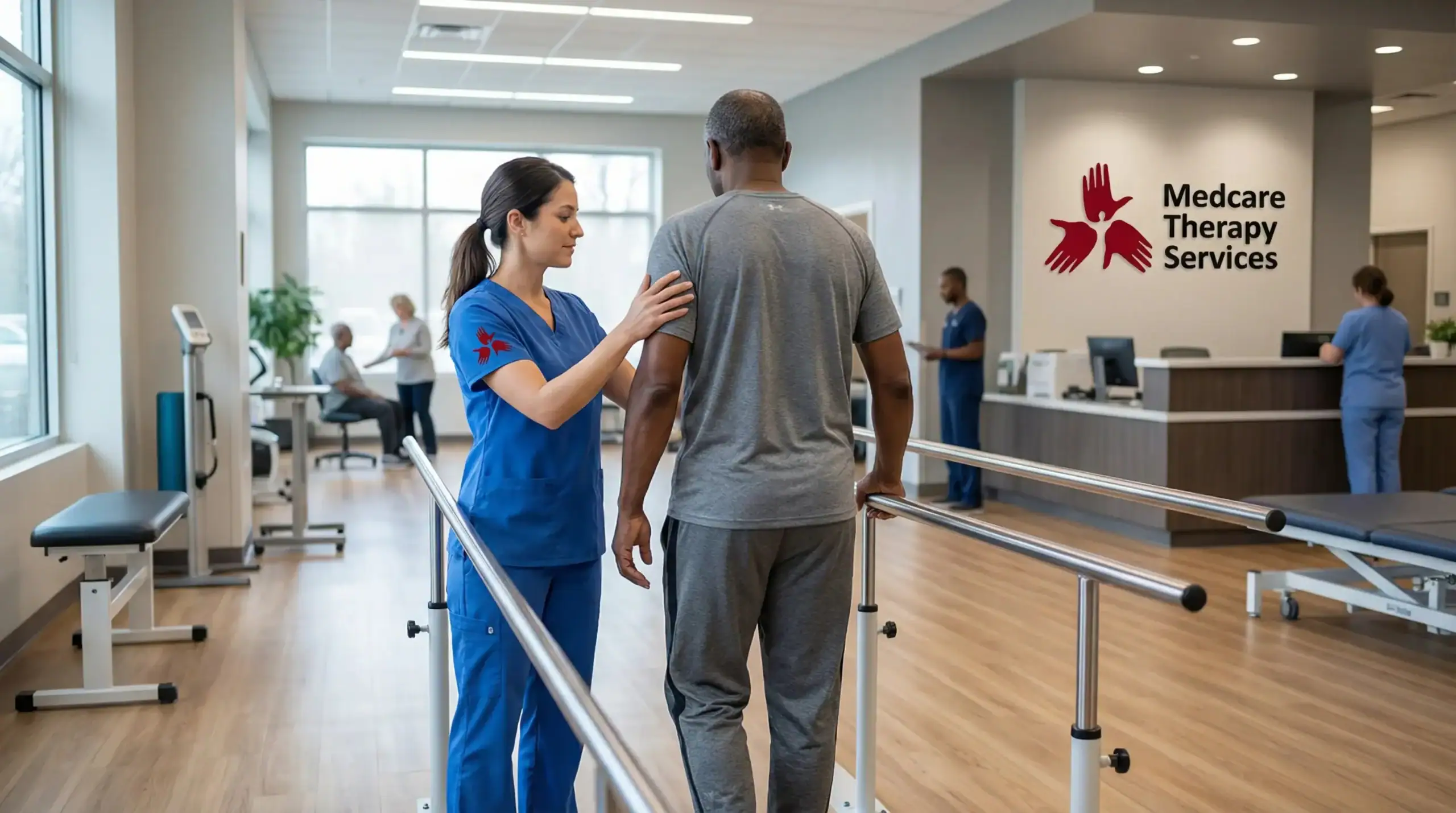
If you’ve fallen in the past year, you’re at higher risk. If you feel unsteady when you walk, avoid certain activities because you’re afraid of falling, or need to use your hands to get up from a chair, those are red flags.
Other signs include shuffling your feet, feeling dizzy or lightheaded when you stand, taking medications that affect balance (like blood pressure meds or sedatives), or having weak legs. Even fear of falling counts—it often leads people to move less, which makes them weaker and even more likely to fall.
A physical therapist can do a formal fall risk assessment that measures your balance, strength, gait, and reaction time. It’s not a pass/fail test. It’s a baseline that helps us figure out where to focus so you can stay safe and keep moving.
It’s exercise, but it’s targeted. Balance exercises for seniors aren’t the same as general fitness. They’re designed to challenge your stability in controlled ways so your body learns how to recover when you start to tip or stumble.
Studies show that fall prevention programs combining balance training, strength work, and gait training can reduce fall risk by 30% to 35%. That’s significant. It’s not a guarantee, but it’s one of the most effective interventions we have.
Physical therapy also addresses things exercise alone won’t catch—like compensations in how you walk, muscle imbalances, or issues with your inner ear that affect balance. We’re not just making you stronger. We’re making you more stable, more coordinated, and more confident in how your body moves.
Yes, if it’s medically necessary. Medicare Part B covers outpatient physical therapy, including home-based services, as long as a doctor orders it and a licensed therapist provides it.
That means if you’ve fallen, if you’re at high risk, or if you have a condition affecting your balance—like neuropathy, stroke, Parkinson’s, or arthritis—Medicare will typically cover your sessions. You’ll have a copay after you meet your deductible, but the bulk of the cost is covered.
We handle the billing and work directly with Medicare, so you don’t have to figure it out on your own. If you’re not sure whether you qualify, call us. We can walk you through it and coordinate with your doctor to get the referral if needed.
No. If anything, it’s more important. Falling once doubles your chance of falling again, mostly because it shakes your confidence and makes you move less. That leads to weakness, which leads to more falls.
Starting physical therapy after a fall helps you rebuild strength, retrain your balance, and work through the fear that keeps you from moving normally. We’ve worked with plenty of people who fell, recovered, and then came to us because they didn’t want it to happen again.
The best time to start fall prevention is before you fall. The second best time is right now. Whether you’re recovering from an injury or just want to be proactive, balance training works at any stage.
It depends on where you’re starting and what your goals are. Some people see improvement in four to six weeks. Others need a few months, especially if they’re rebuilding strength after an injury or dealing with a chronic condition.
We typically start with two to three sessions per week, then taper down as you get stronger and more confident. The goal isn’t to keep you in therapy forever—it’s to get you stable enough that you can maintain your balance on your own with a home exercise program.
You’ll notice progress along the way. Maybe you’re steadier on your feet, or you’re not grabbing the railing as much, or you’re walking faster. Those are signs the work is paying off. We track your improvements and adjust the plan as you go.
Not at all. A lot of our clients come to us because they’re worried about falling, not because it’s already happened. Maybe they’ve had a close call, or they’ve noticed they’re not as steady as they used to be, or they just want to stay strong and independent as they age.
That’s actually the best time to start. Fall prevention works better when you’re being proactive instead of reactive. You build strength and balance before you lose it, which keeps you ahead of the curve.
We also work with people who have conditions that increase fall risk—like Parkinson’s, MS, stroke, neuropathy, or vertigo. If your balance is affected by something medical, physical therapy can help manage it so it doesn’t control your life.
Other Services we provide in Inwood