
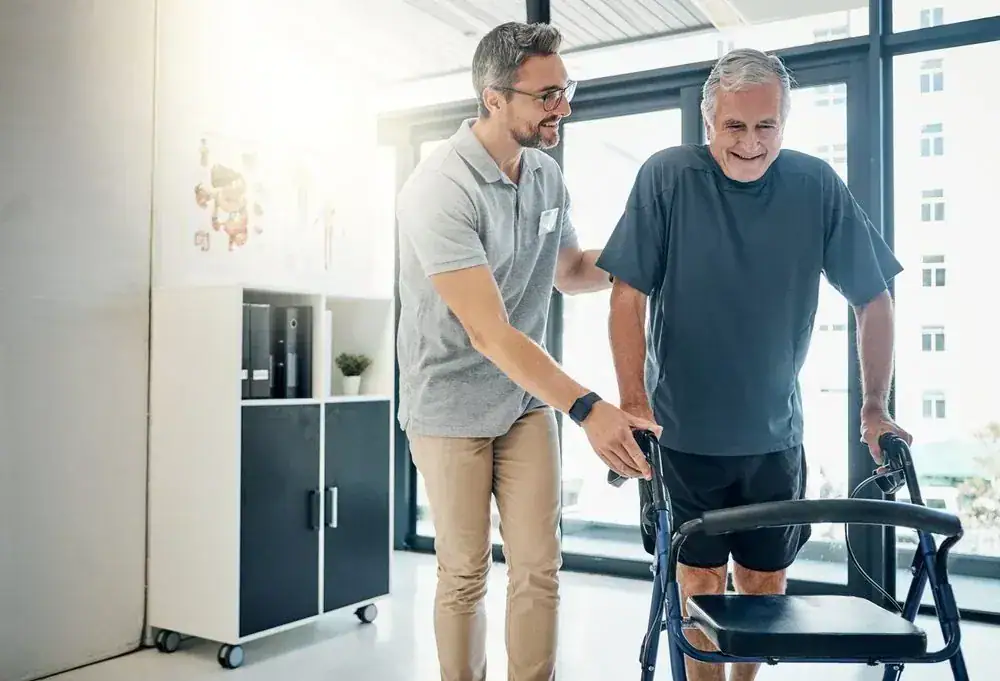
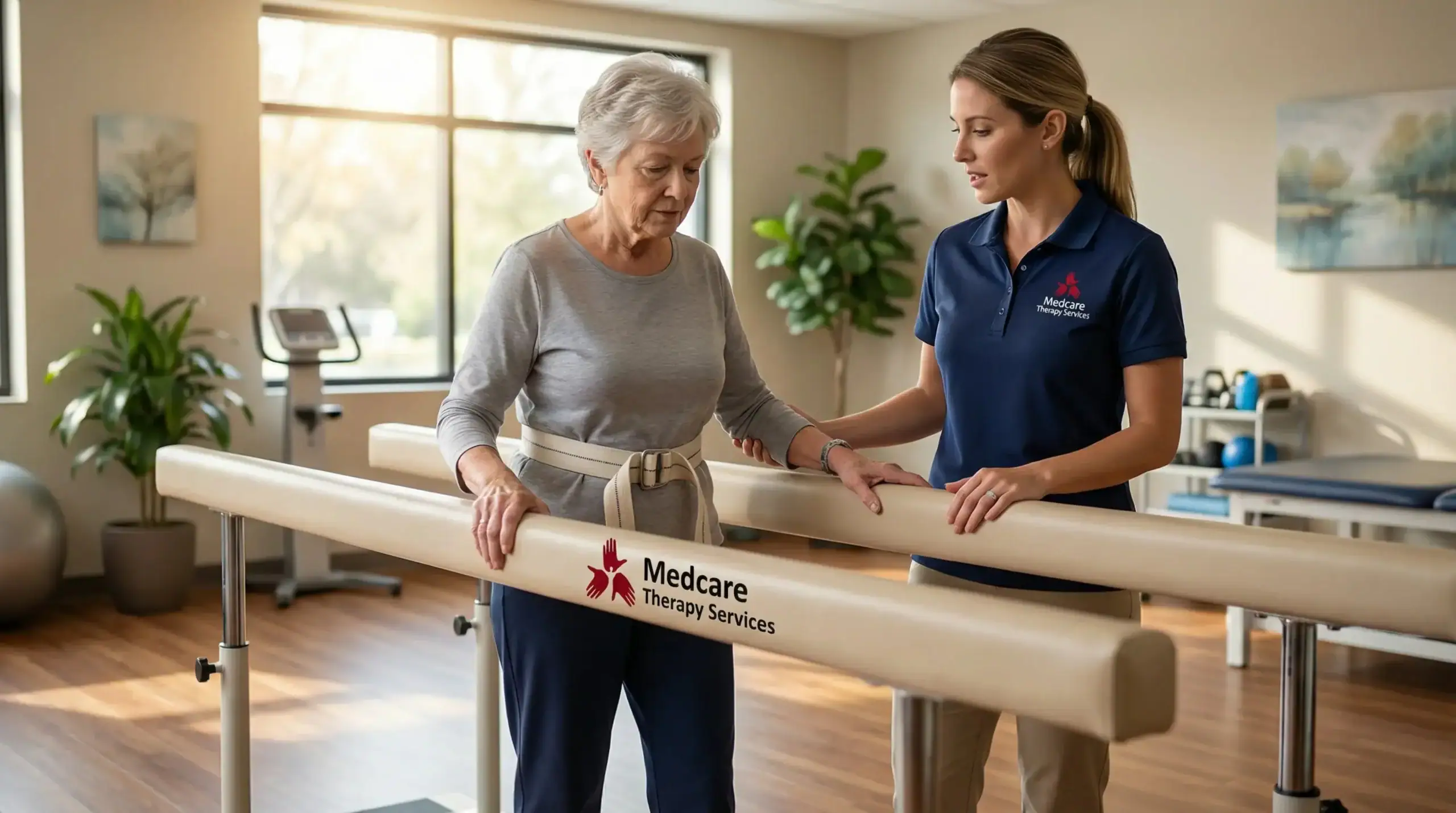
You’re not imagining it. That hesitation before you stand up, the extra second you need to steady yourself, the way you avoid certain rooms or skip activities you used to enjoy—it’s real, and it’s affecting how you live.
Falls aren’t just about getting hurt. They’re about what happens after: the fear that creeps in, the independence you start giving up, the way your world gets smaller because you’re not sure your body will keep up. One in four adults over 65 falls every year, and most of them never saw it coming.
Physical therapy for balance changes that. You work with someone who understands why you’re unsteady—whether it’s muscle weakness, medication side effects, or just years of small changes adding up. You get a personalized program built around senior balance exercises that actually address your specific risk factors. And you start rebuilding the strength and stability that let you move through your day without second-guessing every step.
This isn’t about preventing a fall someday. It’s about walking into your kitchen, bending down to pick something up, or getting out of bed in the morning without that split-second of doubt.
We’ve been helping Long Island residents stay steady, strong, and independent for years. Our therapists work across multiple locations, including right here in Huntington Station, NY, and we’ve built a reputation for taking fall prevention seriously—not as a checklist, but as a real plan built around your life.
We’re not interested in generic balance exercises that ignore what’s actually making you unsteady. We assess your fall risk, review what’s happening with your medications, look at your home environment, and design a program that fits your body and your routine. Every session is about progress you can feel.
You’re working with people who’ve seen what happens when falls go unaddressed—and who know exactly how to help you avoid that outcome. Our team stays current on CDC guidelines, coordinates with your other providers when needed, and keeps your safety and independence at the center of everything we do.

You start with a fall risk assessment. We look at your balance, your strength, your gait, and any medical conditions or medications that might be increasing your risk. This isn’t a quick screening—it’s a detailed evaluation that tells us exactly where the vulnerabilities are.
From there, we build your program. You’ll work on balance exercises for seniors that target your specific weak points—maybe it’s ankle strength, maybe it’s reaction time, maybe it’s coordination. We also incorporate strength training, because stronger legs and core muscles are one of the most effective ways to prevent falls. Every exercise is designed to be safe, progressive, and something you can actually do.
We also talk about your home. Small changes—removing tripping hazards, improving lighting, adding grab bars—can make a huge difference. If medications are contributing to dizziness or drowsiness, we’ll coordinate with your doctor to address that.
You’ll come in regularly so we can track your progress, adjust your program, and make sure you’re building real, lasting stability. The goal isn’t just to get through a few weeks of therapy. It’s to give you the tools and confidence to keep moving safely for years.

Ready to get started?
Your program includes a comprehensive fall risk assessment that evaluates balance, strength, gait, medication effects, and environmental hazards. You’re not getting a one-size-fits-all plan—you’re getting a program designed specifically for what’s making you unsteady.
You’ll work through balance training exercises that improve your stability in real-world situations: standing up from a chair, walking on uneven surfaces, reaching for something on a high shelf. These aren’t abstract drills. They’re movements that mirror what you do every day, so the strength and confidence you build in therapy translate directly to your life at home.
Strength training is part of it too, because weak legs and core muscles are major contributors to falls. We focus on functional exercises that make everyday activities—getting out of bed, climbing stairs, carrying groceries—easier and safer.
For Huntington Station residents, this matters even more during winter months when icy sidewalks and slippery driveways add another layer of risk. We incorporate exercises that improve your reaction time and your ability to catch yourself if you start to lose balance. We also provide education on home safety modifications and work with your family or caregivers so everyone’s on the same page about keeping you safe.
You’ll leave every session with a clear understanding of what you’re working on, why it matters, and what progress looks like. And you’ll have access to our team whenever questions come up between visits.
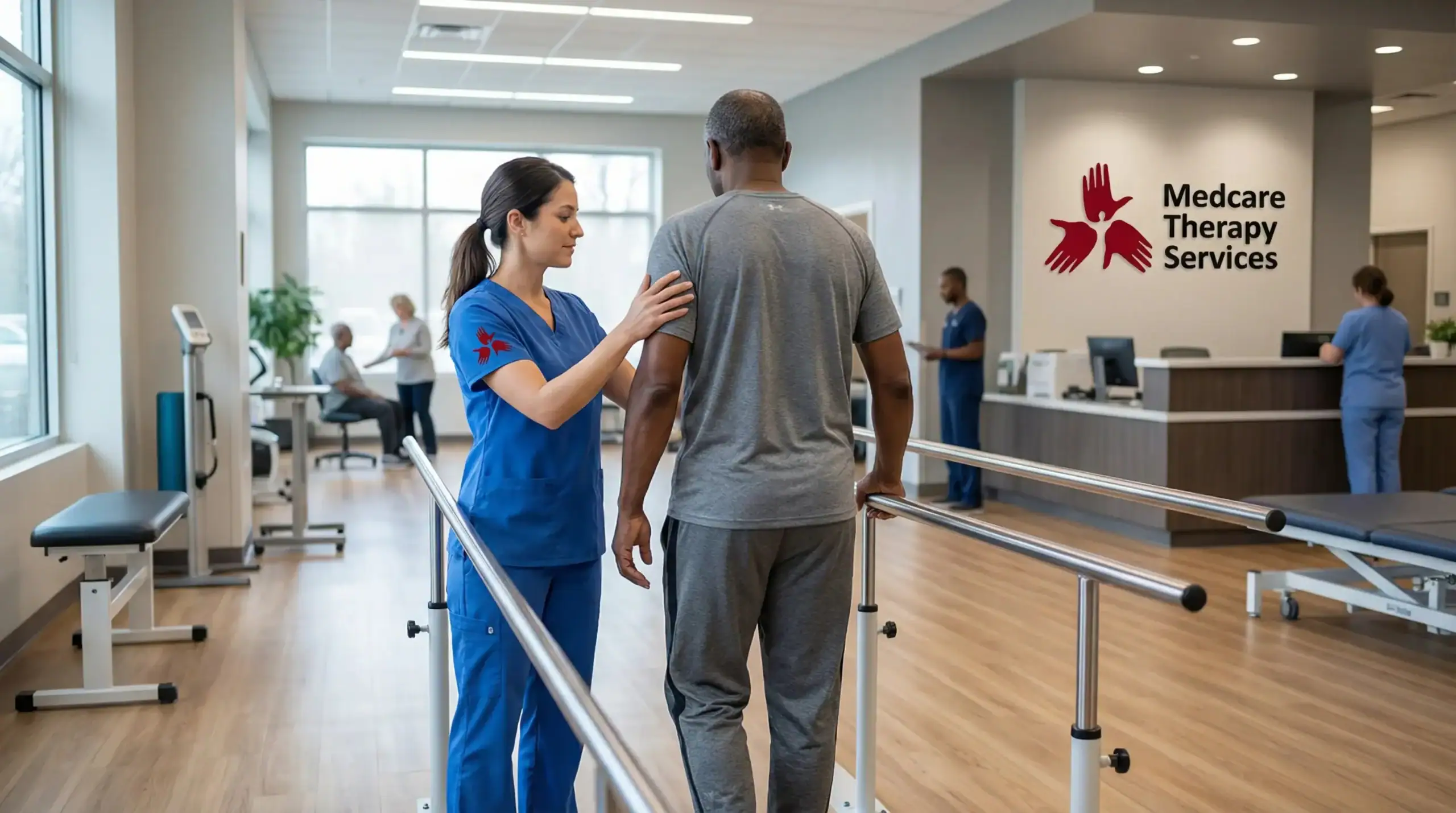
If you’ve fallen in the past year, you need fall prevention therapy. If you feel unsteady when you walk, if you grab onto furniture or walls for support, if you’ve started avoiding certain activities because you’re worried about falling—you need it.
Other signs: you take four or more medications, you have a condition like Parkinson’s or arthritis, you’ve noticed your balance isn’t what it used to be, or you’re afraid of falling even if you haven’t yet. That fear alone is a red flag, because it often leads to less activity, which weakens your muscles and actually increases your fall risk.
The best time to start is before a fall happens. Once you’ve fallen, your risk of falling again doubles. Recovery gets harder, and the consequences get more serious. If any of this sounds familiar, call us. We’ll do an assessment and give you a straight answer about whether therapy makes sense for you.
You’ll do exercises that challenge your balance in controlled, progressive ways. That might include standing on one leg, walking heel-to-toe in a straight line, or shifting your weight from side to side. We’ll have you practice stepping in different directions, reaching for objects while standing, and moving from sitting to standing without using your hands.
Some exercises focus on strengthening the muscles that keep you stable—your ankles, hips, and core. Others work on improving your reaction time so you can catch yourself if you start to lose balance. We also incorporate exercises that mimic real-life situations: turning your head while walking, stepping over obstacles, or moving between different surfaces.
Everything is tailored to your current ability level. If you’re using a walker or cane, we work with that. If you have joint pain or other limitations, we adjust. The goal is to challenge you enough that you’re building strength and confidence, but not so much that you’re at risk. You’ll always have support nearby, and we progress at a pace that feels safe.
Most people start noticing improvements in balance and confidence within four to six weeks of consistent therapy. That’s usually two to three sessions per week, combined with home exercises. But the timeline depends on your starting point, your specific risk factors, and how consistently you’re able to participate.
If you’re dealing with significant muscle weakness or you’ve already had multiple falls, it might take longer to see major changes. If you’re catching problems early and your overall health is good, you might progress faster. Either way, this isn’t a quick fix. Real fall prevention requires building strength, retraining your balance systems, and creating new movement patterns—and that takes time.
The good news is that the research is clear: balance training works. Studies show that targeted physical therapy can reduce fall risk by up to 40%. But you have to stick with it. The people who see the best results are the ones who show up to their sessions, do their home exercises, and make the recommended changes to their environment. We’ll give you the program and the support. You bring the consistency.
Most insurance plans, including Medicare, cover physical therapy for fall prevention if it’s medically necessary. That usually means you’ve had a fall, you have documented balance problems, or your doctor has identified you as high-risk. We accept most major insurance plans and can verify your coverage before you start.
During your first visit, we’ll go over what your plan covers, what your copay or deductible looks like, and how many sessions are typically approved. If you need more sessions than your insurance initially authorizes, we can work with your doctor to request additional visits based on your progress and continued need.
If you don’t have insurance or your plan doesn’t cover therapy, we can discuss private pay options. The cost of a few therapy sessions is a fraction of what a fall-related emergency room visit or hospitalization would run you—the average hospital stay for a fall injury costs over $34,000. Investing in prevention now makes financial sense, even if you’re paying out of pocket. We’ll be upfront about costs so there are no surprises.
Yes. In fact, if you’ve already fallen, therapy is even more important. Your risk of falling again is twice as high after your first fall, and each subsequent fall increases the likelihood of serious injury, hospitalization, or loss of independence. Fall prevention therapy directly addresses that risk by identifying what caused your fall and fixing it.
We’ll assess whether it was a strength issue, a balance problem, a medication side effect, or an environmental hazard. Then we build a program that targets those specific factors. If weak hip muscles caused you to lose your balance, we strengthen them. If poor lighting or clutter in your home contributed, we address that. If dizziness from your blood pressure medication played a role, we coordinate with your doctor.
You’ll also work on building confidence. A lot of people who’ve fallen become afraid to move, and that fear leads to inactivity, which makes you weaker and more likely to fall again. We help you rebuild trust in your body through exercises that are challenging but safe. You’ll practice the exact movements that make you nervous—getting up from a chair, walking on different surfaces, turning around—until they feel manageable again. That combination of physical improvement and restored confidence is what keeps you safe long-term.
Absolutely. Falls don’t just affect you—they affect everyone who cares about you. We encourage family members and caregivers to be involved, especially when it comes to understanding your risk factors and making your home safer. We can walk through your house with you and your family to identify hazards like loose rugs, poor lighting, or furniture placement that’s creating obstacles.
We’ll also teach your caregivers how to help you with exercises at home, what warning signs to watch for, and how to support your independence without being overprotective. A lot of well-meaning family members want to do everything for you after a fall, but that actually makes things worse. You need to keep moving and challenging your balance in safe ways, and we’ll show your loved ones how to encourage that.
If you’re living alone, we make sure you have a clear plan for what to do if you feel unsteady or if you do fall. That might include emergency contacts, medical alert systems, or strategies for getting up safely. The more supported you feel—both physically and emotionally—the better your outcomes will be. We’re here to help your whole family navigate this.
Other Services we provide in Huntington Station