
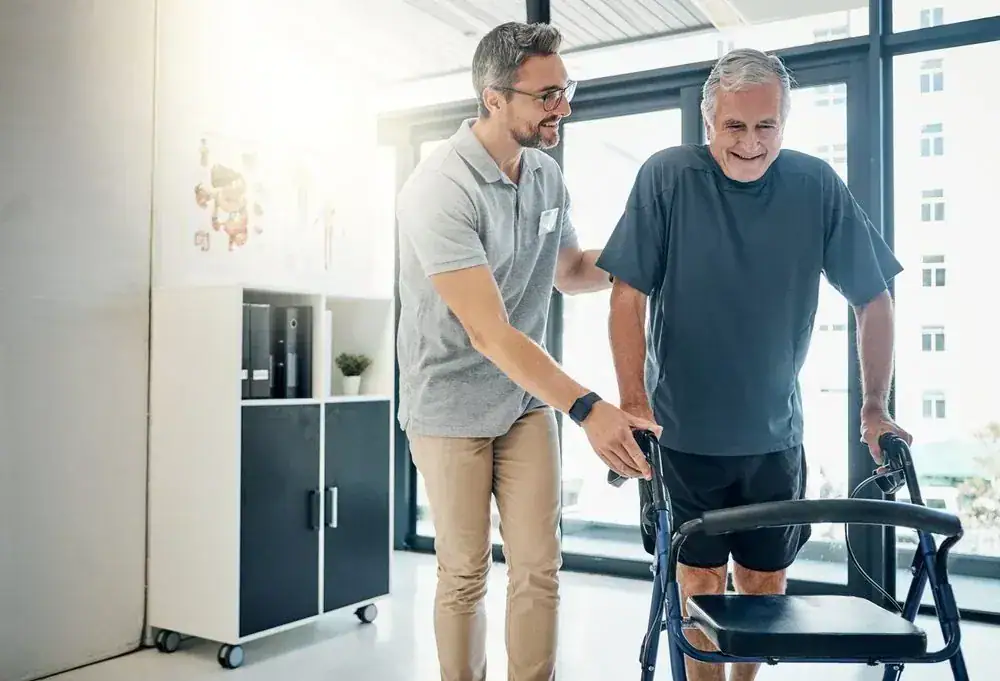
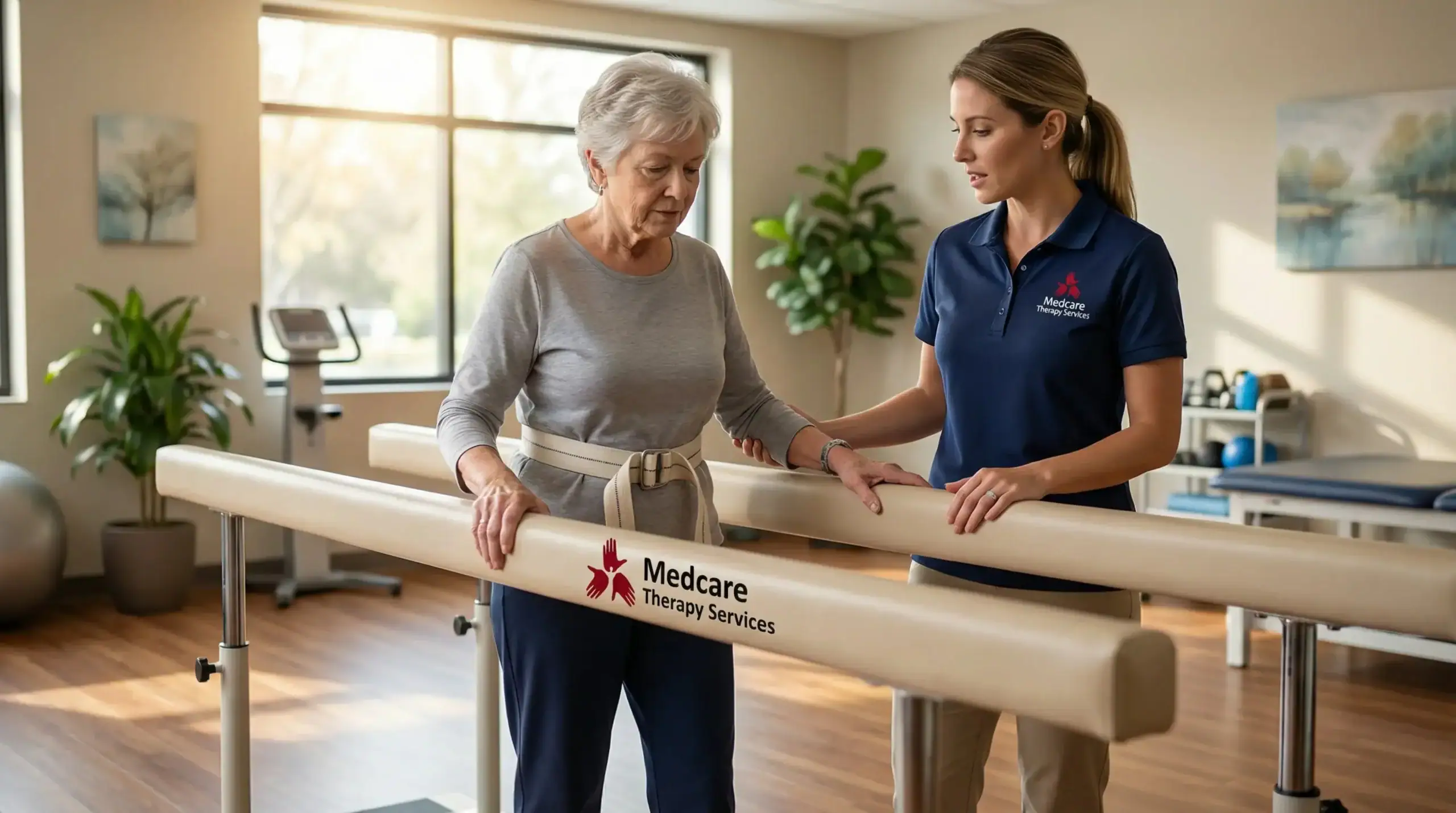
You’ve noticed it. The hesitation before standing up. The extra second you need to steady yourself. Maybe you’ve already fallen once, and now every step feels uncertain.
Here’s what most people don’t realize: falling once doubles your chance of falling again. But the right balance exercises can cut your fall risk by 30% to 35%. That’s not a small number when you’re talking about staying in your own home versus moving somewhere with more supervision.
Physical therapy for balance isn’t about doing random exercises. It’s about identifying why you’re unsteady in the first place. Weak hips? Inner ear issues? Medication side effects? Poor lighting in your hallway? We look at all of it. Then we build a program that actually addresses your specific risk factors so you can walk to the mailbox, get up in the night, or reach for something on a shelf without that split-second panic.
Most falls happen at home. Most are preventable. And most people wait too long to do something about it.
We operate multiple physical therapy centers across Long Island, including right here in Hewlett and throughout Nassau County. We’re not a franchise or a rotating door of therapists. We’re local, experienced, and we specialize in geriatric care.
Our team includes licensed doctors of physical therapy who understand how aging affects balance, strength, and coordination. We work with Medicare and most major insurance plans, so you’re not paying out of pocket for something that should be covered.
Hewlett has one of the higher concentrations of older adults on Long Island who want to age in place. We get it. You’ve lived here for decades. Your neighbors are your friends. Your home is your home. Our job is to help you stay there safely, without giving up the independence you’ve worked your whole life to maintain.
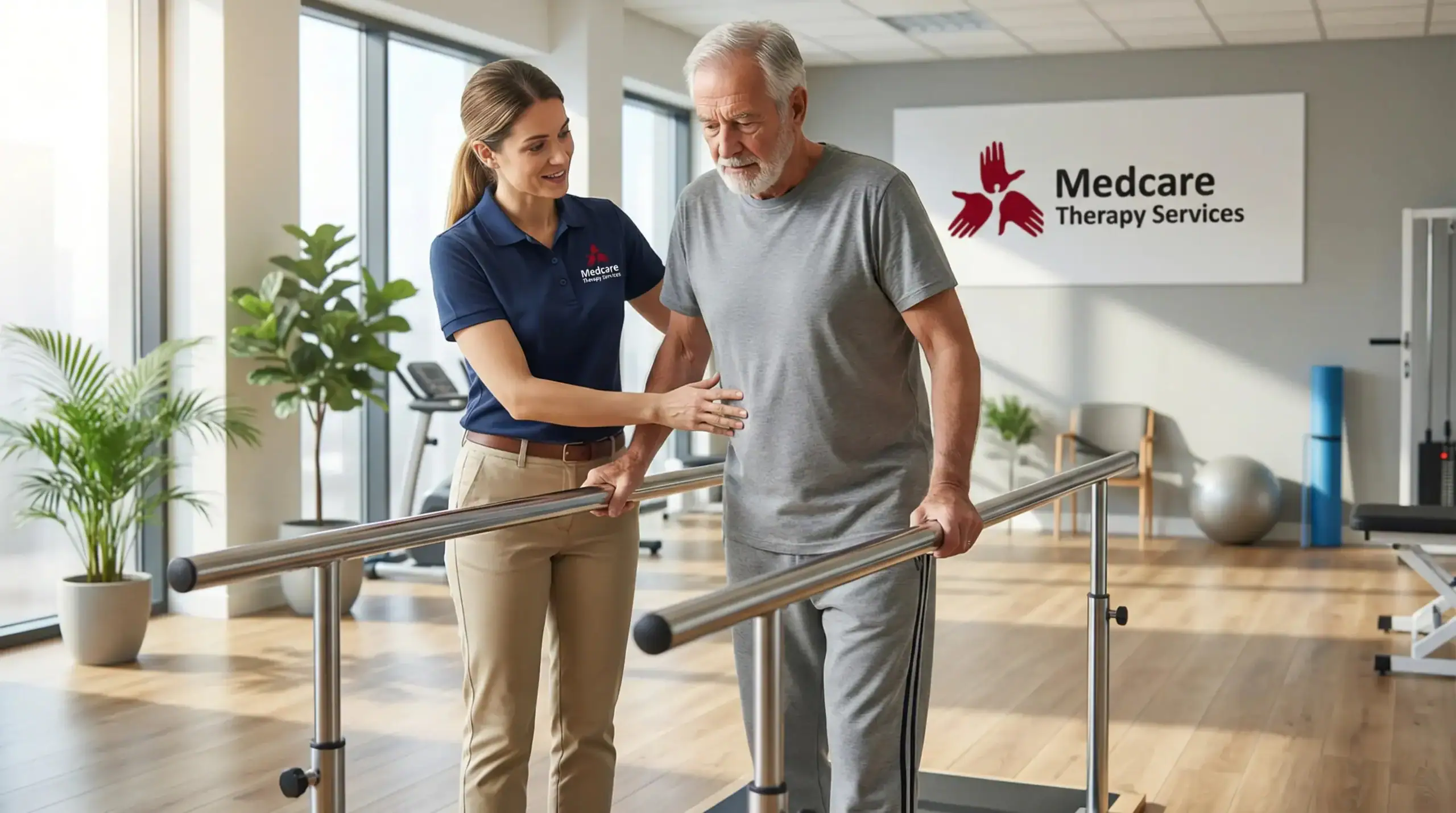
First, we do a fall risk assessment. This isn’t a questionnaire. It’s a hands-on evaluation where we watch how you move, test your strength and balance, review your medications, and talk through any falls or near-falls you’ve had. We’re looking for patterns most people miss.
Then we build your program. If your hips are weak, we strengthen them. If your balance is off because of an inner ear issue, we do vestibular rehabilitation. If you’re unsteady on uneven surfaces, we train for that specifically. Every program is different because every person’s risk factors are different.
You’ll come in for sessions, usually a few times a week to start. We’ll also give you exercises to do at home because consistency is what makes the difference. And we’ll talk about your environment. Sometimes it’s as simple as better lighting, removing a rug, or rearranging furniture so you’re not navigating obstacle courses in the dark.
The goal isn’t just to get you stronger. It’s to get you confident again. Because when you stop moving out of fear, that’s when things get worse fast.

Ready to get started?
Balance training is the foundation. We use exercises that challenge your stability in controlled ways so your body learns to catch itself before a fall happens. Strength training comes next because weak legs and hips are one of the biggest predictors of falls in older adults.
Gait training helps you walk more safely. A lot of people develop shuffling patterns or uneven strides that increase fall risk. We retrain those patterns. If dizziness is part of the picture, vestibular rehab addresses the inner ear issues that throw off your equilibrium.
We also do home safety education. Nassau County homes, especially in areas like Hewlett, Cedarhurst, and Woodmere, tend to be older with stairs, narrow hallways, and layouts that weren’t designed with aging in mind. Small changes make a big difference. We’ll walk you through what to look for and what to fix.
And everything is covered by Medicare in most cases. You’re not paying thousands of dollars out of pocket. You’re using the insurance you’ve been paying into for years to get the care you actually need right now.
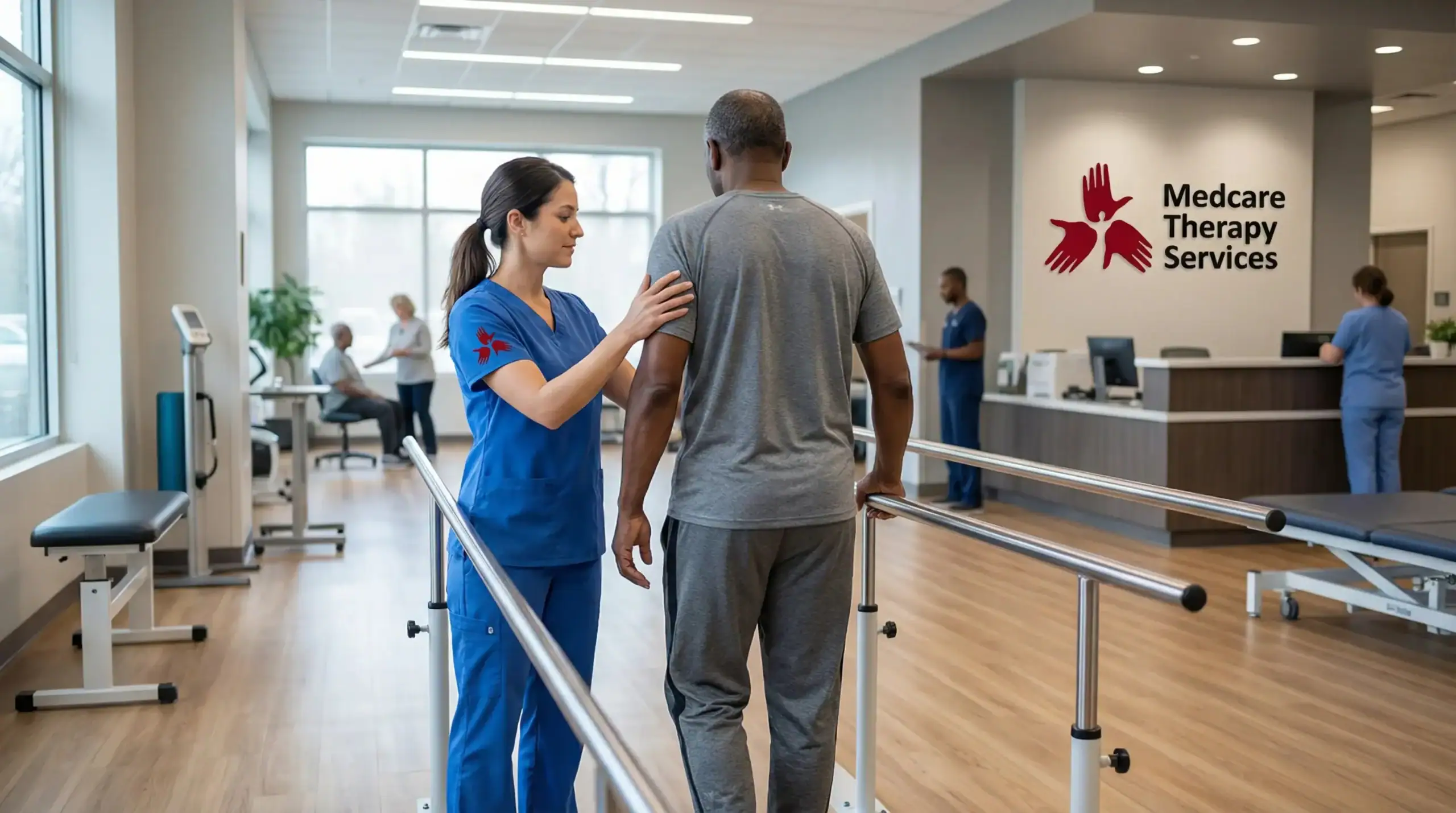
If you’ve fallen in the last year, your risk just doubled. But even if you haven’t, there are warning signs most people ignore.
Do you feel unsteady when you stand up? Do you grab onto furniture or walls when you walk? Have you started avoiding stairs or certain rooms in your house? Do you take four or more medications daily? Those are all red flags.
About 1 in 4 older adults falls every year, but fewer than half tell their doctor. A lot of people think it’s just part of getting older. It’s not. It’s a sign that something specific is off, whether that’s strength, balance, vision, medication side effects, or your environment. A fall risk assessment figures out what’s actually going on so you can address it before a fall happens.
Yes. Even if you’re over 80, consistent balance exercises improve gait, posture, and stability. The earlier you start, the better, but it’s never too late to see results.
Studies show that regular exercise and activity can reduce fall risk by up to 50%. That’s not a small improvement. That’s the difference between staying home and ending up in a facility after a hip fracture.
The key is doing the right exercises for your specific issues. Generic “senior fitness” classes aren’t the same as a program designed around your fall risk factors. If your problem is weak hips, we strengthen your hips. If it’s dizziness, we address your vestibular system. If it’s both, we do both. Personalized programs work because they’re actually targeting what’s wrong, not just keeping you busy.
That fear is real, and it’s one of the most damaging parts of falling. A lot of people become so afraid of falling again that they stop moving. They stop going outside. They stop doing the things that keep them strong and engaged. That leads to more weakness, more isolation, and a higher chance of falling again.
Physical therapy helps you rebuild confidence in a controlled environment. We start where you are, not where you think you should be. If standing on one foot feels impossible, we don’t start there. We build up gradually so you’re always challenged but never unsafe.
The other thing we do is figure out why you fell in the first place. Was it a trip hazard? Dizziness? Weak legs? Once we know the cause, we can prevent it from happening again. Most falls aren’t random. They’re predictable, and that means they’re preventable.
Most fall prevention physical therapy is covered by Medicare Part B, and we accept most major insurance plans. You’ll have your typical copay or coinsurance, but you’re not paying full price out of pocket.
We handle the insurance verification upfront so there are no surprises. If there’s something that’s not covered, we’ll tell you before we start. But in the majority of cases, Medicare covers balance training, gait training, and therapeutic exercises when they’re medically necessary, which fall prevention absolutely is.
The average hospital cost for a fall injury is over $34,000. A hip fracture almost always requires surgery and months of recovery. Compare that to a few weeks of physical therapy that’s mostly covered by insurance. The math isn’t even close.
It depends on your starting point and your goals, but most people see noticeable improvement in 6 to 8 weeks. Some need a little more time. Some need less.
You’ll typically come in two to three times a week at first. As you get stronger and more confident, we space out the sessions and shift more of the work to home exercises. The goal isn’t to keep you in therapy forever. It’s to get you stable, strong, and confident enough to maintain it on your own.
That said, balance and strength don’t stay improved if you stop working on them. We’ll give you a long-term plan so you can keep up the progress after formal therapy ends. A lot of people continue with a maintenance routine at home or check in periodically if they notice any changes. Staying ahead of the problem is a lot easier than recovering from a fall.
We get it. Some people feel safer at home, especially if mobility is already an issue. While most of our fall prevention work happens in the clinic where we have the right equipment and setup, we can discuss options if getting to our Hewlett or nearby Nassau County locations is a real barrier.
That said, coming into the clinic has advantages. We can assess your movement in different environments, use specialized equipment for balance training, and adjust your program in real time based on what we see. It’s also a chance to get out, stay engaged, and work with a therapist who’s watching your form and progress closely.
If transportation is the issue, talk to us. A lot of our patients arrange rides through family, friends, or local senior services. The effort to get here is worth it when the alternative is losing your independence after a fall.
Other Services we provide in Hewlett