
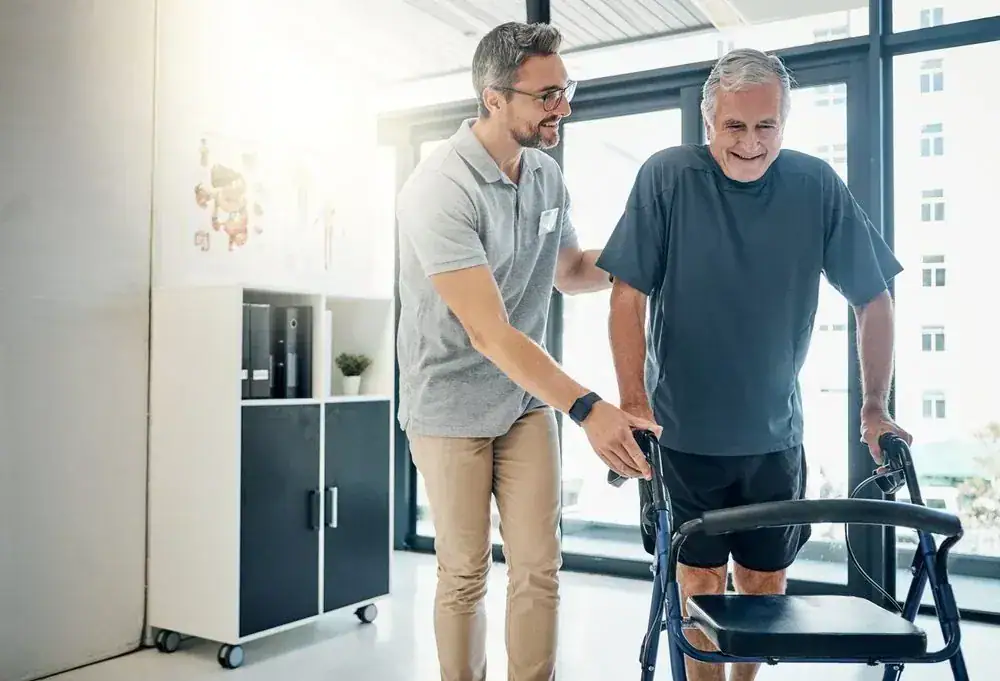
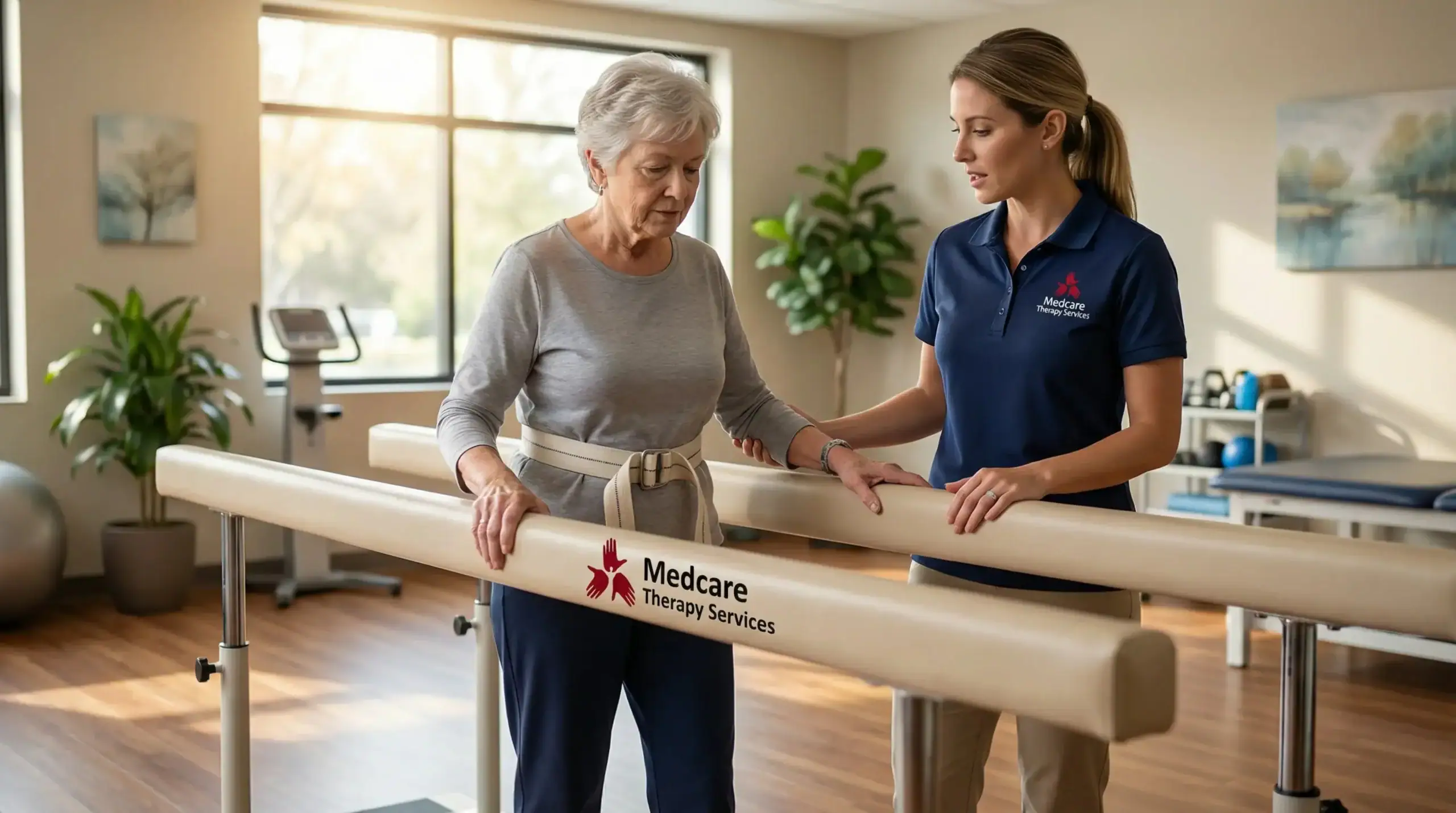
You’re not imagining it. That hesitation before standing up, the extra second you need to steady yourself, the way you avoid certain rooms or activities because you’re worried about losing your balance—it’s real, and it’s limiting what you can do.
Falls aren’t just about the physical injury. They change how you live. You stop going places. You ask for help with things you used to handle on your own. The fear becomes as limiting as the fall itself.
Physical therapy for balance works because it addresses what’s actually causing the instability—weak muscles, poor coordination, reduced mobility. Through targeted exercises and hands-on guidance, you rebuild strength where it matters most. Your legs get steadier. Your posture improves. You start trusting your body again.
And when that happens at home, in the environment where you actually move every day, the results stick. You’re not just doing exercises in a clinic and hoping they transfer. You’re training in the space where it counts.
We’ve been providing in-home physical and occupational therapy across Long Island since 2010. That’s over a decade of helping people stay independent without needing to leave their homes for treatment.
Hempstead and the surrounding Nassau County areas have seen significant growth in the 65+ population—over 113,000 more older adults than a decade ago. That means more people facing mobility challenges, more families trying to figure out how to help aging parents, and more need for accessible, effective fall prevention care.
We’re Medicare-certified, which means your therapy is likely covered. Our therapists are licensed, experienced, and trained specifically in balance and fall prevention protocols. But more than credentials, what matters is this: we show up, we assess your actual environment, and we build a plan that fits your life—not a generic program pulled from a binder.

It starts with an assessment. A licensed physical therapist comes to your home and evaluates your balance, strength, mobility, and the layout of your space. They’re looking for risk factors—things like weak leg muscles, trouble getting up from a chair, uneven flooring, poor lighting, or anything else that increases fall risk.
From there, they build a personalized plan. This isn’t a one-size-fits-all routine. It’s based on where you’re at right now and what you need to improve. That might include balance exercises for seniors, strength training for your legs and core, coordination drills, or gait training to improve how you walk.
Each session happens in your home, usually one to three times per week depending on your needs and what Medicare approves. Your therapist guides you through exercises, tracks your progress, and adjusts the plan as you get stronger. They also make recommendations about your home setup—grab bars, lighting, furniture placement—to reduce hazards.
Over time, you’ll notice the difference. Movements that felt shaky become smoother. Activities you avoided feel manageable again. The goal isn’t just to prevent falls—it’s to give you back the confidence to move through your day without fear.

Ready to get started?
Your therapy plan is built around improving the specific areas that affect balance and mobility. That typically includes strengthening exercises targeting your legs, hips, and core—the muscle groups that keep you upright and stable. Weak muscles are one of the biggest contributors to falls, and targeted strength training can make a measurable difference.
You’ll also work on balance exercises designed for seniors. These might involve standing on one leg, weight shifting, or using simple tools like a chair or countertop for support. The exercises progress as you improve, so you’re always working at a level that challenges you without putting you at risk.
Gait training is another key piece. This focuses on how you walk—your stride length, foot placement, posture, and rhythm. Small adjustments here can significantly reduce your fall risk, especially if you’ve developed compensatory patterns after an injury or surgery.
In Hempstead and across Nassau County, many of our clients are managing multiple health conditions—arthritis, diabetes, heart issues—that complicate mobility. Your therapist takes all of that into account. They work with your doctor, respect your limitations, and design a program that’s safe and effective for your situation. And because it’s Medicare-covered, cost doesn’t have to be a barrier to getting the care you need.

Yes. Medicare Part B covers outpatient physical therapy when it’s medically necessary and prescribed by your doctor. Fall prevention therapy qualifies if you have documented balance issues, a history of falls, or conditions that increase fall risk—things like muscle weakness, gait problems, or mobility limitations.
The therapy has to be provided by a Medicare-certified provider, which we are. Your doctor will need to refer you, and the therapist will create a plan of care that gets submitted for approval. Medicare typically covers a significant portion of the cost, though you may have a copay depending on your specific plan and whether you’ve met your deductible.
Home-based therapy is covered the same way clinic-based therapy is. The difference is that the therapist comes to you, which is especially helpful if you have trouble getting to appointments or if leaving your home feels risky because of balance concerns. It’s worth calling Medicare or your supplemental insurance to confirm your specific coverage, but in most cases, if the therapy is prescribed and medically justified, you’re covered.
Most people start noticing small improvements within the first few weeks—things like feeling steadier when standing up or walking with more confidence. Measurable changes in strength and balance typically show up around the four to six week mark if you’re consistent with your sessions and any home exercises your therapist assigns.
That said, everyone’s timeline is different. If you’re recovering from a fall or surgery, it might take longer. If you’ve been inactive for a while, your muscles need time to rebuild. Age, underlying health conditions, and how severe your balance issues are all play a role.
The research is clear: physical therapy can reduce fall risk by up to 37%, but that’s with a sustained, personalized program—not a couple of sessions. Your therapist will track your progress using standardized tests and adjust your plan as you improve. The goal is long-term stability, not a quick fix. Stick with it, and the results will come.
It depends on your current ability and what your assessment reveals, but most fall prevention programs include a mix of static and dynamic balance exercises. Static exercises involve holding a position—like standing on one foot or maintaining your balance with your eyes closed. These help improve your body’s ability to stabilize itself.
Dynamic exercises involve movement—things like walking heel-to-toe, stepping over objects, or shifting your weight from side to side. These train your body to stay balanced while you’re actually moving, which is when most falls happen.
You’ll also do strengthening exercises that target the muscles responsible for balance—your quads, glutes, calves, and core. Squats, leg lifts, and step-ups are common. Your therapist might also incorporate coordination drills or reaction exercises to improve how quickly your body responds when you start to lose balance. Everything is tailored to your level, and you’ll always have support—whether that’s a chair, countertop, or the therapist’s hands—until you’re ready to progress.
Absolutely. In fact, if you’ve already fallen, therapy becomes even more important. Falls often lead to a cycle—you fall, you lose confidence, you become less active, your muscles weaken, and your fall risk goes up. Physical therapy breaks that cycle.
After a fall, many people develop what’s called a fear of falling. It’s a real psychological barrier that keeps you from doing things you’re physically capable of. Therapy addresses both the physical and mental side. You rebuild strength and balance, but you also rebuild trust in your body through guided, safe practice.
Your therapist will also figure out why you fell in the first place. Was it muscle weakness? A trip hazard in your home? Poor lighting? A medication side effect? Identifying the cause lets you address it directly, which reduces the chance of it happening again. The goal is to get you back to your normal routine—or as close to it as possible—without the constant worry that another fall is around the corner.
The biggest difference is that your therapist sees how you actually move in your own environment. They’re not guessing what your home looks like or what challenges you face—they’re right there, assessing your stairs, your bathroom setup, your flooring, your furniture layout. That means the recommendations and exercises are specific to your real life, not a generic clinic setting.
Home-based therapy also removes the transportation barrier. If getting to appointments is difficult, stressful, or requires help from family, that’s one less obstacle. You get the same quality care without needing to leave your house.
There’s also a comfort factor. You’re in your own space, which can make it easier to focus and feel at ease. Some people find it less intimidating than a clinical environment. And because the therapist is working one-on-one with you in your home, the attention is fully on you—no distractions, no waiting for equipment, no splitting time with other patients.
Not much. Wear comfortable clothing that allows you to move—something you’d wear for light exercise. You don’t need special equipment. Your therapist will bring anything they need and work with what you already have at home, like a sturdy chair or countertop for support.
It helps to have a list of your current medications ready, especially if you’re taking anything that affects balance, blood pressure, or dizziness. If you’ve had recent falls, jot down when they happened and what you were doing—that information helps your therapist understand patterns.
Clear a small space where you can move around safely. It doesn’t need to be big, just enough room to walk a few steps and do some standing exercises. And if there are specific areas of your home where you feel unsteady—like the bathroom or stairs—let your therapist know. They’ll want to see those areas and may have suggestions for making them safer. The first session is mostly about assessment and getting to know your situation, so just be ready to talk honestly about what’s been hard and what you want to improve.
Other Services we provide in Hempstead