
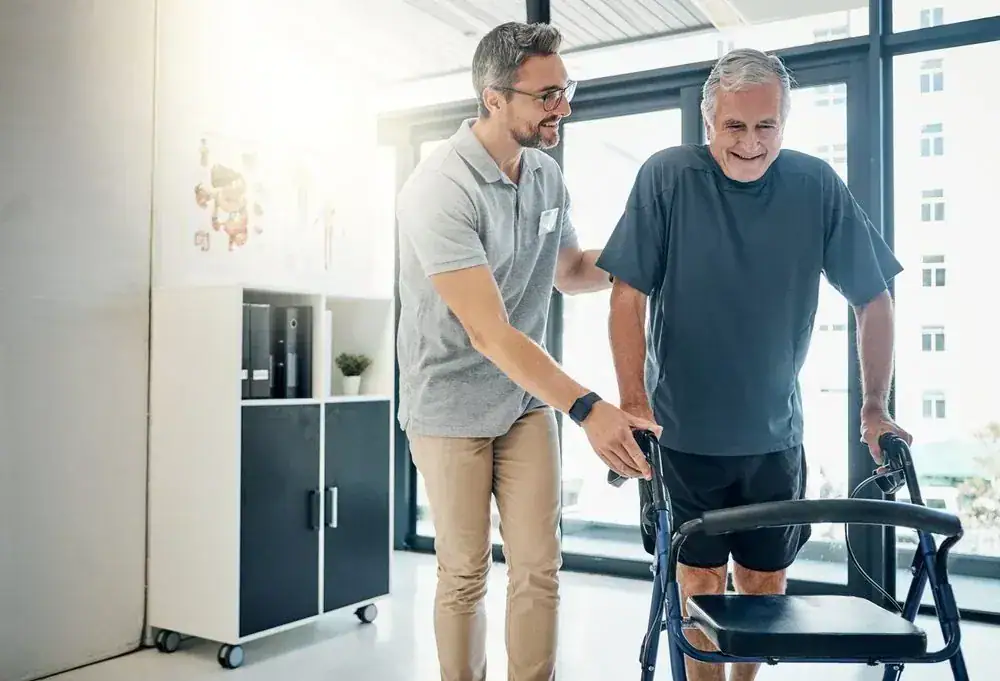
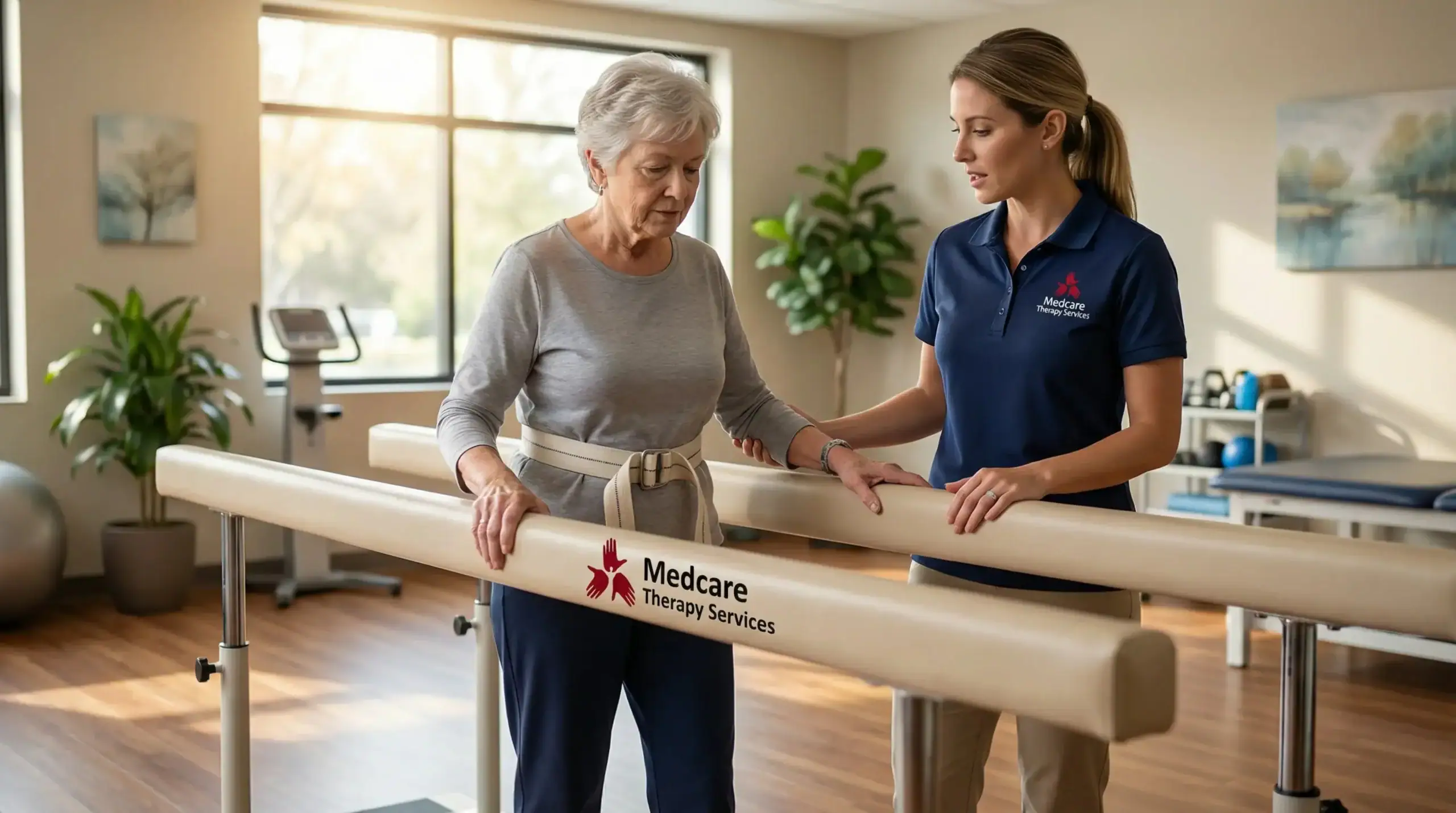
You stop planning your day around what might go wrong. You walk to the mailbox without that tight feeling in your chest. You get up in the middle of the night without turning on every light or gripping the wall.
That’s what happens when balance exercises for seniors actually work. Not generic stretches from a printout—real physical therapy for balance that’s built around how you move, where you live, and what’s making you unsteady in the first place.
In Nassau County, 88% of injury hospitalizations for adults over 65 are from falls. That’s not because people aren’t careful. It’s because strength, reflexes, and coordination decline naturally with age, and most people don’t get help until after something happens.
Fall prevention in the elderly works best when it’s early, consistent, and done at home where the real risks are. You don’t need another appointment to drive to. You need someone who understands your floor plan, your routine, and your body.
We’ve been providing in-home physical therapy across Long Island since 2010. We’re licensed, Medicare-approved, and locally based—not a franchise dropping in from somewhere else.
We treat patients in Head of the Harbor, NY and throughout Nassau and Suffolk counties. We know the housing stock here. We know the demographics. Nearly 39% of Nassau County households have someone over 65, and that number keeps climbing.
We also know what it takes to keep people safe at home. Our fall prevention programs are evidence-based, personalized, and covered by Medicare and most commercial insurance. Every evaluation includes a home safety check, movement screening, and a treatment plan that fits your life—not a template.
It starts with a phone call. We verify your insurance, confirm your address in Head of the Harbor, NY, and schedule a time that works for you. No intake forms at a front desk. No waiting room.
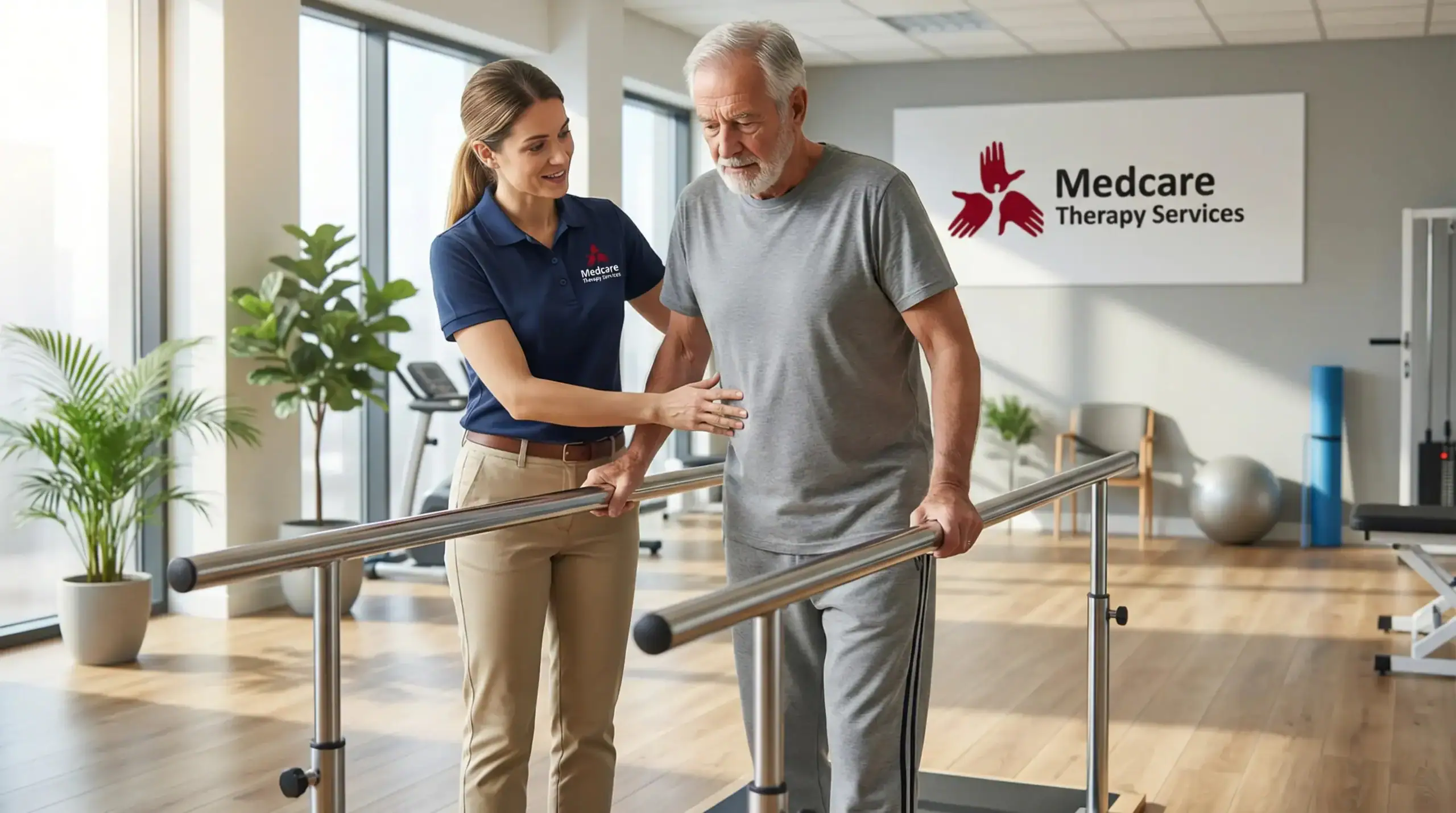
Your therapist comes to your home and does a full evaluation. That includes your medical history, medications, any recent falls or close calls, and a movement screen—how you walk, how you balance, how you get up from a chair. We also walk through your home and flag hazards: loose rugs, poor lighting, missing grab bars, clutter in walkways.
From there, we build a plan. You’ll get senior balance exercises designed for your specific risks and abilities. Some are strength-based. Some focus on coordination or reaction time. All of them happen in your own space, using your own furniture and layout, so the improvements actually translate to daily life.
Sessions typically happen one to three times a week depending on your needs and coverage. You’re not locked into anything. If something’s not working, we adjust. The goal is simple: reduce your fall risk and give you your confidence back.

Ready to get started?
Every fall prevention plan includes a comprehensive balance assessment, personalized physical therapy, and a home safety evaluation. But it also includes things most people don’t think about: gait training, strength work, flexibility exercises, and coordination drills that address how your body actually moves.
If you’ve had a fall, we do post-fall rehabilitation to help you regain strength and mobility. If you haven’t fallen but feel unsteady, we focus on preventing that first incident. Either way, the program is evidence-based and tailored to you.
On Long Island, where nearly one in five residents is over 65, the need for elderly fall prevention is higher than most places in New York. Suffolk and Nassau counties rank 4th and 5th statewide for fall prevalence. The risks here aren’t abstract—they’re real, and they’re local.
We also coordinate with your doctor if needed, provide caregiver education, and make sure any adaptive equipment or home modifications we recommend actually make sense for your space and budget. You’re not buying things you don’t need. You’re getting a plan that works.
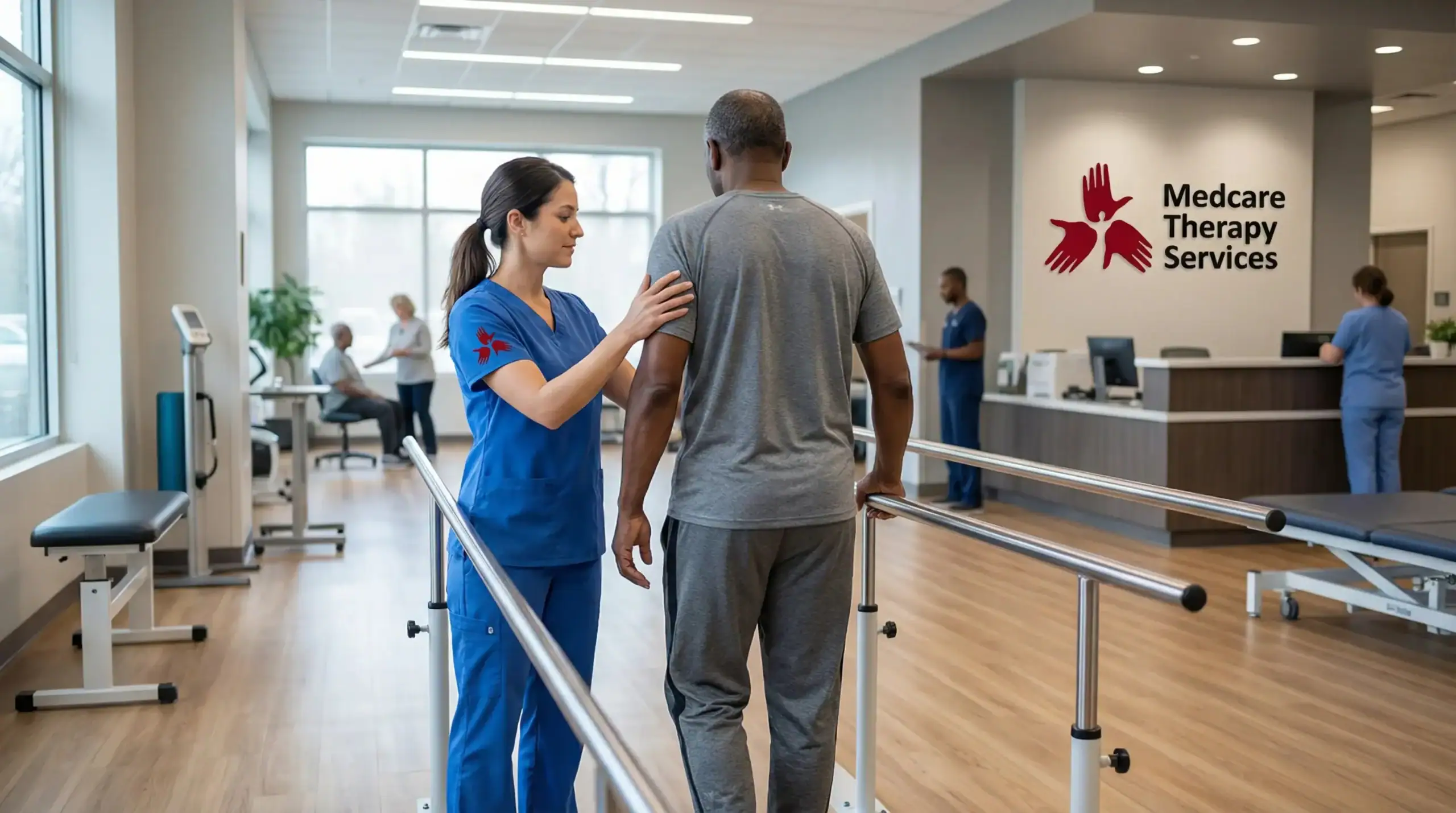
Yes. Medicare Part B covers outpatient physical therapy when it’s medically necessary, and fall prevention qualifies if you’ve had a recent fall, you’re at high risk, or your doctor refers you. We’re a Medicare-approved provider, and we handle the billing directly.
You’ll typically have a copay or coinsurance depending on your plan, but you won’t pay out of pocket for the full cost of care. We also accept most commercial insurance plans. Before your first visit, we verify your coverage and let you know exactly what to expect.
If you’re unsure whether you qualify, call us. We’ll walk you through it and coordinate with your physician if a referral or documentation is needed.
It depends on your evaluation, but most plans include a mix of static balance work, dynamic movement training, strength exercises, and coordination drills. Static balance might be standing on one foot or shifting your weight side to side. Dynamic work could be walking heel-to-toe, stepping over objects, or practicing turns.
We also do functional exercises—things like getting in and out of a chair safely, reaching for items on a shelf, or stepping into the tub. These aren’t gym exercises. They’re movements you actually do every day, practiced in a controlled way so they become automatic and safer.
If you have specific challenges—like neuropathy, arthritis, or Parkinson’s—we adjust everything accordingly. The exercises are progressive, meaning they start where you are and build from there. You’re never pushed beyond what’s safe, but you’re also not babied. The goal is real improvement.
The biggest difference is context. When you do physical therapy for balance in a clinic, you’re working in a controlled environment with flat floors, bright lights, and grab bars everywhere. That’s helpful for some things, but it doesn’t prepare you for your own hallway at 2 a.m. or your front steps in winter.
In-home therapy lets us see the real risks. We assess the lighting in your bathroom, the height of your bed, the stability of your furniture, the layout of your kitchen. We build exercises around your actual environment, and we can recommend modifications that make sense for your specific home.
There’s also no transportation barrier. For older adults in Head of the Harbor, NY and across Nassau County, getting to appointments can be stressful or impossible. With home therapy, that’s not an issue. You get consistent care without the logistical burden, which means better outcomes.
Your therapist walks through your home and identifies fall hazards. That includes obvious things like loose rugs, clutter, poor lighting, and uneven thresholds. But it also includes less obvious risks—like furniture that’s too low, a lack of handrails on stairs, or slippery bathroom surfaces.
We don’t just point out problems. We give you practical, affordable solutions. Sometimes that’s as simple as moving a lamp or removing a throw rug. Other times it might mean recommending a grab bar installation or a shower chair. We’ll never push expensive equipment you don’t need.
The evaluation is part of your fall prevention plan, and it’s covered under the same Medicare or insurance benefit as your therapy. It usually happens during your first or second visit, and we document everything so you and your family know exactly what to address.
Absolutely. Post-fall rehabilitation is one of the most important things we do. After a fall, it’s completely normal to feel anxious or avoid certain movements. But that fear often leads to less activity, which leads to weaker muscles and worse balance—and a higher chance of falling again.
We start slow. First, we assess any lingering pain, weakness, or mobility issues from the fall itself. Then we work on rebuilding strength and confidence through controlled, supervised exercises. A lot of that is psychological as much as physical—you need to trust your body again.
We’ve worked with patients in Head of the Harbor, NY who hadn’t left their house in months after a fall. With consistent therapy and the right support, most people regain their independence. It’s not about pretending the fall didn’t happen. It’s about making sure it doesn’t define what you’re able to do going forward.
Most patients see significant improvement in six to eight weeks, but it varies. If you’re recovering from a fall or dealing with a chronic condition like Parkinson’s, it might take longer. If you’re relatively healthy and just need some strengthening and balance work, you might be done sooner.
Medicare doesn’t put a hard limit on therapy as long as it’s medically necessary and you’re making progress. We track your improvement at every visit—balance scores, gait speed, strength benchmarks—and adjust the plan as you go.
Some people graduate after a few weeks and just need a maintenance routine they can do on their own. Others benefit from ongoing check-ins every few months. There’s no one-size-fits-all timeline. The program lasts as long as it takes to get you stable, confident, and safe.
Other Services we provide in Head Of The Harbor