
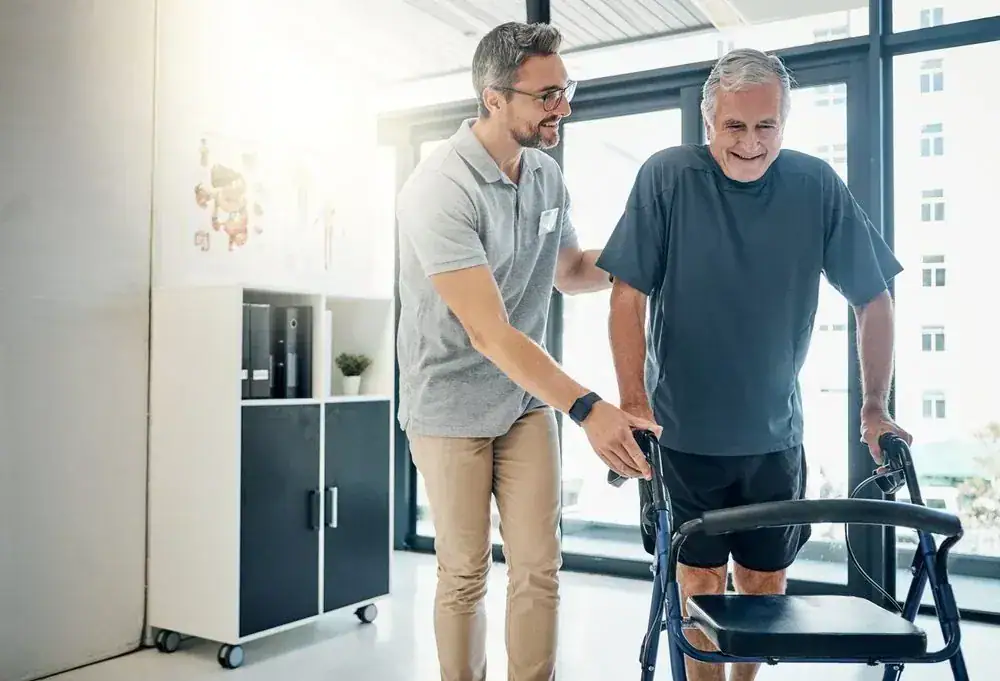
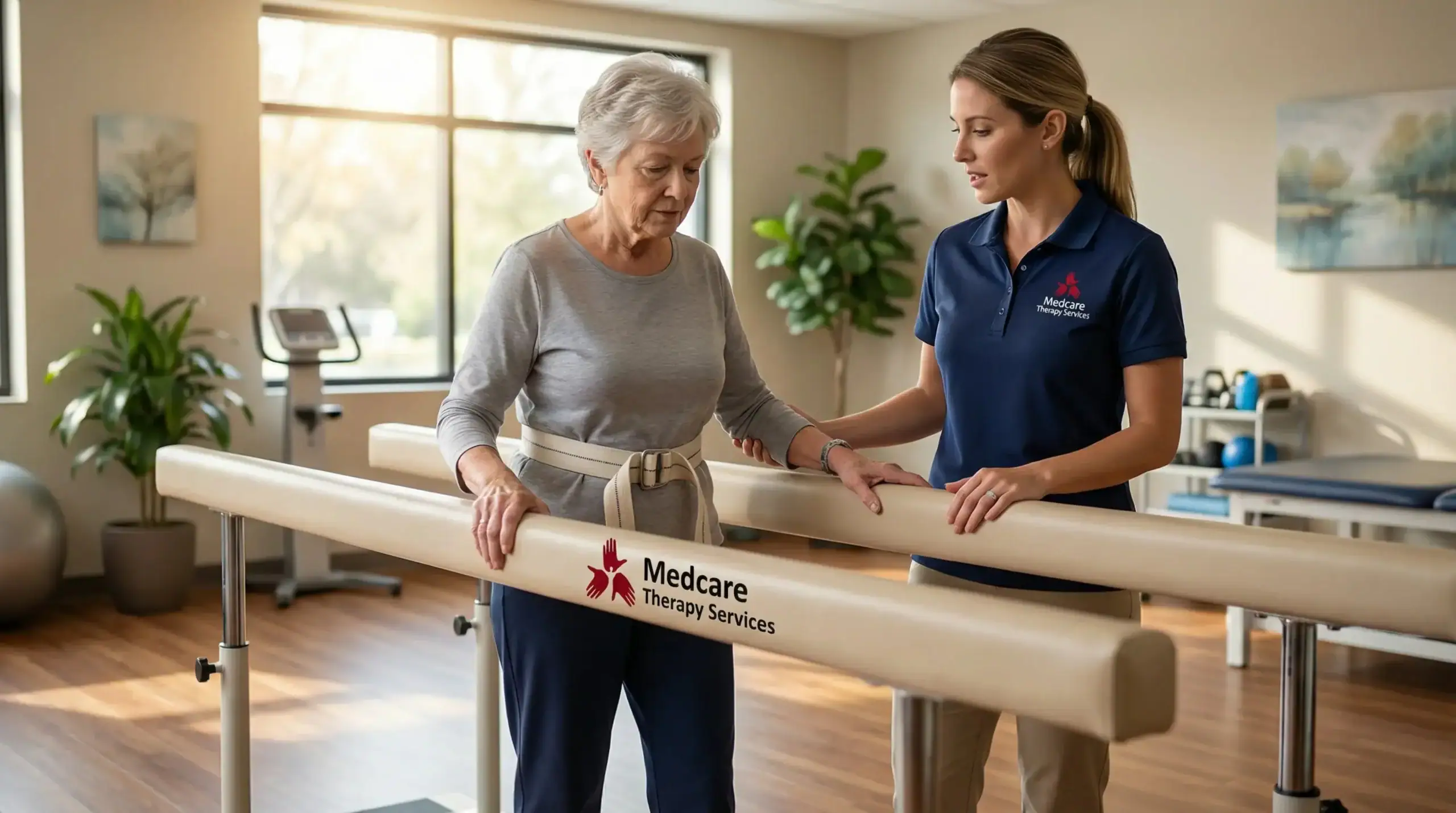
You’re not looking for a lecture about being careful. You already know falls are serious. What you need is someone who can actually help you feel steadier on your feet—without making you drive to appointments you’d rather not take.
That’s what we do. Our licensed physical therapists come to your home in Harbor Isle and work with you on balance exercises designed specifically for seniors. We assess your actual risk factors—strength, gait, home hazards, medication side effects—and build a plan that makes sense for your life.
The goal isn’t just avoiding a fall. It’s getting back to doing what you want without second-guessing every step. Research shows the right balance training can reduce falls by 35 percent. You get stronger. You move better. You worry less.
We’ve been delivering home-based physical therapy across Nassau County for over a decade. We’re not a national chain. We’re local therapists who know Harbor Isle, understand the layout of homes here, and work with seniors who want to age in place safely.
Every therapist on our team is licensed and trained in evidence-based fall prevention programs like Otago. We accept Medicare and most commercial insurance. And because we come to you, there’s no transportation hassle, no waiting rooms, no exposure to illness during flu season.
Nassau County ranks fourth in New York State for fall-related incidents among older adults. That’s not a scare tactic—it’s why we’re here. You deserve care that’s convenient, professional, and actually reduces your risk.
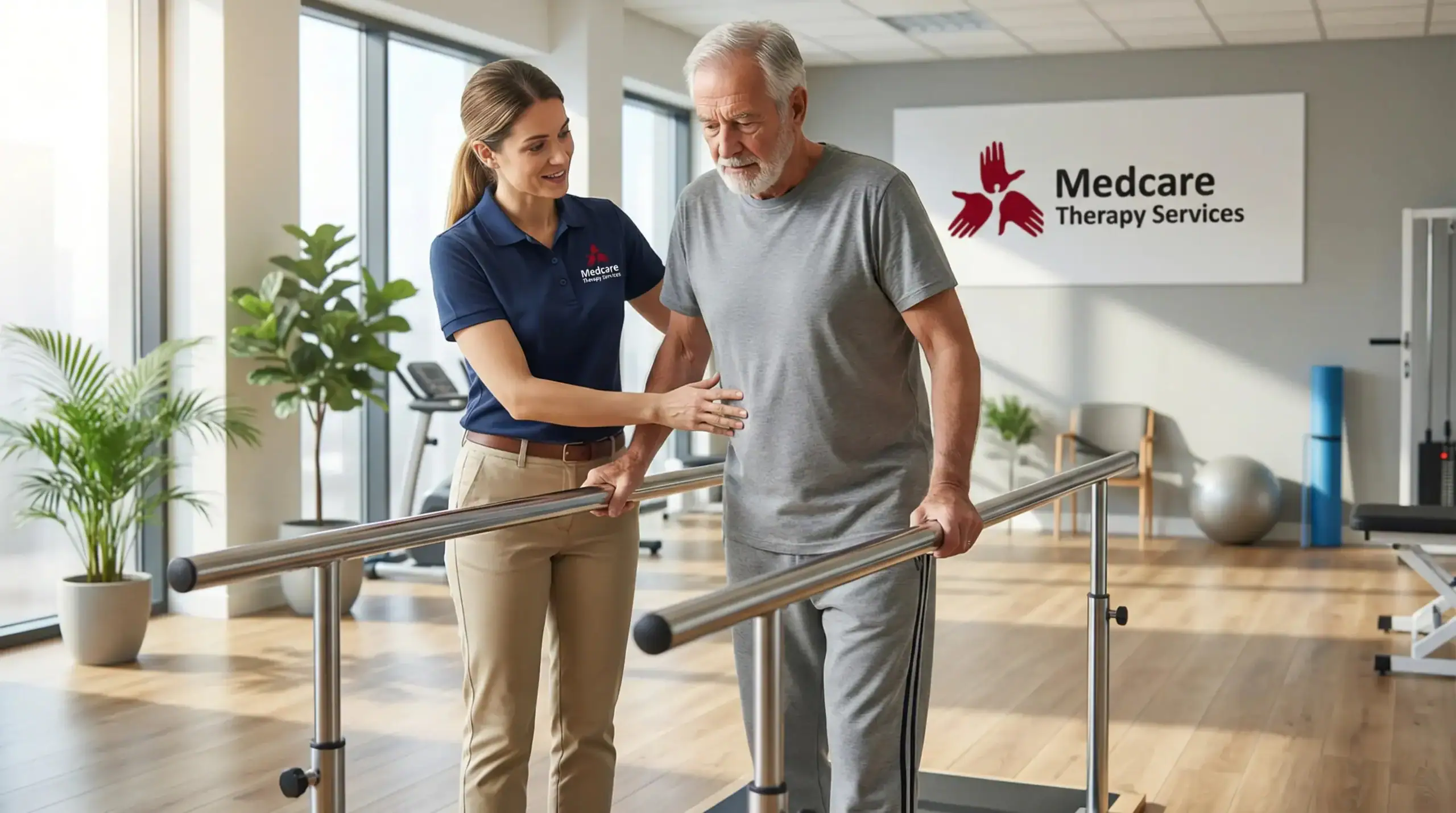
First, we schedule an in-home evaluation at a time that works for you. A licensed physical therapist will assess your balance, strength, walking pattern, and any environmental risks in your home. This isn’t a quick checklist—it’s a thorough look at what’s actually contributing to your fall risk.
From there, we build a personalized treatment plan. That might include senior balance exercises to improve stability, strength training for your legs and core, gait training to help you walk more confidently, and recommendations for simple home modifications. Everything is tailored to your current abilities and goals.
Sessions happen in your home, usually one to three times per week depending on your needs. We track your progress, adjust exercises as you get stronger, and keep your doctor in the loop. Most patients see noticeable improvements in balance and confidence within a few weeks.

Ready to get started?
Your program starts with a comprehensive fall risk assessment. We evaluate balance, muscle strength, joint mobility, vision, medication effects, footwear, and home safety. This gives us a complete picture of what’s increasing your risk.
You’ll receive one-on-one physical therapy sessions focused on evidence-based balance exercises for seniors. These aren’t generic stretches—they’re targeted movements proven to improve stability and reduce falls. We also work on functional activities like getting up from a chair, navigating stairs, and recovering if you start to lose your balance.
In Nassau County, 88 percent of injury hospitalizations for adults over 65 are due to falls. Many happen at home. That’s why we also provide practical guidance on reducing hazards—loose rugs, poor lighting, bathroom safety, clutter in walkways. Small changes make a big difference.
You’ll also get education on managing dizziness, understanding how medications affect balance, and building habits that support long-term stability. We’re not just treating symptoms. We’re helping you build strength and confidence that lasts.
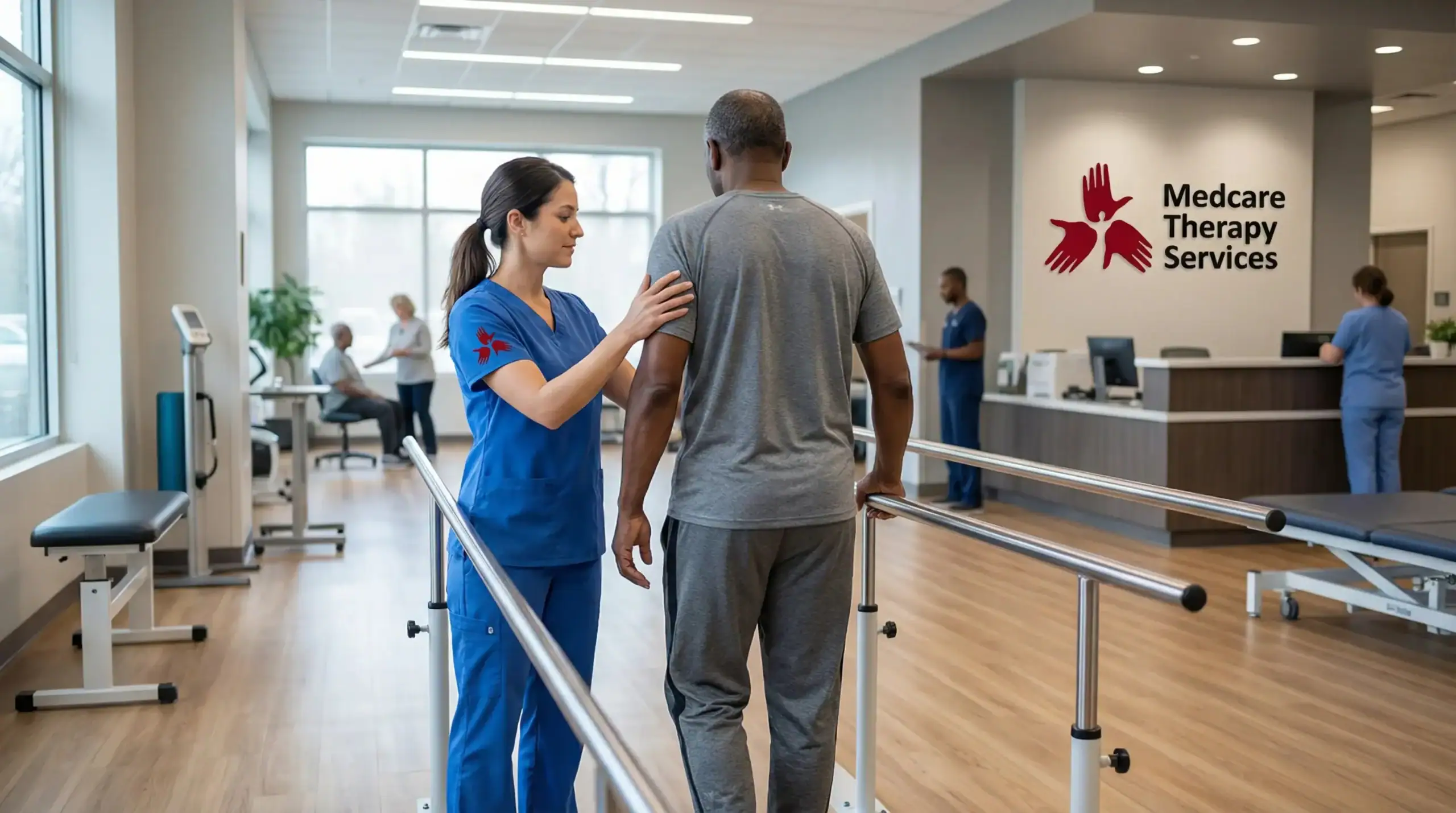
Yes. Medicare Part B covers physical therapy for fall prevention when it’s medically necessary and prescribed by your doctor. That includes in-home therapy if you’re homebound or if leaving your house is a significant burden.
You’ll need a referral or prescription from your physician stating that you’re at risk for falls or have experienced a fall. From there, we handle the billing and work directly with Medicare. Most patients pay little to nothing out of pocket after their deductible is met.
We also accept most commercial insurance plans. If you’re unsure about your coverage, call us. We’ll verify your benefits before your first appointment so there are no surprises.
Balance exercises for seniors are specifically designed to challenge your stability in safe, progressive ways. They target the muscles and reflexes that keep you upright and help you recover when you start to tip or stumble.
Regular exercise might improve your overall fitness, but it doesn’t always address the specific deficits that lead to falls—like weak ankles, slow reaction time, or poor proprioception. Senior balance exercises focus on weight shifting, standing on uneven surfaces, coordinating movement, and building core strength. These are the skills that matter when you’re walking on an uneven sidewalk or reaching for something on a high shelf.
We also adjust exercises based on your current ability. If you’re unsteady, we start with seated or supported movements. As you improve, we make things harder. The goal is to challenge you just enough to build strength without putting you at risk during the session itself.
Most people notice improvements in balance and confidence within three to four weeks of consistent therapy. That doesn’t mean you’re done—it means you’re starting to feel steadier and more secure in your movements.
The timeline depends on your starting point. If you’ve had a recent fall or surgery, it might take longer to rebuild strength and coordination. If you’re doing therapy as a preventive measure, you may progress faster. Either way, we track measurable changes—how long you can stand on one foot, how quickly you can get up from a chair, how smoothly you walk.
Research on programs like Otago shows that 12 weeks of structured balance training can reduce fall risk by up to 35 percent. We typically recommend two to three sessions per week during that period. After that, many patients transition to a maintenance program or continue exercises independently at home.
Absolutely. In fact, having a history of falls is one of the strongest indicators that you’ll benefit from physical therapy. Each fall increases your risk of falling again—not just because of physical weakness, but because fear of falling makes you move less, which makes you weaker.
We start by identifying why you’re falling. Is it muscle weakness? Poor balance? Dizziness? Vision problems? Medication side effects? Environmental hazards? Usually it’s a combination. Once we know what’s contributing, we can address it directly.
You’ll work on rebuilding strength, improving your gait, and practicing recovery techniques so that if you do start to lose your balance, you’re more likely to catch yourself. We also help you regain confidence. Fear of falling is real, and it affects how you move. Therapy gives you tools to feel safer and more capable in your daily life.
Your first session is an evaluation. A licensed physical therapist will come to your home in Harbor Isle and spend about an hour assessing your fall risk and current physical abilities.
We’ll ask about your medical history, any falls you’ve had, medications you’re taking, and activities that make you feel unsteady. Then we’ll do a series of simple physical tests—standing balance, walking speed, leg strength, flexibility, and how quickly you can change positions. We’ll also walk through your home and point out potential hazards like loose rugs, dim lighting, or tricky stairs.
At the end of the evaluation, we’ll explain what we found and recommend a treatment plan. You’ll know exactly what we’re going to work on, how often we’ll meet, and what kind of improvements you can expect. There’s no pressure, no upselling—just a clear plan based on your specific needs.
No. Plenty of our patients come to us because they feel unsteady or worried about falling, even if they haven’t hit the ground yet. That’s actually the best time to start.
Prevention is easier than recovery. If you’re noticing that you’re holding onto walls more, avoiding stairs, or feeling off-balance when you turn your head, those are signs that your fall risk is increasing. You don’t have to wait until something bad happens.
We also work with people recovering from surgery, managing chronic conditions like arthritis or neuropathy, or dealing with age-related changes in strength and coordination. If you’re concerned about your balance or independence, you’re a good candidate for fall prevention therapy. The earlier you address it, the better your outcomes.
Other Services we provide in Harbor Isle