
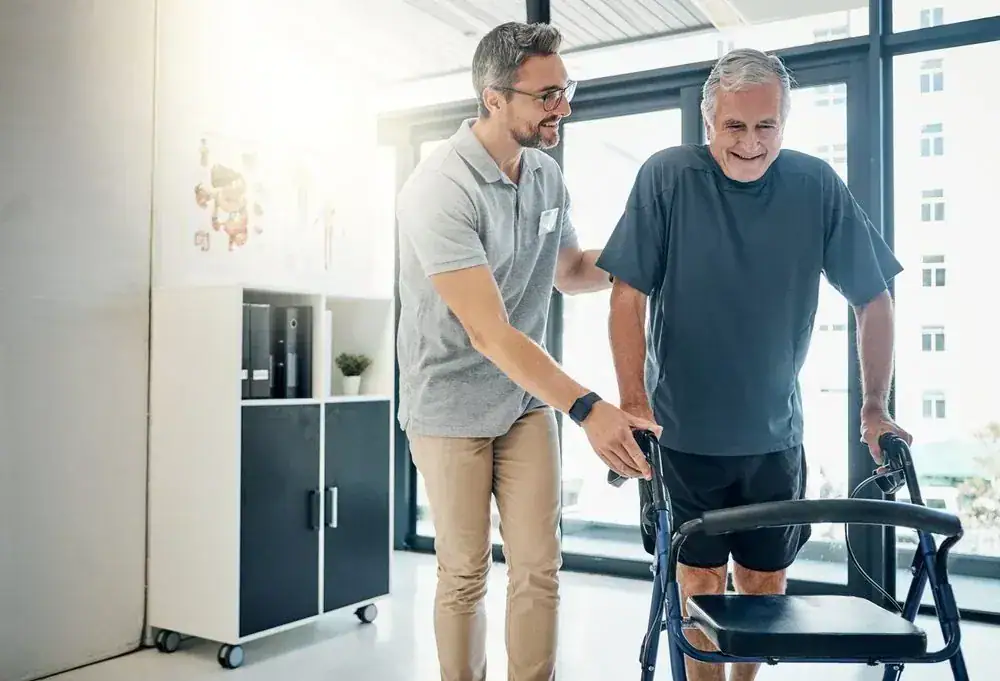
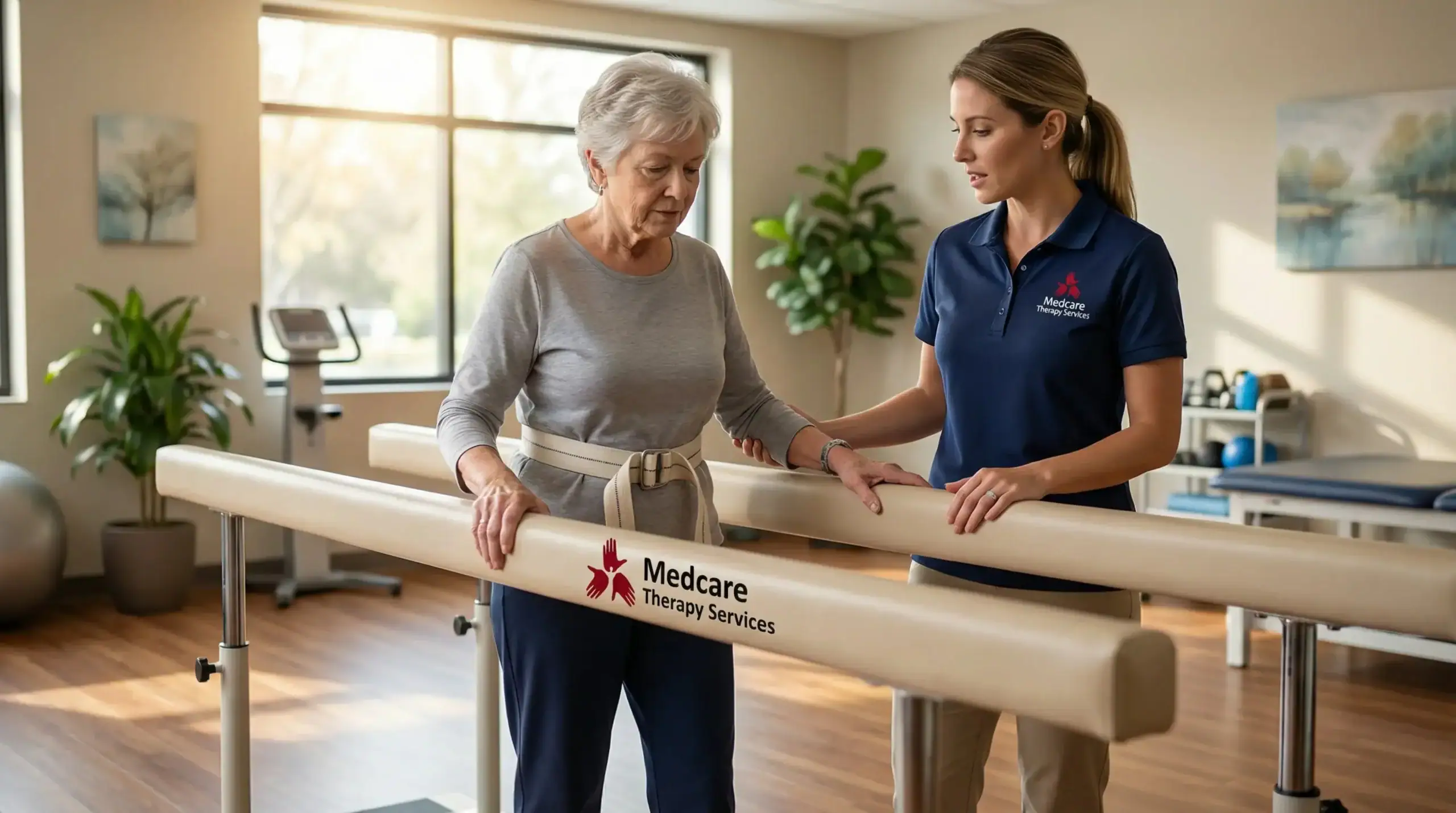
You stop second-guessing every step. Getting out of bed, walking to the mailbox, reaching for something on a shelf—these shouldn’t feel risky. When your balance improves, so does everything else: your confidence, your independence, your ability to do what you want without asking for help.
Falls don’t just hurt physically. They change how you see yourself. One fall can turn an active person into someone who’s afraid to move. That’s what we’re here to prevent.
Our fall prevention program focuses on the things that actually reduce risk: strengthening your legs, improving your reaction time, and teaching your body how to recover when you lose your footing. You’ll work with a physical therapist who understands that balance isn’t just physical—it’s tied to how safe you feel in your own home. We address both.
We have locations throughout Nassau and Suffolk Counties, including right here in Hampton Bays. We’ve built our reputation on doing the work that keeps people out of hospitals and in their homes.
Our therapists don’t rush you through generic exercises. They assess your specific risk factors—medication side effects, vision changes, home hazards, muscle weakness—and build a plan around what your body actually needs. Every session is about making you stronger and more stable than the last.
Hampton Bays has a large population of older adults who want to age in place. We get that. We also know the unique challenges of living near the water, navigating uneven sidewalks, and dealing with seasonal weather changes that make walking harder. Our programs account for the real conditions you face every day.
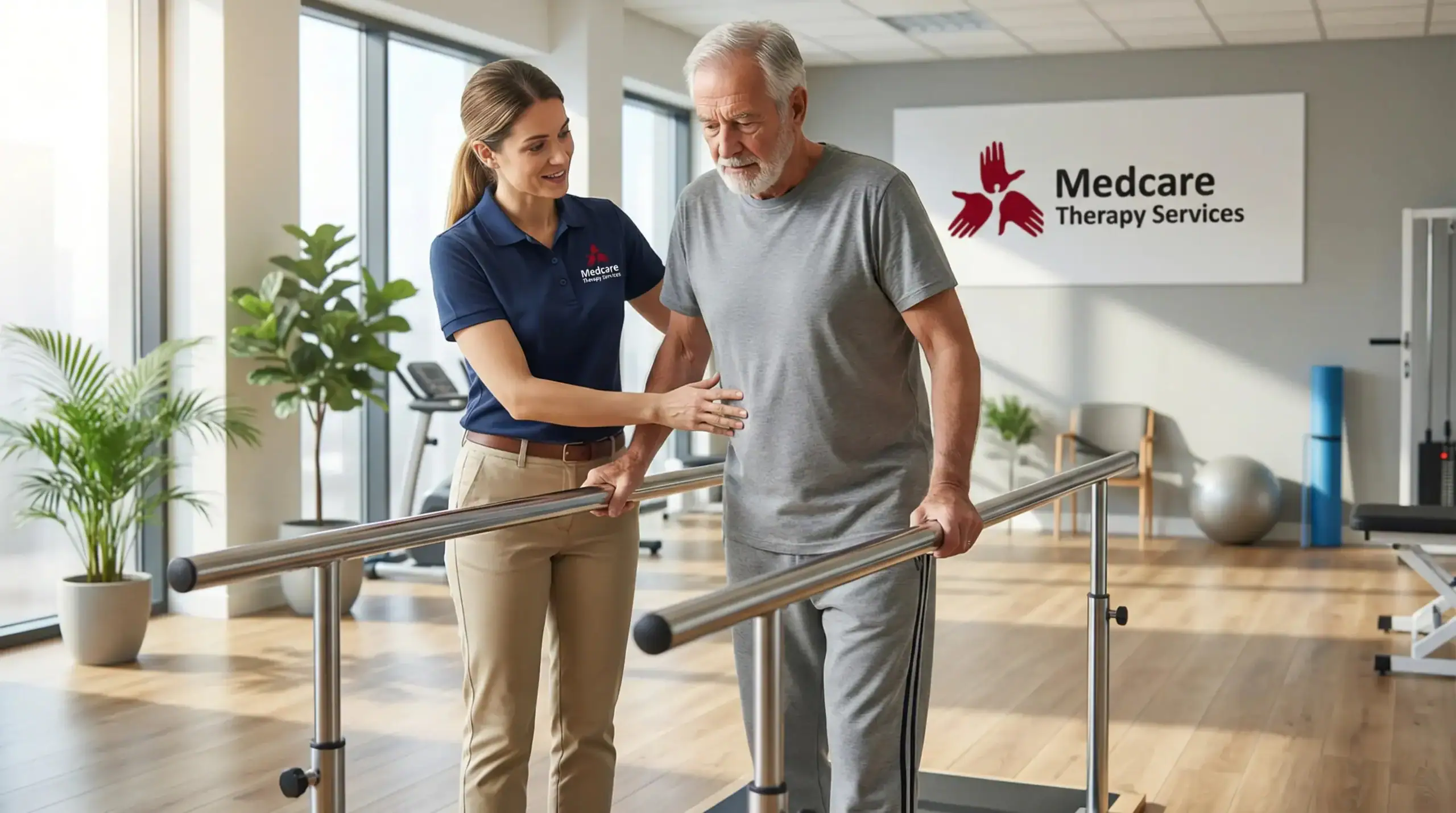
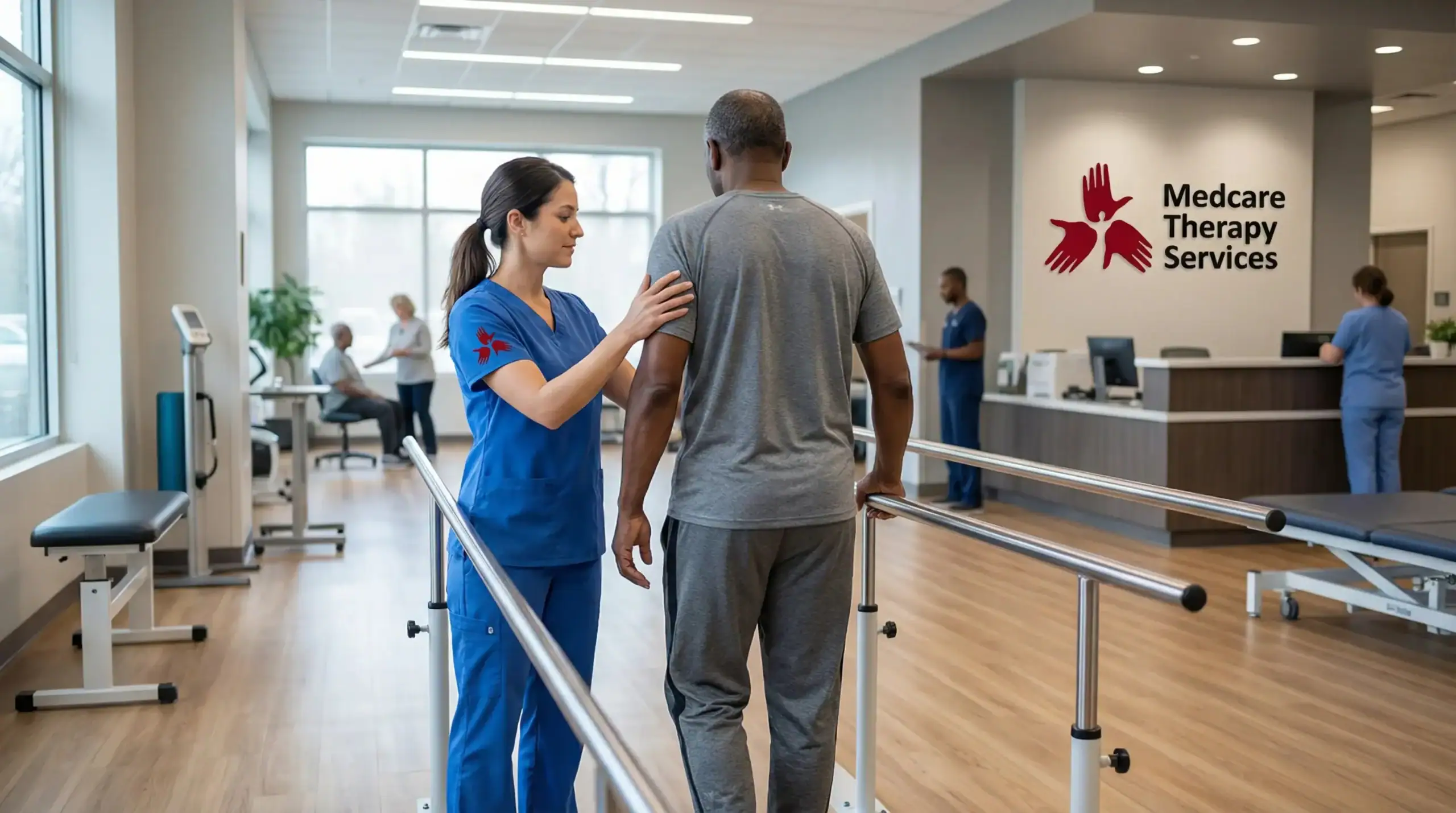
First, we assess your fall risk. This isn’t a questionnaire—it’s a functional evaluation. We watch how you walk, how you turn, how you get up from a chair. We check your strength, your reaction time, and your balance in different positions. We also talk about your medications, your home setup, and any previous falls.
Then we build your program. You’ll do exercises that target the muscles and movements that prevent falls: ankle strength, hip stability, core control, and coordination. These aren’t complicated. They’re practical. You’ll practice stepping over obstacles, recovering from a stumble, and moving safely in tight spaces.
As you progress, we adjust. Maybe you need more work on your left side. Maybe your confidence is still lagging even though your strength is improving. We adapt the program to match where you are, not where a textbook says you should be. You’ll also get a home exercise plan and recommendations for making your living space safer—better lighting, grab bars, removing tripping hazards.
Ready to get started?
You get one-on-one time with a licensed physical therapist who specializes in geriatric care. Every session is personalized. You’re not in a group doing the same exercises as everyone else.
Your program includes balance training, strength exercises, gait analysis, and coordination drills. We also provide education on managing dizziness, understanding how your medications affect your balance, and recognizing early warning signs that your risk is increasing. If you’ve already fallen, we work on rebuilding your confidence so fear doesn’t limit your movement.
For Hampton Bays residents, we understand the local lifestyle. Many of you are active—gardening, walking along the bay, staying involved in the community. Our goal is to keep you doing those things safely. We also coordinate with your doctor if needed, especially if medication adjustments or vision checks could lower your risk further.
Most insurance plans cover fall prevention physical therapy, and we handle the verification process for you. No surprises. No runaround. Just clear information about what you’ll pay and what’s covered.
If you’ve fallen in the past year, you’re at higher risk. But even if you haven’t, there are other signs: feeling unsteady when you walk, grabbing onto furniture or walls for support, avoiding certain activities because you’re afraid you’ll fall, or noticing that your balance isn’t what it used to be.
Certain medications increase fall risk—especially those that cause dizziness, drowsiness, or low blood pressure. Vision problems, foot pain, and muscle weakness also contribute. Age alone isn’t the issue. It’s the combination of factors that makes falling more likely.
We use a fall risk assessment based on CDC guidelines to measure your actual risk. It’s objective, not a guess. And if your risk is elevated, we can do something about it before a fall happens.
You’ll do exercises that improve the specific skills your body needs to prevent falls: strength, balance, and coordination. That includes standing on one leg, stepping in different directions, practicing weight shifts, and strengthening your ankles, hips, and core.
We also work on functional movements—the things you actually do every day. Getting in and out of a car. Walking on uneven surfaces. Turning around quickly. Reaching for something while standing. These are the moments when falls happen, so we practice them in a controlled setting until your body knows how to handle them safely.
The exercises aren’t painful, and they’re scaled to your current ability. If you’re using a walker, we work with that. If you have arthritis or other conditions, we modify accordingly. The goal is progress, not perfection.
Most people notice a difference within a few weeks. You might feel steadier on your feet, more confident turning around, or less reliant on holding onto things when you walk. Strength takes a bit longer—usually four to six weeks of consistent work.
The timeline depends on where you’re starting from and how often you’re doing your exercises. If you come to therapy twice a week and do your home program on the other days, you’ll improve faster than someone who only shows up once a week and skips the homework.
Balance is like any other skill. The more you practice, the better you get. And unlike some things that decline with age, balance can actually improve with the right training—even if you’re in your 70s, 80s, or beyond.
Most Medicare plans and private insurance policies cover physical therapy for fall prevention, especially if you’ve had a recent fall or your doctor has identified you as high-risk. Coverage typically includes the evaluation and a set number of treatment sessions.
We verify your benefits before you start so you know what to expect. Some plans require a referral from your doctor, others don’t. Some have a copay, others cover it fully. We’ll walk you through your specific situation and handle the paperwork.
If you’re paying out of pocket, we can discuss that too. But in most cases, insurance covers this type of therapy because preventing a fall is far less expensive than treating a hip fracture or head injury. The system actually incentivizes this kind of care.
Physical therapy reduces fall risk by up to 37% according to research. That’s not a small number. It’s the difference between falling once a year and not falling at all. The reason it works is because it’s not just exercise—it’s targeted intervention based on your specific risk factors.
We’re addressing the root causes: weak muscles that can’t support your weight, slow reaction times that prevent you from catching yourself, poor coordination that makes you trip over small obstacles, and fear that limits your movement and makes you even weaker.
Generic exercise might help a little. But a structured fall prevention program led by a physical therapist who knows what to look for and how to fix it? That’s what actually moves the needle. You’re not guessing. You’re working with someone who’s done this hundreds of times and knows what works.
That fear is real, and it’s one of the biggest obstacles we deal with. After a fall, many people become so afraid of falling again that they stop moving. They stay home, avoid activities, and become weaker—which actually increases their fall risk.
We address the fear directly. Part of your therapy involves practicing the movements that scare you in a safe, supported environment. You’ll learn how to fall safely if it does happen, how to get up from the floor, and how to react quickly if you start to lose your balance. Knowledge reduces fear.
We also rebuild your strength and confidence gradually. You’re not going to be doing anything that feels dangerous or overwhelming. Every step is controlled and progressed at your pace. The goal is to get you back to living your life without that constant worry hanging over you.
Other Services we provide in Hampton Bays