
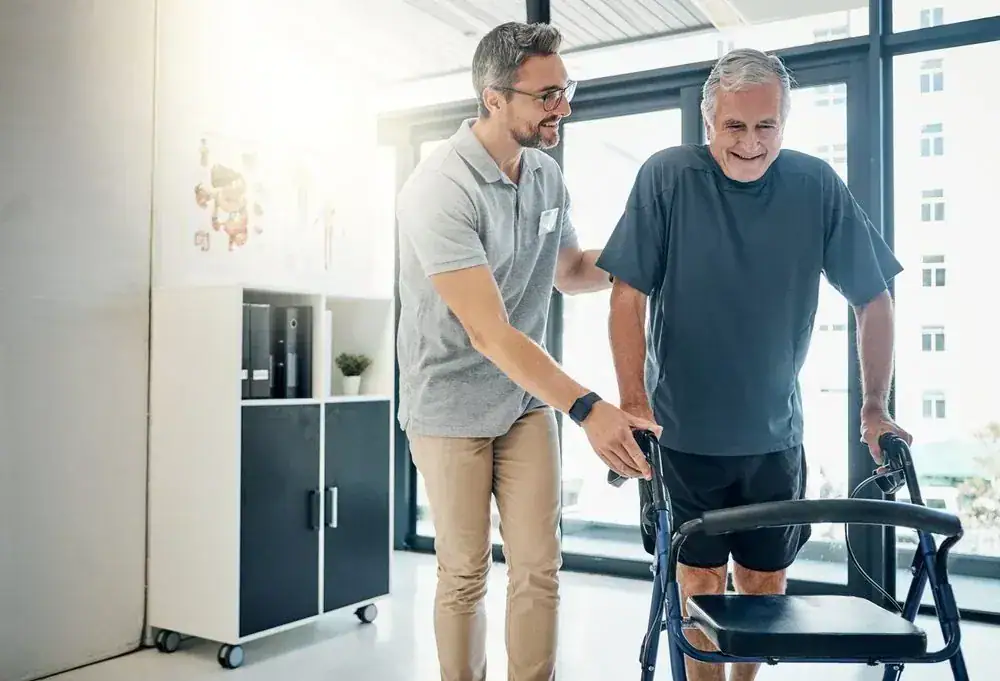
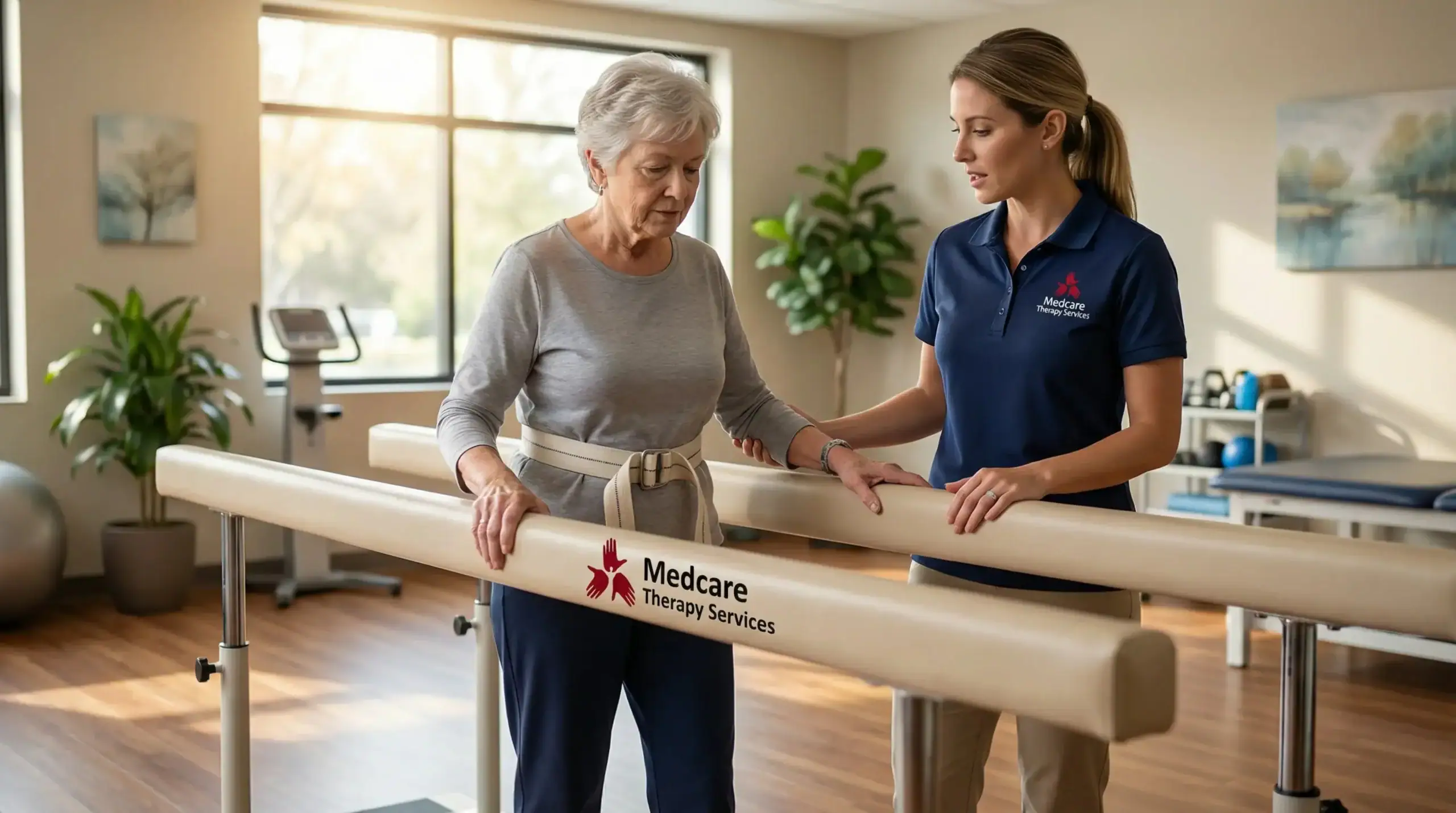
You stop second-guessing every step. Getting the mail doesn’t feel risky. Walking on uneven ground doesn’t make your heart race.
That’s what happens when you rebuild strength and balance through physical therapy. Your muscles respond faster. Your posture steadies. You catch yourself before a stumble becomes a fall.
Research backs this up: balance exercises for seniors reduce fall risk by 24%, and strength training cuts it even further. But the real outcome isn’t a statistic. It’s being able to garden, walk to the harbor, or visit friends without fear holding you back.
Most people who come to us have already had a close call or a fall. They’re frustrated, maybe a little scared, and definitely tired of feeling limited. What they want is simple: to move through their day without constantly calculating risk.
That’s exactly what fall prevention physical therapy is designed to do. You work with a licensed therapist who assesses your specific risk factors—weak ankles, poor posture, medication side effects, vision changes—and builds a plan around what your body actually needs. Not a generic routine. A program that addresses why you’re unsteady in the first place.
We’ve been treating patients across Long Island for years, and we’ve built a reputation for doing things the right way. That means verified credentials, secure patient data, and therapists who actually listen.
We’re not a high-volume clinic where you’re rushed through appointments. You get personalized care from licensed professionals who specialize in elderly fall prevention and balance training. Every treatment plan is built around your goals, your limitations, and your daily routine.
Greenport has one of the highest percentages of residents over 65 on Long Island—nearly 23%. That means fall prevention isn’t a niche service here. It’s essential. And we’ve structured our practice to meet that need with the kind of care you’d expect from a local provider who’s accountable to the community.

First, you come in for an assessment. We look at your balance, your gait, your strength, and your history. If you’ve fallen before, we want to know when, where, and what happened. If you haven’t but you’re worried, we assess your risk factors.
From there, we build a plan. That might include senior balance exercises to improve stability, strength training to support your joints, or gait training to help you walk more confidently. Every session is supervised, so you’re never guessing if you’re doing it right.
Most patients start seeing improvements within a few weeks. You’ll notice it first in small ways—standing up feels easier, you’re less wobbly on stairs, you don’t grab the counter as much. Those small wins add up to real independence.
We also talk about your home environment. Sometimes fall risk isn’t just physical—it’s a loose rug, poor lighting, or clutter in a hallway. We’ll help you identify those hazards and make simple changes that reduce risk without turning your house into a hospital.

Ready to get started?
You get a full fall risk assessment that measures balance, strength, flexibility, and reaction time. From there, your therapist designs a program that might include balancing exercises, resistance training, coordination drills, and functional movement practice.
Sessions are one-on-one. You’re not in a group class doing generic exercises. You’re working with a licensed physical therapist who adjusts your program based on how you’re progressing.
We also coordinate with your doctor if needed. If medication is affecting your balance or if there’s an underlying condition contributing to fall risk, we make sure everyone’s on the same page. That kind of communication matters, especially in a town like Greenport where many residents see multiple specialists.
Most insurance plans, including Medicare, cover fall prevention therapy when it’s medically necessary. We handle the verification and billing, so you’re not stuck navigating that on your own. And because we have multiple locations across Long Island, you can access care close to home without driving an hour each way.

If you’ve fallen in the past year, you need it. Falling once doubles your chance of falling again, and that second fall is often worse than the first.
But you don’t have to wait for a fall to start. If you feel unsteady on your feet, if you avoid certain activities because you’re worried about balance, or if you’ve noticed your strength declining, those are all signs that physical therapy for balance can help.
Your doctor might also recommend it after a hospital stay, surgery, or if you’re taking medications that affect coordination. Medicare actually covers fall prevention therapy for people at high risk, which includes anyone over 65 with a history of falls or mobility issues.
It depends on what your body needs, but most programs include a mix of balance exercises for seniors, strength training, and functional movement drills. You might practice standing on one foot, stepping over obstacles, or getting up from a chair without using your hands.
The goal isn’t to make you an athlete. It’s to rebuild the strength and coordination you need for daily life. That means exercises that mimic real-world movements—reaching for something on a high shelf, walking on uneven pavement, turning your head while you walk.
Everything is supervised and adjusted to your ability level. If something feels too hard or causes pain, we modify it. You’re never pushed beyond what’s safe, but you are challenged enough to see progress.
Most patients attend therapy once or twice a week for six to eight weeks. Some people need more time, especially if they’re recovering from an injury or dealing with multiple risk factors.
The timeline depends on your starting point and your goals. If you’re coming in after a fall and you’ve lost a lot of confidence, it might take longer to rebuild both your physical strength and your mental trust in your body.
But you’ll start noticing improvements within the first few weeks. Balance gets better. Strength builds. Movements that felt shaky start to feel solid. And once you’ve completed the program, we give you exercises to continue at home so you can maintain what you’ve gained.
Yes, Medicare Part B covers physical therapy for fall prevention when it’s medically necessary. That typically means you’ve had a fall, you’re at high risk for falling, or your doctor has identified balance or mobility issues that need treatment.
We verify your coverage before you start, so there are no surprises. Most patients pay a copay or coinsurance, depending on their plan, but the bulk of the cost is covered.
If you have a Medicare Advantage plan or supplemental insurance, coverage can vary. We’ll walk you through what your specific plan covers and what your out-of-pocket cost will be. The goal is to make this accessible, not to create a financial barrier to getting the care you need.
Yes. Age isn’t the limiting factor—inactivity is. Your body responds to strength and balance training at 75 the same way it does at 55. You build muscle, improve coordination, and reduce fall risk.
The research is clear: elderly fall prevention programs that include supervised exercise can cut fall risk by up to 50%. That’s not a small improvement. That’s the difference between staying in your home and ending up in a nursing home after a hip fracture.
We’ve worked with patients in their 80s and 90s who’ve made significant gains. It’s not about turning back the clock. It’s about maximizing what your body can still do and giving you the tools to stay independent as long as possible. That’s worth the effort at any age.
We’re not a therapy mill. You’re not handed off to an aide while the therapist juggles five other patients. You work one-on-one with a licensed physical therapist who specializes in fall prevention and geriatric care.
We also take security and professionalism seriously. Our digital records are verified and protected. Our staff is credentialed and accountable. We don’t cut corners on patient safety or data privacy, which matters more than most people realize until something goes wrong.
And because we have locations across Long Island, you get consistent care no matter where you are. If you split time between Greenport and another town, we can coordinate your treatment across locations. That kind of flexibility and continuity is rare, and it makes a real difference in outcomes.
Other Services we provide in Greenport