
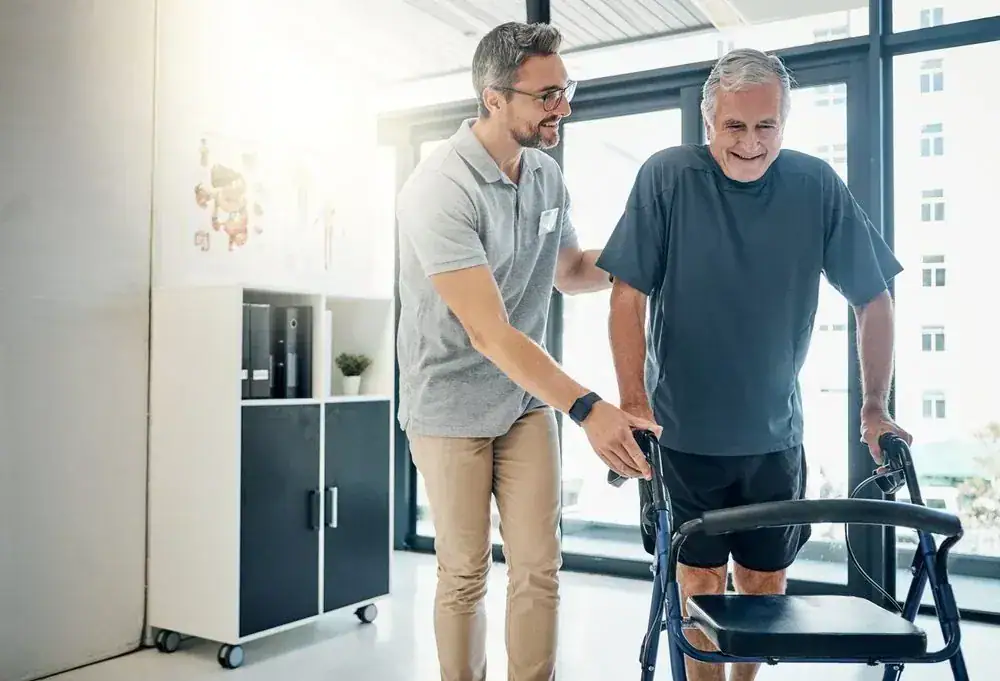
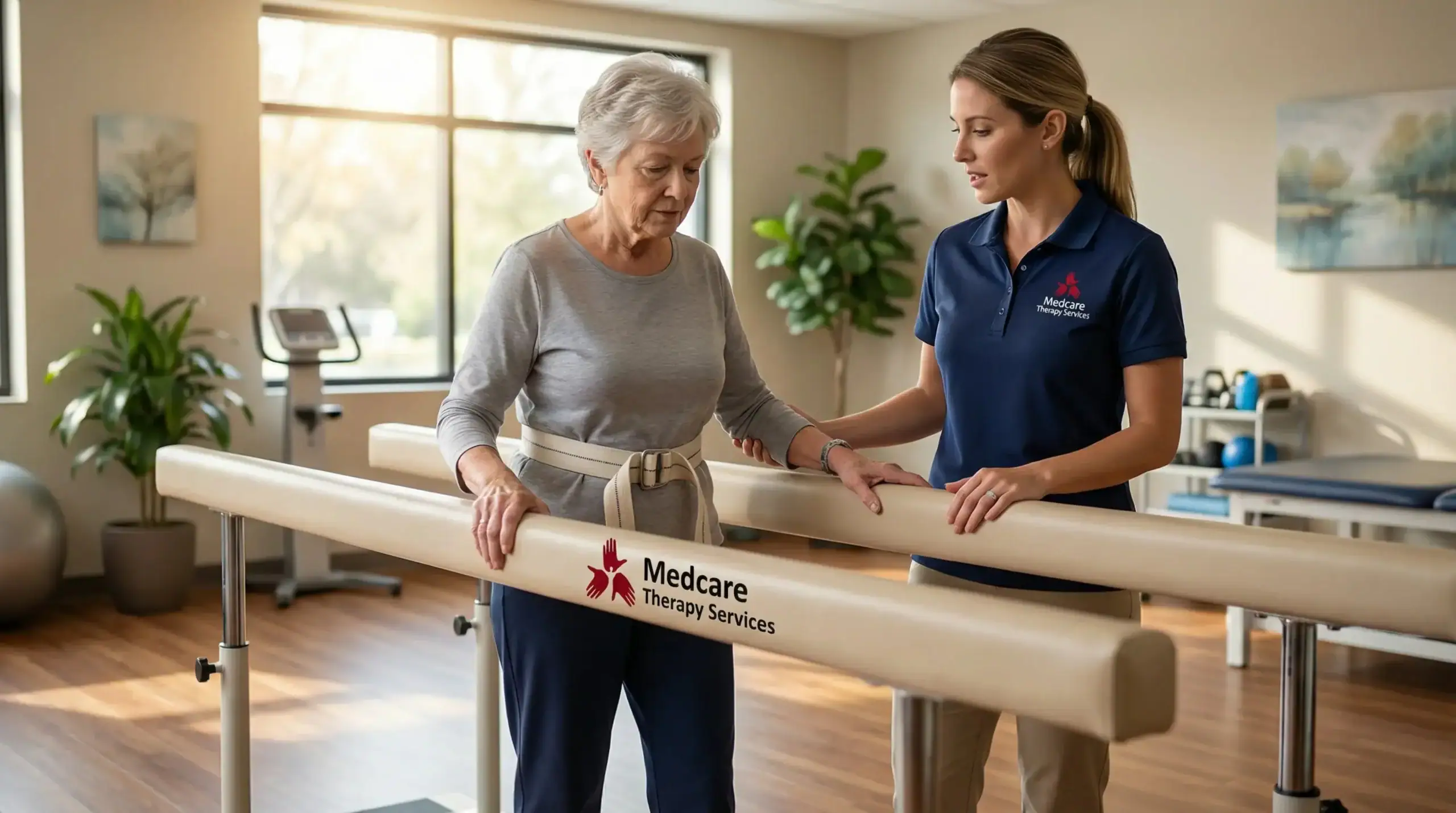
You’re not imagining it. That hesitation before walking to the mailbox, the extra second you need to steady yourself getting out of bed, the way you avoid certain rooms in your own home because the lighting isn’t great—these aren’t just signs of getting older. They’re warning signs that your balance system needs attention.
Nassau County ranks fourth in New York State for fall prevalence among seniors. That means if you’re over 65 in Great Neck Plaza, you’re statistically more at risk than almost anyone else in the state. But falls aren’t inevitable, and you don’t have to accept reduced mobility as your new normal.
Balance exercises for seniors work because they retrain the connection between your brain, muscles, and inner ear. When that system strengthens, you stop second-guessing every step. You walk faster. You feel steadier. You stop planning your entire day around avoiding falls. That’s what physical therapy for balance actually does—it gives you back the confidence to move through your home and your life without constantly calculating risk.
We’ve been providing in-home physical therapy across Nassau County since 2010. We’re not new to this, and we’re not experimenting with fall prevention programs we read about online. Our therapists are trained in the Otago Exercise Program, one of the most researched and effective fall prevention methods available.
Great Neck Plaza has one of the highest concentrations of seniors on Long Island, and we’ve worked with hundreds of them. We know the homes here—the split-levels, the stairs, the narrow hallways. We know what makes someone in this community nervous about falling, and we know how to address it in a way that actually fits your life.
You don’t come to us. We come to you, and we treat you like family, not a case number.
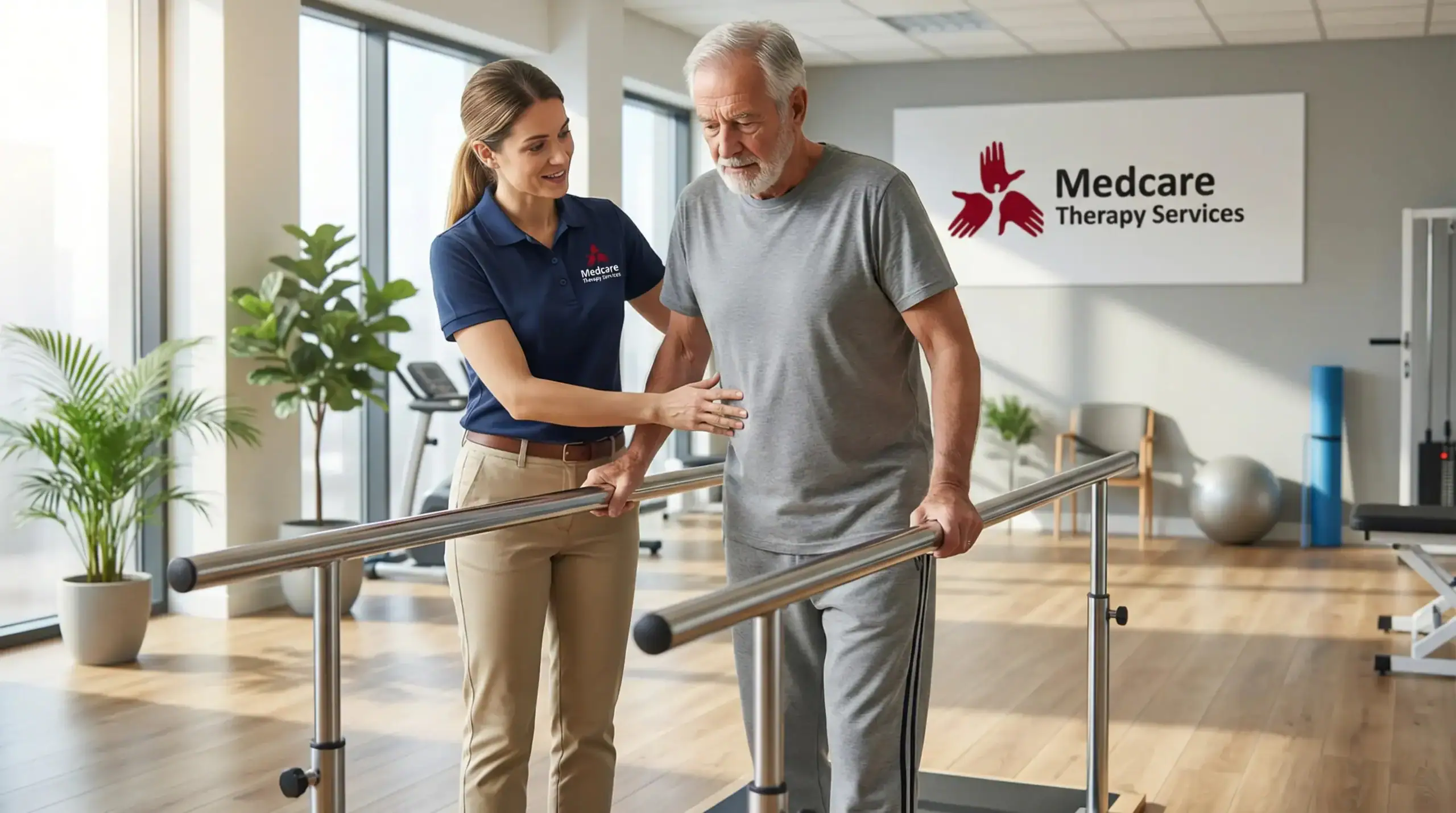
First, we assess your fall risk. One of our physical therapists comes to your home in Great Neck Plaza and evaluates your balance, strength, gait, and how you move through your actual living space. This isn’t a generic test—we’re watching how you navigate your kitchen, your bathroom, the places where you actually spend your time.
Then we build a personalized program. Some people need strength training to stabilize their legs and core. Others need exercises that retrain their vestibular system or improve reaction time. Most need a combination. We design senior balance exercises that match your current ability and gradually progress as you get stronger.
You’ll do the exercises with us during scheduled sessions, and we’ll give you a routine to practice between visits. Most programs run twice a week for several weeks, but it depends on your specific situation. Everything is covered by Medicare if you qualify, so cost isn’t usually a barrier.
As you improve, we adjust. The goal isn’t just to get you stronger—it’s to reduce your actual fall risk and help you feel confident enough to stay active.

Ready to get started?
You get a full balance assessment in your home, a customized exercise plan, and ongoing physical therapy sessions with a licensed therapist. We don’t hand you a printout and disappear—we work with you, in person, until you’re stable and confident.
Your program will likely include strength training for your legs and core, balance exercises that challenge your stability in safe ways, and gait training to improve how you walk. We also evaluate your home for fall hazards and make recommendations that actually make sense for your space and budget.
Here’s what matters for Great Neck Plaza residents specifically: Long Island seniors are falling at higher rates than most of the state, and the consequences are serious. Ten percent of falls result in fractures. Two percent involve the hip. In 2022 alone, healthcare spending for nonfatal falls among older adults hit $80 billion. You’re not overreacting by taking this seriously.
We also know that many people in this area have mobility challenges that make it hard to get to a clinic. That’s why in-home therapy works. You don’t need to arrange transportation, and you’re learning to move safely in the environment where you actually live.
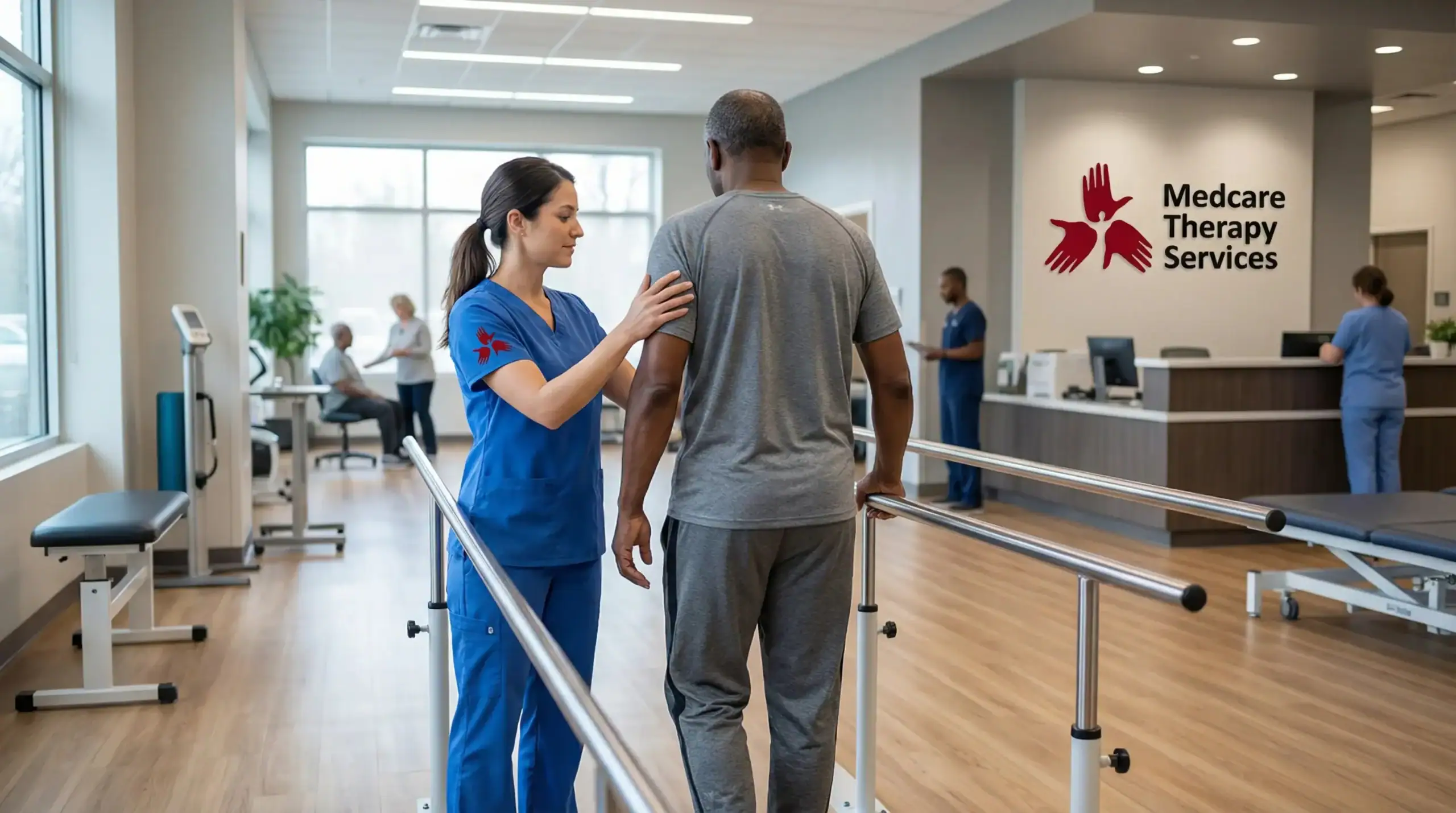
Most people start feeling steadier within three to four weeks of consistent balance training, but measurable fall risk reduction typically shows up around the eight-week mark. That’s when the research shows the biggest improvements—up to a 50% reduction in fall risk if you’re doing the exercises correctly and regularly.
The timeline depends on where you’re starting from. If you’re already fairly active but just need some targeted work on stability, you might notice changes faster. If you’ve been avoiding movement because you’re nervous about falling, it takes a bit longer because we’re rebuilding strength and confidence at the same time.
What matters more than speed is consistency. Doing the exercises twice a week with a therapist and practicing at home between sessions is what actually moves the needle. Skipping sessions or only doing the exercises when you feel like it won’t get you the same results.
Yes, Medicare Part B covers in-home physical therapy if your doctor orders it and you meet the criteria for homebound status. That doesn’t mean you can never leave your house—it means leaving home requires considerable effort due to mobility issues, medical conditions, or safety concerns.
Most seniors in Great Neck Plaza who are worried about falling meet this criteria, especially if they’re avoiding certain activities or locations because they don’t feel steady. Your therapist will work with your doctor to make sure everything is documented correctly so your sessions are covered.
If you have a Medicare Advantage plan, coverage works similarly, but you’ll want to confirm your specific plan details. The key is getting a physician’s order and making sure the therapy is medically necessary, which fall prevention almost always qualifies as given the statistics around senior falls and injury rates.
The exercises themselves might look similar, but the difference is in the assessment, progression, and supervision. A physical therapist evaluates your specific balance deficits—whether it’s muscle weakness, inner ear issues, vision problems, or something else—and designs a program that targets your actual problem.
Generic balance exercises online can’t do that. They don’t know if you’re compensating with the wrong muscles, if you’re doing the movement incorrectly, or if you’re progressing too fast and putting yourself at risk. They also can’t adjust when something isn’t working or when you’re ready for the next level.
Physical therapy for balance also includes safety. Your therapist is there to catch you if you lose your balance during an exercise, which means you can push yourself harder and get better results. Doing challenging balance work alone at home, especially if you’re already unsteady, is how people get hurt. Supervised therapy removes that risk while still giving you the intensity you need to improve.
Most fall prevention programs run between eight and twelve weeks, with sessions happening twice a week. That’s the timeframe where research shows the most significant and lasting improvements in balance, strength, and fall risk reduction.
Some people need more time, especially if they’re recovering from a previous fall or dealing with multiple health conditions that affect balance. Others progress faster and can transition to a maintenance program sooner. We’ll reassess you regularly and adjust the timeline based on how you’re responding.
After the initial program, many people continue with a modified exercise routine at home to maintain their improvements. Balance isn’t something you fix once and forget about—it requires ongoing attention, but the time commitment decreases significantly once you’ve built a strong foundation. Think of the program as the intensive phase that gets you stable, and the maintenance phase as what keeps you that way.
It’s not too late—in fact, you’re exactly who should be starting a fall prevention program. People who’ve already fallen are at higher risk of falling again, which makes balance training even more important. The goal is to address whatever caused the first fall so it doesn’t happen a second time.
After a fall, many people develop a fear of falling again, which leads to reduced activity. You start moving less, avoiding certain tasks, and that inactivity makes you weaker and less stable. It becomes a cycle. Physical therapy breaks that cycle by rebuilding your strength and confidence in a controlled, safe environment.
We’ll start where you are right now, not where you were before the fall. If you’re nervous or still recovering, the exercises will be gentler at first and progress as you’re ready. The point is to help you regain what you lost and prevent future falls, not to push you into something you’re not prepared for. Starting now, even after a fall, is still the best decision you can make for your long-term mobility and independence.
Yes, but the program needs to account for those conditions. Balance problems rarely exist in isolation—they’re often connected to things like arthritis, neuropathy, vision changes, inner ear disorders, or medication side effects. We don’t ignore those factors; we build the program around them.
For example, if you have peripheral neuropathy and can’t feel your feet well, we’ll incorporate exercises that help you rely more on visual cues and core strength for balance. If you have arthritis that limits your range of motion, the exercises will focus on what you can do safely while still challenging your balance system.
The research is clear: even people with multiple chronic conditions benefit from balance training. You might not see the same dramatic improvements as someone without those issues, but you’ll still reduce your fall risk and improve your functional mobility. The key is working with someone who understands how to modify exercises for your specific situation, which is exactly what in-home physical therapy provides.
Other Services we provide in Great Neck Plaza