
You stop second-guessing every step. Getting up from a chair doesn’t require a mental checklist. Walking to the mailbox or navigating your bathroom at night becomes automatic again, not something you plan around.
That confidence matters because fear of falling often does more damage than the fall itself. When you’re afraid to move, you move less. Your muscles weaken, your balance gets worse, and the cycle continues.
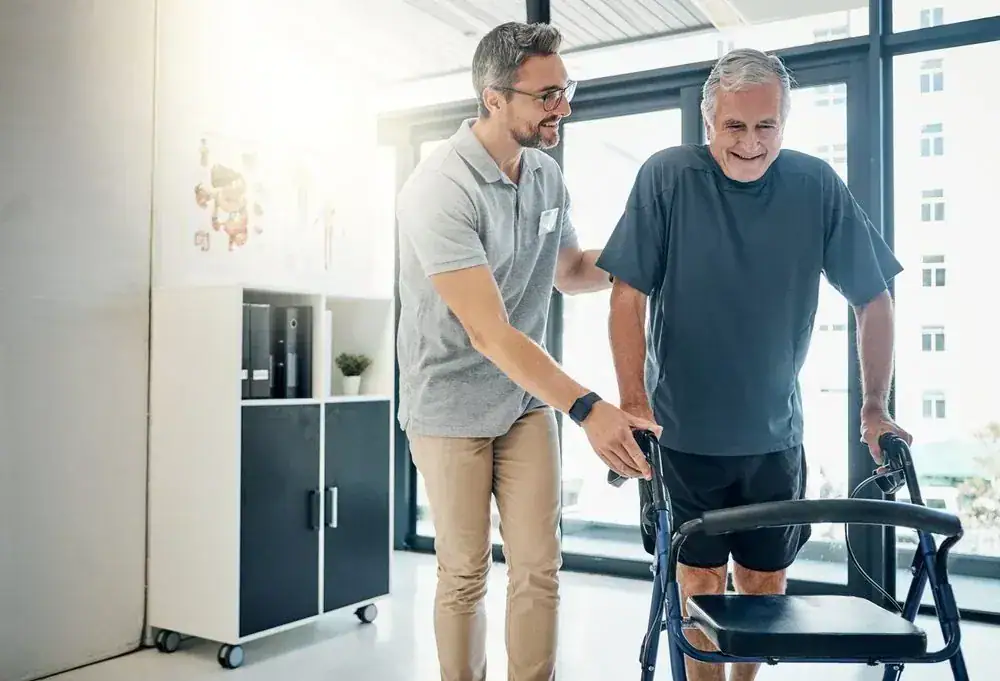
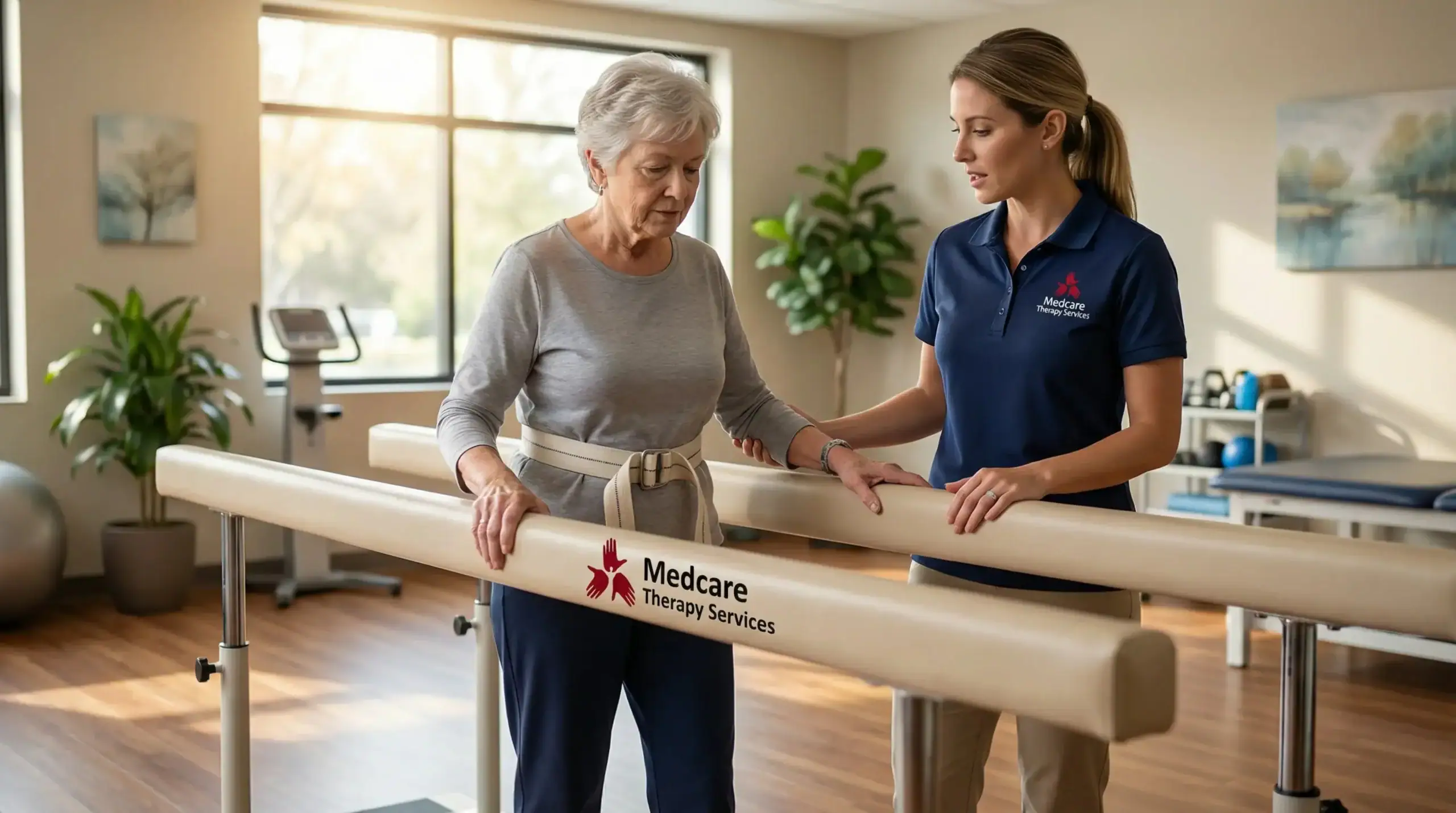
Physical therapy for balance interrupts that cycle. You work with a licensed therapist who evaluates how you walk, how you shift your weight, and where your stability breaks down. Then you rebuild it through targeted exercises that strengthen the muscles that keep you upright and retrain the systems that keep you coordinated.
Most people notice a difference within a few weeks. You feel more stable. You trust your legs again. And you stop organizing your entire day around avoiding a fall.
We’ve been treating patients across Nassau County for over 25 years. Our therapists are Doctors of Physical Therapy with specialized training in geriatric care, balance disorders, and elderly fall prevention.
We’re not a corporate chain. We’re a local practice that knows the Garden City South community because we’ve been part of it for decades. Our patients come from Hempstead, Garden City, and surrounding towns, and many of them have been with us for years.
You’ll work with the same therapist throughout your treatment. Your plan gets adjusted based on what’s working and what isn’t. And if something about your home environment is putting you at risk, we’ll tell you exactly what to change.

Your first visit is an evaluation. Your therapist will ask about your fall history, your medications, and any dizziness or vision issues you’ve noticed. Then they’ll watch you walk, test your balance in different positions, and assess your strength and flexibility.
From there, you’ll get a personalized treatment plan. That might include gait training to improve how you walk, balance exercises that challenge your stability in safe ways, and strength work focused on your legs and core. If you have vestibular issues causing dizziness, we address that too.
Sessions typically happen two to three times per week. Each one builds on the last. You’ll also get exercises to do at home because consistency between visits makes the biggest difference.
Most programs run six to eight weeks, but that depends on your starting point and your goals. Some people need more time. Others improve faster. We adjust based on your progress, not a predetermined timeline.

Ready to get started?
You’ll receive a full fall risk assessment that identifies your specific risk factors, whether that’s muscle weakness, poor balance, medication side effects, or environmental hazards at home. This isn’t a generic screening. It’s a detailed evaluation of how and why you’re at risk.
Your program includes targeted balance exercises designed for seniors, strength training for the muscle groups that prevent falls, and gait training to improve how you walk. If you’ve had a previous fall, we’ll work on rebuilding your confidence so fear doesn’t limit your movement.
We also provide home safety recommendations. In Nassau County, many homes have stairs, narrow hallways, and older layouts that create tripping hazards. Small changes like removing throw rugs, improving lighting, or adding grab bars can cut your fall risk significantly.
You’ll get education on managing medications that increase fall risk, footwear that improves stability, and strategies for getting up safely if you do fall. And if you need it, we coordinate with your doctor to make sure everyone’s on the same page about your care.

If you’ve fallen in the past year, you need an evaluation. Falling once doubles your chance of falling again, and the sooner you address the underlying cause, the better your outcome.
But you don’t have to wait for a fall. If you feel unsteady when you walk, if you grab onto furniture or walls for support, or if you’ve started avoiding activities because you’re afraid of falling, those are all signs that your balance needs work.
Other red flags include taking four or more medications, experiencing dizziness or lightheadedness, or having difficulty getting up from a chair without using your arms. Many people assume these issues are just part of aging. They’re not. They’re treatable risk factors that respond well to physical therapy.
Falls usually aren’t caused by one thing. They’re the result of multiple risk factors piling up. Muscle weakness is the most common cause, especially in your legs and core. When those muscles can’t support you properly, your balance suffers.
Medications are another major factor. Blood pressure drugs, sedatives, and even some over-the-counter sleep aids can cause dizziness or affect your coordination. If you’re taking four or more medications, your fall risk increases significantly.
Vision problems, inner ear disorders, and environmental hazards also contribute. Poor lighting, loose rugs, uneven sidewalks, and clutter all create opportunities to trip. In Garden City South and the surrounding Nassau County area, older homes often have stairs and layouts that weren’t designed with fall prevention in mind.
The good news is that most of these factors are fixable. You can rebuild strength, adjust medications with your doctor’s help, and modify your environment to reduce risk.
Most people see improvement within six to eight weeks, but the timeline depends on your starting point. If you’re dealing with significant muscle weakness or recovering from a fall, you might need a longer program. If you’re relatively strong but struggling with balance, you might progress faster.
Sessions typically happen two to three times per week. Each visit lasts about 45 minutes to an hour. You’ll also have exercises to do at home between sessions, which usually take 15 to 20 minutes a day.
The goal isn’t just to get you through a set number of visits. It’s to reduce your fall risk and give you the tools to maintain your balance long-term. Some people continue with a maintenance program after their initial treatment. Others feel confident managing on their own. We adjust based on what you need.
Yes, Medicare Part B covers physical therapy for fall prevention when it’s medically necessary. That means you need a documented fall risk or a condition that affects your balance, like neuropathy, Parkinson’s, or a previous stroke.
You’ll need a referral from your doctor, though some plans allow direct access to physical therapy without one. Medicare typically covers 80% of the approved amount after you’ve met your deductible, and you’re responsible for the remaining 20%.
Most supplemental insurance plans cover that 20%, so your out-of-pocket cost is often minimal. Medicaid and most commercial insurance plans also cover fall prevention therapy. We accept a wide range of insurance, and our staff can verify your benefits before you start treatment so you know exactly what to expect.
Yes, and the research backs it up. Studies show that balance and strength training can reduce fall risk by up to 50%. That’s not a small improvement. That’s the difference between falling multiple times a year and staying on your feet.
Physical therapy works because it addresses the root causes of falls. Weak muscles get stronger. Poor balance improves through targeted exercises. Gait problems get corrected. And you learn strategies to navigate your environment more safely.
The key is consistency. You have to show up for your sessions and do your home exercises. But if you put in the work, the results are real. You’ll feel steadier, move with more confidence, and significantly lower your chance of ending up in the emergency room with a hip fracture or head injury.
Bring a list of all your medications, including over-the-counter drugs and supplements. Your therapist needs to know what you’re taking because some medications increase fall risk. If you’ve had any recent medical tests or imaging, bring those results too.
Wear comfortable clothing that allows you to move freely. You’ll be doing some walking and balance exercises, so athletic shoes with good support are ideal. Avoid sandals, flip-flops, or anything without a back strap.
If you use a cane, walker, or any other assistive device, bring it with you. Your therapist will want to see how you use it and make sure it’s adjusted properly. And if you have questions written down, bring those too. This is your chance to get answers from someone who understands fall prevention inside and out.
Other Services we provide in Garden City South