
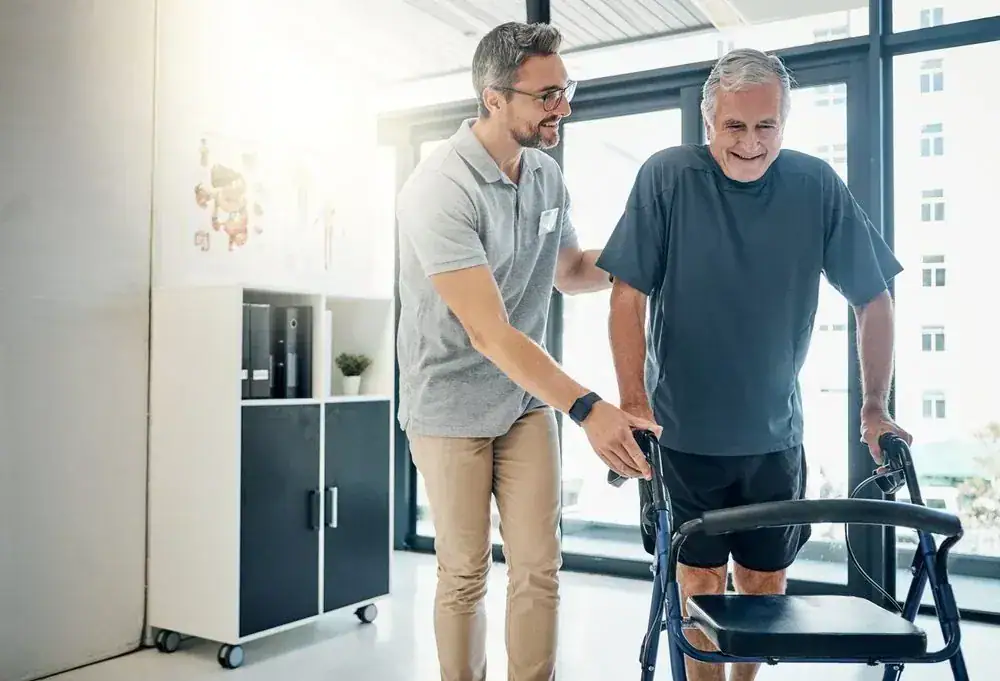
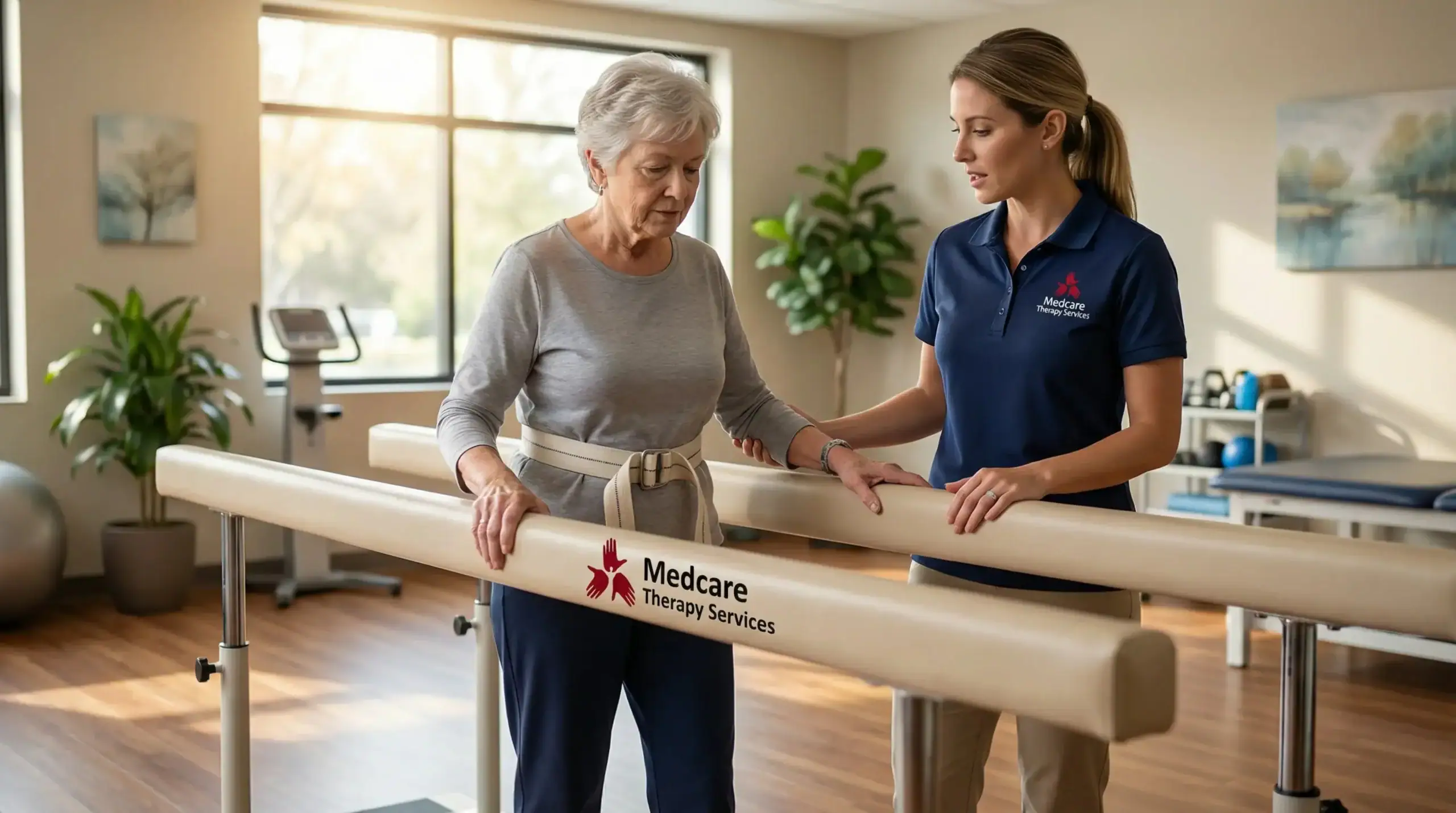
You stop second-guessing every step. The fear that keeps you from walking to the mailbox or playing with your grandkids starts to fade because your body feels more stable.
That’s what happens when you work on the actual causes of falls—weak hips, poor ankle stability, slow reaction time, or dizziness that throws you off. Physical therapy for balance doesn’t just teach you exercises. It rebuilds the strength and coordination your body needs to catch itself before a stumble becomes a fall.
You’ll move through your home with less hesitation. You’ll feel steadier on uneven surfaces, in dim lighting, or when you turn quickly. And you’ll have a plan that’s built around your specific risks—not a generic handout that assumes everyone falls for the same reason.
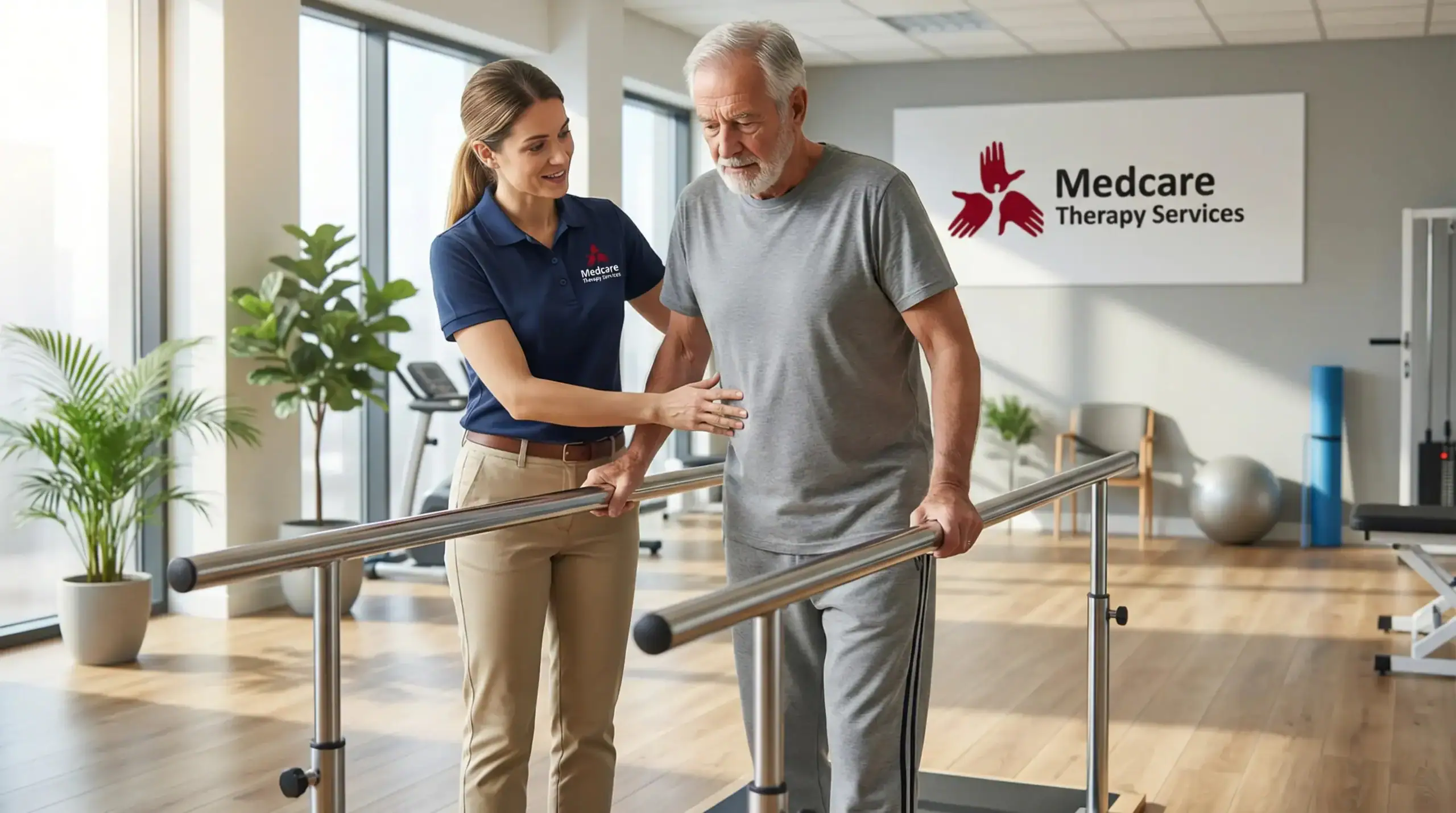
First, we assess where your fall risk is coming from. That means looking at your balance, gait, strength, coordination, and any dizziness or vestibular issues. We also review your medications and health conditions—things like arthritis, diabetes, or past strokes that increase your risk.
Then we build a plan. If your ankles are weak, we strengthen them. If you’re dizzy when you turn your head, we address your vestibular system. If your home has tripping hazards, we talk through modifications that make sense for your space and budget.
You’ll do senior balance exercises that challenge your stability in safe, controlled ways—standing on one leg, weight shifting, walking with direction changes. You’ll also work on strength in your hips, knees, and core, because those areas directly affect how well you recover when you lose your balance. Every session is supervised, and we adjust as you improve.
Over time, you’ll notice you’re steadier. You’ll trust your body more. And you’ll have the tools to keep progressing on your own once therapy wraps up.

Ready to get started?
You get a full movement evaluation that measures your gait, balance, flexibility, and strength. We test how you respond to different surfaces and movements, so we know exactly where the gaps are.
Your program includes balancing exercises tailored to your ability level—nothing generic. You’ll work on static balance, dynamic balance, and reactive movements that mimic real-life situations. We also incorporate strengthening exercises for your legs and trunk, because muscle weakness is one of the top contributors to falls in older adults.
If dizziness is part of the picture, we provide vestibular rehabilitation to retrain your inner ear and visual systems. And because so many falls happen at home, we give you specific recommendations for your living space—lighting, rugs, bathroom grab bars, clutter management.
Long Island has a statistically high fall risk among seniors, especially in areas like Farmingville where many homes weren’t built with aging in place in mind. We take that seriously. You’ll leave with a clear understanding of what puts you at risk and what you can do about it.
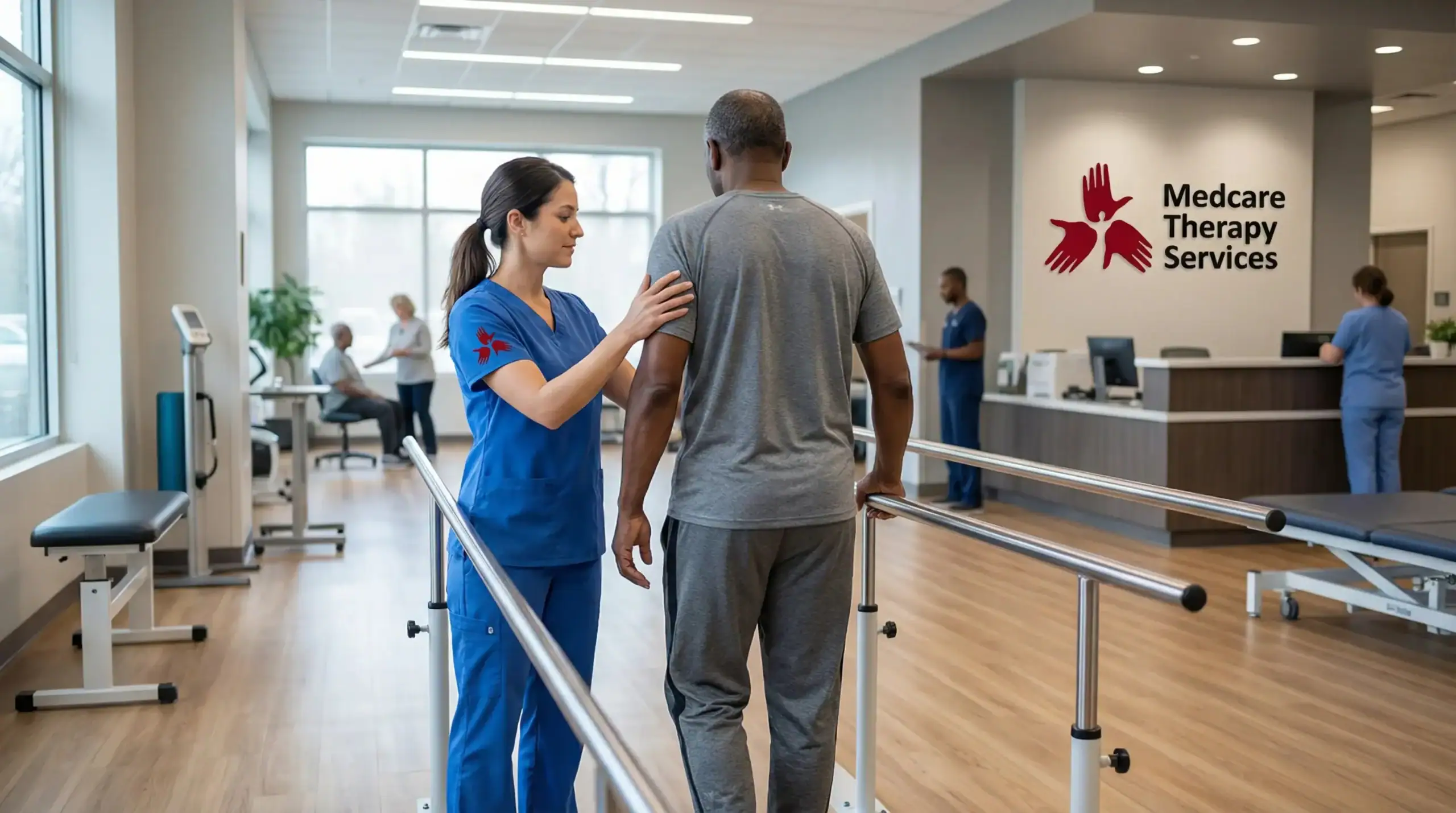
If you’ve fallen in the past year, you’re already at higher risk of falling again. But you don’t need to wait for a fall to start.
Other signs include feeling unsteady when you walk, grabbing onto furniture or walls for support, avoiding certain activities because you’re afraid of falling, or experiencing dizziness when you stand or move your head. If you have chronic conditions like arthritis, Parkinson’s, diabetes, or a history of stroke, your risk is higher. Same goes if you take multiple medications, especially ones that affect blood pressure or cause drowsiness.
We can assess your risk even if you haven’t fallen yet. We look at your strength, balance, gait, and home environment to identify problems before they lead to an injury. The earlier you address these issues, the easier they are to fix.
You’ll do exercises that challenge your balance in ways that are safe but effective. That might include standing on one leg, walking heel-to-toe in a straight line, or shifting your weight side to side while standing.
We also use exercises that train your body to react—like reaching for objects while standing, stepping over obstacles, or changing directions quickly. These mimic the movements that cause falls in daily life, so your body learns how to recover before you hit the ground.
If you have vestibular issues, you’ll do specific head and eye movements designed to reduce dizziness and improve your spatial awareness. Strength work focuses on your hips, knees, ankles, and core—the muscle groups that keep you upright. Everything is adjusted to your current ability, and we progress you as you get stronger and more confident.
It’s not just exercise. It’s targeted intervention based on why you’re at risk in the first place.
Falls happen for specific reasons—muscle weakness, poor coordination, slow reflexes, vision problems, medication side effects, unsafe home layouts. A good fall prevention program identifies your specific risks and addresses them directly. If your problem is weak hip muscles, we strengthen them. If it’s dizziness from vestibular dysfunction, we retrain your balance system. If it’s poor lighting in your hallway, we help you fix that.
Research shows that structured balance and strength programs can reduce fall risk by up to 30-40% in older adults. But only if the program is personalized and progressive. Generic exercises don’t work because they don’t account for your unique combination of risk factors. Physical therapy does.
Most people see meaningful improvement in 6 to 12 weeks, but it depends on your starting point and your goals.
If you’re dealing with significant weakness or a recent fall, you might need a longer program with more frequent sessions. If you’re relatively active but want to address mild balance issues, you might progress faster. We typically start with 1-2 sessions per week and give you exercises to do at home between visits.
The goal isn’t to keep you in therapy forever. It’s to get you strong and stable enough to maintain your progress on your own. Once you’ve built up your strength, improved your balance, and learned how to move safely, we transition you to a home program you can continue independently. Some people come back periodically for tune-ups, especially if they have chronic conditions that affect their mobility.
Yes. Many falls happen at home, so we talk through your living space and identify risks you might not notice.
Common hazards include loose rugs, poor lighting, clutter in walkways, lack of grab bars in the bathroom, and stairs without handrails. We also look at things like whether you’re wearing supportive shoes, if your furniture is stable enough to lean on, and whether you can reach everyday items without standing on a stool.
We don’t require a formal home visit for every patient, but we ask detailed questions about your environment and give you specific recommendations. If you’re at high risk or have already fallen at home, we can arrange a more thorough assessment. The goal is to make your home safer without turning it into a hospital room—small changes that reduce risk but still let you live comfortably.
In most cases, yes—if it’s medically necessary. Medicare and most private insurance plans cover physical therapy for balance and fall prevention when it’s prescribed by a doctor and tied to a specific diagnosis or risk factor.
That might include a recent fall, a balance disorder, vestibular dysfunction, muscle weakness, or a condition like Parkinson’s or stroke that increases fall risk. We’ll work with your doctor to ensure the treatment is documented properly for insurance purposes.
Coverage varies by plan, so it’s worth checking your benefits before you start. We can help verify your insurance and explain what your out-of-pocket costs might be. Even if you have a copay or deductible, the cost of therapy is usually far less than the medical bills from a fall-related injury.
Other Services we provide in Farmingville