
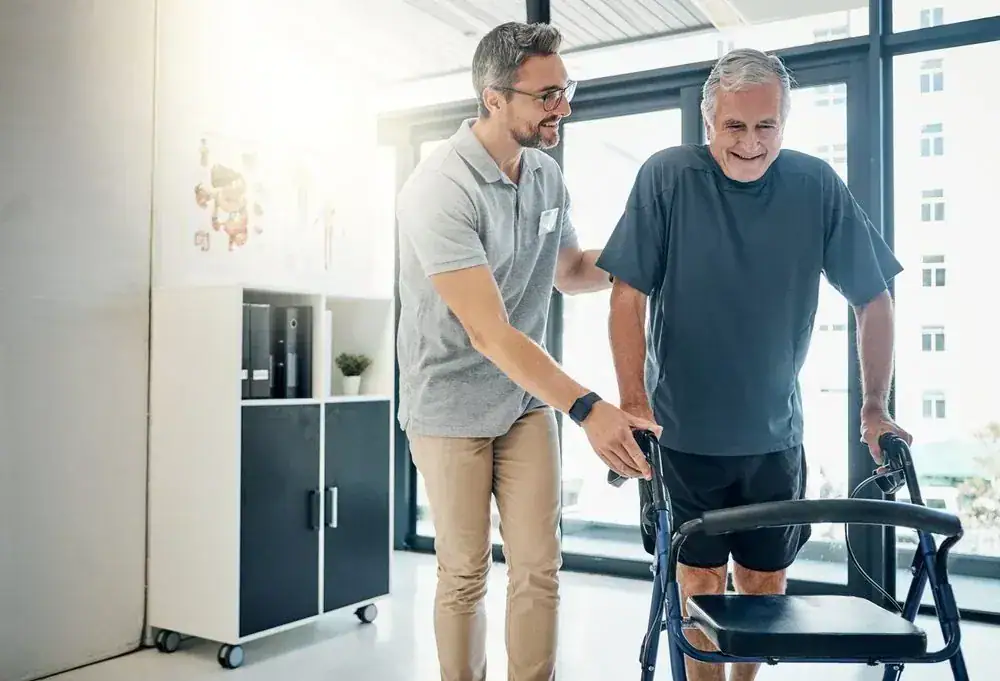
You stop second-guessing every step. Getting the mail, walking to the car, reaching for something on a shelf—these shouldn’t feel risky.
When your balance improves and your legs get stronger, you’re not just preventing falls. You’re getting back to normal life. You’re going to the store without someone hovering. You’re gardening, cooking, and moving through your day without that constant background worry.
Most people don’t realize how much they’ve pulled back until they start feeling stable again. That’s what happens when you work with a physical therapist who understands elderly fall prevention—not just generic exercises, but a program built around your specific risks, your home layout, and the activities you actually want to do. You regain confidence because your body starts responding the way it used to.
We’ve been helping Long Island seniors stay mobile and independent through evidence-based fall prevention programs. We work with patients across Eatons Neck, Northport, Huntington, and dozens of surrounding communities.
Our therapists specialize in geriatric care and understand the real factors behind falls—medication side effects, vision changes, muscle weakness, home hazards. We don’t hand you a sheet of exercises and send you home. We assess your specific risks, build a plan that makes sense for your life, and adjust as you improve.
We accept most insurance plans, and our locations are easy to access. You’re working with a team that’s been part of this community for years, not a corporate chain that rotates staff every few months.
First, we do a full fall risk assessment. That means looking at your balance, your gait, your strength, your medications, even your footwear. We’re identifying what’s actually putting you at risk—not guessing.
Then we build a personalized program. If your ankles are weak, we strengthen them. If your reaction time is slow, we work on that. If you’re unsteady on uneven surfaces, we practice that in a controlled way. These are targeted balance exercises for seniors, not random stretches.
You’ll come in for sessions where we guide you through the exercises, monitor your progress, and make adjustments. Between visits, you’ll have a home program that’s simple and safe to do on your own. Over time, you’ll notice you’re steadier, faster, and more confident. That’s when people start doing things they’d stopped doing—and that’s the whole point.
Ready to get started?
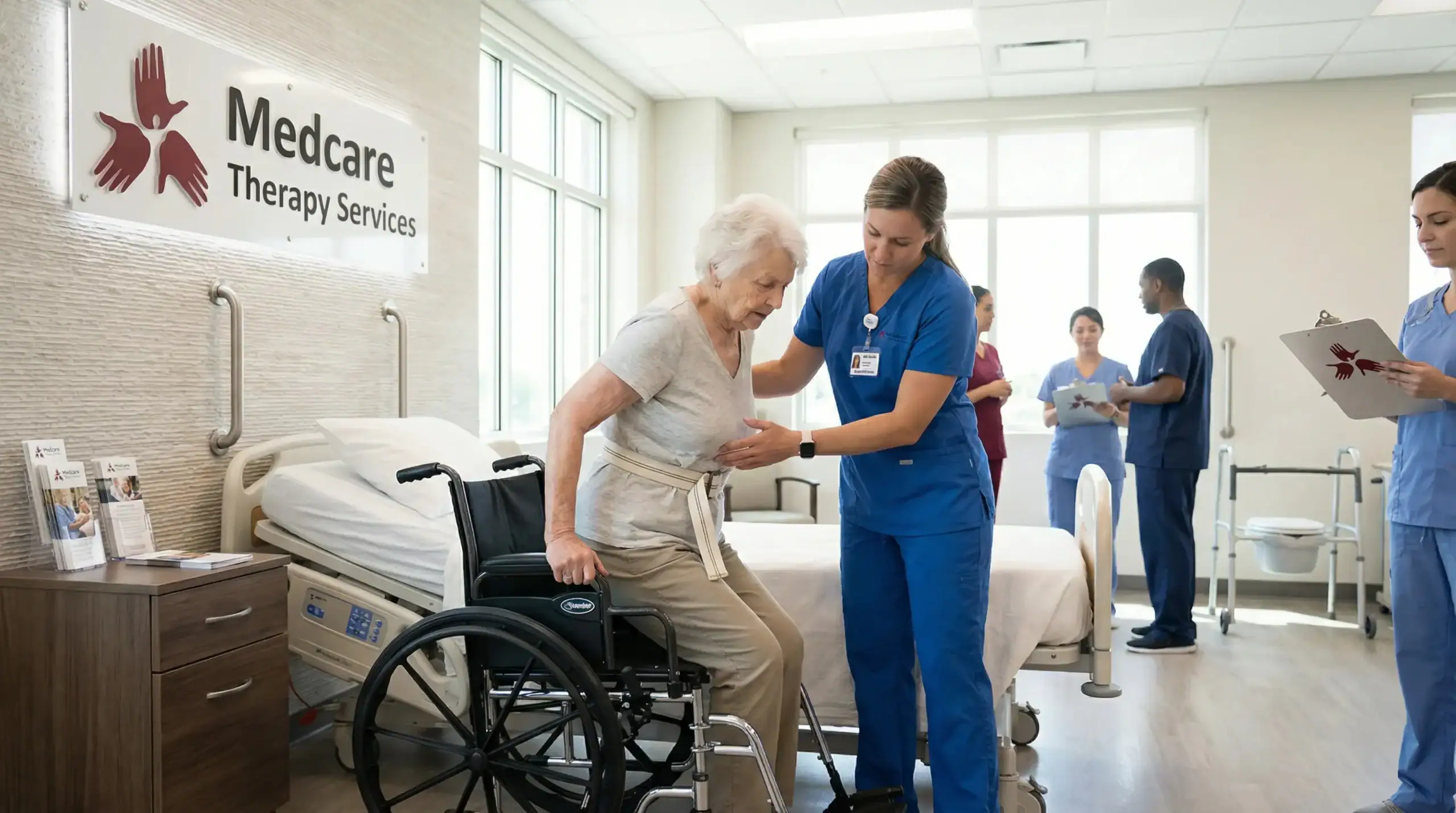
You get a one-on-one evaluation with a licensed physical therapist who specializes in fall prevention in the elderly. We measure your balance, strength, flexibility, and walking pattern. We talk about your home setup, your daily routine, and any falls or close calls you’ve had.
From there, you receive a treatment plan that’s specific to you. That includes strengthening exercises, balance training, gait work, and strategies to reduce environmental risks. If you need it, we also coordinate with your doctor about medications or other health factors that might be contributing.
For Long Island seniors, especially those in quieter areas like Eatons Neck, Asharoken, or Centerport, isolation can be a risk factor too. You might not be getting out as much. Your activity level drops. Your muscles weaken. We see this all the time, and it’s fixable. Our programs are designed to get you moving again—safely and consistently—so you’re not just preventing falls, you’re staying active in your own community.
If you’ve fallen in the past year, you need it. Falling once doubles your chance of falling again, and most people don’t tell their doctor because they’re afraid of losing independence. But ignoring it doesn’t make you safer.
Even if you haven’t fallen yet, there are warning signs. You feel unsteady when you stand up. You grab onto furniture when you walk. You avoid stairs or uneven ground. You’ve had a few close calls. These are all signs your balance or strength isn’t what it should be.
A fall risk assessment takes about an hour and gives you a clear picture of where you stand. If you’re at risk, we can do something about it. If you’re fine, at least you know. But waiting until after a fall—especially one that lands you in the ER—makes everything harder.
It depends on what your evaluation shows, but most programs include weight-shifting exercises, single-leg stands, heel-to-toe walking, and controlled movements that challenge your stability. We also work on sit-to-stand transitions, stepping over objects, and turning safely.
These aren’t complicated. They’re functional. We’re training your body to handle the real-world situations that cause falls—stepping off a curb, reaching for something, turning around quickly, walking on grass or gravel.
As you get stronger, we increase the difficulty. Maybe you’re standing on a foam pad, or doing exercises with your eyes closed, or adding light weights. The goal is to keep challenging your system so it adapts. That’s how you build real, lasting stability—not just going through the motions, but actually improving your body’s ability to catch itself.
Most Medicare and private insurance plans cover physical therapy for balance and fall prevention, especially if you’ve had a fall or your doctor refers you due to high fall risk. We accept most major insurance plans and can verify your coverage before you start.
The key is that it has to be medically necessary, which usually means you have a documented balance problem, a history of falls, or a condition that affects your mobility—like arthritis, neuropathy, or a previous stroke. Your doctor can write a referral, or in some cases, you can come in for an evaluation and we’ll coordinate with your physician.
Don’t let cost be the reason you avoid this. A single fall can lead to thousands of dollars in medical bills, not to mention the recovery time and loss of independence. Preventing that fall is almost always covered, and even if you have a copay, it’s worth it.
Most people see significant improvement in 6 to 12 weeks, but it varies. If you’re generally healthy and just need some balance work, you might only need a few weeks of guided therapy and then a home program. If you’re recovering from a fall or dealing with multiple risk factors, it might take longer.
You’ll typically come in once or twice a week for supervised sessions. Between visits, you’ll do exercises at home. As you improve, we space out the visits and focus more on maintaining your progress independently.
The goal isn’t to keep you in therapy forever. It’s to get you strong and stable enough that you can manage on your own. Some people come back periodically for a tune-up or if they notice their balance slipping again, but most finish the program and move on with better confidence and lower risk.
It’s not just exercise—it’s targeted intervention based on your specific risk factors. Research shows that physical therapy reduces fall risk by improving strength, balance, and reaction time. But it also teaches you how to move more safely and how to recognize hazards before they become problems.
A lot of falls happen because of muscle weakness in the legs and core, poor balance, or slow reflexes. Those are all things we can improve with the right program. We’re also looking at your gait—how you walk—and correcting patterns that make you more likely to trip or lose your balance.
Beyond the physical work, we talk about your environment. Are there loose rugs? Poor lighting? Clutter in walkways? Do you wear shoes with good support? These practical factors matter just as much as the exercises. So yes, physical therapy really works—but only if it’s done right, with a therapist who understands fall prevention in the elderly and tailors everything to you.
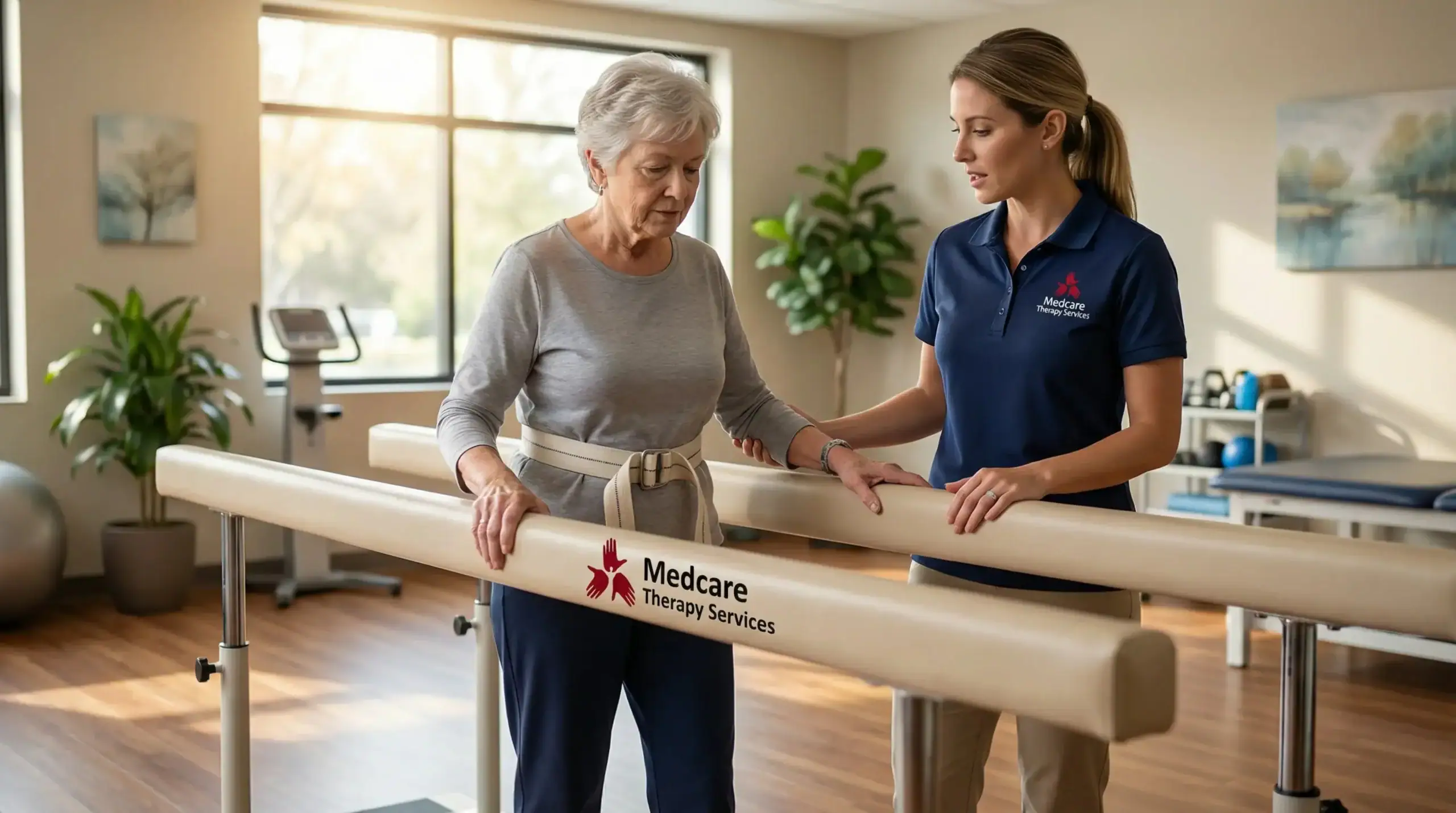
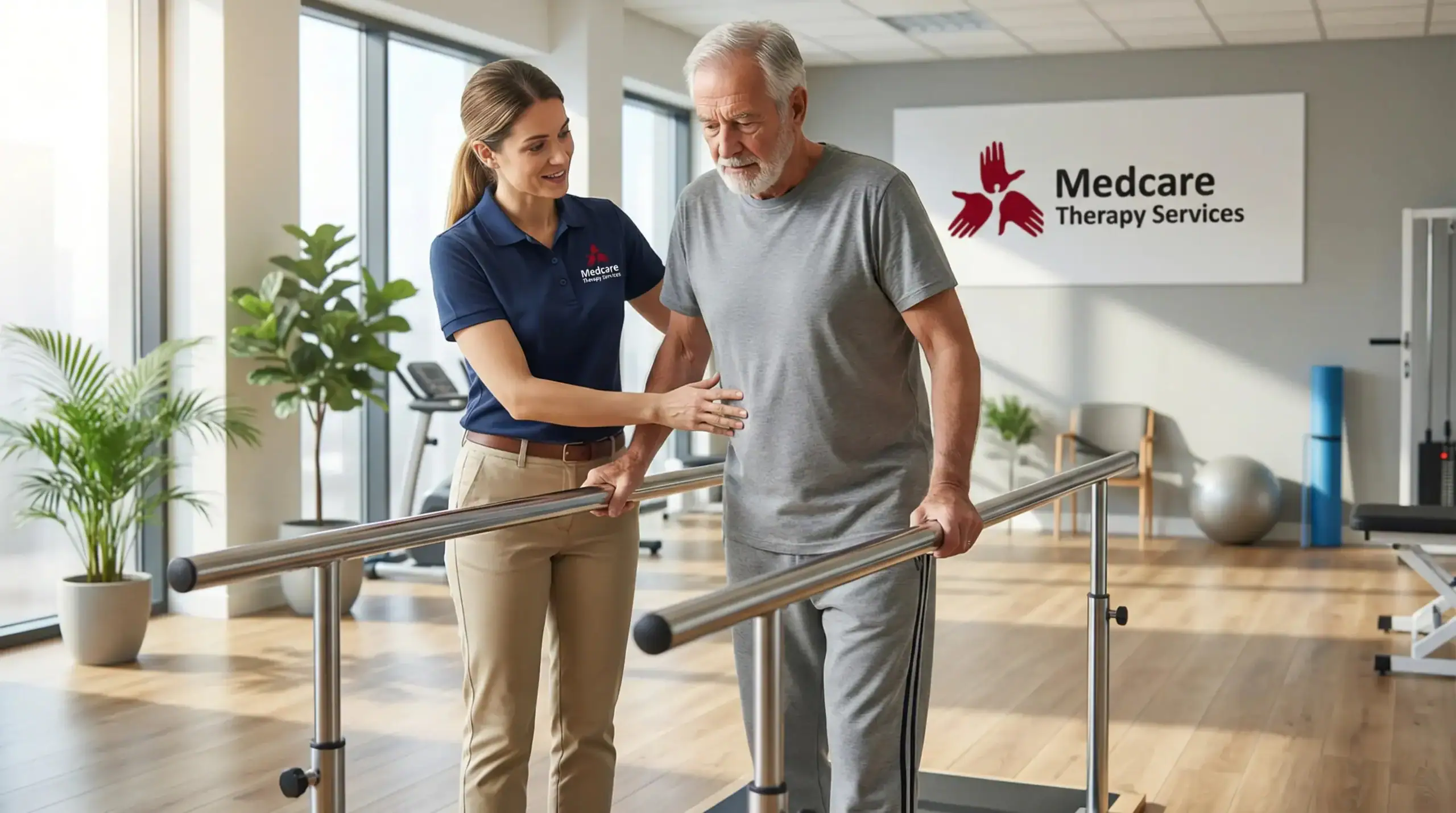
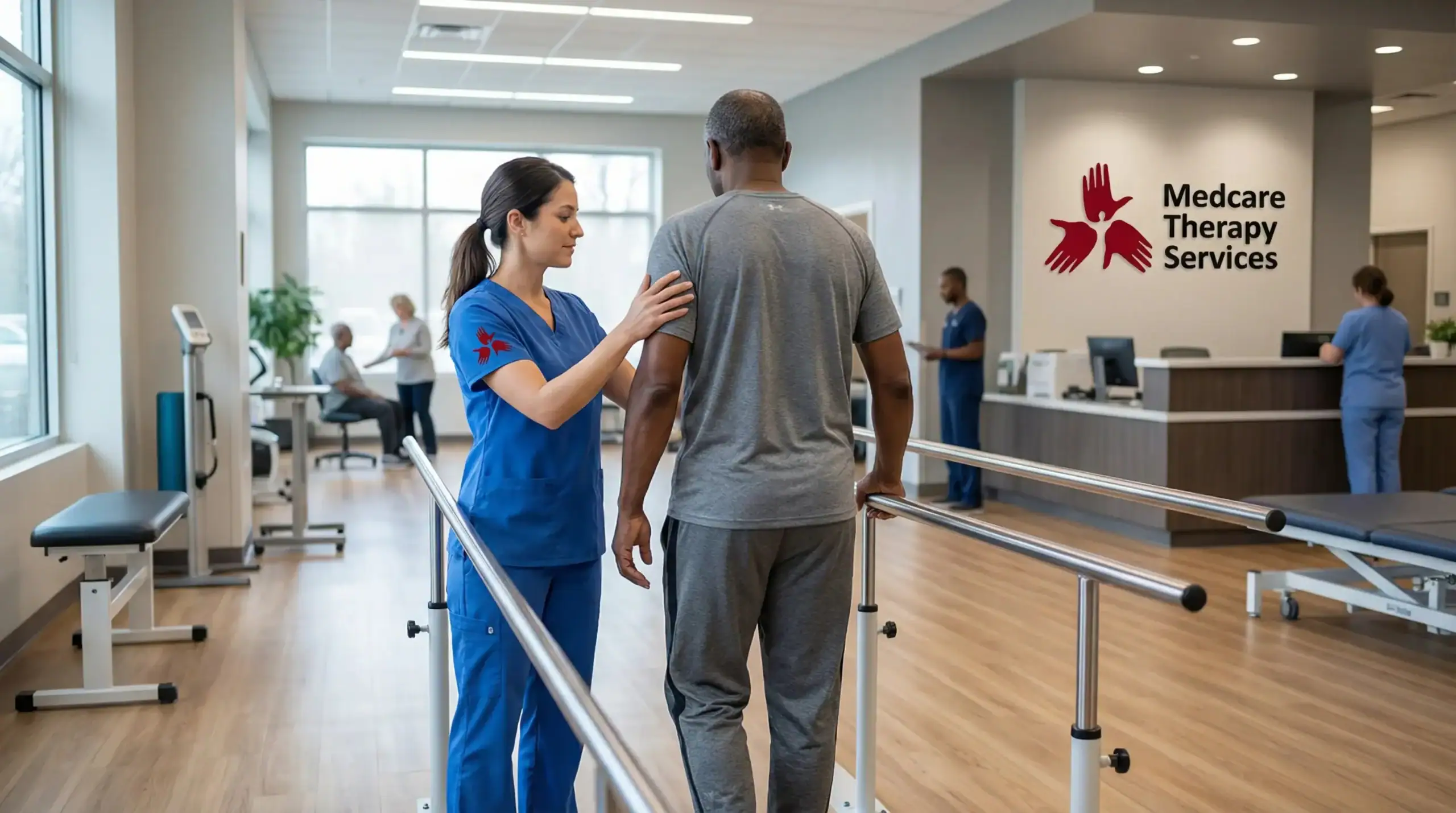
That’s exactly why you do it in a supervised setting first. You’re not being thrown into difficult exercises on day one. We start where you are, and we progress slowly. You’ll have support—whether that’s parallel bars, a sturdy chair, or the therapist right next to you.
Fear of falling is real, and it’s one of the biggest reasons people stop moving. But avoiding activity makes you weaker, which makes you more likely to fall. It’s a bad cycle. The way out is to rebuild your strength and confidence in a safe, controlled environment.
Most people are surprised at how quickly they start feeling more stable. Once you realize your legs can support you and your balance is improving, that fear starts to fade. You’re not just hoping you won’t fall—you’re actively making yourself stronger and more capable. That’s a completely different mindset, and it changes everything.
Other Services we provide in Eatons Neck