
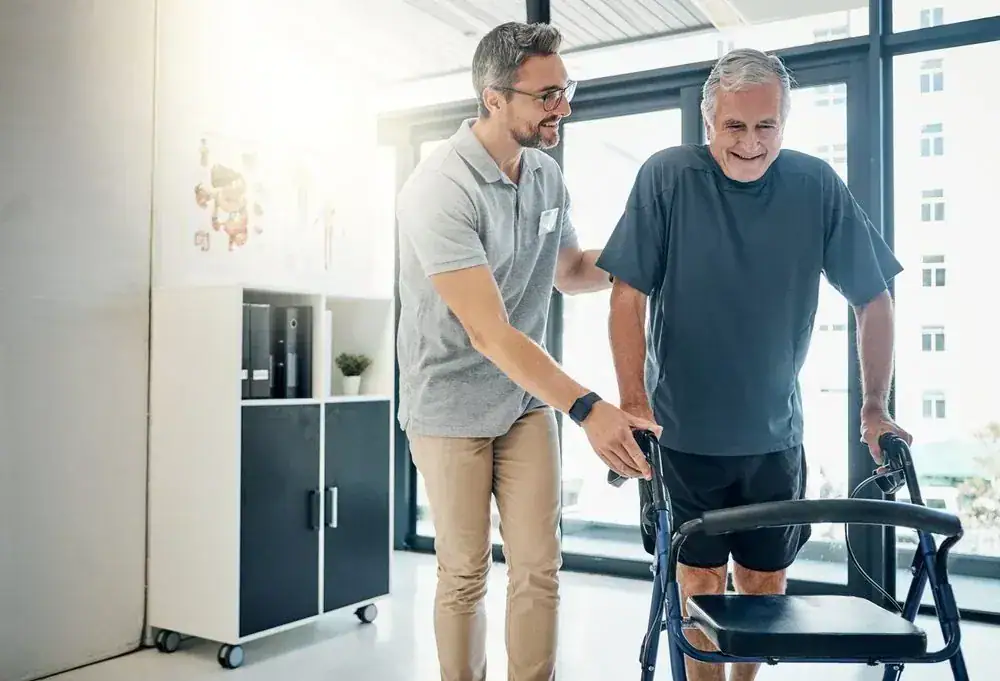
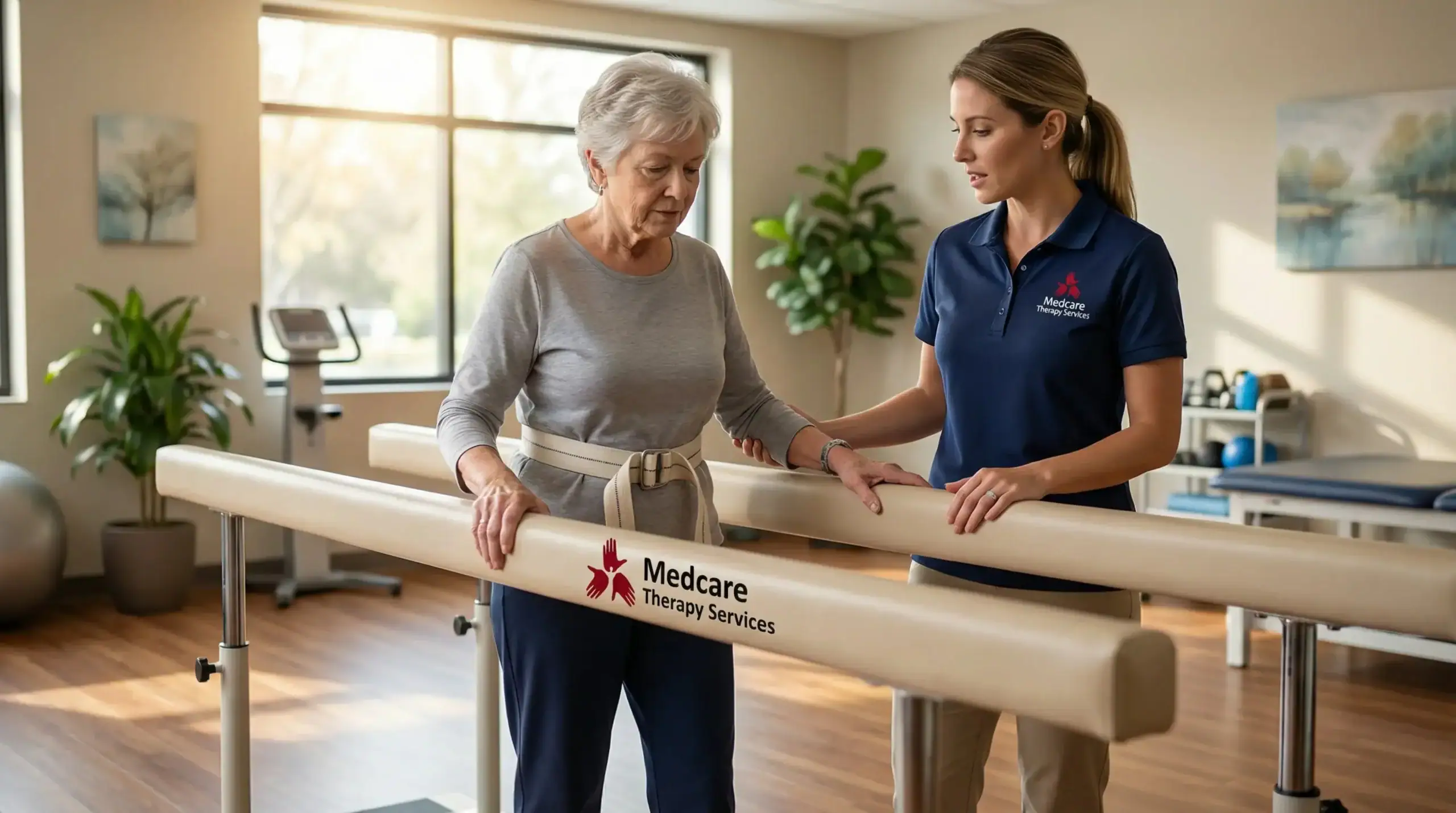
You stop second-guessing every step. The bathroom at night doesn’t feel like a risk. Getting the mail becomes routine again, not something you plan around.
That shift happens when balance exercises for seniors are done right—in your actual environment, with someone who knows how your body compensates when stability starts to fade. Most people don’t fall because they’re weak. They fall because their gait changed, their reaction time slowed, or their home setup doesn’t match their current mobility.
Physical therapy for balance addresses all three. You work on strength, sure. But you also retrain how your body catches itself, how your eyes and inner ear communicate, and how your furniture layout either supports or undermines your safety. The goal isn’t just fewer falls. It’s getting back to moving through your day without that constant low-level worry.
We’ve been serving Long Island families for over a decade, and we’ve built our reputation on something pretty straightforward—showing up, doing the work, and helping people stay in their homes longer. We’re not the flashiest option. We’re the one that keeps coming back until you feel steady again.
Our therapists are trained in the Otago fall prevention program, which is one of the few approaches with actual research behind it. That matters in East Williston, where expectations are high and people want proof, not promises. You’re not getting a generic exercise sheet. You’re getting a program tailored to your specific balance issues, your home layout, and your goals.
We accept Medicare, and we come to you—whether that’s your house in East Williston or anywhere across Nassau and Suffolk Counties. No waiting rooms. No commute. Just focused, one-on-one care in the environment where you actually need to feel confident.
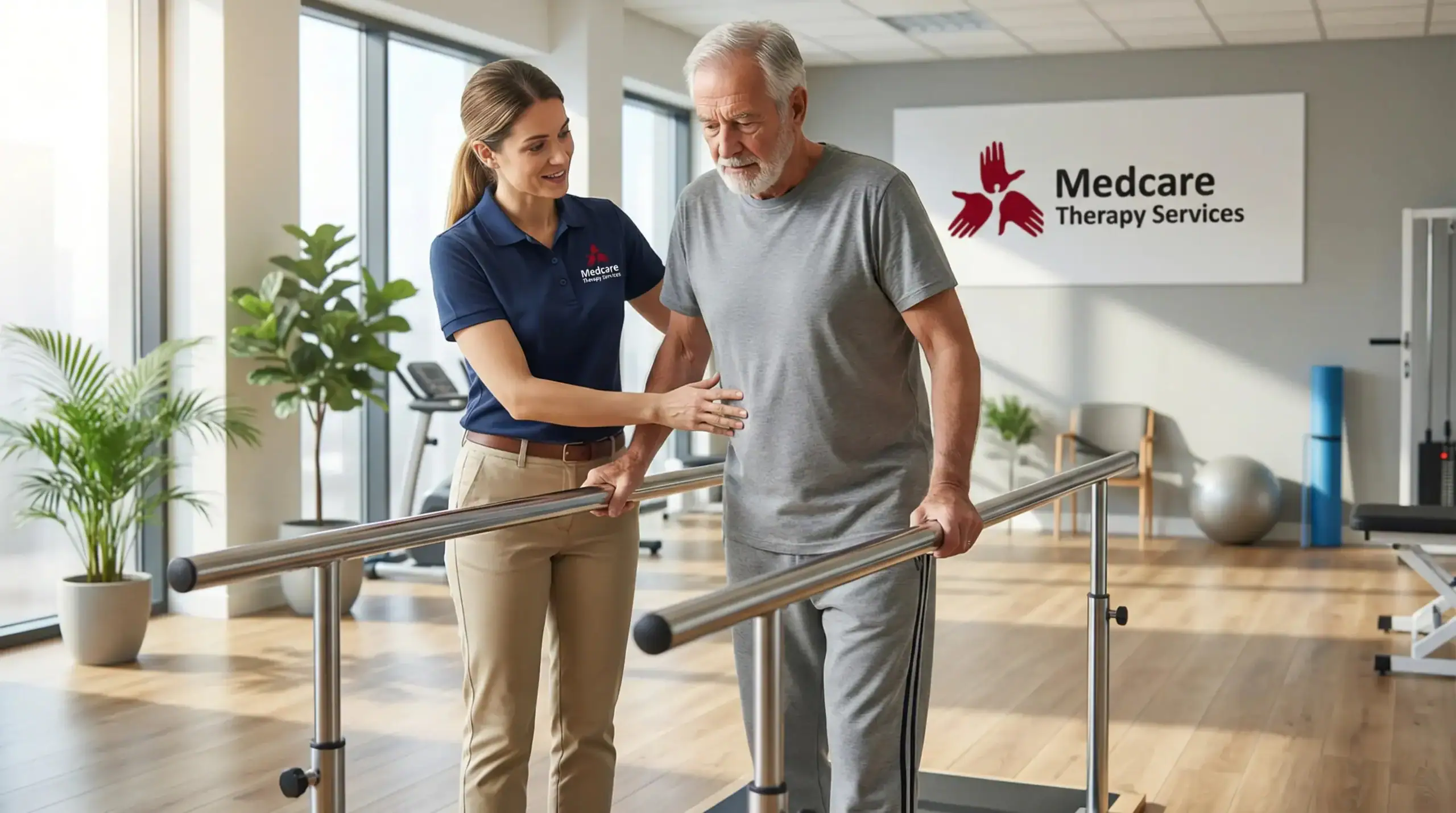
First visit, we assess. Not just your strength, but how you move through your home. Where do you hesitate? What surfaces feel unstable? Are there trip hazards you’ve learned to navigate without realizing it? We look at the whole picture—your gait, your balance, your environment, and any medical conditions affecting your mobility.
Then we build a plan. If you’ve had a stroke, your program looks different than someone managing arthritis or recovering from a hip replacement. Senior balance exercises aren’t one-size-fits-all. Some people need gait training to restore a normal walking pattern. Others need strengthening in specific muscle groups that compensate when balance fades. Most need both, plus strategies for safer movement at home.
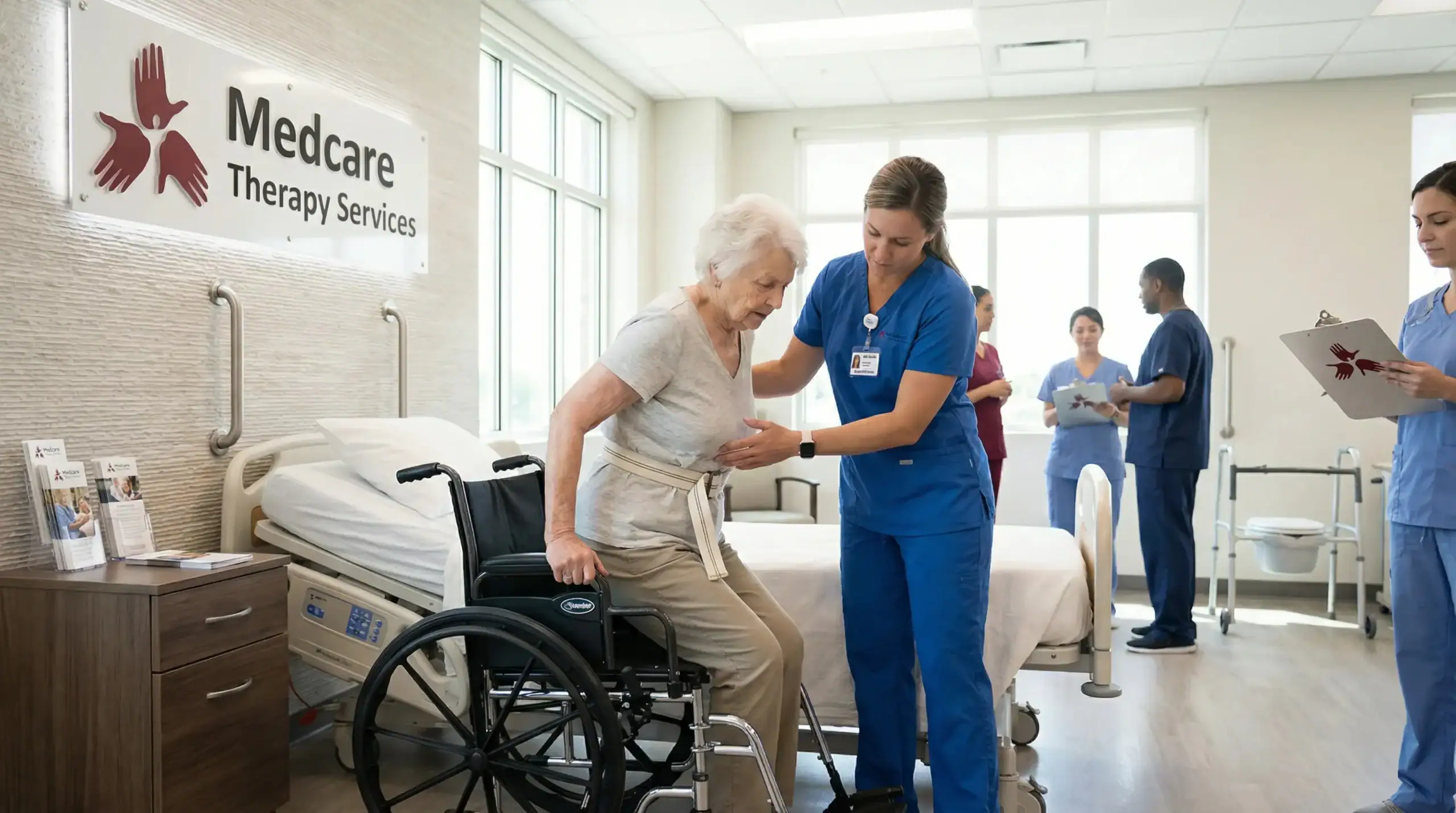
Sessions happen in your space, usually a few times a week to start. You’ll work with the same therapist each time—someone who knows your progress and adjusts as you improve. We also teach you what to do between visits, because consistency is what makes the difference. And if something in your home needs modifying—a grab bar, better lighting, a furniture rearrangement—we’ll tell you exactly what and why.
Ready to get started?
You get one-on-one sessions with a licensed physical or occupational therapist trained in elderly fall prevention. Every visit is just you and them—no assistants, no splitting attention across multiple patients. That’s how we catch the small things that matter, like how you shift your weight when you’re tired or which movements make you feel unsteady.
The Otago program we use focuses on strength and balance exercises proven to reduce falls. But we don’t just hand you a printout. We teach each exercise, watch how you perform it, and modify it if your body isn’t responding the way it should. You’ll also get gait training if your walking pattern has changed, plus education on how to move more safely during daily activities.
For East Williston residents, this matters because the homes here are often multi-level, with stairs, varying floor surfaces, and layouts that weren’t designed with aging in place in mind. We assess all of it. And because we accept Medicare, the cost isn’t the barrier it could be. Most people are covered for the therapy they actually need, not just a few courtesy visits.
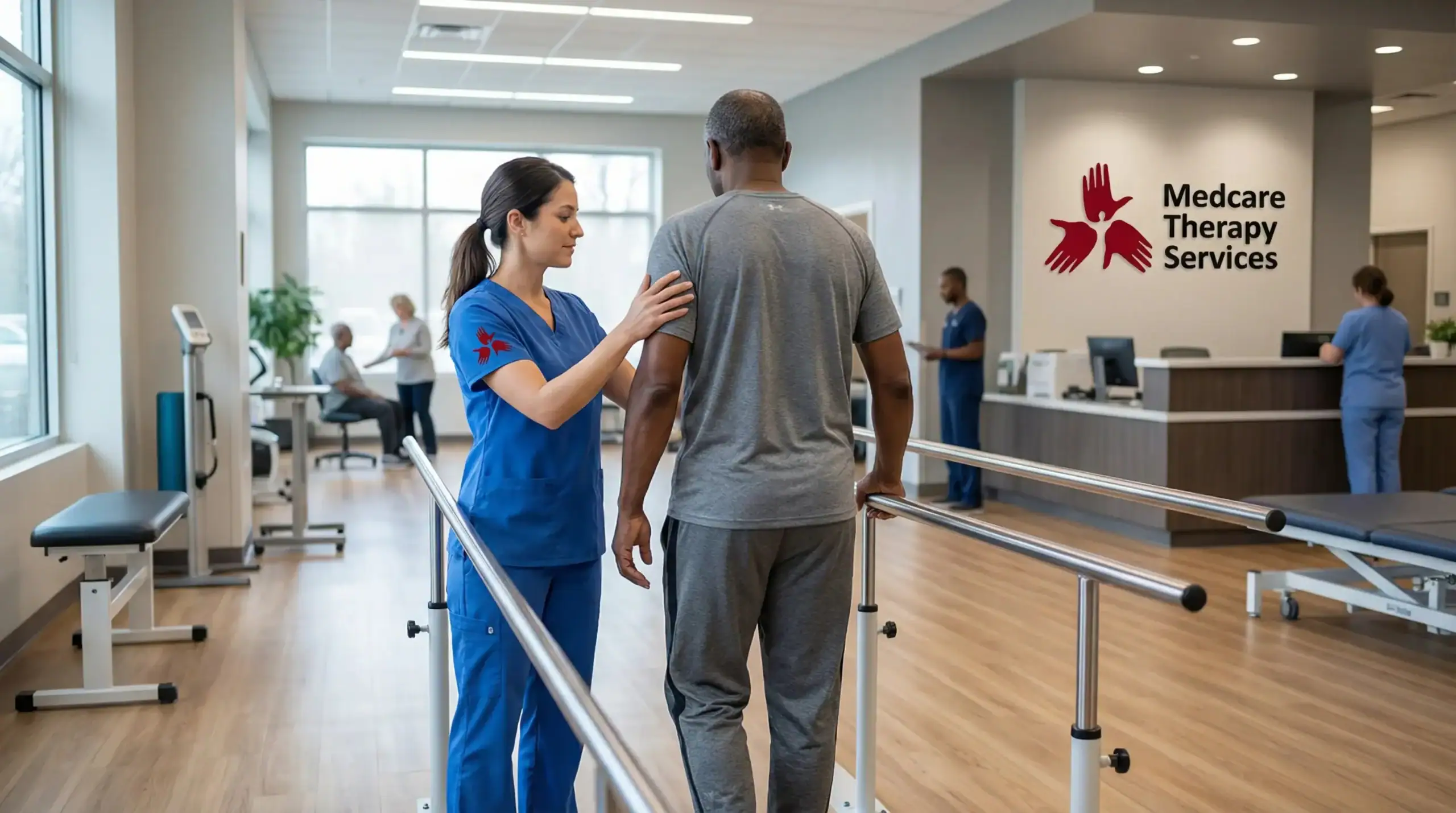
Yes, Medicare Part B covers physical therapy for balance when it’s medically necessary—and fall risk or a history of falling absolutely qualifies. You’ll need a referral from your doctor, but once that’s in place, Medicare typically covers the bulk of your sessions.
What people don’t always realize is that “medically necessary” is a pretty broad standard when it comes to elderly fall prevention. If you’ve fallen before, if you feel unsteady, if you have a condition like Parkinson’s or neuropathy that affects balance—those all count. You don’t have to wait until after a serious fall to get help.
We handle the Medicare paperwork and billing directly, so you’re not navigating that on your own. Co-pays and deductibles depend on your specific plan, but most people find the out-of-pocket cost manageable. And compared to the cost of a fall—hospital visits, potential surgery, rehab—it’s a fraction of the price for something that actually prevents the problem.
Otago is a specific, research-backed program developed in New Zealand and tested across thousands of seniors. It’s not just general strengthening. It’s a targeted protocol that combines balance retraining, strength exercises, and walking practice in a sequence that’s been shown to cut fall rates nearly in half.
Most physical therapy programs are reactive—you fell, broke something, now we’re rebuilding. Otago is proactive. It’s designed for people who haven’t fallen yet but are at risk, or who’ve had one fall and want to make sure it doesn’t happen again. The exercises focus on the muscle groups and movement patterns that matter most for stability, and the program adapts as you get stronger.
The other big difference? Otago therapists are trained to assess your home environment and build fall prevention into your daily life, not just the exercise sessions. That means looking at lighting, rugs, furniture placement, footwear—all the things that contribute to falls but don’t show up in a clinic setting. It’s a more complete approach, and the results back it up.
Most people notice a difference within three to four weeks if they’re consistent with sessions and home exercises. That doesn’t mean you’re fully stable in a month—it means you start feeling more confident, catching yourself better, and moving with less hesitation.
Full improvement usually takes eight to twelve weeks, depending on where you’re starting from. If you’ve had a significant decline in mobility or you’re managing a chronic condition, it might take longer. But even small gains matter. Being able to stand from a chair without using your arms, or walking without holding onto walls—that’s real progress, and it happens faster than most people expect.
The key is showing up and doing the work between sessions. Balance exercises for seniors only work if you’re doing them regularly. We’ll give you a routine you can manage, usually 20-30 minutes a few times a week. It’s not glamorous, but it’s effective. And once you start feeling steadier, the motivation to keep going gets a lot easier.
Yes. Fear of falling is one of the biggest reasons people stop moving—and ironically, that makes the next fall more likely. When you move less, you get weaker. When you get weaker, your balance gets worse. It’s a cycle, and physical therapy for balance is one of the most effective ways to break it.
We start where you are. If you’re nervous about standing without support, we work on seated exercises first. If stairs feel impossible, we practice weight shifting and controlled movements before we ever approach a step. The goal is to rebuild your confidence at the same time we’re rebuilding your strength and stability.
A lot of people in East Williston tell us they’ve been limiting their activities—not going upstairs, avoiding certain rooms, staying home more. That’s understandable, but it’s not sustainable. Our job is to help you reclaim those spaces and activities safely, one step at a time. And because we’re coming to your home, you’re practicing in the exact environment where you need to feel secure.
No. Most of what we do uses your body weight, a sturdy chair, and the space you already have. If we need anything else—a resistance band, a small weight—we bring it with us. The whole point of in-home therapy is that you don’t need to prepare or buy anything in advance.
That said, we might recommend some modifications to your home as we go. Things like adding a grab bar in the bathroom, improving lighting in hallways, or removing throw rugs that slide. Those aren’t requirements for therapy—they’re safety upgrades that reduce your fall risk long-term. We’ll tell you what would help and why, but you decide what makes sense for your home and budget.
One thing we do encourage: good footwear. A lot of falls happen because people are wearing slippers with no support or socks on hardwood floors. We’ll talk through what’s safest for you to wear indoors, and it’s usually an easy fix that makes a big difference. But again, no special purchases required to get started.
If you’ve fallen in the past year, if you feel unsteady when you walk, if you avoid certain activities because you’re worried about balance—you need fall prevention therapy, not just exercise. Regular exercise is great for general health, but it’s not designed to address the specific deficits that lead to falls.
Senior balance exercises in a therapy setting are different because they’re supervised, progressive, and tailored to your exact issues. A therapist can see when your weight shifts incorrectly, when you’re compensating with the wrong muscles, or when your gait pattern puts you at risk. You can’t get that feedback from a class or a video, and those small corrections are what actually prevent falls.
The other factor is your home environment. A gym or community center is controlled and predictable. Your house isn’t. You have stairs with different depths, transitions between flooring types, furniture you navigate around in low light. In-home elderly fall prevention therapy prepares you for the real-world conditions where falls actually happen. That’s the difference, and that’s why it works.
Other Services we provide in East Williston