
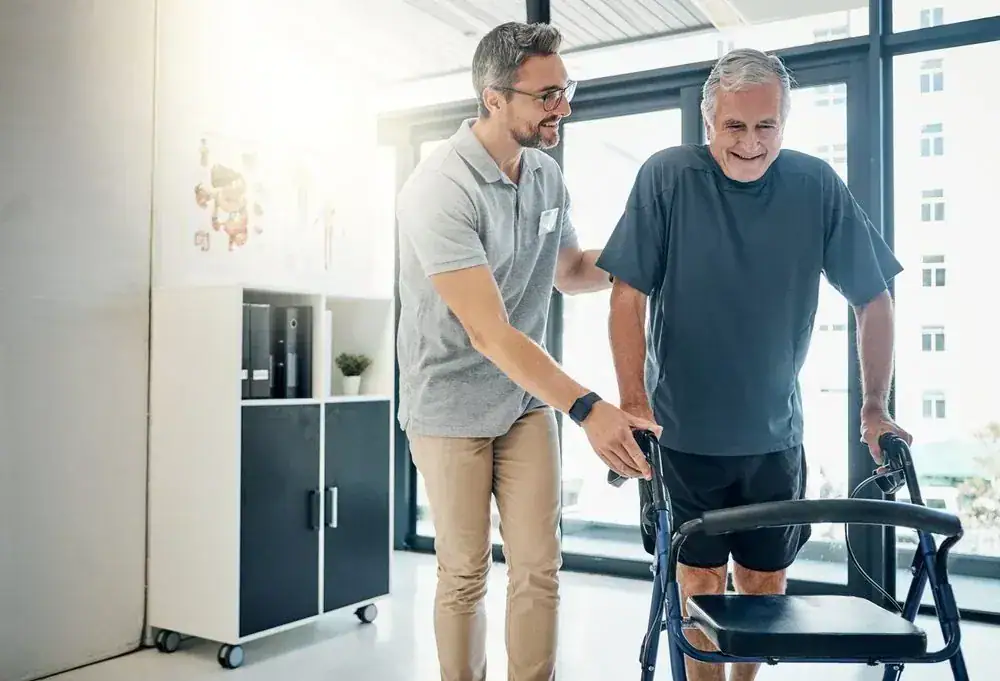
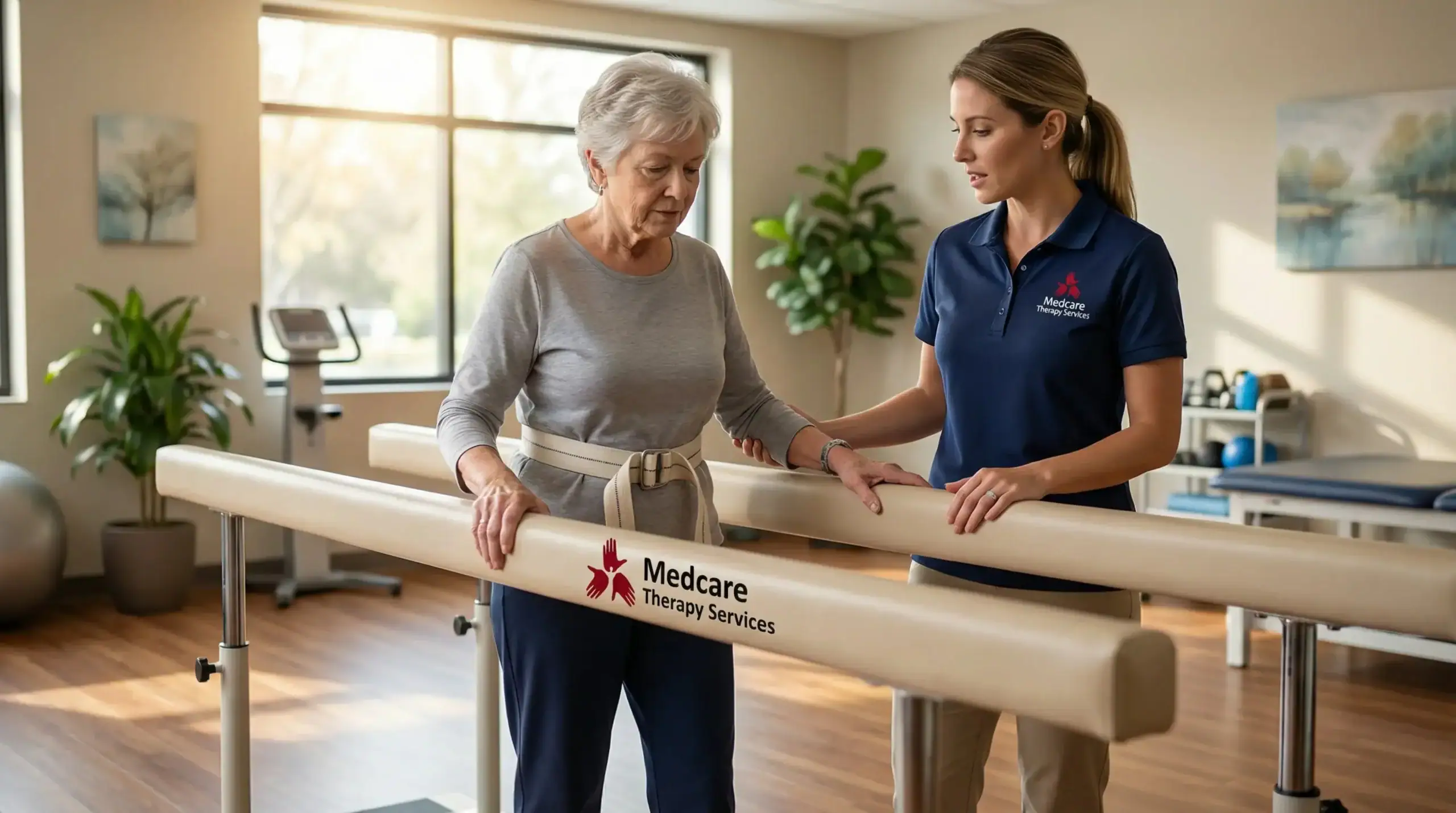
You stop second-guessing every step. Getting the mail doesn’t feel risky. Walking on uneven pavement doesn’t make your heart race.
That’s what happens when balance training actually works. Research shows regular exercise can reduce fall risk by up to 50%, but only if it’s the right kind of exercise done consistently. Generic stretching won’t cut it.
Physical therapy for balance focuses on retraining how your muscles, brain, and inner ear work together. You’re not just getting stronger—you’re getting steadier. That means fewer close calls, less fear, and more confidence moving through your day without constantly bracing for the worst.
Most people notice improvement within a few weeks. Better posture. Smoother turns. Less wobbling when you stand up. These aren’t small wins—they’re the things that let you stay in your own home, on your own terms.
We’ve been serving East Patchogue and the surrounding Long Island communities for years. We’re not a franchise or a rotating door of therapists—we’re a local team that knows this area and the people in it.
Our therapists specialize in elderly fall prevention, which means we understand the difference between general exercise and targeted balance work. Every program is built around your specific risk factors, your goals, and your current abilities.
We accept most major insurance plans, including Medicare, and we’ll walk you through coverage before you start. Our East Patchogue location is easy to reach from the LIE or Sunrise Highway, with convenient scheduling that fits your life.

First, we assess where you’re at. That includes a fall risk evaluation, strength testing, gait analysis, and a review of any past falls or near-misses. We’re looking at intrinsic factors like muscle weakness or vision changes, and extrinsic factors like home hazards or medication side effects.
Then we build your program. Most effective plans include balance exercises three or more days per week for at least 45 minutes per session. We combine balance drills with strength training, core activation, and coordination work—all personalized to your starting point.
You’ll work one-on-one with a licensed physical therapist who adjusts your program as you improve. Sessions typically run 4 to 8 weeks depending on your needs, but many people continue with maintenance plans to stay sharp long-term. We also teach you exercises you can do at home between visits, so progress doesn’t stop when you leave.

Ready to get started?
Every program starts with a comprehensive fall risk assessment. We measure your balance, strength, flexibility, and gait. We also review your medical history, medications, and any environmental risks at home.
From there, you’ll get a personalized plan that combines senior balance exercises with strength and flexibility work. These aren’t random stretches—they’re evidence-based movements proven to improve stability, reaction time, and confidence. We focus on real-world scenarios: stepping over obstacles, recovering from a stumble, turning your head without losing balance.
For Long Island residents, especially in areas like East Patchogue where many homes have stairs, uneven sidewalks, or older layouts, we tailor exercises to match what you’ll actually encounter. If you’ve had a previous fall—the strongest predictor of future falls—we address what went wrong and how to prevent it from happening again.
You’ll also receive education on home safety, footwear, lighting, and other factors that contribute to falls. This isn’t just about getting stronger in our clinic—it’s about staying safer everywhere you go.

If you’ve fallen in the past year, you’re already at higher risk. A previous fall is the most consistent predictor of falling again, so waiting isn’t the right move.
But you don’t need to wait for a fall to start. If you feel unsteady when you walk, avoid certain activities because you’re afraid of falling, or notice you’re grabbing onto furniture or walls more often, those are signs your balance needs work.
Other red flags include difficulty getting up from a chair, dizziness when you turn your head, or a general fear of moving around your own home. Many people also get referred by their doctor after a wellness visit or hospital discharge. Medicare now covers fall risk assessments as part of annual wellness exams, so it’s worth asking your physician if you qualify.
Balance training isn’t the same as general exercise. You need targeted movements that challenge your vestibular system, strengthen stabilizing muscles, and retrain your brain-body connection—and doing the wrong exercises can actually increase your risk.
We evaluate your specific fall risk factors first. Maybe your issue is weak hip muscles, poor ankle mobility, or delayed reaction time. Maybe it’s a combination. We design a program that addresses your actual problem, not a generic routine.
We also make sure you’re doing exercises safely and correctly. Form matters. Progression matters. Pushing too hard or not hard enough both limit results. Plus, working with us means you’re accountable—you show up, you do the work, and you see measurable improvement. Research shows people who work with a physical therapist have better outcomes than those who try to go it alone.
Most people notice changes within two to four weeks. You might feel steadier when you stand up, more confident on stairs, or less wobbly when you turn around. Those early wins matter—they mean the work is paying off.
Full improvement usually takes six to twelve weeks of consistent training. That’s when you see significant gains in strength, coordination, and reaction time. But here’s the thing: balance can improve whether you’re 45, 65, or 95. Age isn’t the limiting factor—consistency is.
The CDC and other research groups recommend balance exercises at least three days per week for 45 minutes or more. If you’re doing less than that, progress will be slower. If you stop entirely, you’ll lose what you’ve gained. That’s why many people continue with a maintenance plan even after their initial program ends—it keeps them sharp and prevents backsliding.
Yes, in most cases. Medicare Part B covers physical therapy when it’s medically necessary, and fall prevention qualifies if you’ve had a fall, have a documented balance issue, or your doctor refers you for gait or balance training.
Most major commercial insurance plans also cover physical therapy for balance disorders and fall risk reduction. Coverage varies by plan, so we verify your benefits before you start. You’ll know upfront what your copay or deductible responsibility is—no surprises.
If you’re on Medicare, the SAFE Act introduced in 2024 is working to expand access even further by allowing therapists to assess fall risks during annual wellness visits. That means earlier intervention and better outcomes. We handle the paperwork and work directly with your insurance, so you can focus on getting better instead of fighting with billing departments.
It’s not too late. Even if you’ve fallen more than once, physical therapy can still reduce your risk and improve your stability. In fact, people with a history of multiple falls often see some of the biggest improvements because there’s more room to build strength and coordination.
We start where you are, not where you think you should be. If you’re using a walker or cane, we work with that. If certain movements feel impossible right now, we break them down into smaller steps. The goal is progress, not perfection.
Falls are rarely caused by just one thing—it’s usually a mix of weak muscles, poor balance, medication side effects, vision problems, and environmental hazards. We address all of it. Strengthening your legs and core, improving your reaction time, and teaching you how to recover if you start to stumble can all make a massive difference. You’re not stuck where you are. You can get steadier, safer, and more confident—even if it’s been a rough year.
Yes. That’s the whole point. Most people don’t want to move to assisted living or rely on family for every little thing—they want to stay independent. Fall prevention therapy gives you the strength and stability to do that.
When you’re not afraid of falling, you move more. You stay active. You keep doing the things that make life worth living—gardening, shopping, visiting friends, playing with grandkids. Research shows that balance and coordination exercises improve not just physical function but also mental health, memory, and overall quality of life in older adults.
The alternative is fear-based restriction. You stop going places. You avoid stairs. You sit more and move less, which makes you weaker and more likely to fall. It’s a vicious cycle. We break that cycle by giving you real, measurable improvements in balance and confidence. And when you’re steadier on your feet, you stay in control of your life—and your home—longer.
Other Services we provide in East Patchogue