

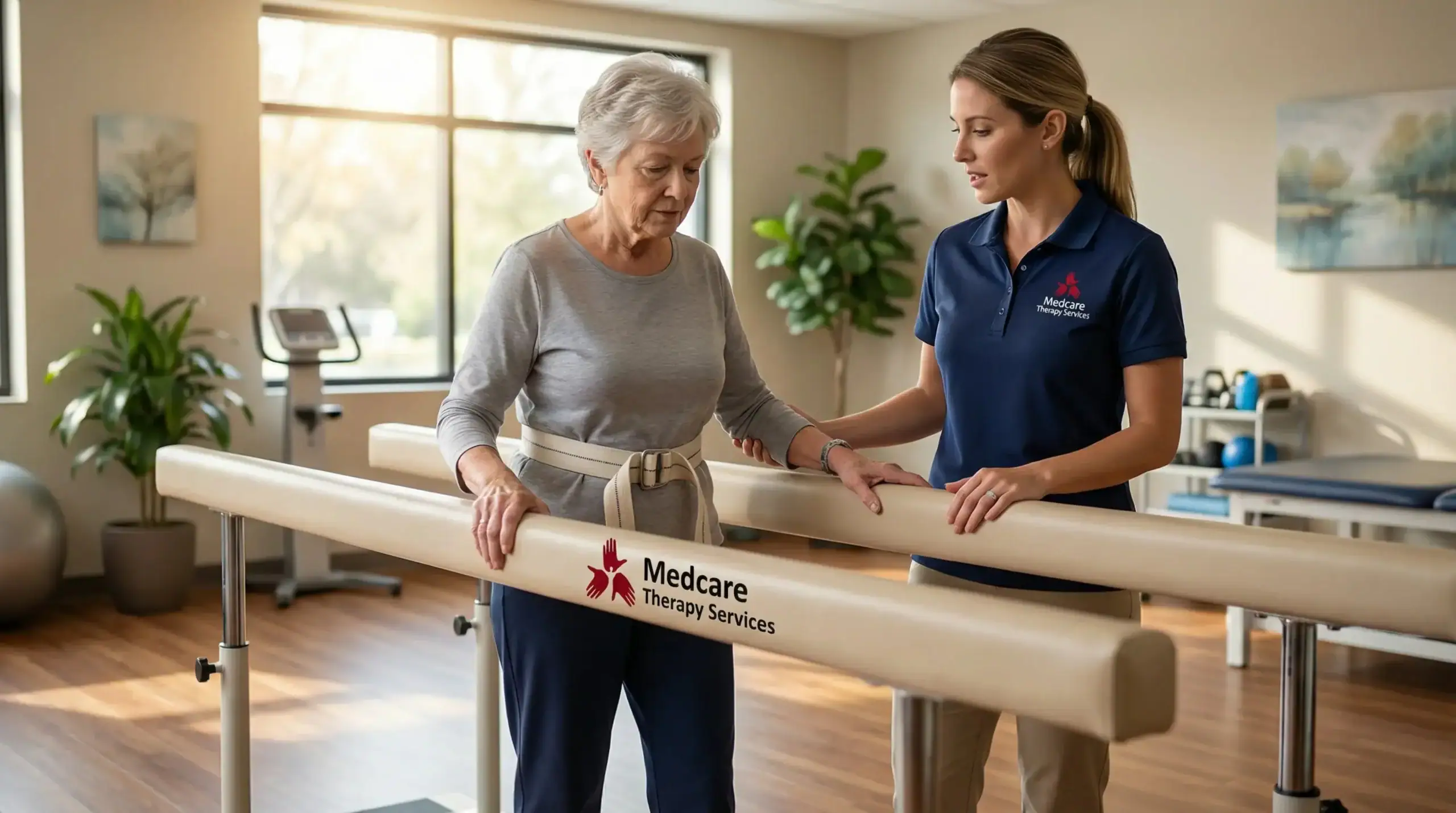
You’re not looking for a quick fix. You want to walk across your kitchen without second-guessing every step. You want to get the mail, visit neighbors, and move through your day without that constant worry in the back of your mind.
That’s what fall prevention therapy does. It rebuilds the strength and coordination your body needs to stay steady. It retrains your balance so you can trust your legs again. And it gives you back the confidence to do the things you’ve been avoiding because you weren’t sure you could do them safely anymore.
This isn’t about living in fear. It’s about getting your independence back—on your terms, in your home, with a therapist who understands what you’re dealing with. You’ll work through balance exercises for seniors that are proven to reduce fall risk, improve posture, and help you feel stable again. Every session is built around you—your goals, your pace, your home environment.
We’ve been serving Central Islip and the surrounding Long Island communities since 2010. We’re not a national chain. We’re local therapists who understand what it’s like to age in Suffolk County—where getting to appointments can be a challenge, where family lives nearby but everyone’s busy, and where staying in your own home matters more than anything.
We bring licensed physical and occupational therapists directly to your door. Every therapist is trained in evidence-based fall prevention programs, including Otago protocols that are specifically designed to reduce fall risk in older adults. We accept Medicare and work with most major insurances, so cost doesn’t have to be a barrier to getting the care you need.
You’re treated like family here. That’s not a tagline—it’s how we operate. One therapist. One-on-one attention. Real results.

First, a licensed therapist comes to your home in Central Islip for a full assessment. We’ll evaluate your balance, strength, gait, and any environmental factors in your home that might increase your fall risk. This isn’t a generic checklist—it’s a real conversation about what’s been happening and what you want to be able to do again.
From there, your therapist builds a personalized plan. That might include senior balance exercises to improve stability, strength training to support your legs and core, gait restoration to help you walk more confidently, and education on how to move safely through your daily routine. Everything is tailored to your current ability level and progresses as you get stronger.
Sessions happen in your home, on your schedule. Your therapist will guide you through each exercise, adjust as needed, and track your progress over time. You’ll also get guidance on how to continue exercises between visits so you’re building strength consistently. The goal isn’t just to prevent falls—it’s to help you feel capable and confident again.

Ready to get started?
You’ll receive a comprehensive fall risk assessment that looks at strength, balance, coordination, and your home setup. Your therapist will identify specific risk factors and create a plan that addresses them directly. This isn’t guesswork—it’s based on clinical protocols that have been proven to reduce falls in older adults.
Your therapy plan includes balance training exercises designed to improve stability and posture. You’ll work on strengthening your legs, hips, and core—the muscle groups that keep you upright and steady. Gait training helps you walk with better form and confidence, especially if you’ve developed compensatory patterns that increase your fall risk. And if you use a walker or cane, your therapist will make sure you’re using it correctly.
Here’s what matters for Central Islip residents: Long Island has one of the fastest-growing senior populations in New York. Suffolk County alone has seen a 30% increase in adults over 65 in the last decade. That means more people are dealing with the same concerns you are—and more people are realizing that falls don’t have to be inevitable. With the right therapy, you can stay active, independent, and safe in your own home for years to come.

If you’ve fallen in the past year, you’re at higher risk of falling again. But you don’t have to wait for a fall to start therapy. If you’re feeling unsteady on your feet, avoiding certain activities because you’re worried about balance, or noticing that you’re holding onto walls or furniture more than you used to, those are signs that fall prevention therapy could help.
Other red flags include difficulty getting up from a chair, trouble walking on uneven surfaces, or a general sense that your legs aren’t as strong as they used to be. Even if you haven’t fallen yet, addressing these issues early can prevent a fall from happening in the first place. A therapist can assess your risk and give you a clear picture of where you stand—and what you can do about it.
Medicare covers fall prevention therapy when it’s medically necessary, so if your doctor has recommended it or you’re noticing changes in your balance or mobility, it’s worth scheduling an assessment. The earlier you start, the more effective the therapy tends to be.
The exercises depend on your current ability level, but most fall prevention programs include a mix of balance training, strength exercises, and gait work. Balance exercises might include standing on one leg, weight shifting, or practicing controlled movements that challenge your stability in a safe way. These exercises retrain your body to react quickly and stay upright when you’re off balance.
Strength training focuses on your legs, hips, and core—the muscles that support your posture and movement. You might do seated or standing exercises using your body weight, resistance bands, or light weights. The goal is to rebuild the strength you need to stand up, walk, and move confidently throughout your day.
Gait training helps you walk with better form and control. Your therapist will watch how you move, identify any issues with your stride or posture, and teach you techniques to walk more safely. If you use a mobility aid, we’ll make sure it’s the right fit and that you’re using it correctly. Every exercise is tailored to you, and your therapist will adjust the plan as you get stronger.
Yes. Medicare Part B covers outpatient physical therapy when it’s medically necessary, and fall prevention therapy qualifies if you’re at risk for falls or have already experienced a fall. Your doctor will need to refer you or approve the therapy, but once that’s in place, Medicare typically covers a significant portion of the cost.
We accept Medicare and work directly with your insurance to handle the billing. You’ll be responsible for any copays or deductibles based on your specific plan, but we’ll walk you through what to expect before you start. If you have a Medicare Advantage plan or supplemental insurance, coverage may vary, so it’s worth checking your benefits.
The key is that therapy has to be prescribed by a doctor and provided by a licensed therapist. Home-based therapy is covered the same way clinic-based therapy is, so you’re not penalized for choosing to receive care at home. If you’re unsure about your coverage, we can help you verify your benefits before your first session.
Most people start noticing improvements within a few weeks, but the timeline depends on your starting point and how consistently you’re doing the exercises. If you’re coming into therapy with mild balance issues, you might feel steadier and more confident after just a handful of sessions. If you’re recovering from a fall or dealing with significant weakness, it may take a few months to see major changes.
The research backs this up. Studies on fall prevention programs show that consistent balance and strength training can reduce fall risk by 20 to 40 percent over the course of several weeks. But here’s the thing: therapy works best when you’re doing the exercises between sessions, not just during them. Your therapist will give you a home exercise plan that reinforces what you’re working on, and sticking with it makes a big difference.
The goal isn’t just short-term improvement—it’s long-term stability. Even after you’ve completed your therapy sessions, continuing with balance exercises and strength training helps you maintain the progress you’ve made. Your therapist will set you up with a plan you can keep doing on your own so you stay strong and steady for the long haul.
It’s not too late—it’s actually the most important time to start. Falling once increases your risk of falling again, and that second fall is often more serious than the first. Fall prevention therapy after a fall focuses on rebuilding the strength and balance you lost, addressing any injuries or mobility issues that resulted from the fall, and giving you the tools to move safely again.
Your therapist will start with a thorough assessment to understand what led to the fall and what’s changed since then. Maybe you’re moving more cautiously now, or maybe you’ve developed a fear of falling that’s affecting how you walk. Both of those things can actually increase your fall risk if they’re not addressed. Therapy helps you regain confidence while also improving the physical factors that contribute to falls.
The other benefit of starting therapy after a fall is that it’s easier to get insurance approval. Medicare and most other insurances recognize that fall prevention is critical after a fall has already occurred, so coverage is typically straightforward. The sooner you start, the better your chances of preventing another fall and getting back to your normal routine.
Home-based therapy makes sense for a few reasons. First, if getting to a clinic is difficult—whether because of transportation, mobility issues, or just the hassle of scheduling rides—therapy at home removes that barrier. You’re more likely to stick with therapy when it’s convenient, and consistency is what gets results.
Second, your therapist can assess your actual home environment and address the specific challenges you face every day. We’ll see where you’re walking, what furniture you’re using for support, and what hazards might be increasing your fall risk. That’s something you can’t replicate in a clinic setting. Your therapist can make recommendations for your home setup and practice exercises in the exact spaces where you need to feel confident.
Third, one-on-one attention matters. In a clinic, therapists often work with multiple patients at once. At home, it’s just you and your therapist for the full session. You get personalized care, immediate feedback, and a treatment plan that’s built around your goals and your daily life. For older adults in Central Islip who want to stay independent and age in place, home-based therapy is often the most effective option.
Other Services we provide in Central Islip