
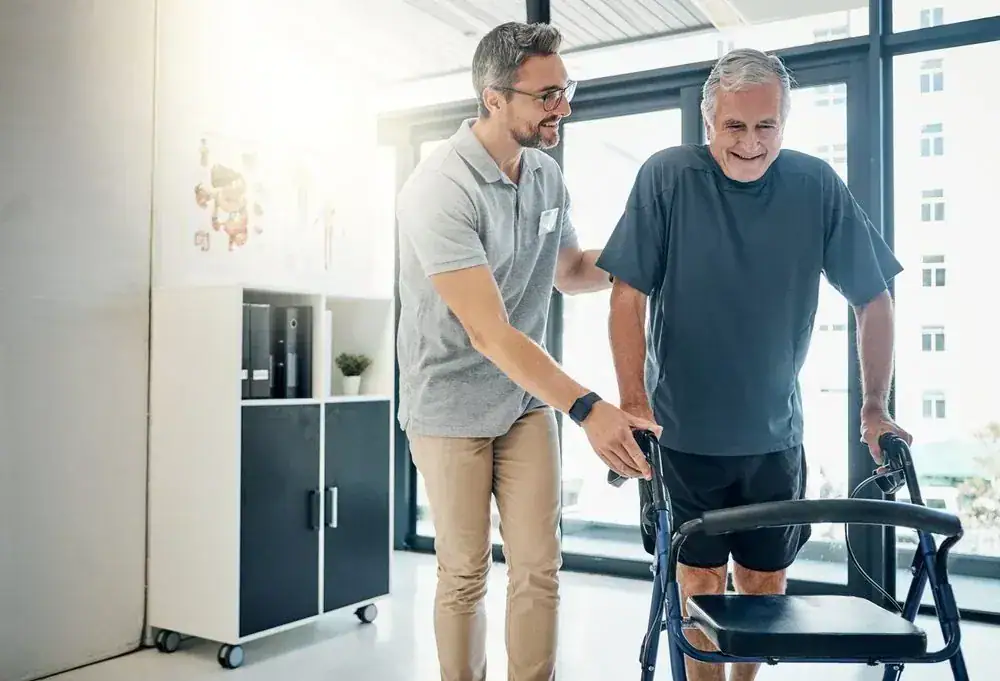
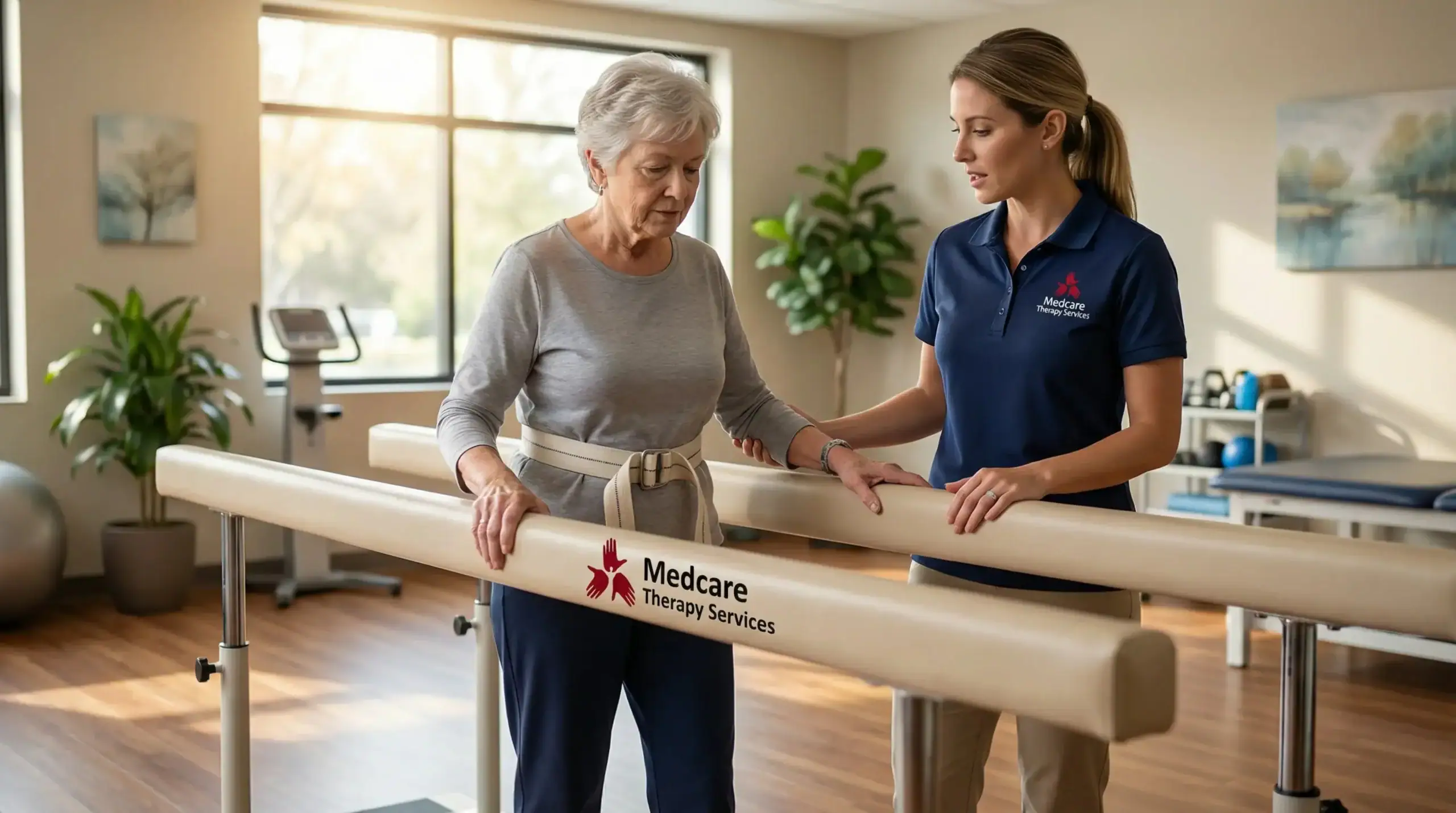
You’ll know exactly why you’re unsteady. Not a guess, not a generic handout—a real assessment of your balance, strength, gait, and home environment.
From there, you’ll start exercises designed specifically for fall prevention in the elderly. Balance exercises for seniors that actually address your weak points. Strength work that targets the muscles you need to catch yourself.
Most people notice better stability within weeks. You’ll move with more confidence. Get up from chairs easier. Walk without second-guessing every step. And if you’ve already fallen once, you’ll have a plan to make sure it doesn’t happen again—because falling once doubles your chance of falling again.
We’ve been delivering home-based physical therapy across Nassau County for over a decade. That includes Cedarhurst, where we’ve worked with seniors who want to stay in their homes without sacrificing safety.
We’re licensed, Medicare-certified, and part of a network that includes Physical Therapy Associates of Smithtown and Speonk Physical Therapy. Every therapist on our team is trained in elderly fall prevention and balance rehabilitation.
We’re not a corporate chain. We’re a local group that treats patients like family—because in a place like Cedarhurst, reputation matters.

First, we schedule an in-home evaluation. A licensed physical therapist comes to your house, assesses your balance, strength, mobility, and fall risk factors. We also walk through your home to spot hazards—loose rugs, poor lighting, bathroom setup, anything that increases risk.
Then we build a plan. It’s not a one-size-fits-all program. It’s based on what we found during your evaluation. You’ll get senior balance exercises, strength training, gait work, and sometimes vestibular therapy if dizziness or vertigo is part of the picture.
Sessions happen in your home, on your schedule. You’re not driving to a clinic or sitting in a waiting room. We bring everything we need. And because we accept Medicare, most patients pay little to nothing out of pocket.
Progress gets tracked. Exercises get adjusted. And when you’re stronger and steadier, we’ll give you a maintenance plan so the gains stick.

Ready to get started?
Nassau County ranks fourth in New York State for fall-related incidents among seniors. That’s not a coincidence. Long Island’s aging population is statistically more at risk than almost anywhere else in the state.
In Nassau County, 88% of injury hospitalizations for adults over 65 are due to falls. And nationally, falls cost the healthcare system $80 billion a year—but more importantly, they cost people their independence.
Cedarhurst has a significant senior population, many living in multi-story homes or older buildings without the grab bars, lighting, or layout that support safe aging. Combine that with medications that affect balance, winter weather, and the natural muscle loss that comes with age, and you’ve got a recipe for trouble.
That’s where physical therapy for balance comes in. Research shows that combining strength training with balance exercises can cut fall risk in half. It’s not about bubble-wrapping your life. It’s about giving your body the tools to keep you upright.
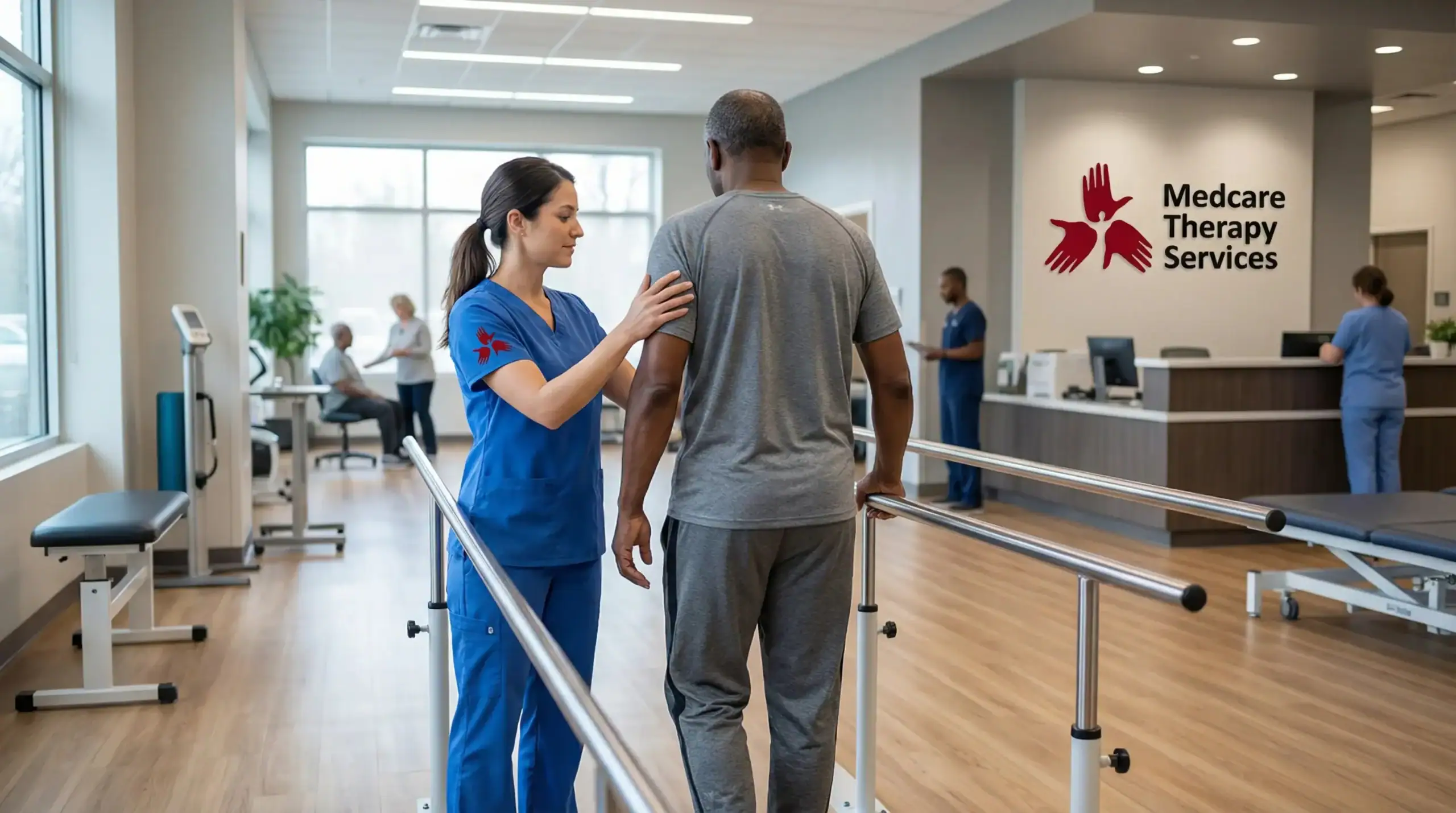
The most effective senior balance exercises combine three things: strength, balance, and movement. That means exercises like single-leg stands, heel-to-toe walking, sit-to-stand repetitions, and controlled weight shifts.
Strength work focuses on your legs and core—the muscles that keep you stable and help you recover if you start to tip. Balance training challenges your body to stay upright in different positions, which improves your reflexes and coordination.
We also include functional movement. That’s getting up from a chair, stepping over objects, reaching for something on a shelf—real-world stuff. Because fall prevention isn’t just about standing on one foot in your living room. It’s about moving safely through your actual day.
Yes. Medicare Part B covers outpatient physical therapy, including fall prevention and balance training, as long as it’s prescribed by a doctor and delivered by a licensed therapist.
You’ll need a referral or prescription from your physician. Once we have that, we handle the rest—verification, billing, scheduling. Most patients pay little to nothing out of pocket after their deductible is met.
Home-based therapy is covered the same way clinic-based therapy is. The difference is we come to you, which makes it easier to assess your actual environment and removes the transportation barrier that keeps a lot of people from getting help.
There are a few clear signs. If you’ve already fallen once, your risk doubles. If you feel unsteady when you walk, avoid certain activities because you’re afraid of falling, or need to hold onto furniture to move around the house—those are red flags.
Other risk factors include taking four or more medications, especially blood pressure meds, antidepressants, or sedatives. Dizziness, vision problems, foot pain, and muscle weakness all increase fall risk too.
During your evaluation, we’ll run through a series of tests—how you walk, how you get up from a chair, how long you can stand on one leg, whether you can feel the floor under your feet. That gives us a baseline and tells us exactly where to focus.
Balance therapy is a type of physical therapy, but it’s specialized. Regular PT might focus on recovering from surgery, managing arthritis, or improving mobility after an injury. Balance therapy specifically targets fall prevention in the elderly.
That means we’re looking at your vestibular system (inner ear balance), your proprioception (how your body senses where it is in space), your muscle strength, and your gait. We’re also assessing environmental factors and teaching you how to move safely in your home.
The exercises are different too. You’re not just building strength—you’re training your body to react when you lose balance. That’s what keeps you from hitting the ground.
Most people start feeling steadier within two to four weeks. That doesn’t mean you’re done—it means the exercises are working and your body is adapting.
A full fall prevention program usually runs eight to twelve weeks, depending on your starting point and goals. Some patients need more time, especially if they’re recovering from a fall or dealing with multiple risk factors.
The key is consistency. You’ll have sessions with your therapist two to three times a week, plus exercises to do on your own. The more you put in, the faster you’ll see results. And once you’ve built up your strength and balance, we’ll give you a plan to maintain it so you don’t slide backward.
Falls are not inevitable. That’s the most important thing to understand. Yes, your body changes as you age—you lose muscle mass, your reflexes slow down, your vision might not be as sharp. But none of that means you’re destined to fall.
The research is clear: elderly fall prevention programs that include strength and balance training can reduce fall risk by 30% to 50%. Fixing hazards in your home adds another layer of protection. Managing medications and treating underlying conditions like dizziness or neuropathy makes a difference too.
What doesn’t work is doing nothing and hoping for the best. The first fall is a wake-up call. And even if you haven’t fallen yet, if you’re feeling unsteady or avoiding activities because you’re nervous, that’s your body telling you it’s time to act.
Other Services we provide in Cedarhurst