
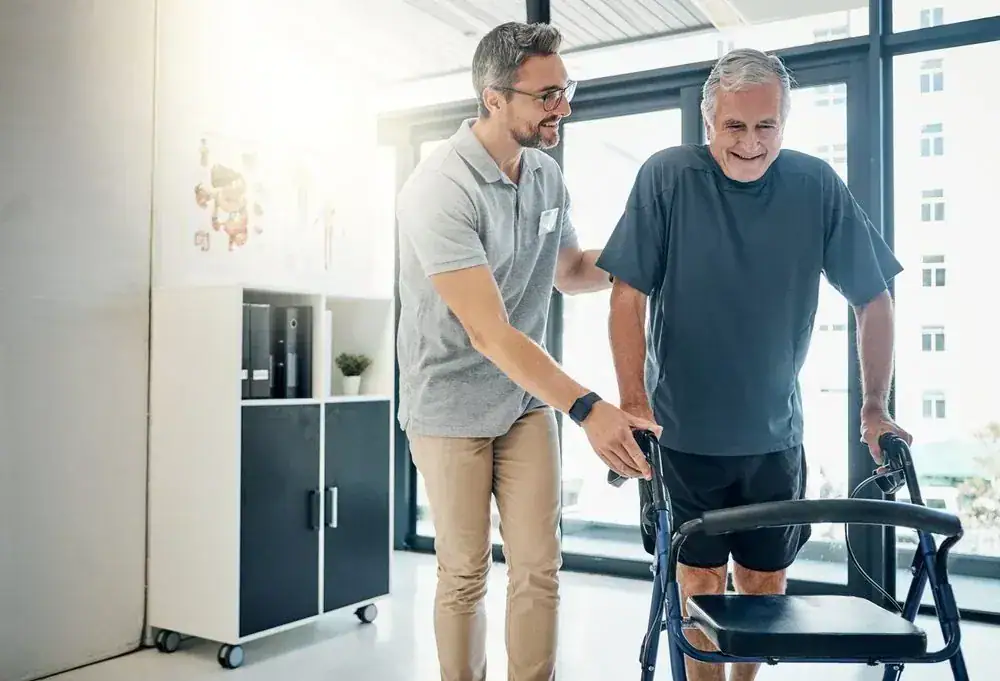
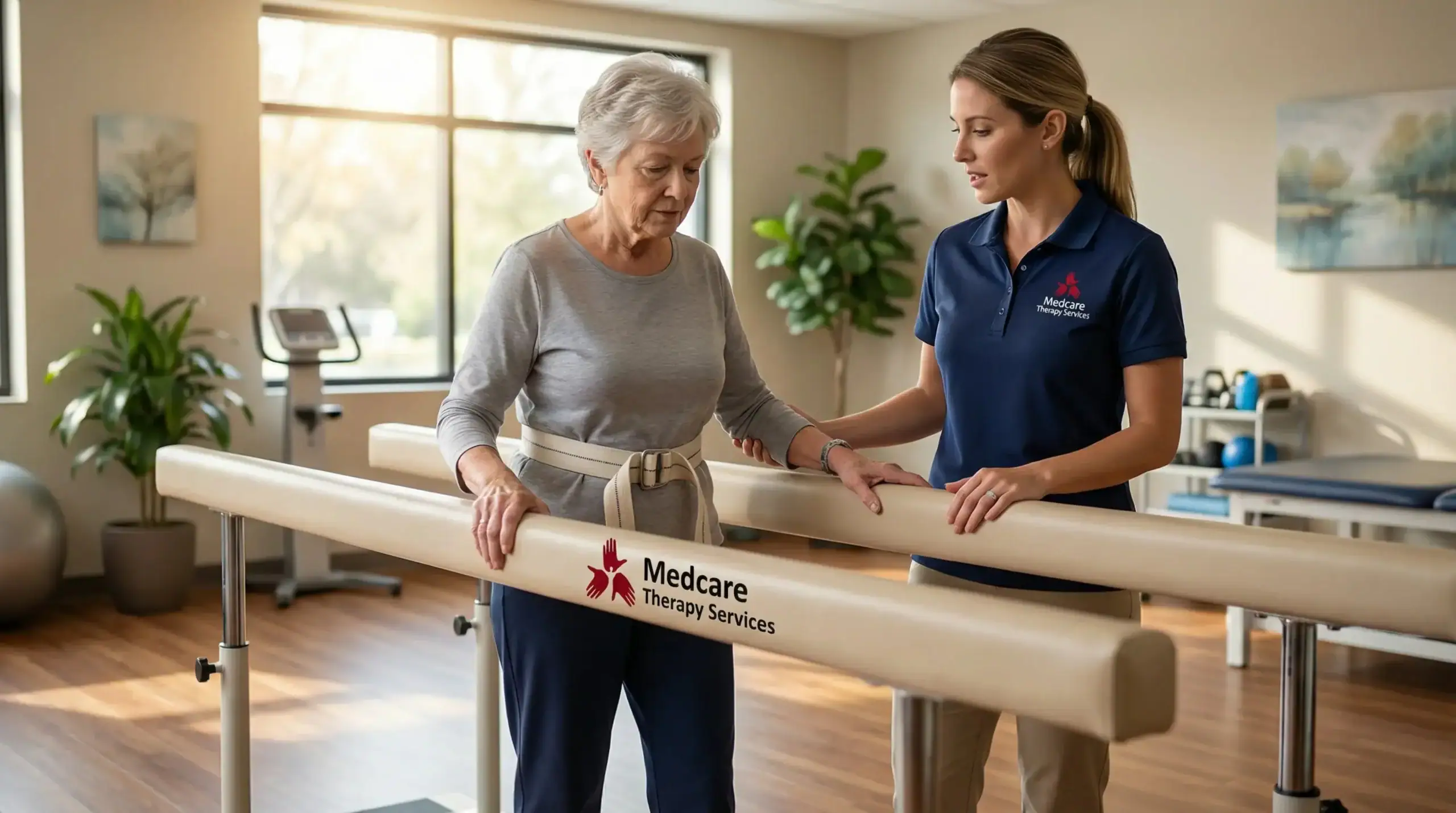
You stop planning your day around what feels safe. The bathroom at night doesn’t feel like a risk. Getting the mail becomes automatic again, not something you think through first.
Better balance means you’re not reaching for walls or furniture every time you stand. You’re not second-guessing whether you can make it to the car without help. Your kids stop asking if you’re “being careful,” because you actually feel stable.
Physical therapy for balance isn’t about going back to how things were twenty years ago. It’s about rebuilding the strength and coordination you need right now to move through your home and your routine without fear. Most people don’t realize how much tension they’re carrying from that fear until it’s gone.
The work is specific. Strengthening the muscles that keep you upright when you turn your head. Training your body to catch itself when you step on something uneven. Building stamina so fatigue doesn’t make you wobbly by afternoon. You’ll notice the difference in how you feel getting out of a chair, walking to the kitchen, standing while you cook.
We’ve been working with seniors across Long Island for years, including right here in Brentwood. We’re not a corporate chain that rotates therapists every few months. You’ll work with licensed physical therapists who specialize in fall prevention and neurological conditions—people who understand exactly why you’re unsteady and what actually fixes it.
Our team manages locations across Nassau and Suffolk counties, so we understand the homes, the sidewalks, the weather, and the daily realities of aging on Long Island. We know what it’s like to navigate a split-level in winter or manage stairs when your knees aren’t what they used to be.
You’re not getting a generic program. Every plan starts with a real assessment of your fall risk, your medical history, your pain points, and what’s happening in your specific environment. Then we build from there.
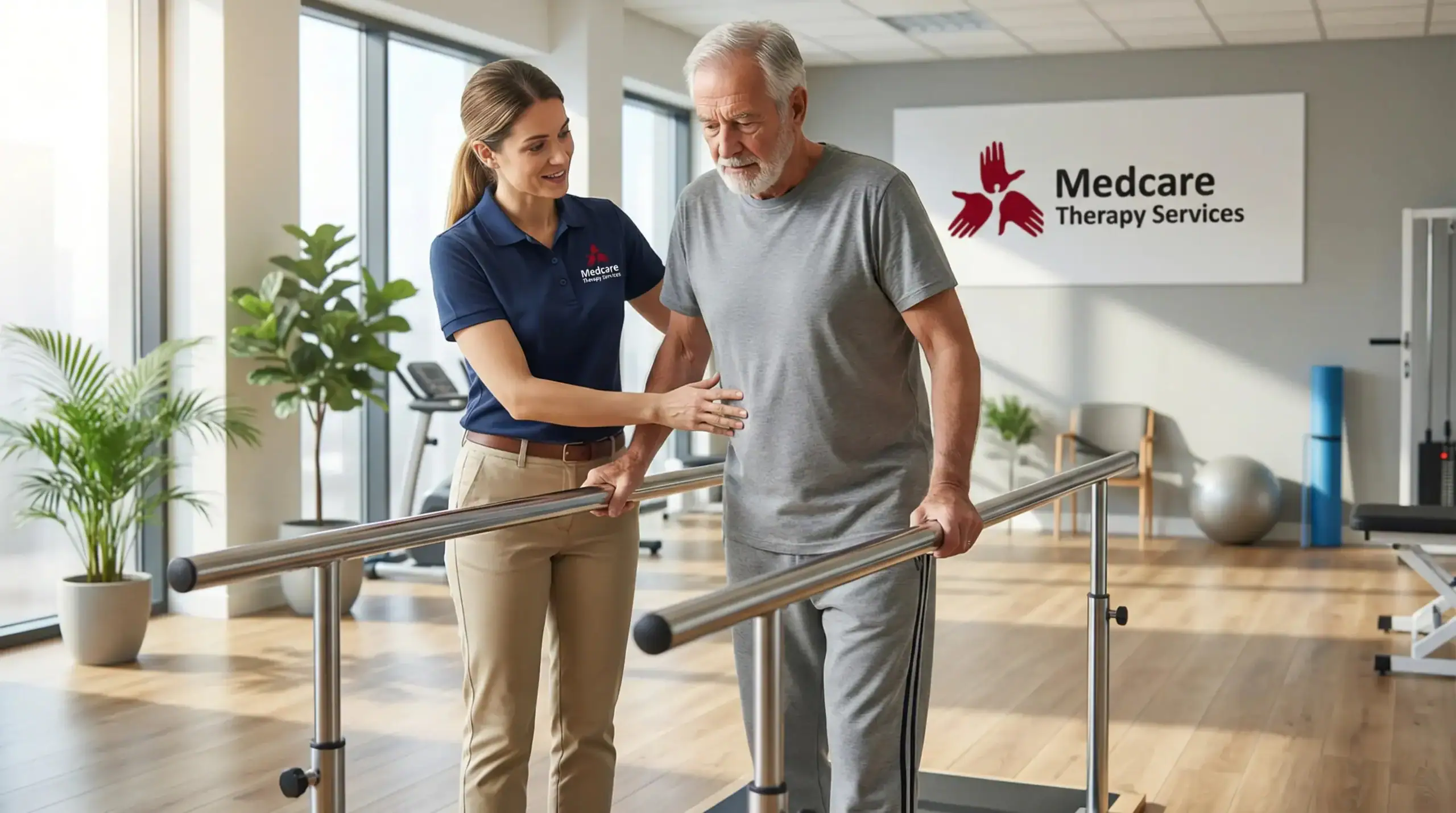
First, we sit down and talk. You’ll go over your medical history, any falls you’ve had, what makes you feel unsteady, and what you’re trying to get back to doing. This isn’t a five-minute intake form. It’s a real conversation.
Then we assess. Your therapist will watch how you walk, how you stand, how you recover when your balance shifts. We’ll test your strength in the specific muscle groups that matter for stability—not just your legs, but your core, your hips, your ankles. We’ll look at how you move when you’re distracted or turning your head, because that’s when most falls happen.
From there, we build your program. It usually includes targeted strength training, balance-specific exercises like single-leg stands or weight shifts, and progressive aerobic conditioning to keep you from getting fatigued. If you’re dealing with pain, we address that too, because pain changes how you move and that affects your balance.
You’ll come in for sessions, and we’ll adjust as you improve. Some exercises get harder. Some get dropped because you’ve mastered them. The goal is always the same: get you stable enough that you’re not thinking about falling anymore.

Ready to get started?
You’re getting a full fall risk assessment that looks at your medical history, your current physical condition, and the environmental factors in your home that might be contributing to instability. This isn’t a checklist. It’s a detailed evaluation of why you’re falling or feeling unsteady.
Your program includes customized strength training focused on the muscle groups that control balance—your glutes, your core, your ankles, your hips. You’ll do balance-specific exercises that train your body to recover when you start to tip. We’ll work on aerobic conditioning so you don’t lose stability when you’re tired. If pain is limiting your movement, we’ll treat that alongside your balance work.
We also provide education on home safety modifications and recommend equipment if it’s necessary. Sometimes it’s as simple as removing a rug or adding a grab bar. Other times, we’ll suggest a walking aid that actually fits your needs instead of the one your neighbor handed down.
For Brentwood residents, this matters because many homes here are older, with stairs, uneven thresholds, and layouts that weren’t designed with aging in mind. We’ve worked with enough local families to know what modifications make the biggest difference and which ones are overkill. You’ll get practical advice, not a sales pitch for products you don’t need.
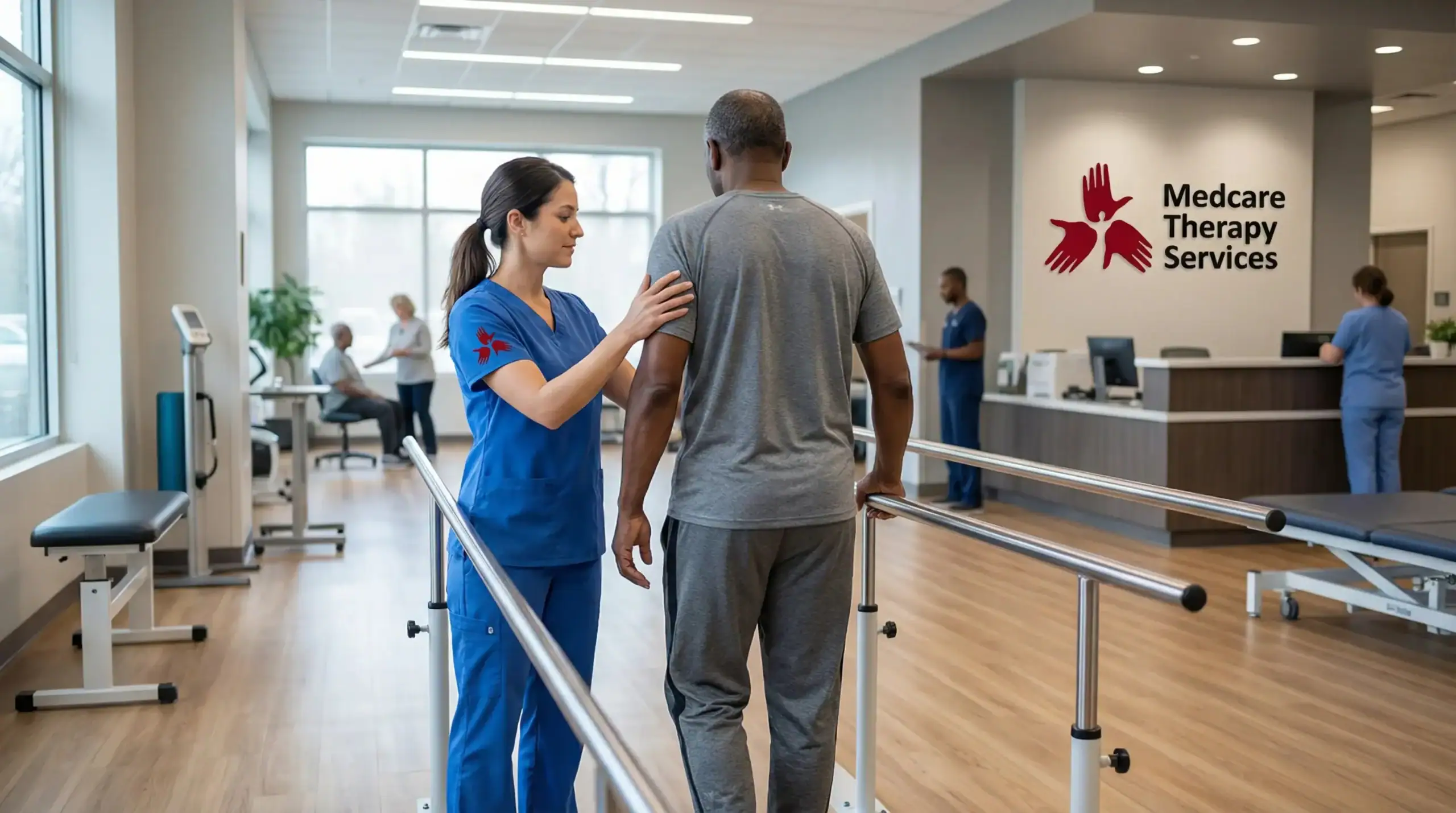
If you’ve fallen in the past year, you need it. If you’ve had a near-fall or felt unsteady enough that you grabbed onto something, you probably need it. If you’re avoiding activities because you’re worried about falling, that’s another sign.
A lot of people wait until after they’ve fallen and gotten hurt. That’s too late. The best time to start is when you first notice you’re not as steady as you used to be—when you’re reaching for the counter more often, when stairs feel harder, when you’re thinking twice about walking on uneven ground.
Most falls are preventable. Research shows that regular balance exercises and strength training can significantly reduce your fall risk. But you have to actually do the work before the fall happens, not after you’re recovering from a broken hip.
Balance exercises are designed to challenge your stability in controlled ways so your body learns to recover when things shift unexpectedly. Regular exercise might make you stronger overall, but it doesn’t specifically train the reflexes and muscle coordination you need to catch yourself when you trip.
We use exercises like single-leg stands, weight shifts, and dual-task activities where you’re balancing while doing something else—like counting backward or turning your head. These mimic real-world situations where falls happen. You’re not just building muscle. You’re training your nervous system to react faster and more effectively.
The progression matters too. We start where you are and gradually increase difficulty as your balance improves. If you jump into exercises that are too advanced, you risk falling during the exercise itself. If you stay too easy, you don’t improve. A physical therapist adjusts the program as you go so you’re always working at the right level.
Most insurance plans, including Medicare, cover physical therapy for balance and fall prevention if it’s medically necessary. That usually means you’ve had a fall, you have a diagnosis that affects your balance, or your doctor has documented that you’re at risk.
We work with major insurance providers and can verify your coverage before you start. You’ll want to check your specific plan for copays, deductibles, and how many visits are covered per year. Some plans require a referral from your doctor, others don’t.
If you’re paying out of pocket, we can discuss that too. But most people in Brentwood who need this therapy can get it covered. The key is having documentation from your doctor that shows why the therapy is necessary. If you’ve fallen or your doctor has noted balance issues in your chart, you’re likely covered.
Most people notice a difference within four to six weeks if they’re consistent with their sessions and doing their home exercises. You might feel steadier sooner than that, but real, measurable improvement in strength and balance usually takes a month or more.
It depends on where you’re starting from. If you’ve been sedentary for a while or you’re recovering from an injury, it might take longer. If you’re generally active but just need some targeted work, you might improve faster. Your therapist will give you a more specific timeline after your initial assessment.
The important thing is that improvement doesn’t mean you’re done. Balance is something you have to maintain. Once you’ve built up your strength and stability, you’ll need to keep doing some level of exercise to hold onto those gains. We’ll help you figure out what that looks like for your situation—whether it’s ongoing therapy, a home program, or transitioning to a community exercise class.
It’s not too late. If anything, you need this more urgently than someone who hasn’t fallen yet. Multiple falls mean something specific is wrong—whether it’s muscle weakness, poor balance reflexes, an underlying medical condition, or environmental hazards in your home.
Physical therapy can still help you rebuild strength and stability, even after multiple falls. We’ll start with a thorough assessment to figure out what’s causing the falls, then create a program that addresses those specific issues. You might also need a referral to another specialist if there’s a medical issue contributing to your falls, and we can help coordinate that.
The goal is to break the cycle. Each fall makes you weaker and more fearful, which makes the next fall more likely. Therapy interrupts that cycle by rebuilding your physical capacity and your confidence. You’re not going to go from multiple falls to perfect balance overnight, but you can absolutely get to a place where you’re stable and independent again.
You need both. Coming in for therapy means you’re working with a professional who can assess your form, adjust your exercises as you improve, and catch problems before they become injuries. You’re also using equipment and doing exercises that aren’t safe to try at home without supervision at first.
But the home exercises are just as important. Balance and strength improve with repetition, and you’re not going to get enough repetition from one or two therapy sessions per week. Your therapist will give you specific exercises to do at home between sessions—things that are safe for you to do on your own and that reinforce what you’re working on in therapy.
Most people do better when they have that combination. The in-person sessions provide structure, accountability, and expert adjustment. The home work provides the repetition you need to actually build strength and retrain your balance system. Skipping either one means slower progress and less lasting results.
Other Services we provide in Brentwood