
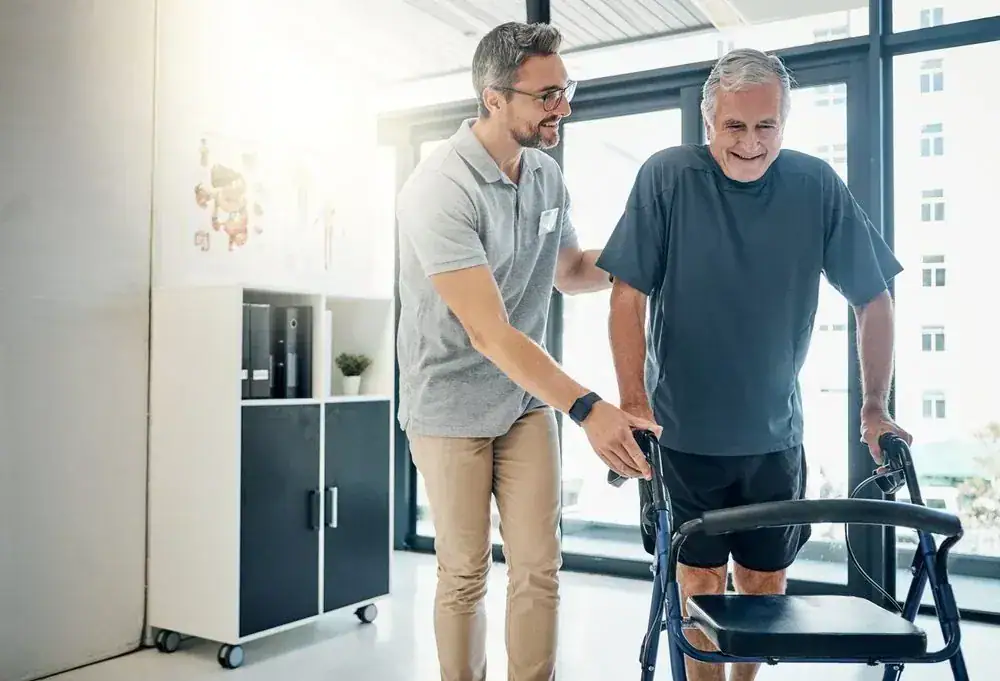
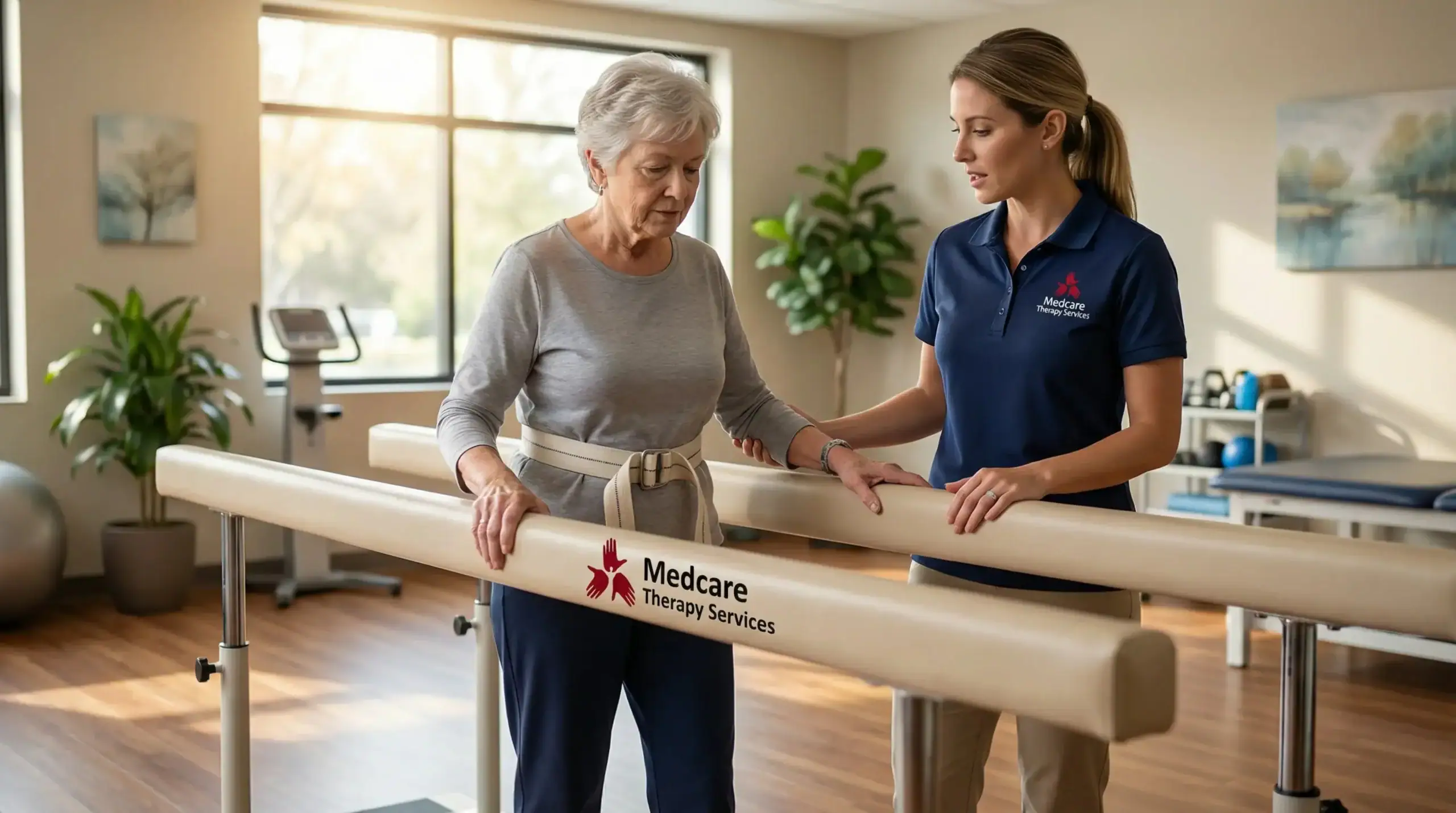
You stop second-guessing every step. Getting up from a chair doesn’t feel risky anymore. Walking to the mailbox or moving around your kitchen becomes automatic again, not something you have to plan around.
That’s what happens when your legs get stronger, your core stabilizes, and your confidence comes back. Physical therapy for balance isn’t about preventing something abstract down the road—it’s about what you can do today, tomorrow, and next month without fear.
Research backs this up. Well-designed senior balance exercises reduce fall rates in older adults by around 25%. That’s not a small number when you consider what one fall can cost you—physically, financially, and emotionally. You’re not just avoiding injury. You’re protecting your independence.
We’ve been providing in-home physical therapy across Long Island for over 15 years. We work with seniors in Bohemia and throughout Suffolk County who want to stay independent but know their balance isn’t what it used to be.
We come to you. No driving to a clinic, no waiting rooms, no trying to navigate unfamiliar buildings when you’re already unsteady. Everything happens in your home, where you actually live and move every day.
We accept Medicare and most commercial insurance. Our team is trained in evidence-based fall prevention programs that have been studied and proven to work. You’re not getting generic exercises off a printout—you’re getting a personalized plan based on how you move, where you’re weak, and what your daily life actually looks like.

First, we assess your fall risk. A licensed physical therapist comes to your Bohemia home and evaluates your strength, balance, gait, and any environmental hazards. This isn’t a checklist—it’s a real conversation about what’s been happening and what you’re worried about.
Then we build your program. Based on what we find, you’ll get a customized set of balance exercises for seniors that target your specific weak points. Maybe it’s leg strength. Maybe it’s coordination. Maybe it’s fear that’s keeping you from moving confidently. We address all of it.
You’ll do the exercises with us during scheduled sessions, and we’ll give you safe movements to practice between visits. Over eight weeks, you’ll progress through strength and balance training designed to make a measurable difference. Most people notice changes in how they feel within the first few weeks—more stable, less hesitant, stronger when standing or walking.

Ready to get started?
You get a full fall risk assessment in your own home. Your therapist will look at how you move through your space, where the risks are, and what’s contributing to instability. This includes strength testing, balance evaluation, and gait analysis.
Your program includes evidence-based exercises from protocols like the Otago Exercise Program, which has been shown to reduce falls by 35-40% in older adults. These aren’t random stretches—they’re targeted movements that rebuild the muscle groups and coordination patterns you need to stay upright.
Here in Bohemia and across Suffolk County, falls are a leading cause of injury for seniors. Nassau and Suffolk counties rank 4th and 5th in New York State for fall prevalence. That means if you’re feeling unsteady, you’re not alone—and you’re in an area where this issue is more common than almost anywhere else in the state. But it also means the solution is well understood, well researched, and available to you right now.
Everything is done in your home. You don’t need special equipment. You don’t need to travel. And if you have Medicare or commercial insurance, your therapy is likely covered.
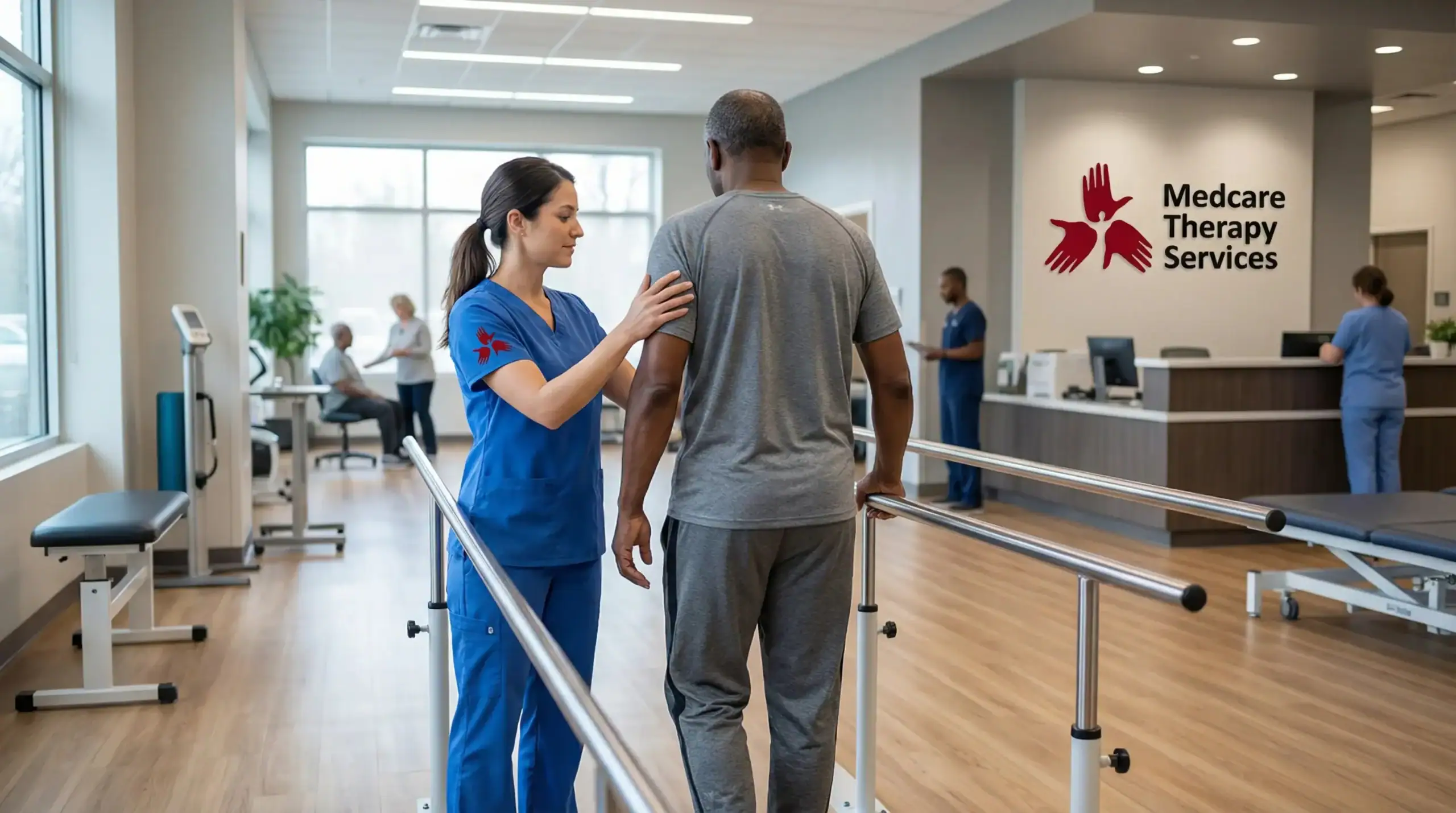
If you’ve fallen even once in the past year, your risk of falling again doubles. That’s true even if you didn’t get hurt the first time. Other signs include feeling unsteady when you stand up, needing to hold onto furniture when you walk around your house, or avoiding certain activities because you’re afraid you might fall.
Muscle weakness—especially in your legs and core—is one of the biggest predictors of fall risk. So is poor balance, which often develops gradually as you become less active. Many people don’t realize how much strength they’ve lost until they try to get up quickly or catch themselves mid-step.
We can measure your fall risk using standardized tests. We look at how long you can stand on one leg, how you walk, how quickly you can get up from a chair, and whether you’re compensating in ways that increase instability. If any of those areas are weak, we can address them before a fall happens.
You’ll do exercises that strengthen your legs, improve your coordination, and challenge your balance in safe, controlled ways. This might include standing on one foot while holding a counter, stepping forward and backward in different patterns, or practicing weight shifts from side to side.
We also work on functional movements—the things you actually do every day. Getting in and out of a chair. Walking while turning your head. Reaching for something on a shelf. These are the moments when falls happen, so we train your body to handle them confidently.
The exercises start easy and get harder as you improve. You’re never asked to do something that feels dangerous. Everything is progressed based on your ability, and your therapist is there to guide you through each movement. Between sessions, you’ll practice a smaller set of exercises on your own to keep building strength.
Yes. Medicare Part B covers outpatient physical therapy when it’s medically necessary, which includes fall prevention and balance training for seniors. If you’ve fallen before, if your doctor is concerned about your fall risk, or if you’re showing signs of weakness or instability, you likely qualify.
We accept Medicare and nearly all commercial insurance plans. During your first visit, we’ll verify your coverage and let you know what to expect in terms of co-pays or out-of-pocket costs. Most people are surprised to learn that fall prevention therapy is covered—it’s one of the most cost-effective interventions Medicare pays for.
The alternative is much more expensive. A single fall that results in a hip fracture can cost over $30,000 in medical bills, not to mention the loss of independence that often follows. Choosing physical therapy to prevent falls saves an average of $2,144 per person when you factor in all the costs a fall can trigger.
Most programs run about eight weeks, with visits scheduled two to three times per week depending on your needs. Each session lasts around 45 minutes to an hour. During that time, your therapist will work with you on strength and balance exercises, assess your progress, and adjust your plan as you improve.
Some people need more time, especially if they’re starting from a very deconditioned state or recovering from a previous fall. Others progress faster. It depends on your baseline strength, how consistent you are with your home exercises, and what your specific risk factors are.
The goal isn’t to keep you in therapy forever. It’s to get you strong and stable enough that you can maintain your balance on your own. By the end of the program, you should feel more confident, move more easily, and have a clear plan for staying active and safe long-term.
Because most falls happen at home. More than half of fall-related hospitalizations among older adults are caused by falls inside the house. If we’re going to reduce your risk, we need to see how you move in your actual environment—not on a gym floor under perfect conditions.
In-home therapy also removes the barriers that keep people from getting care in the first place. You don’t need a ride. You don’t have to worry about navigating a parking lot or an unfamiliar building when you’re already unsteady. We come to you, work with you in the space where you live, and can spot hazards you might not have noticed.
It’s also more convenient, which means you’re more likely to stick with it. Consistency matters when you’re rebuilding strength and balance. The easier we make it for you to show up and do the work, the better your results will be.
Absolutely. In fact, falling once is one of the strongest reasons to start therapy right away. Even if you weren’t seriously injured, that fall is a warning sign that something in your strength, balance, or movement patterns needs attention.
Physical therapy after a fall focuses on rebuilding whatever broke down—whether that’s weak legs, poor coordination, slow reaction time, or fear that’s making you move too cautiously. We also address the psychological side. A lot of people become afraid to move after a fall, which leads to inactivity, which makes you weaker, which increases fall risk even more. We break that cycle.
The research is clear: elderly fall prevention programs that include balance and strength training reduce the rate of future falls by about 25%. If you’ve already fallen, you’re exactly the person who benefits most from this kind of program. The sooner you start, the better your chances of staying independent and avoiding another fall.
Other Services we provide in Bohemia