
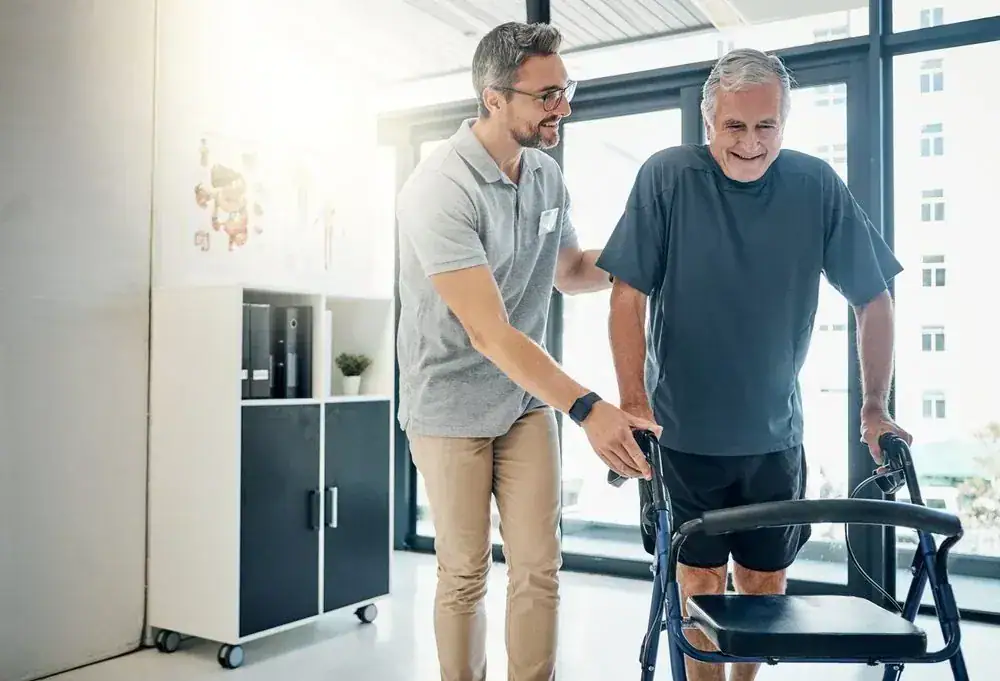
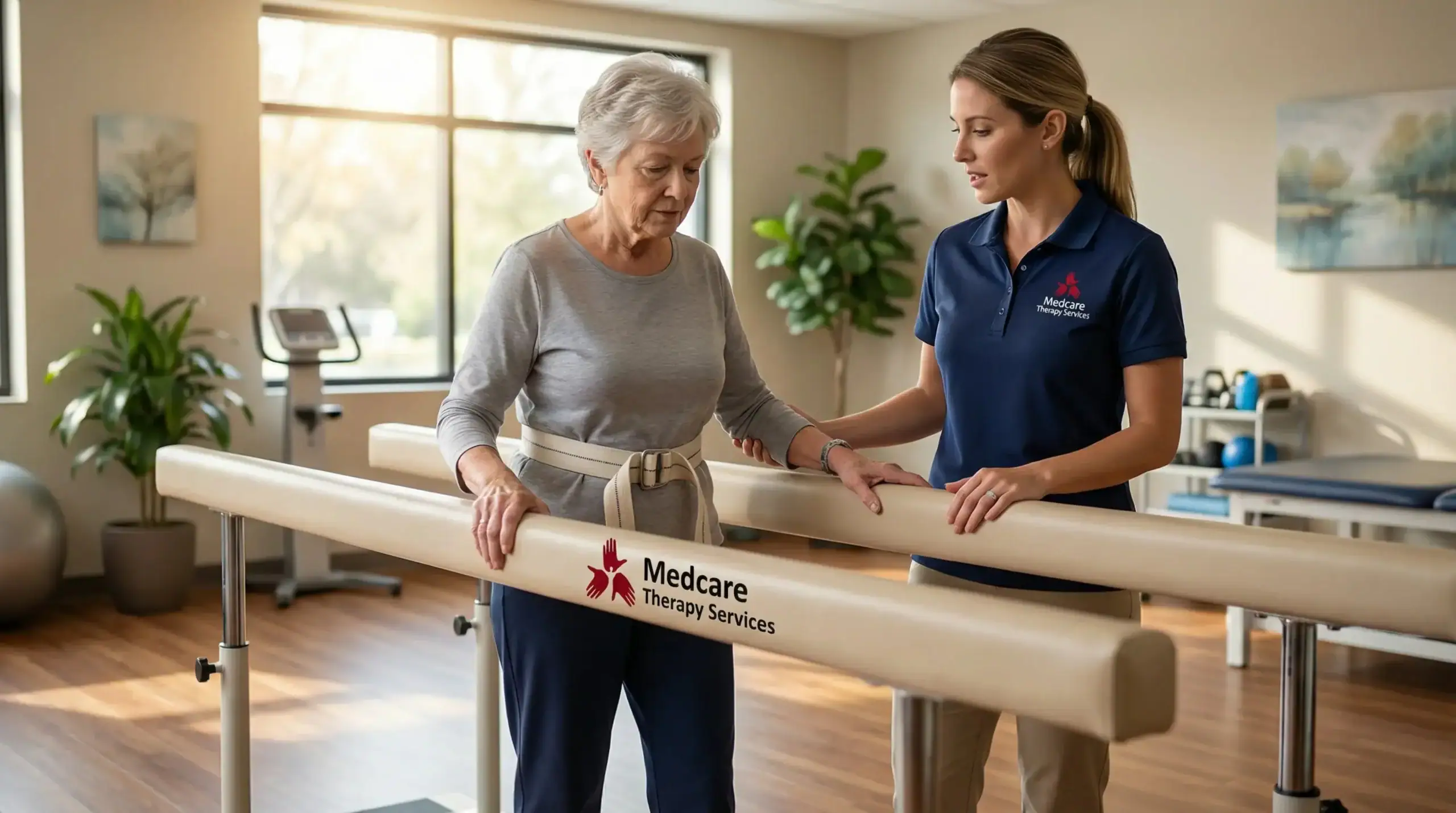
You’re not imagining it—your balance isn’t what it used to be. Maybe you’ve already had a close call. Maybe you’re just noticing that getting up from a chair takes more effort, or that uneven sidewalks make you nervous.
That hesitation? It’s costing you more than you think. When you start avoiding activities because you’re worried about falling, your muscles get weaker. Your balance gets worse. And suddenly, the things you used to do without thinking—grocery shopping, visiting friends, walking around your own home—feel risky.
Physical therapy for balance works because it addresses what’s actually causing the problem. Weak hip muscles. Poor ankle stability. Difficulty shifting your weight. We build strength where you need it most, and we do it in the environment that matters—your home in Baldwin, NY. You’ll practice the movements you actually use every day, on the floors you actually walk on, with the furniture and stairs you actually navigate.
Medcare Therapy Services has been treating Long Island residents for over 14 years. We’re licensed physical and occupational therapists who specialize in keeping older adults safe, strong, and independent at home.
We accept Medicare and most commercial insurance, which matters when you’re looking at the cost of fall-related injuries. The average hospital stay for a fall runs over $34,000—and that’s just the beginning. We’d rather help you avoid that entirely.
Baldwin and the surrounding Nassau County communities have a large population of older adults who deserve access to care that actually fits their lives. That’s why we come to you. No fighting traffic on Sunrise Highway. No trying to find parking. Just consistent, professional therapy in your living room, kitchen, or wherever you need to build strength and confidence.
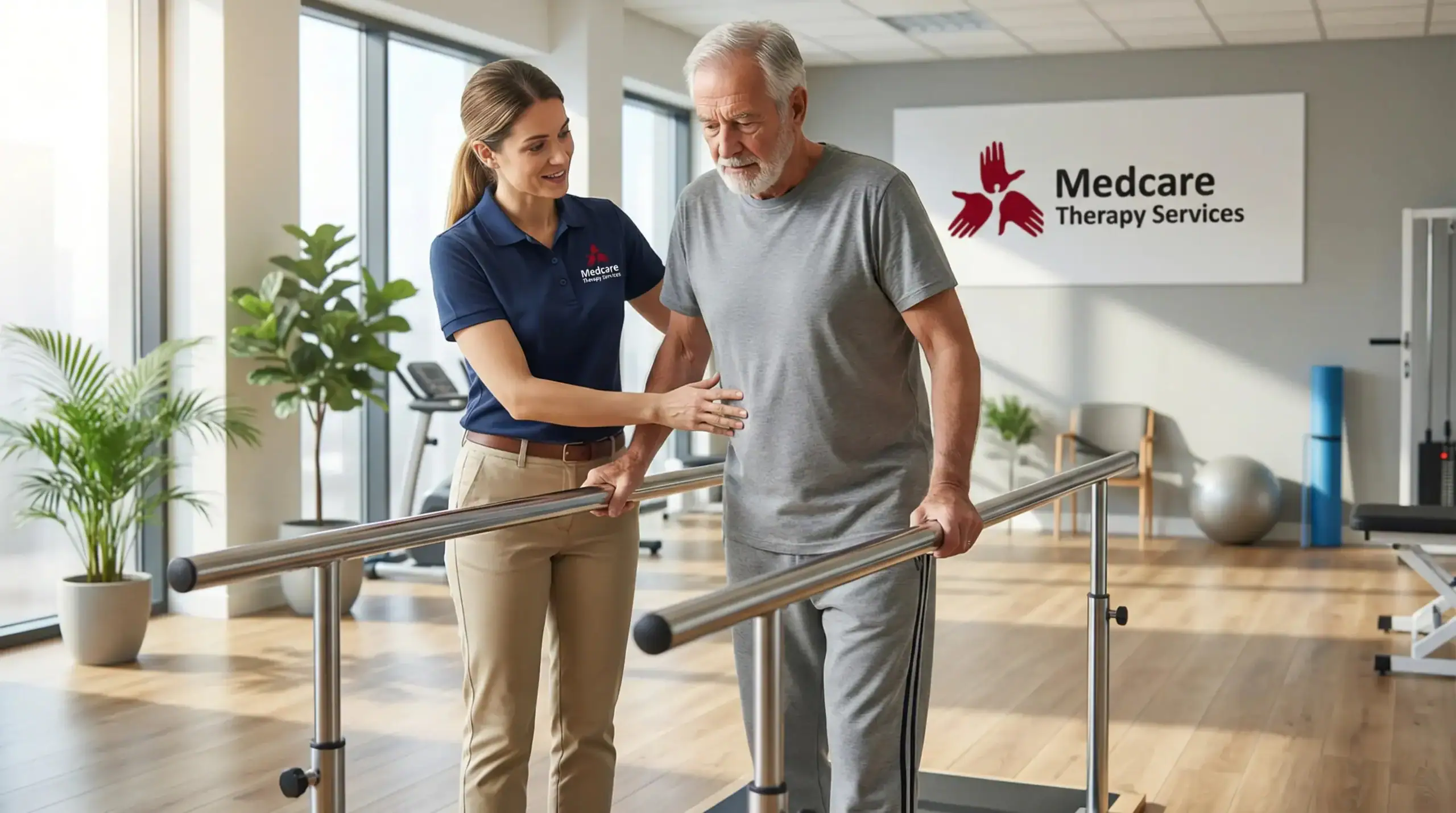
First, we come to your home for a full assessment. We’re looking at your strength, your balance, how you walk, and how you move through your space. We also look at your actual environment—lighting, rugs, furniture placement, bathroom setup. Falls don’t happen in a vacuum.
Then we build a plan based on what we find. If your ankles are weak, we work on that. If you’re unsteady when you turn your head, we address it. If getting out of your favorite chair is hard, we make that easier. These aren’t generic exercises—they’re based on your body and your home.
You’ll work with the same therapist each visit, so there’s no repeating your story or starting over. Sessions typically run twice a week to start, then we adjust based on your progress. We also give you exercises to do between visits, because consistency is what gets results.
Most people start feeling steadier within a few weeks. The goal isn’t just to get you stronger—it’s to get you back to doing what you want without that constant worry in the back of your mind.

Ready to get started?
Every session is built around evidence-based programs like the Otago Exercise Program, which has been shown to reduce falls by up to 35%. That’s not marketing talk—that’s published research. We use what works.
You’ll do strength training for your legs and hips, because that’s where most of your stability comes from. We’ll work on balance exercises that challenge you just enough to make progress without putting you at risk. Gait training helps you walk more smoothly and confidently, especially on uneven surfaces or when you’re carrying something.
We also spend time on functional movements—the stuff you do every day. Getting in and out of bed. Reaching into cabinets. Walking up your front steps. If it’s part of your routine, it’s part of your therapy.
And because we’re in your home, we can spot hazards you might not notice. Loose rugs. Poor lighting. Clutter in walkways. We’ll make recommendations that are specific to your space, not generic advice from a brochure. Long Island homes—especially in Baldwin—often have stairs, narrow hallways, and older layouts. We know what to look for.
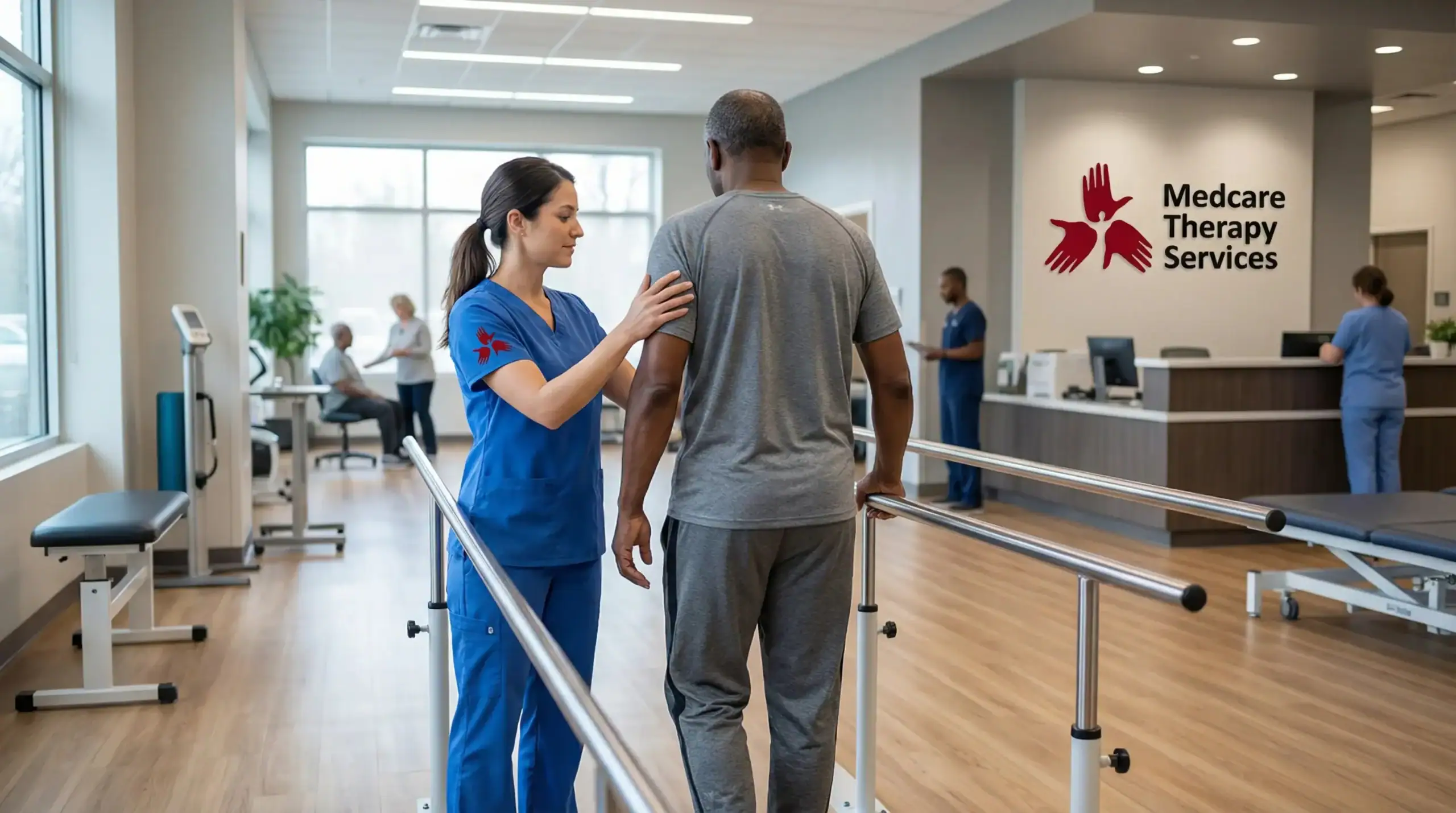
If you’ve fallen in the past year, you need it. If you’ve had a close call that scared you, you probably need it. If you’re starting to avoid certain activities because you’re worried about your balance, you definitely need it.
Here’s the thing: more than one in four older adults fall each year, but fewer than half tell their doctor. A lot of people assume it’s just part of aging, or they’re embarrassed, or they’re afraid it’ll lead to losing their independence. But ignoring the problem makes it worse. Your muscles get weaker. Your confidence drops. And your actual risk goes up.
You don’t have to wait until something bad happens. If you’re noticing changes in your balance, strength, or confidence, that’s enough reason to get evaluated. We can tell you exactly where you stand and what needs attention.
Yes, Medicare Part B covers physical therapy and occupational therapy when it’s medically necessary—and fall prevention absolutely qualifies. If you’ve had a fall, if your doctor is concerned about your balance, or if you have conditions that increase your fall risk (like Parkinson’s, arthritis, or neuropathy), you’re likely covered.
We accept Medicare and handle the billing directly. You’ll have a copay or coinsurance depending on your plan, but you won’t be paying out of pocket for the full cost of therapy. Most commercial insurance plans also cover home-based therapy, and we work with most major carriers.
The key is getting a referral or prescription from your doctor. Once we have that, we can verify your coverage and get started. And honestly, even if you had to pay out of pocket, it’s a fraction of what a fall-related hospital stay costs. We’re talking about $34,000+ for a hip fracture hospitalization. Therapy is a bargain by comparison.
You’re training in the environment where you actually need to be steady. Clinic floors are flat and even. Your home has transitions between rooms, rugs, stairs, and furniture to navigate. If we’re trying to prevent falls at home, it makes sense to work on your balance at home.
There’s also the practical side. A lot of older adults in Baldwin struggle with transportation. Maybe you don’t drive anymore. Maybe your family can’t always take you. Maybe the idea of getting to a clinic twice a week just feels like too much. When we come to you, that barrier disappears.
And frankly, people tend to stick with therapy longer when it’s convenient. Consistency is what gets results. If you’re skipping sessions because it’s hard to get there, you’re not going to see the improvement you need. Home therapy removes that friction entirely.
Most people see noticeable improvement in 6 to 8 weeks, but the timeline depends on where you’re starting and what we’re addressing. If you’re generally healthy but just need some balance work, you might progress faster. If you’re recovering from a fall or managing multiple chronic conditions, it might take longer.
We typically start with two sessions per week, then taper down as you get stronger. Some people transition to once a week, then move to a home exercise program they can do on their own. Others benefit from ongoing maintenance visits to keep their progress on track.
The goal isn’t to keep you in therapy forever. It’s to get you strong and confident enough to manage on your own. But we also know that aging doesn’t stop, and sometimes people need a tune-up down the road. We’re here for that too.
No. If anything, it’s more important. Falling once doubles your chances of falling again, but therapy can break that cycle. We can identify what caused the fall and fix it—whether that’s weak muscles, poor balance, environmental hazards, or a combination of factors.
A lot of people lose confidence after a fall, and that fear makes them move less. Less movement means weaker muscles. Weaker muscles mean higher fall risk. It’s a loop, and therapy is how you get out of it.
We’ve worked with plenty of people who’ve had falls—some serious, some not. The ones who commit to therapy and do the work almost always regain their confidence and mobility. You’re not starting from scratch. You’re rebuilding what you had, and in a lot of cases, you end up stronger than you were before the fall.
It’s prevention, and the research backs it up. Studies on programs like Otago show a 35% reduction in falls for people who stick with the exercises. Balance training, strength work, and gait training all directly reduce your fall risk—not by a little, by a lot.
Falls aren’t inevitable. They’re usually the result of specific, fixable problems. Weak hip muscles. Poor ankle stability. Difficulty with weight shifts. Slow reaction time. All of those things improve with the right exercises and consistent practice.
We also address the environmental side. A lot of falls happen because of tripping hazards, poor lighting, or bathroom setup issues. We’ll walk through your home and point out what needs to change. Sometimes it’s as simple as moving a rug or adding a grab bar. Small fixes, big impact.
Other Services we provide in Baldwin