
You’re not imagining it. That hesitation before stepping off a curb, the extra second you need to stand up, the way you’re gripping the railing tighter than you used to—these are signs your balance system needs attention.
Balance exercises for seniors aren’t about becoming an athlete. They’re about walking to your mailbox without second-guessing every step. Getting out of a chair without bracing yourself. Turning your head to check traffic without feeling unsteady.
When your balance improves, your world opens back up. You stop avoiding stairs. You don’t cancel plans because you’re worried about navigating unfamiliar spaces. You’re not constantly calculating risk in your head before doing normal activities. That’s what we’re after—getting you back to living without that background hum of anxiety about falling.
We’ve been treating patients across Long Island for years, with deep roots in communities like Babylon, Amityville, Lindenhurst, and West Islip. We’re not a corporate chain that rotates therapists every few months.
Our physical therapists specialize in treating older adults, and many of our patients come to us specifically for fall prevention. We understand the local lifestyle here—the split-level homes common in Babylon, the uneven sidewalks near the village, the beach access that requires navigating sand and stairs.
You’ll work with the same therapist throughout your care. We take most insurances, and you don’t need a referral to start. Same-day appointments are often available because we know that when you’re ready to address this, waiting three weeks doesn’t help.

Your first visit is an evaluation. We assess your balance, strength, gait pattern, and reaction time. We ask about your home setup, medications, and any previous falls or close calls. This isn’t a generic screening—we’re looking at your specific risk factors.
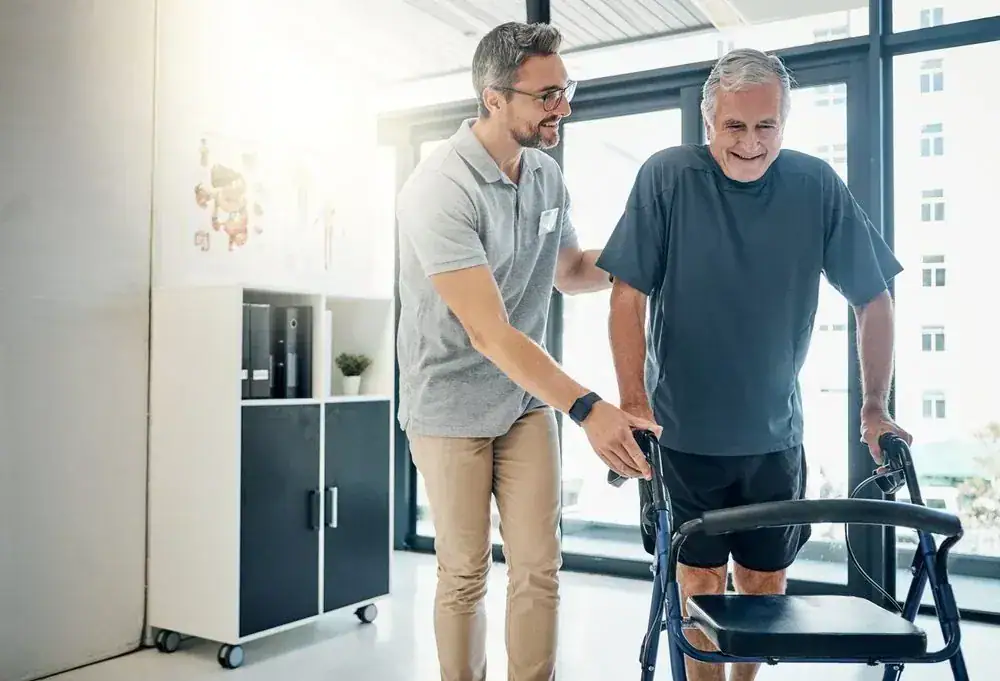
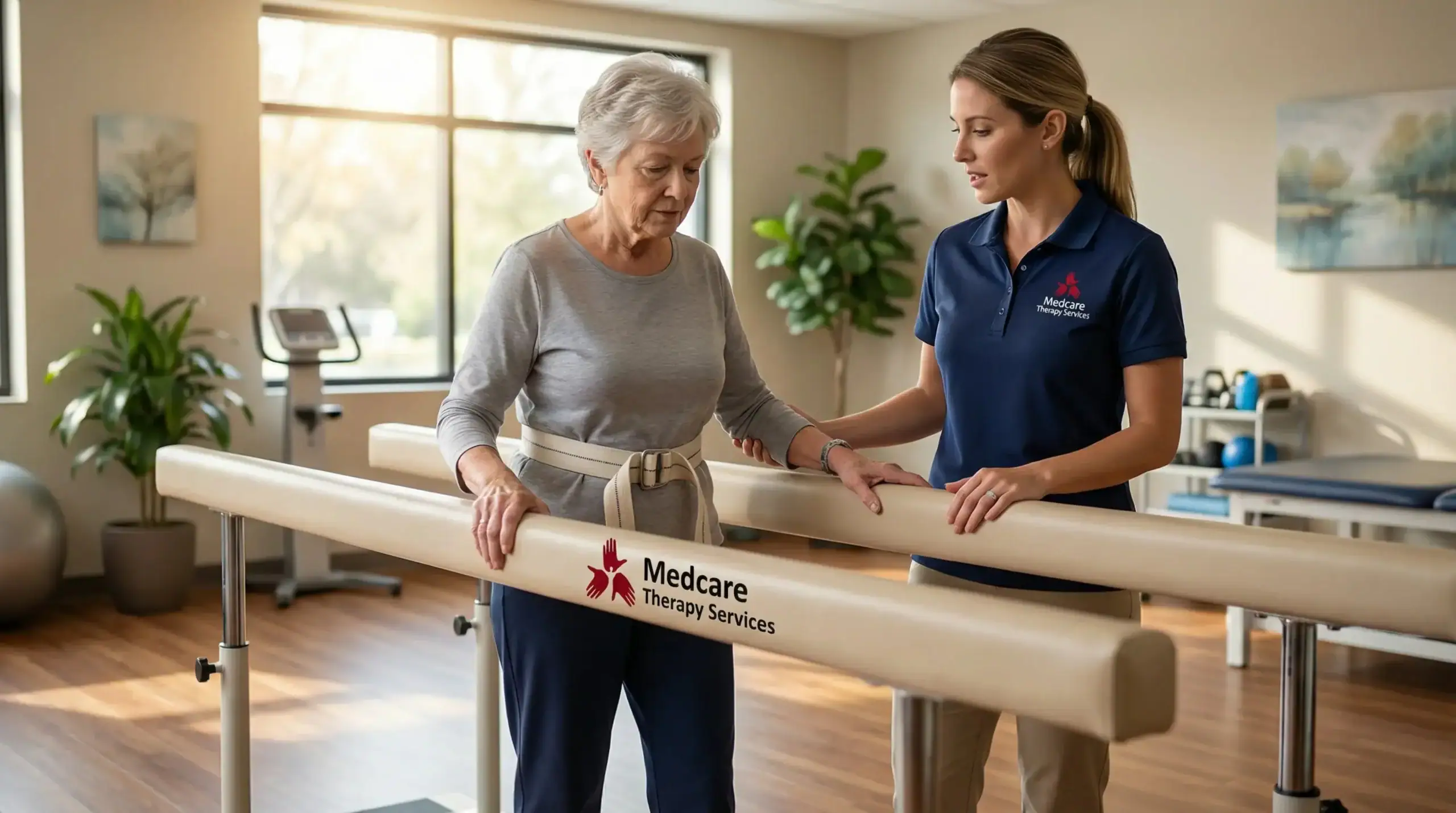
From there, we build a treatment plan. That usually includes senior balance exercises targeting your weak points, gait training to improve how you walk, and strength work focused on your legs and core. If you have neurological issues affecting your balance, we address those too.
We also talk about your home. Most falls happen at home, and sometimes simple changes make a huge difference. We’ll discuss lighting, rugs, bathroom safety, and whether you need equipment like grab bars or a shower chair. If a home visit makes sense, we can arrange that.
Sessions typically run twice a week for several weeks, then we taper as you improve. You’ll get exercises to do at home—ones that actually fit into your day, not an hour-long routine you’ll never maintain. The goal is sustainable improvement that sticks after therapy ends.

Ready to get started?
Balance assessment measures how well you maintain stability in different positions and during movement. Gait analysis identifies problems in your walking pattern that increase fall risk—things like shuffling, reduced step length, or asymmetry.
Strength training focuses on the muscles that keep you upright. Weak hips, ankles, and core muscles are major fall contributors, especially in older adults. We target these areas with exercises that translate directly to daily activities.
For Babylon residents, we also consider local factors. Many homes here were built in the 1950s and 60s with stairs, narrow hallways, and bathrooms that weren’t designed with aging in mind. We help you navigate your actual environment, not a textbook scenario.
If you’ve already fallen, we work on getting your confidence back. Fear of falling often leads to avoiding activity, which makes you weaker and more likely to fall again. We break that cycle by gradually rebuilding your stability and your trust in your body.

If you’ve fallen in the past year, you need fall prevention therapy. Falling once doubles your chance of falling again, and each fall increases your risk of serious injury.
But you don’t have to wait for a fall. If you’re feeling unsteady, holding onto walls or furniture more than you used to, or avoiding activities because you’re worried about balance, those are clear signs. If you’ve had any close calls—moments where you almost fell but caught yourself—that counts too.
Other indicators include difficulty getting up from a chair without using your arms, trouble walking on uneven surfaces, or feeling dizzy when you turn your head or change positions. Many people dismiss these as “just getting older,” but they’re actually treatable problems. The earlier you address balance issues, the easier they are to fix and the less likely you are to experience a serious fall.
The exercises depend on your specific needs, but most programs include standing balance work, weight shifting, and controlled movements that challenge your stability. You might practice standing on one leg, walking heel-to-toe, or maintaining balance while turning your head or reaching.
We also incorporate functional movements—things that mimic real life. Getting up from a chair safely. Stepping over obstacles. Turning around without losing balance. Walking while carrying something. These aren’t abstract exercises; they’re the exact movements that cause falls when your balance is compromised.
For many seniors, we include exercises that improve ankle strength and mobility, since weak ankles significantly increase fall risk. We might also work on reaction time—your ability to catch yourself quickly if you start to lose balance. The exercises progress as you improve, always staying challenging enough to create change but safe enough that you’re not at risk during therapy.
Most insurance plans, including Medicare, cover physical therapy for fall prevention when it’s medically necessary. You typically don’t need a referral to start, though some plans require one.
Medicare Part B covers physical therapy when a doctor certifies that you need it and a licensed therapist provides the service. You’ll pay 20% of the Medicare-approved amount after you meet your deductible. If you have a Medicare Advantage plan, coverage varies by plan, so we verify your specific benefits before you start.
Private insurance coverage depends on your plan. Most cover physical therapy with a copay or coinsurance. We check your benefits upfront and let you know what you’ll owe before your first appointment. If you have questions about coverage, call us—we deal with insurance companies all day and can usually give you a clear answer quickly.
Most patients see significant improvement in six to eight weeks with twice-weekly sessions. That’s not a guarantee—some people need less time, others need more depending on their starting point and specific issues.
You’ll notice changes before therapy ends. Many patients report feeling steadier within the first few weeks. Measurable improvements in balance tests usually show up around the four-week mark. Strength gains take a bit longer, but you’ll feel the difference in daily activities before the numbers change.
After the initial program, some patients continue with maintenance visits once or twice a month. Others transition to a home exercise program and only return if they notice their balance declining. We don’t keep you in therapy longer than necessary—the goal is to give you the tools to maintain your improvements independently. That said, if you stop doing the exercises entirely, your balance will decline again. Ongoing maintenance matters.
Yes. Multiple falls mean your risk is higher, but they don’t mean therapy won’t work. In fact, people with a history of falls often see dramatic improvements because there’s more room for change.
We start by figuring out why you’re falling. Sometimes it’s pure balance and strength. Sometimes it’s medication side effects, vision problems, or environmental hazards at home. Often it’s a combination. Once we identify the causes, we can address them systematically.
If you’ve developed a fear of falling, that’s part of what we treat. Fear leads to inactivity, which leads to weakness, which leads to more falls. We rebuild your confidence gradually by improving your actual stability and then progressively challenging you in controlled ways. Many patients who’ve fallen multiple times go months or years without another fall after completing therapy. The key is addressing the root causes, not just telling you to “be more careful.”
We specialize in treating older adults, and fall prevention is a core part of our practice—not an add-on service. Our therapists have specific training in balance disorders, gait abnormalities, and the neurological conditions that affect stability in seniors.
We also take a comprehensive approach. We don’t just give you balancing exercises and send you home. We look at your medications, your home environment, your footwear, your vision—all the factors that contribute to falls. If we identify something outside our scope, like a medication that’s affecting your balance, we communicate with your doctor.
You’ll see the same therapist each visit, which matters for continuity and trust. We’re locally based with multiple Long Island locations, so we understand the specific challenges Babylon residents face—the housing stock, the weather, the lifestyle. And we make access easy: most insurances accepted, no referral needed, same-day appointments when possible. We’re not interested in making you jump through hoops to get care that could prevent a life-changing injury.
Other Services we provide in Babylon