
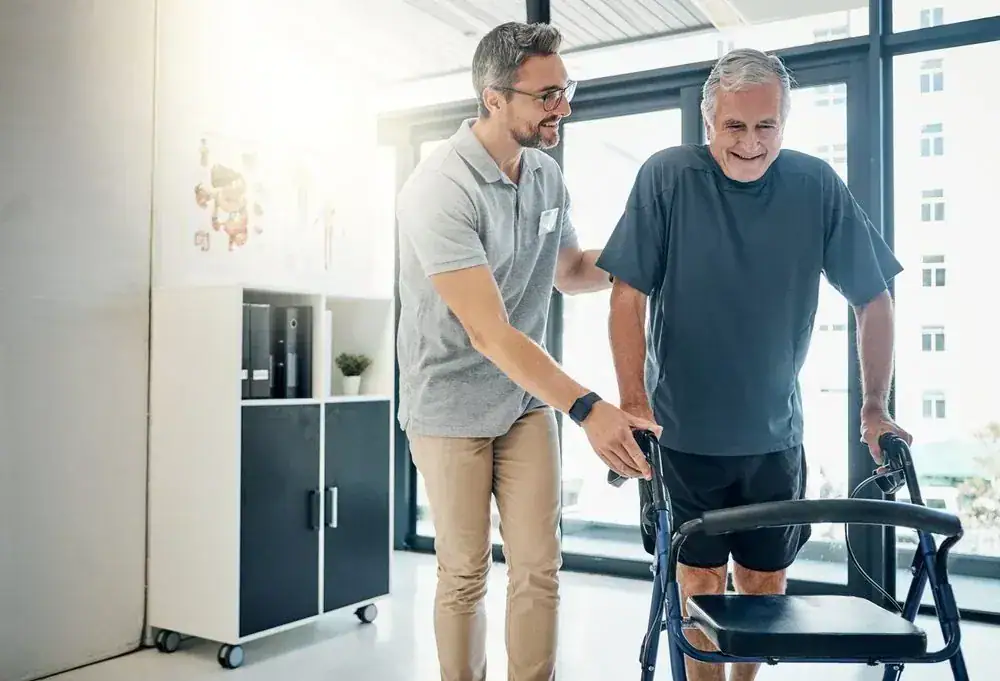
You stop planning your day around what might go wrong. The bathroom at night doesn’t feel like a risk. Getting the mail becomes routine again, not something you brace for.
Balance exercises for seniors aren’t about becoming an athlete. They’re about walking across your kitchen without grabbing the counter. About bending down to pick something up without mapping your route back to standing. About moving through your own home with the confidence you had before fear crept in.
Research shows the right program can reduce your fall risk by nearly 25%. But the real outcome isn’t a statistic—it’s not having to call your daughter every time you need something from the basement. It’s staying in the home you’ve lived in for decades because you can still navigate it safely. That’s what physical therapy for balance actually delivers when it’s done right.
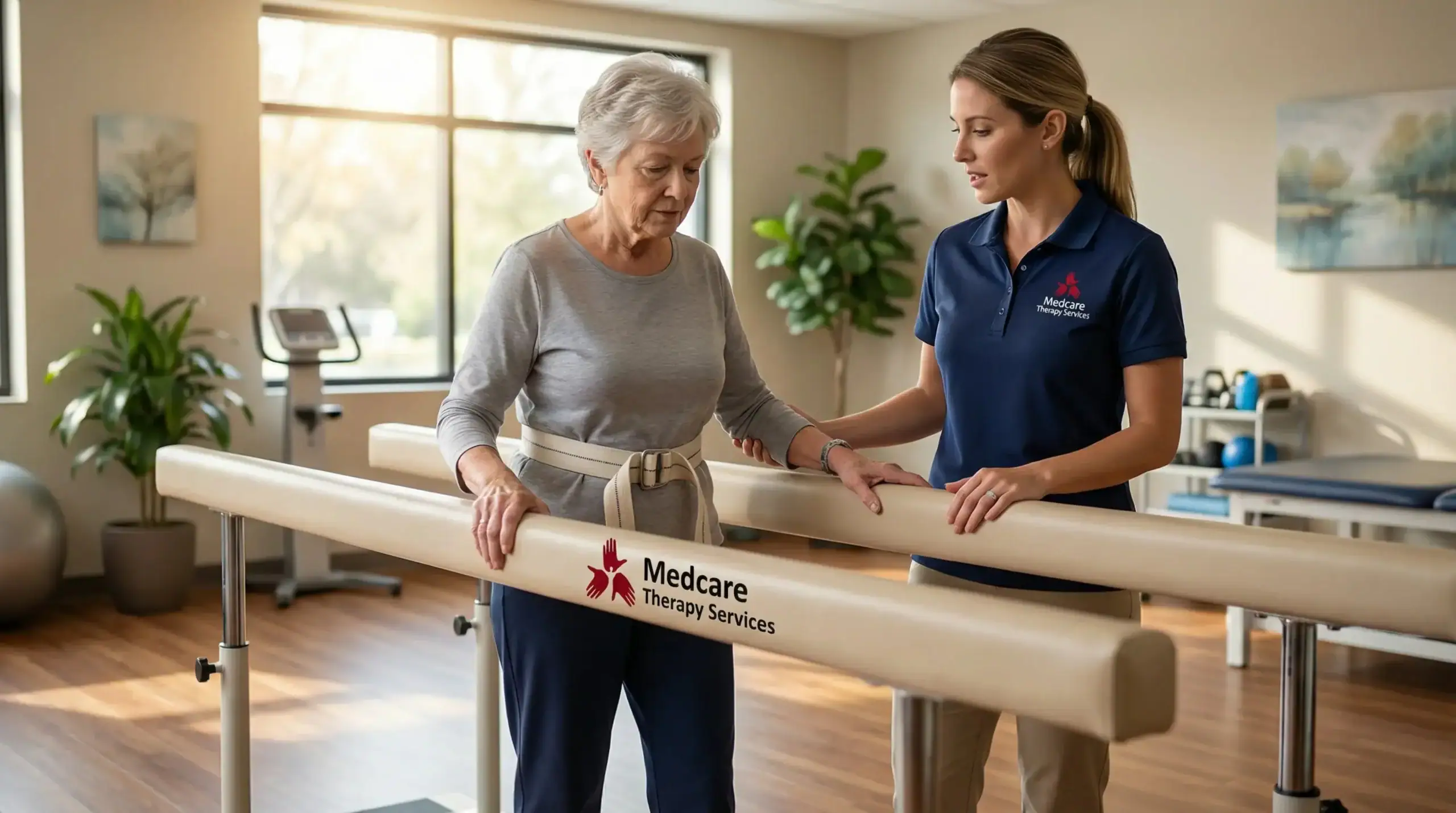
We’ve spent over 15 years working with Long Island seniors who need real help, not a handout of generic exercises. We’re licensed, we accept Medicare and most commercial insurance, and we come to your home in Amityville because we know transportation is half the problem.
Nassau County ranks fourth in New York State for fall-related incidents. That’s not a coincidence—it’s a reflection of our aging population and the unique challenges of living here. We built our fall prevention programs specifically for this reality, using Otago-certified protocols that have been proven to work.
You’re not getting a rotating cast of therapists who don’t know your name. You’re getting one-on-one care from professionals who treat this like what it is: the difference between independence and everything that comes after a serious fall.
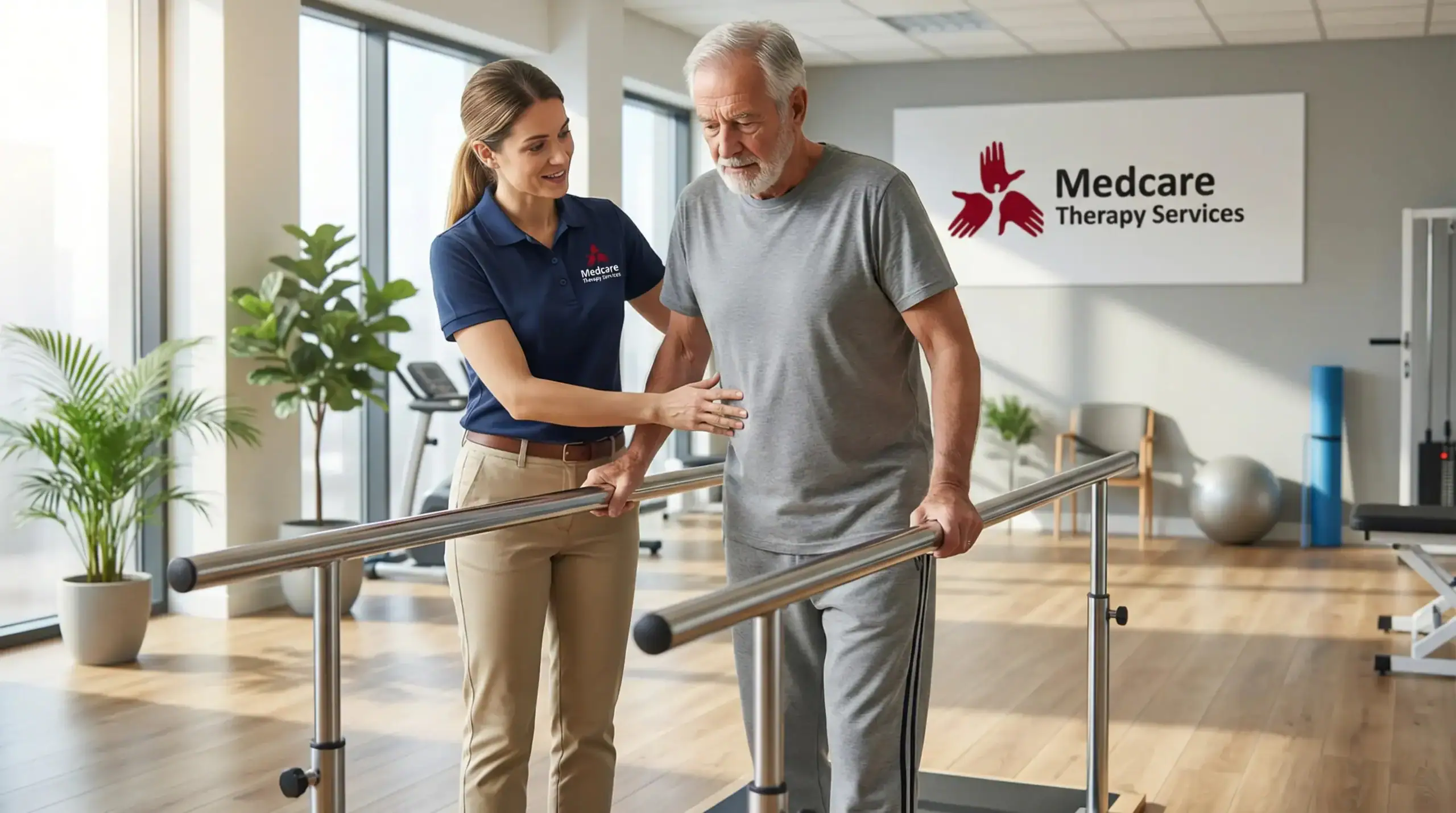
First, we come to your home and do a real assessment. Not a questionnaire—a conversation about your medical history, your current limitations, what you’re afraid of, and what you want to be able to do again. We look at how you move, where your balance falters, and what’s creating risk in your daily routine.
Then we build a program that’s yours. Senior balance exercises that match your ability level right now, not where someone thinks you should be. We focus on the movements that matter to your life—getting up from a chair, walking on uneven surfaces, reaching for things without losing stability. The exercises progress as you do, adding challenge only when you’re ready for it.
Every session is one-on-one in your home. No waiting rooms, no driving, no trying to remember what you’re supposed to do on your own between appointments. We’re there to guide you through it, adjust what’s not working, and make sure you’re actually getting stronger and more stable—not just going through motions.

Ready to get started?
You get therapeutic exercises designed to improve rapid muscle response—the kind of quick reaction that stops a stumble from becoming a fall. Gait training to help you walk with better stability and confidence. Strength work focused on your lower body, because that’s where fall prevention actually happens. Balance training that simulates real-life scenarios, not gym exercises that don’t translate to your kitchen or bathroom.
We also do a home safety assessment. Sixty percent of fall-related hospitalizations for older adults happen at home, and often it’s because of fixable hazards. We’ll identify what’s creating unnecessary risk in your environment and give you practical solutions.
Here’s what matters for Amityville residents: Long Island has statistically higher fall rates than most of New York State, and Nassau County sees 88% of injury hospitalizations in adults over 65 tied to falls. You’re not overreacting by taking this seriously. You’re being smart. This program is built for exactly the risk profile you’re living with, and it’s covered by Medicare when you meet eligibility requirements.
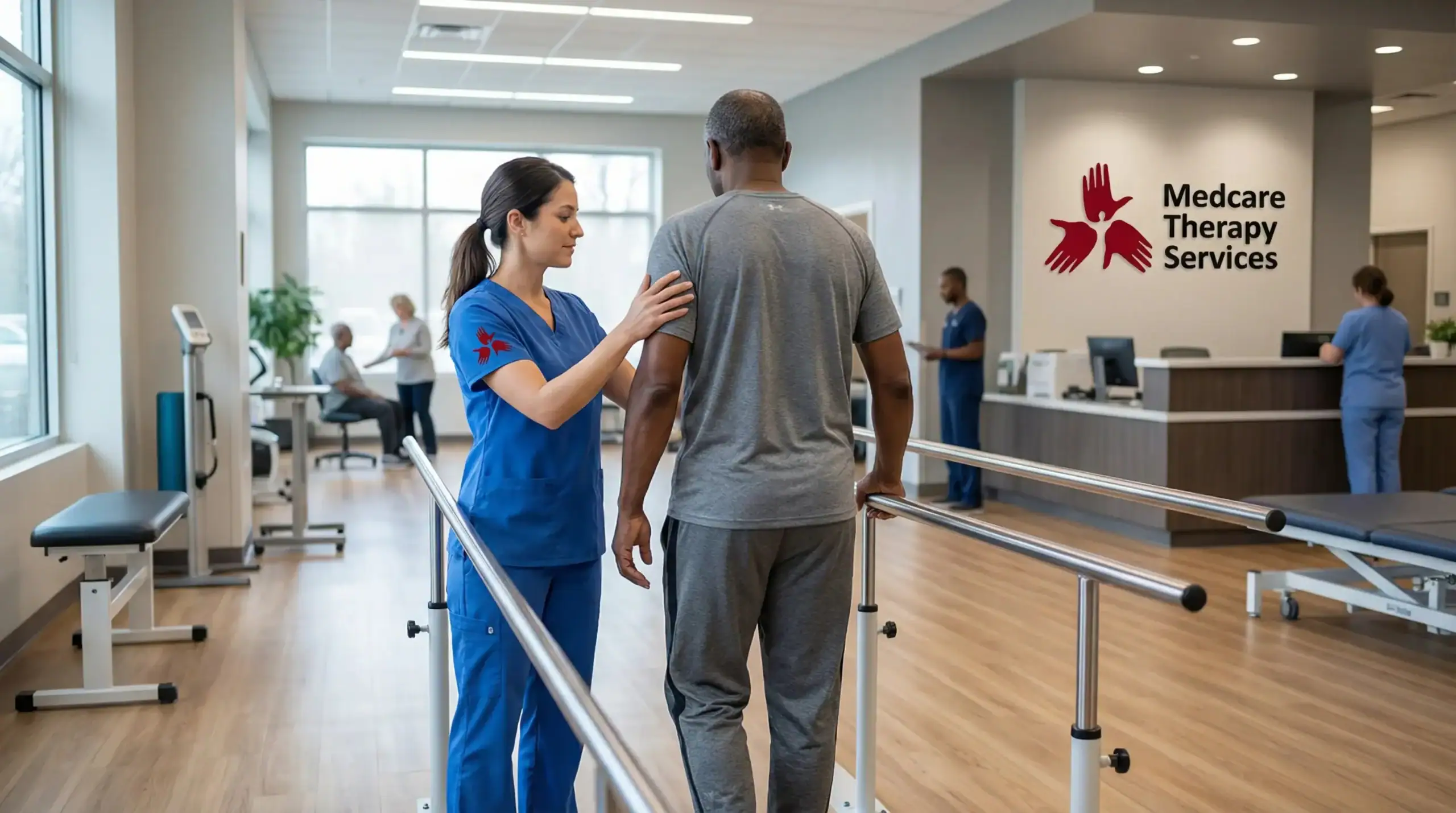
Most people start feeling more stable within four to six weeks, but the timeline depends on where you’re starting from. If you’ve already had a fall or you’ve been avoiding movement out of fear, it might take a bit longer to rebuild strength and confidence. If you’re catching this early, you’ll likely notice improvements faster.
The research is clear: structured balance training can reduce fall risk by 23 to 24% when done consistently. But “consistently” is the key word. This isn’t a one-time fix. You’ll see the best results when you’re working with a therapist weekly and doing your exercises between sessions.
What you’ll notice first isn’t necessarily dramatic—it’s the small stuff. You’ll stop reaching for the wall when you stand up. You’ll feel steadier when you turn your head while walking. Those are the signs that your body is relearning how to catch itself before a fall happens.
Yes, Medicare Part B covers outpatient physical therapy when it’s medically necessary, and fall prevention absolutely qualifies if you meet the criteria. That usually means you’ve had a recent fall, you have a documented balance issue, or your doctor has identified you as high-risk.
You’ll need a physician’s order to start therapy, but once that’s in place, Medicare typically covers the sessions. There may be a copay depending on your specific plan, and you’ll want to confirm your coverage details before starting. We accept Medicare and most commercial insurance plans, and we’ll walk you through what to expect cost-wise during your initial consultation.
The important part: you don’t have to leave your home to access this. In-home therapy is covered the same way clinic-based therapy is, which means you’re not losing any benefits by having us come to you. For a lot of people in Amityville dealing with transportation challenges or mobility limitations, that makes all the difference.
The difference is assessment, progression, and accountability. Online exercises are generic. They don’t know if you have arthritis in your left knee, if your balance is worse when you turn to the right, or if you’re compensating with your upper body because your legs aren’t strong enough yet.
We start with a full evaluation of how you move and where your specific risks are. Then we design exercises that address those exact issues. As you get stronger, we adjust the program to keep challenging you at the right level. Too easy and you don’t improve. Too hard and you get frustrated or hurt yourself. That calibration is what you can’t get from a video.
There’s also the reality that most people don’t stick with exercises they find online. You do them for a week, life gets busy, and they fall off. When someone is coming to your home and working with you one-on-one, you’re far more likely to stay consistent. And consistency is what actually prevents falls.
Yes, and honestly, if you’ve already fallen, that’s one of the strongest reasons to start. A previous fall is one of the biggest predictors of falling again—not because you’re doomed to repeat it, but because whatever caused the first fall (weakness, balance issues, medication side effects) is probably still there.
The goal after a fall is twofold: rebuild the physical strength and stability you need, and address the fear that often follows. A lot of people become less active after a fall because they’re afraid it’ll happen again. That inactivity makes you weaker, which actually increases your fall risk. It’s a cycle we see all the time, and it’s one we know how to break.
We’ll work on the mechanics—strengthening your legs, improving your reaction time, training your balance system to recover quickly when you’re off-center. But we’ll also work on your confidence, gradually reintroducing movements and activities in a controlled way so you’re not living in fear of your own home.
Most programs run between eight and twelve weeks, with sessions once or twice a week depending on your needs and your insurance coverage. Some people need less time, some need more. It’s not a one-size-fits-all timeline.
What matters more than the length is whether you’re hitting the goals we set at the beginning. Can you get up from a chair without using your arms? Can you walk across the room without veering or grabbing onto things? Can you handle uneven surfaces like your driveway or a curb? Those are the benchmarks we’re tracking, not just how many weeks you’ve been in therapy.
After the formal program ends, the work doesn’t stop. We’ll give you a maintenance plan—exercises you can keep doing on your own to preserve the strength and balance you’ve built. Some people check back in every few months for a tune-up session. Others feel confident managing on their own. It depends on your situation and what you’re comfortable with.
The first visit is mostly conversation and observation. We’ll talk through your medical history, any medications you’re taking (some increase fall risk), past falls or close calls, and what’s making you nervous about your balance right now. Then we’ll watch you move—standing up, walking, turning, reaching. We’re looking for subtle things: how your weight shifts, whether one side is weaker, if your gait is unsteady.
We’ll also walk through your home and point out hazards you might not have noticed. Loose rugs, poor lighting, clutter in walkways, grab bars that aren’t installed correctly. You’d be surprised how many falls happen because of environmental factors that are easy to fix.
By the end of that first session, you’ll have a clear picture of where your risks are and what we’re going to work on. We’ll usually start some light exercises right then and there so you leave with something actionable. The whole visit takes about an hour, and it’s designed to be low-pressure. You’re not performing for us—we’re gathering information so we can help you.
Other Services we provide in Amityville